5 Best Loyalty Apps for Sushi Restaurants in 2026
5 Best Loyalty Apps for Sushi Restaurants in 2026
Sushi occupies a rare space in the UK food market. It's simultaneously a quick weekday lunch (a chirashi bowl grabbed between meetings), a premium evening experience (omakase at the counter, watching the chef work), and a social occasion (sharing platters with friends on a Friday night). Very few cuisines span that range — and very few restaurant owners have to manage such different customer types under one roof.
That versatility is your strength. It's also what makes retention complicated.
Your lunchtime regular who orders the same salmon teriyaki bento three times a week has completely different habits from the couple who comes for evening omakase once a month. The office manager ordering a platter for a team meeting has different motivations from the family getting takeaway on a Saturday. Each of these customers is valuable. None of them respond to the same loyalty approach. Ice cream shops split along the same lines, which is why loyalty apps for ice cream shops separate the daily passer-by from the twice-a-summer family.
Meanwhile, the competition is intensifying. YO! Sushi has a well-established loyalty app. Itsu sends push notifications and runs targeted offers. Wasabi is expanding. And the supermarket sushi ranges — Waitrose, M&S, even Tesco — have improved to the point where some of your lunch customers are choosing a £4 supermarket box over a £9 fresh bowl from your counter.
An independent sushi restaurant can't outspend YO! Sushi on marketing. But it can build a loyalty infrastructure that reaches every customer type — the lunchtime regular, the evening diner, the platter orderer, the takeaway customer — through a single platform that sits on their phone, sends the right message at the right time, and rewards them proportionally for how they spend. The same spread runs through ice cream shop loyalty programmes, where a single scoop and a family order sit on one card.
At Perkstar, we work with sushi restaurants, Japanese dining concepts, and Asian fusion businesses across the UK. We've seen which loyalty strategies work for businesses that serve both a £8 lunch bowl and a £65 omakase tasting menu. This guide covers the five loyalty apps that genuinely work for sushi restaurants in 2026.
Why Sushi Restaurants Have a Unique Loyalty Opportunity
Sushi restaurants operate with dynamics that other cuisines don't share. Understanding them shapes the right loyalty strategy.
You serve two completely different dayparts — and each needs its own approach. Lunchtime sushi is quick, frequent, and habitual. The office worker who grabs a bento three times a week is worth over £1,400 per year on lunch alone. Evening sushi is slower, more considered, and less frequent — but higher in average spend. A loyalty programme that rewards total spend (not just visits) captures both dayparts proportionally. A stamp card can overlay for the lunchtime crowd, where frequency is the dominant behaviour.
Freshness drives daily specials — and daily specials need daily communication. Sushi is defined by what's fresh today. The market fish that arrived this morning, the seasonal sashimi, the chef's special roll — these change daily. A push notification at 11am announcing today's special ("Bluefin tuna landed this morning — limited portions, today only") drives footfall in a way no other marketing channel can match. It's urgent, it's specific, and it reaches your customer's phone at the moment they're deciding where to eat lunch.
Catering and platter orders are a major revenue stream hiding in plain sight. Corporate meetings, office lunches, house parties, birthdays, and events all create demand for sushi platters and catering. Most independent sushi restaurants handle these orders reactively — waiting for the phone to ring. A loyalty programme with a CRM lets you identify customers who've ordered platters before and proactively reach them ahead of known corporate calendar moments (end of quarter, Christmas parties, team socials).
Delivery apps take an enormous bite from sushi margins. Sushi travels well — better than most cuisines. That means delivery is a significant revenue channel. But every Deliveroo and Uber Eats order costs 25-35% in commission. For a sushi restaurant where the produce cost is already higher than average (fresh fish isn't cheap), losing a third of the order value to a platform is devastating. A loyalty programme that incentivises direct collection and dine-in protects the margins that keep your business viable.
The health-conscious customer is your most loyal — and most lucrative — segment. Sushi attracts a health-conscious clientele that's willing to pay a premium for quality, freshness, and nutritional value. These customers don't shop on price — they shop on trust. A loyalty programme reinforces that trust and adds a tangible reward layer that makes your restaurant their default choice, not just for sushi, but for any quick, healthy meal. Understanding how restaurants can turn one-time diners into loyal regulars is particularly crucial for sushi establishments, where both the quality expectation and customer lifetime value are higher than average.
Chain sushi has trained customers to expect rewards. YO! Sushi, Itsu, and Wasabi all run loyalty programmes that your customers participate in. They're accustomed to earning rewards on their sushi purchases. An independent sushi restaurant without loyalty isn't just missing an opportunity — it's falling behind the baseline expectation your customers carry from their chain experiences. While loyalty strategies for Italian restaurants face different challenges around wine pairings and seasonal menus, sushi restaurants deal with the specific complexity of dual dayparts and premium ingredient communication. Similarly, loyalty strategies for pizza restaurants must navigate their own unique challenges with delivery dominance and upselling opportunities.
The 5 Best Loyalty Apps for Sushi Restaurants
1. Perkstar
Best for: Sushi restaurants that want mobile wallet loyalty, daily-special notifications, dual-daypart reward structures, and the flexibility to drive lunch frequency and evening premium spend simultaneously.
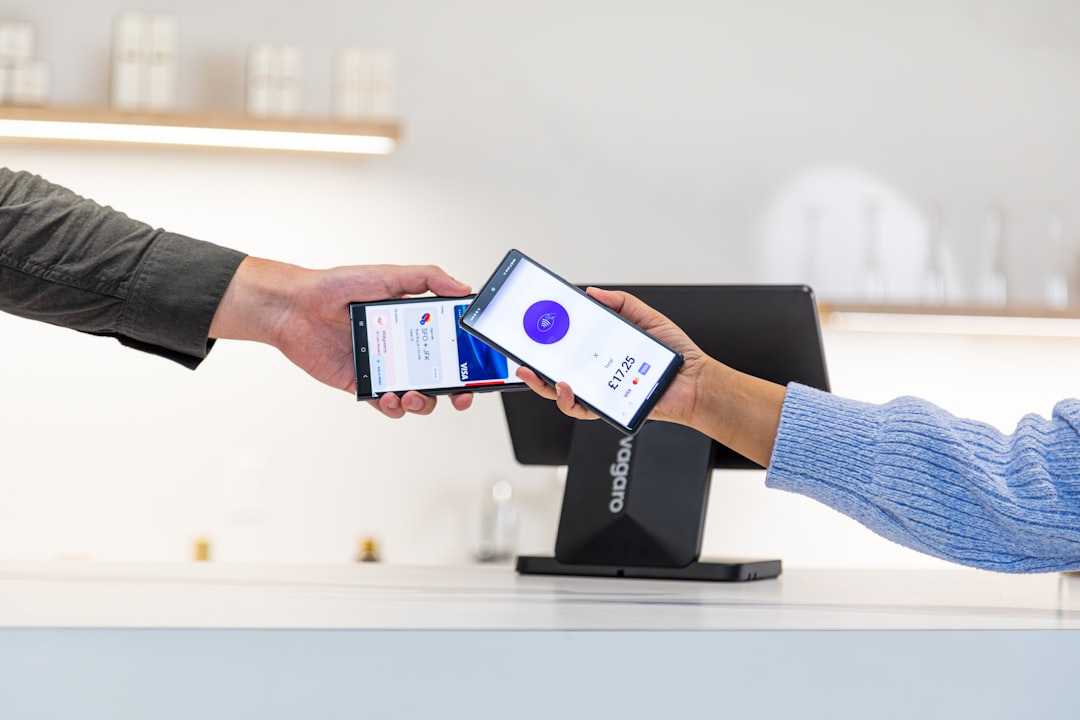
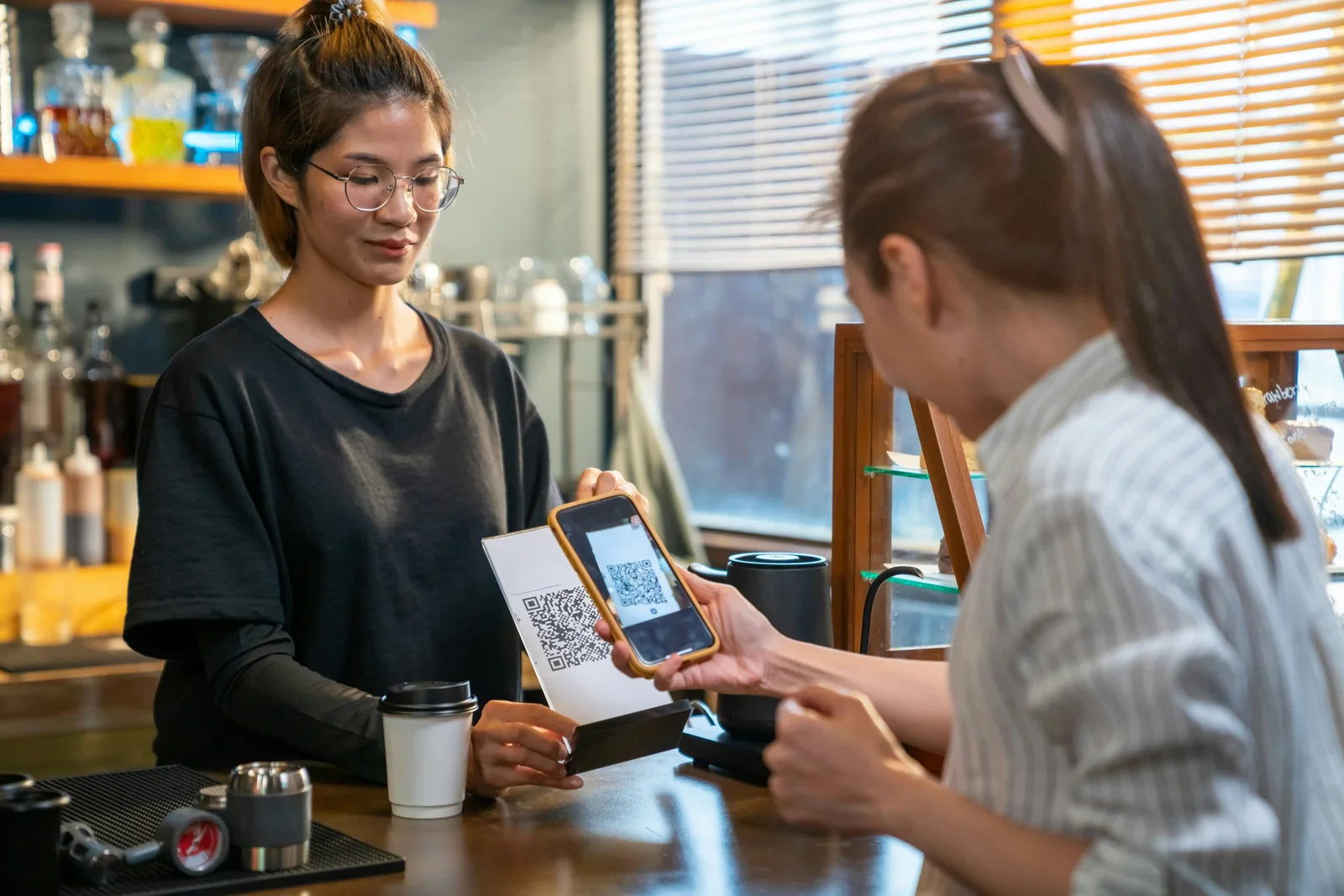
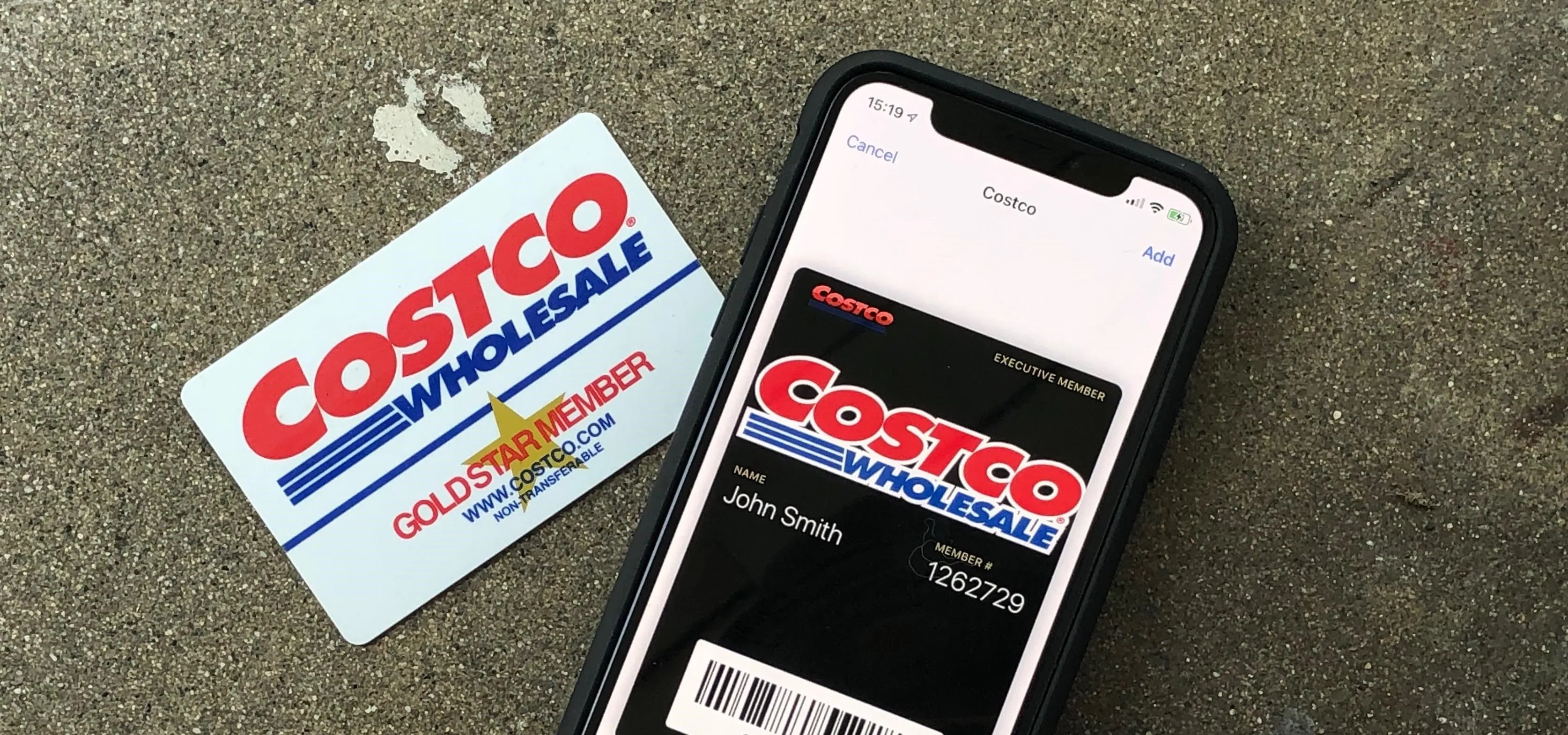
Perkstar is built for independent food businesses, and sushi restaurants are one of the categories where the platform's flexibility across card types and the real-time notification capability deliver the most competitive value. Customers add a loyalty card to their Apple Wallet or Google Wallet by scanning a QR code at the counter, on the table, on the chopstick sleeve, or printed on the takeaway bag. No app download. Ten seconds.
For sushi restaurants, the most effective approach layers two card types together:
A points programme (1 point per pound spent) is the foundation. It rewards across everything: lunchtime bowls, evening omakase, takeaway orders, catering platters, sake, and retail products (if you sell sauces, snacks, or pantry items). A lunchtime regular spending £9 on a bento earns 9 points. An evening couple spending £85 on omakase and sake earns 85 points. The proportionality ensures both customer types are fairly rewarded — and the evening diner feels their premium spend is recognised.
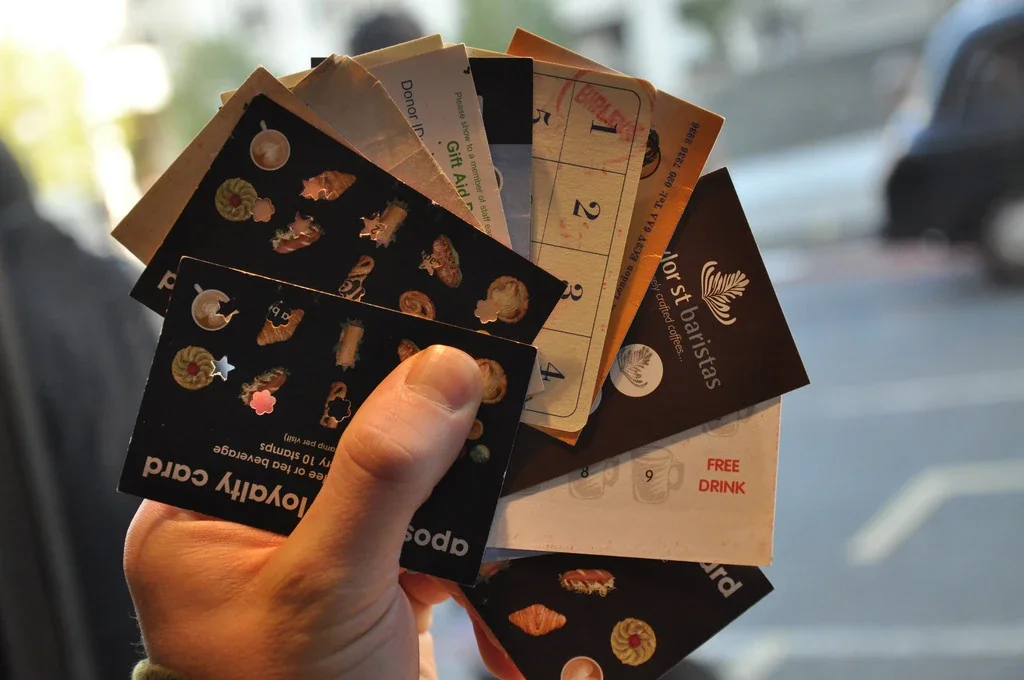
A stamp card overlays for the lunchtime crowd specifically: "every 8th lunch bowl is free." The high-frequency lunchtime customer sees their stamp card filling rapidly (potentially completing it in under three weeks at three visits per week), which creates a tight feedback loop that reinforces the daily habit. The stamp card and the points programme run simultaneously — the same customer earns both stamps and points on every lunchtime visit.
Perkstar supports eight card types. For sushi restaurants, the additional high-value options include digital gift cards ("treat someone to sushi" is a popular experience gift), a multipass for lunchtime regulars (20 lunches prepaid at a discounted rate — locking in the daily habit and providing upfront cash flow), and coupons for targeted promotions (new menu launches, seasonal specials, catering offers).
The marketing toolkit is where Perkstar gives sushi restaurants their most distinctive advantage: daily-special notifications. Unlimited push notifications go to lock screens. A notification at 11am — "Today's special: yellowtail sashimi, just in from the market. Limited portions" — reaches every enrolled customer at the exact moment they're deciding where to eat lunch. This is something no chain can replicate with their standardised, centrally-managed menu. Your daily specials, driven by what's fresh, become a competitive advantage that a push notification amplifies directly to the people who care most.
Additional notification strategies for sushi restaurants:
Thursday evening: "Friday night sushi? Book your table or pre-order your platter — this week's special: wagyu nigiri tasting"
Midweek fill: "Tuesday evening sushi deal — double points on all dine-in orders tonight"
Seasonal: "Uni season is here. Fresh sea urchin — this week only"
Catering: "Planning an office lunch? Our sushi platters feed 8-10 from £65. Order by 4pm for next-day collection"
Lapsed: "We haven't seen you in a while — your favourite roll is waiting. Double points this week"
Geo-fenced notifications reach customers when they walk near your restaurant — powerful during the lunch window in business districts and high streets.
For busy service periods, the Scanner App lets staff scan the customer's wallet card at the counter. Scanner App Pro connects a hardware barcode scanner for self-service — customers scan their own card as they collect a takeaway order or pay at the counter. Auto-confirm makes it fully hands-free. On a lunchtime rush with 60+ transactions in 90 minutes, removing staff from every loyalty interaction keeps the queue moving. Scanner App Pro is exclusive to Growth and Scale plans (beta) — most competitors don't offer self-service scanning.
The referral programme rewards customers who bring friends for sushi — and sushi is one of the most frequently recommended cuisines among health-conscious diners. Google Review rewards build visibility for "sushi near me" and "Japanese restaurant [your area]" searches. The CRM with behavioural segmentation lets you separate your lunchtime bento regulars from your evening omakase diners, your takeaway customers from your catering orderers — messaging each with relevant offers.
Integrations with Mailgun and Twilio give you email and SMS from the same dashboard. Pricing starts at £19 per month on Starter, with a 7-day free trial requiring no credit card.
Start a free 7-day Perkstar trial
2. Square Loyalty
Best for: Sushi restaurants processing all payments through Square that want automatic loyalty tracking.
Square Loyalty integrates with Square POS. Customers earn points when they pay — no scanning, no extra step. Points accumulate based on spend, which works for sushi restaurants with a wide range of order values.
For a sushi restaurant running everything through Square that wants the simplest loyalty, it works.
The trade-offs are significant. No Apple Wallet or Google Wallet integration — nothing on the customer's phone at 11am when they're deciding where to eat lunch. No push notifications for daily specials (the single most valuable marketing tool for a sushi restaurant). No stamp cards for lunchtime frequency. No multipass for prepaid lunches. No referral programme. No Google Review rewards. No self-service scanning. No digital gift cards or catering promotion tools. Usage-based pricing scales with volume, which can climb fast for a busy lunch service.
3. Toast Loyalty
Best for: Sushi restaurants using Toast POS that want loyalty integrated into their restaurant management system.
Toast is a restaurant-specific POS with a loyalty feature that integrates directly. Customers enrol at checkout, earn points on spend, and redeem automatically. Toast understands restaurant workflows including counter service and online ordering.
For a sushi restaurant on Toast, adding loyalty is seamless. However, many sushi restaurant owners find that better alternatives to Toast Loyalty offer more flexibility for their specific needs, particularly around mobile wallet integration and daily special notifications.
The limitations are consistent. Ecosystem lock-in, no mobile wallet integration, no daily-special push notifications to lock screens, no stamp cards for lunchtime frequency, no multipass, no referral programme, no Google Review rewards, no self-service scanning. Toast's pricing reflects the full platform.
4. Loopy Loyalty
Best for: Sushi restaurants that want a simple mobile wallet stamp card without POS dependency.
Loopy Loyalty delivers a digital stamp card through Apple Wallet and Google Wallet. No app download, real-time updates, branded card. For a sushi restaurant that wants a "lunch 8 times, earn a free bowl" stamp card with a persistent wallet presence, Loopy Loyalty works.
The wallet card keeps your restaurant visible on the customer's phone — a daily reminder during the lunchtime decision window.
The limitations are substantial for a sushi restaurant with dual dayparts. Stamps are the only programme type. It is a stamp-card tool where staff add stamps at the counter rather than a points engine driven by a spend rule, so a £85 omakase evening is not rewarded proportionally to a £9 lunch bento. No points system. No multipass for prepaid lunches. Loopy Loyalty markets a messaging capability, so daily-specials pushes are possible, but the card itself only counts stamps. No gift cards. No catering promotion tools. No referral programme. No self-service scanning. No CRM.
5. Stamp Me
Best for: Quick-service sushi counters that want a familiar digital punch card with NFC and QR options.
Stamp Me digitises the paper stamp card on published Lite, Pro and Elite tiers at £39, £49 and £129 a month. Customers collect stamps via QR code or NFC tap through the Stamp Me app. For a quick-service sushi counter focused on lunchtime bowls and bento — where most orders cluster around a similar value — Stamp Me delivers a functional stamp programme.
Multi-location support works for sushi chains with multiple sites.
The friction is the app requirement. For lunchtime sushi customers who are in a rush — 15 minutes between meetings — downloading an app for a stamp card is a low priority. Stamp Me does run push notifications, SMS marketing and automated campaigns for daily fish specials, but only to customers who install the app, and there's no ability to reward evening diners proportionally. No referral programme. No self-service scanning.
Quick Comparison: Loyalty Apps for Sushi Restaurants
Feature | Perkstar | Square Loyalty | Toast Loyalty | Loopy Loyalty | Stamp Me |
|---|---|---|---|---|---|
Apple Wallet & Google Wallet | ✅ | ❌ | ❌ | ✅ | Limited |
Card Types | 8 (Stamp, Points, Membership, Multipass, Discount, Coupon, Cashback, Gift Cards) | Points only | Points only | Stamps only | Stamps only |
Daily Special Push Notifications | ✅ (11am market-fresh alerts) | ❌ | ❌ | ❌ | ❌ |
Dual Daypart Rewards (lunch stamps + total-spend points) | ✅ | Points only | Points only | Stamps only | Stamps only |
Prepaid Lunch Multipass | ✅ | ❌ | ❌ | ❌ | ❌ |
Self-Service Kiosk Scanning | ✅ (Scanner App Pro) | ❌ | ❌ | ❌ | ❌ |
Geo-Fenced Notifications | ✅ | ❌ | ❌ | ❌ | ❌ |
Catering Promotion Tools | ✅ (targeted push to platter orderers) | ❌ | Limited | ❌ | ❌ |
Digital Gift Cards | ✅ | Via Square ecosystem | Via Toast ecosystem | ❌ | ❌ |
Referral Programme | ✅ | ❌ | ❌ | ❌ | ❌ |
Google Review Rewards | ✅ | ❌ | ❌ | ❌ | ❌ |
Behavioural Segmentation | ✅ Advanced (lunch vs evening vs takeaway vs catering) | Basic | Basic | Basic | Basic |
Captures Takeaway Customers | ✅ (QR on bags/chopstick sleeves) | Only if via Square | Only if via Toast | ✅ | ✅ (via app) |
Email & SMS Integration | ✅ (Mailgun & Twilio) | Limited | Within Toast | ❌ | ❌ |
Requires App Download | ❌ | ❌ (POS-based) | ❌ (POS-based) | ❌ | ✅ |
POS Lock-In | ❌ | ✅ (Square only) | ✅ (Toast only) | ❌ | ❌ |
Free Trial | 7 days (no card required) | 30 days | Varies | ✅ | Varies |
Starting Price | From £15/mo (yearly) | From $13/mo (usage-based) | Part of Toast pricing | From $25/mo | From $35/mo |
Real-World Scenario: How a Loyalty Programme Turns a Sushi Restaurant's Daily Specials Into Its Most Powerful Marketing Tool
Feature tables compare platforms. This section shows what loyalty looks like at 6am when the fish delivery arrives and at 11am when the lunch queue starts forming.
Yuki runs an independent sushi restaurant in a business district in central London. Thirty seats for dine-in, a fast-moving counter for lunchtime takeaway, and a growing catering business for corporate meetings. The fish is exceptional — she sources directly from Billingsgate and her specials change daily based on what's best that morning. Her evening omakase has a devoted following. Her lunchtime bowls are consistently excellent.
Her problems are familiar to any sushi restaurant owner. Lunchtime is competitive — Itsu is two streets away with an app that sends offers. The supermarket sushi counter at the Tesco Metro next door undercuts her on price. Her evening service is strong on Fridays and Saturdays but quiet Monday to Wednesday. And about 30% of her takeaway orders come through Deliveroo at 30% commission. These are the same core challenges — daypart imbalance, chain competition, and delivery commission erosion — covered more broadly in our roundup of the best loyalty apps for restaurants, which looks at how these issues play out across different cuisines.
The biggest frustration: her daily specials — the thing that makes her restaurant genuinely unique — reach almost nobody. She writes them on a chalkboard outside. She posts on Instagram at 10:30am, where about 60 people see it. The special sells out to whoever happens to walk past or happens to see the post. The other 400 customers who'd love to know about the fresh bluefin tuna have no idea it exists.
Week one — building the lunchtime database fast. Yuki places QR codes on the counter (where lunchtime customers queue and have 30-60 seconds of idle time), on every table, on chopstick sleeves, and as a sticker on every takeaway bag. A sign at the counter reads: "Scan for free sushi — earn stamps on every visit." Within three weeks, 280 customers have enrolled. The lunchtime counter placement is the top performer — customers scan while waiting for their order to be assembled.
She sets up two programmes: a stamp card for lunchtime customers ("every 8th lunch is free") and a points programme (1 point per pound spent) that rewards across all dayparts — lunch, evening, takeaway, and catering.
Week one — daily specials become the most powerful marketing tool in the business. Yuki sends a push notification every morning at 10:45am: "Today's special: [fish/dish], just in from Billingsgate. Limited portions — once it's gone, it's gone." The notification hits 280+ phones fifteen minutes before the lunchtime decision window opens.
The impact is immediate and dramatic. Previously, her daily special would sell about 8-10 portions to whoever happened to discover it. Within two weeks of launching the daily notification, specials consistently sell 25-30 portions. Several customers message Yuki directly: "I came in specifically because of the notification." Some start timing their lunch break to arrive early enough to get the special before it sells out.
The daily special notification becomes Yuki's most valuable marketing asset. It's something no chain can replicate — Itsu and YO! Sushi have standardised, centrally-controlled menus. Yuki's specials change every day based on what the market delivers. That artisan unpredictability, communicated directly to 280+ phones every morning, gives her a competitive advantage that no amount of chain marketing budget can match.
Month one — the lunchtime multipass locks in daily regulars. Yuki launches a multipass: 20 lunch bowls prepaid for £150 (saving £30 versus paying individually at £9 each). She promotes it via push notification to her lunchtime regulars: "Eat sushi three times a week? Save £30 with our lunch pass — pay once, scan each time."
Nine customers buy the multipass in the first two weeks. That's £1,350 in upfront revenue — and nine customers who are now locked into eating at Yuki's for the next six to seven weeks, with zero chance of defecting to Itsu or the Tesco sushi counter. Several multipass holders start adding extras (miso soup, edamame, a drink) because the base meal is "already paid for" — increasing their per-visit spend by an average of £3.50.
Month one — shifting takeaway customers off Deliveroo. Yuki includes a card in every Deliveroo bag: "Fresh sushi is better from the counter — order direct for collection, earn stamps, skip the app fee." She prints the QR code on the takeaway bags and on the soy sauce packets. Over six weeks, 28 Deliveroo customers join the loyalty programme and start ordering directly. At an average order of £15, each customer shifted saves Yuki roughly £4.50 per order in commission. Over a year, those 28 customers ordering weekly represent approximately £6,550 in recovered margin.
Month two — filling quiet evenings. Yuki's evening service is strong on Friday and Saturday but quiet Monday to Wednesday. She sends a push notification every Tuesday at 4:30pm: "Tuesday omakase special — 5-course tasting menu, £45 per person. Double points tonight." Wednesday gets a similar push promoting a sharing platter deal.
Within a month, Tuesday evening covers increase from 8 to 16. Wednesday goes from 10 to 18. At an average evening spend of £38 per head, those additional covers represent roughly £1,200 per week in midweek evening revenue that didn't exist before.
Month two — catering becomes proactive instead of reactive. Yuki uses Perkstar's behavioural segmentation to identify customers who've previously ordered platters or placed larger orders. She sends a targeted push notification at the start of each quarter: "Planning team lunches this quarter? Our sushi platters feed 8-10 from £65 — order by 4pm for next-day collection." She sends similar notifications ahead of Christmas party season and summer events.
Catering platter orders increase by roughly 40% compared to the same periods in the previous year. The notifications reach the exact people most likely to order — office managers and PAs who've bought platters before — rather than hoping they remember to call.
Month two — referrals from the health-conscious crowd. Yuki activates the referral programme. Sushi attracts a health-conscious clientele that actively recommends restaurants to friends and colleagues: "You should try this place — the fish is incredible and it's actually healthy." In eight weeks, 26 new customers arrive through referrals. Many are from the same office buildings, creating clusters of lunchtime regulars who reinforce each other's habit.
Month three — Google Reviews overtake the chains locally. Yuki turns on Google Review rewards. Customers who leave a review earn 15 bonus points. Over twelve weeks, her review count goes from 70 to 160 and her rating holds at 4.8. She now outranks Itsu and YO! Sushi for "sushi near me" in her postcode — an independent restaurant appearing above two national chains in local search. New lunchtime walk-ins increase noticeably.
Gift cards and seasonal specials. Yuki enables digital gift cards: £25, £50, and £100. "Treat someone to sushi" sells well around birthdays and Christmas. She promotes a New Year's Eve omakase via push notification — it sells out in four days.
Gift card sales in the first six months: £1,800.
After six months:
420+ loyalty members
Daily specials selling 25-30 portions (previously 8-10) via 10:45am push notification
9 multipass holders with £1,350 upfront + locked-in daily visits
Midweek evening revenue up ~£1,200/week (Tuesday and Wednesday fills)
~£6,550/year in recovered Deliveroo commission (28 customers migrated)
Catering platter orders up ~40% through targeted notifications
26 new customers via referrals
Google rating 4.8, reviews 70→160, outranking Itsu and YO! Sushi locally
£1,800 in gift card sales
Monthly cost: £15
Yuki didn't change her menu. Didn't lower her prices. Didn't hire a marketing team. She built a system that tells 420 people what's fresh every morning, rewards the lunchtime habit that chains are trying to steal, and fills her quiet evenings with push notifications that cost nothing to send. Her daily specials — the thing that makes her restaurant genuinely different — went from reaching 60 people on Instagram to reaching 420 on their lock screen. That's the competitive advantage a loyalty programme gives an independent sushi restaurant.
Three Mistakes Sushi Restaurants Make With Loyalty Programmes
1. Not using push notifications for daily specials. Your daily specials — driven by what's fresh from the market — are the single biggest competitive advantage you have over chain sushi. Chains can't offer daily-changing fish specials because their menus are standardised centrally. But that advantage is invisible if only the customers who walk past your chalkboard know about it. A push notification at 10:45am reaches your entire loyalty