5 Best Loyalty Apps for Pubs in 2026
5 Best Loyalty Apps for Pubs in 2026
The British pub is more than a business. It’s the village meeting point. The place where birthdays get celebrated, bad weeks get debriefed, and Sunday roasts get argued about. It’s where Dave has sat on the same stool every Thursday for eleven years, where the quiz team has a name nobody remembers choosing, and where the barman knows the round before you’ve opened your mouth.
That sense of belonging is what makes a great pub irreplaceable. It’s also what makes the current threat to independent pubs so urgent.
Over 50 pubs are still closing every month across the UK. Energy costs, business rates, beer duty, minimum wage increases, and brewery rent pressures are squeezing margins from every direction. Meanwhile, Wetherspoons offers a full meal and a pint for less than most independents charge for the main alone. Greene King, Stonegate, and Mitchells & Butlers run loyalty apps and data-driven marketing. And supermarket alcohol pricing means a night in with a box of lager from Tesco is competing with a night at your bar for a fraction of the cost. Late-night venues are squeezed the same way, and loyalty apps for karaoke bars are mostly aimed at midweek rooms that would otherwise stand empty.
The pubs that are thriving — genuinely growing, not just surviving — are the ones that have figured out how to do two things: drive more food revenue from their existing regulars, and reach their customers directly when it matters most (5pm on a Thursday, the moment someone’s deciding between your pub and their sofa).
A digital loyalty programme gives you both of those tools. It rewards your regulars for the loyalty they already show, incentivises them to eat as well as drink, fills your quiet early-week nights, and provides a direct communication channel that Wetherspoons can match with a seven-figure budget but you can match with £19 per month and a QR code.
At Perkstar, we work with pubs, gastro-pubs, and hospitality businesses across the UK. We’ve seen which loyalty approaches protect regulars, grow food covers, and fill the nights that need filling. This guide covers the five loyalty apps that genuinely work for pubs in 2026.
Why Pubs Need Loyalty Differently From Bars and Restaurants
Pubs occupy a unique position — part bar, part restaurant, part community centre. That hybrid nature creates specific loyalty dynamics.
Food is where your margin lives — and most pub loyalty neglects it entirely. Wet-led revenue (drinks only) is increasingly difficult to sustain as a standalone model. The pubs growing in 2026 are the ones where food accounts for 40-60% of total revenue — Sunday roasts, pie nights, steak nights, burger menus, gastro-pub dining. A loyalty programme that rewards total spend (food and drink combined) actively incentivises your drink-only regulars to start eating too. “I’ll have the pie — it puts me closer to my reward” is the loyalty programme shifting the most important revenue needle a pub has.
Your regulars are your foundation — but they’re getting older and fewer. The traditional pub regular — the person who visits three to five times a week — is a declining demographic. Younger customers visit pubs less frequently and make more deliberate choices about when and where to go. A loyalty programme that captures younger, less frequent visitors and gives them a structured reason to return builds the next generation of regulars before the current generation ages out.
Themed nights are your best weapon — but they need direct promotion. Quiz night, live music, open mic, poker night, curry night, steak night, Sunday roast — these events drive footfall on nights that would otherwise be quiet. But promoting them through social media reaches fewer people every year. A push notification to your loyalty base at 4pm — “Quiz night tonight — prizes, pints, and your points are waiting” — reaches everyone directly. No algorithm, no ad spend.
You’re competing with Wetherspoons on price and with the sofa on convenience. Wetherspoons can undercut you. Netflix doesn’t charge a cover. The cost-of-living squeeze means your customers are more selective about going out. A loyalty programme doesn’t compete on price — it competes on relationship, reward, and the nudge that turns “maybe I’ll go to the pub” into “I’m going.” That nudge, delivered to their phone at the right moment, is worth more than any price cut.
Sunday roasts fill your quietest day — if people know about them. Sunday lunch is one of the biggest revenue opportunities for any pub. A full roast at £14-18 per head, with a table of four adding drinks, makes Sunday your most profitable lunchtime. But filling those covers consistently requires communication. A push notification every Saturday morning — “Sunday roast tomorrow — book your table before we sell out” — drives advance bookings and creates urgency.
Beer gardens and seasonal events create revenue spikes you need to maximise. The first sunny weekend in spring, summer bank holidays, beer festivals, Christmas party season — these moments can make or break your year. A push notification to your entire loyalty base announcing a beer garden opening, a seasonal menu, or a Christmas booking slot reaches the people most likely to respond immediately.
The 5 Best Loyalty Apps for Pubs
1. Perkstar
Best for: Pubs that want mobile wallet loyalty, food revenue growth tools, themed-night promotion, and a direct communication channel that competes with chain pub marketing.
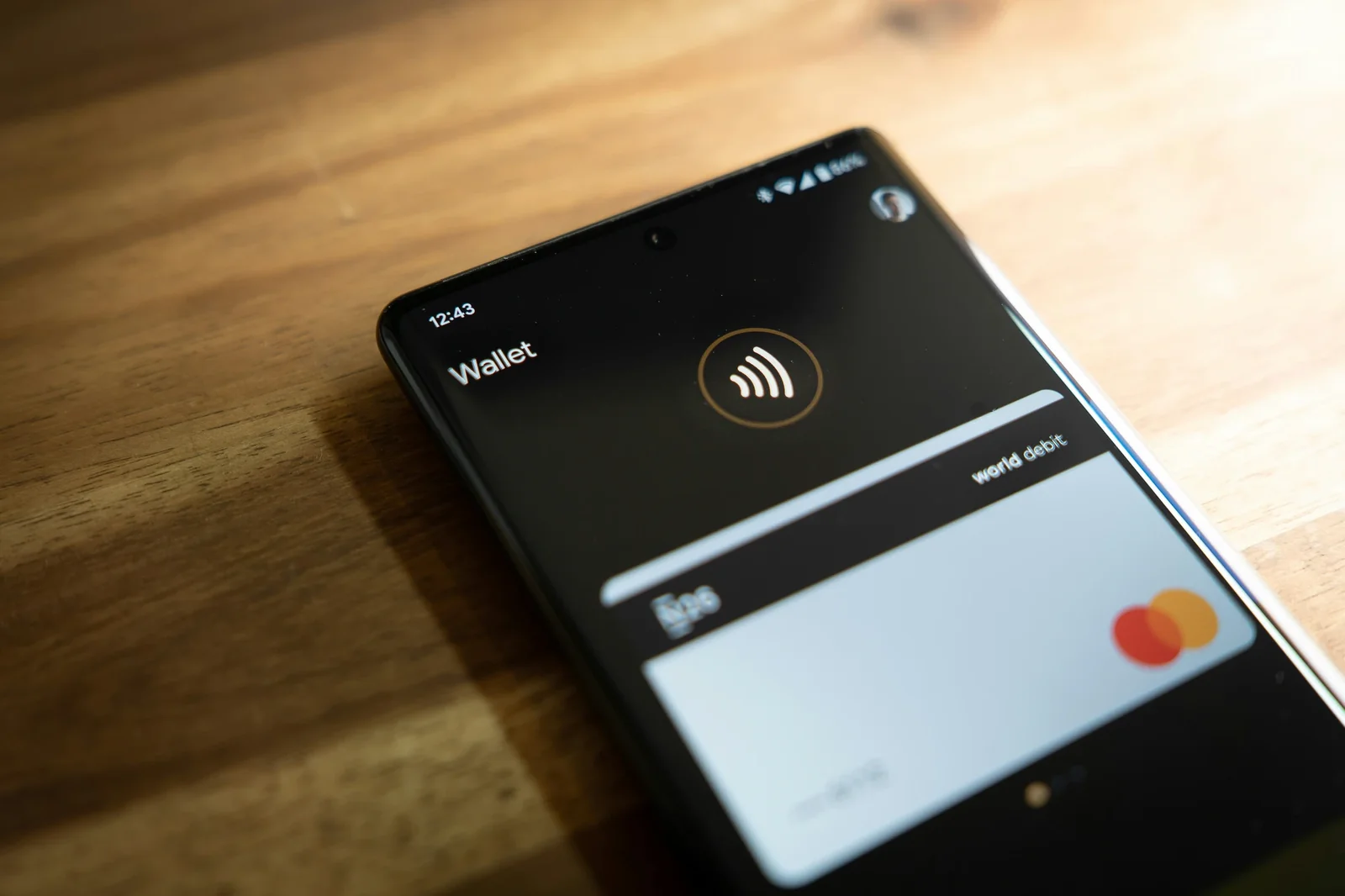
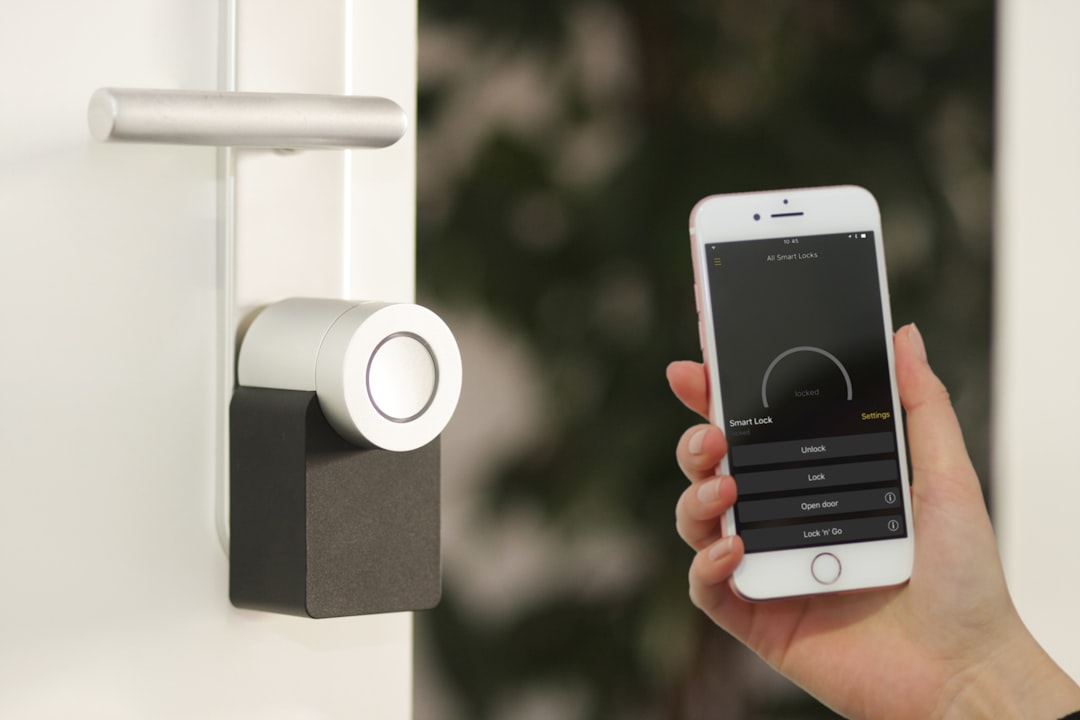
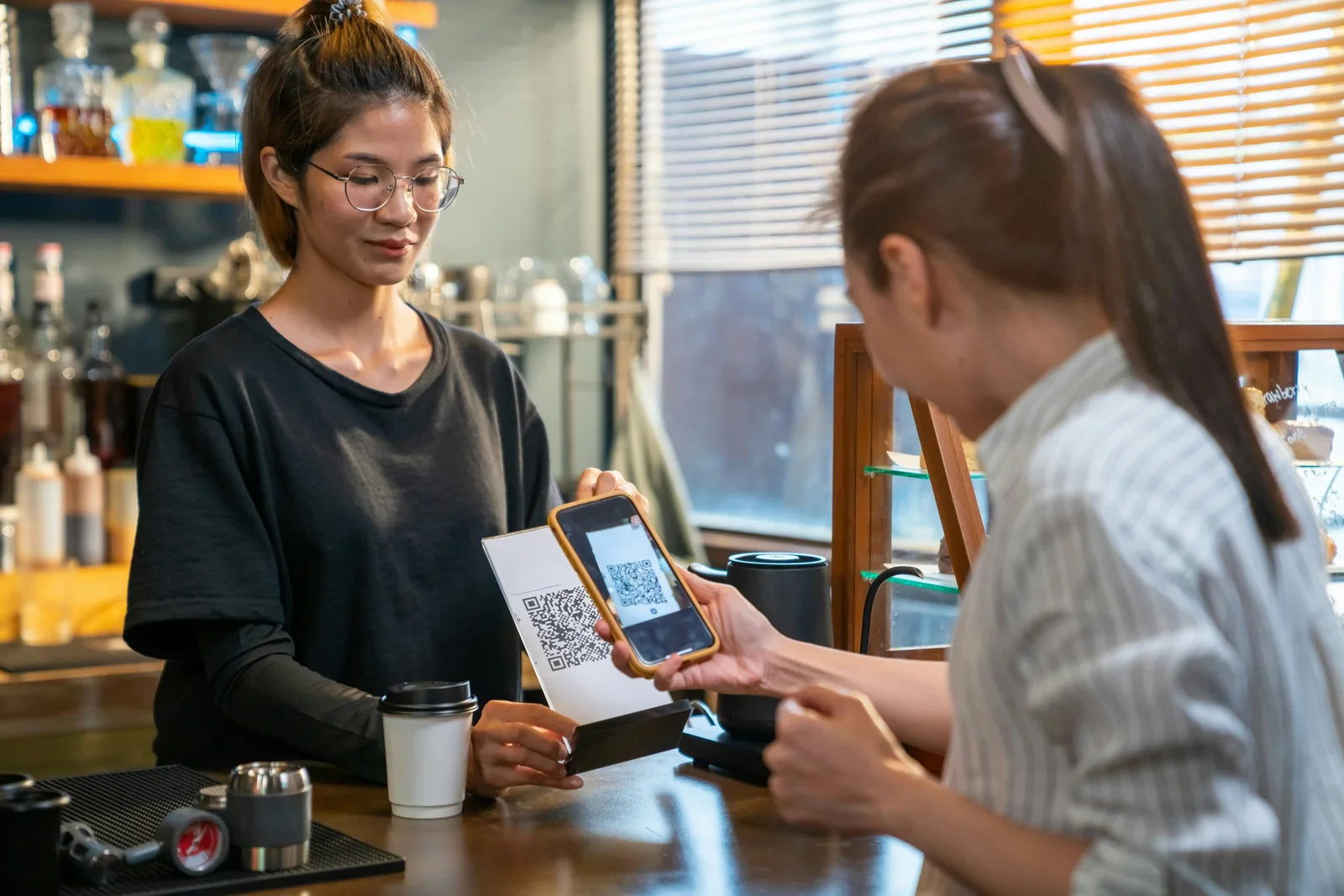
Perkstar gives independent pubs the same core marketing infrastructure that chain pub groups spend six figures building. Customers add a loyalty card to their Apple Wallet or Google Wallet by scanning a QR code on the bar, at the table, on a beer mat, or on the menu. No app download. Ten seconds. From that moment, you have a direct line to their phone — permanently.
For pubs, a points programme is the strongest primary mechanism. Points based on total spend (1 point per pound spent) reward food and drink equally, which is critical. The regular who spends £15 on three pints earns 15 points. The same regular who has the pie and a pint spends £28 and earns 28 points — nearly double. The programme doesn’t need to push food explicitly. It just makes eating in your pub more rewarding than drinking in your pub — and the maths does the rest.
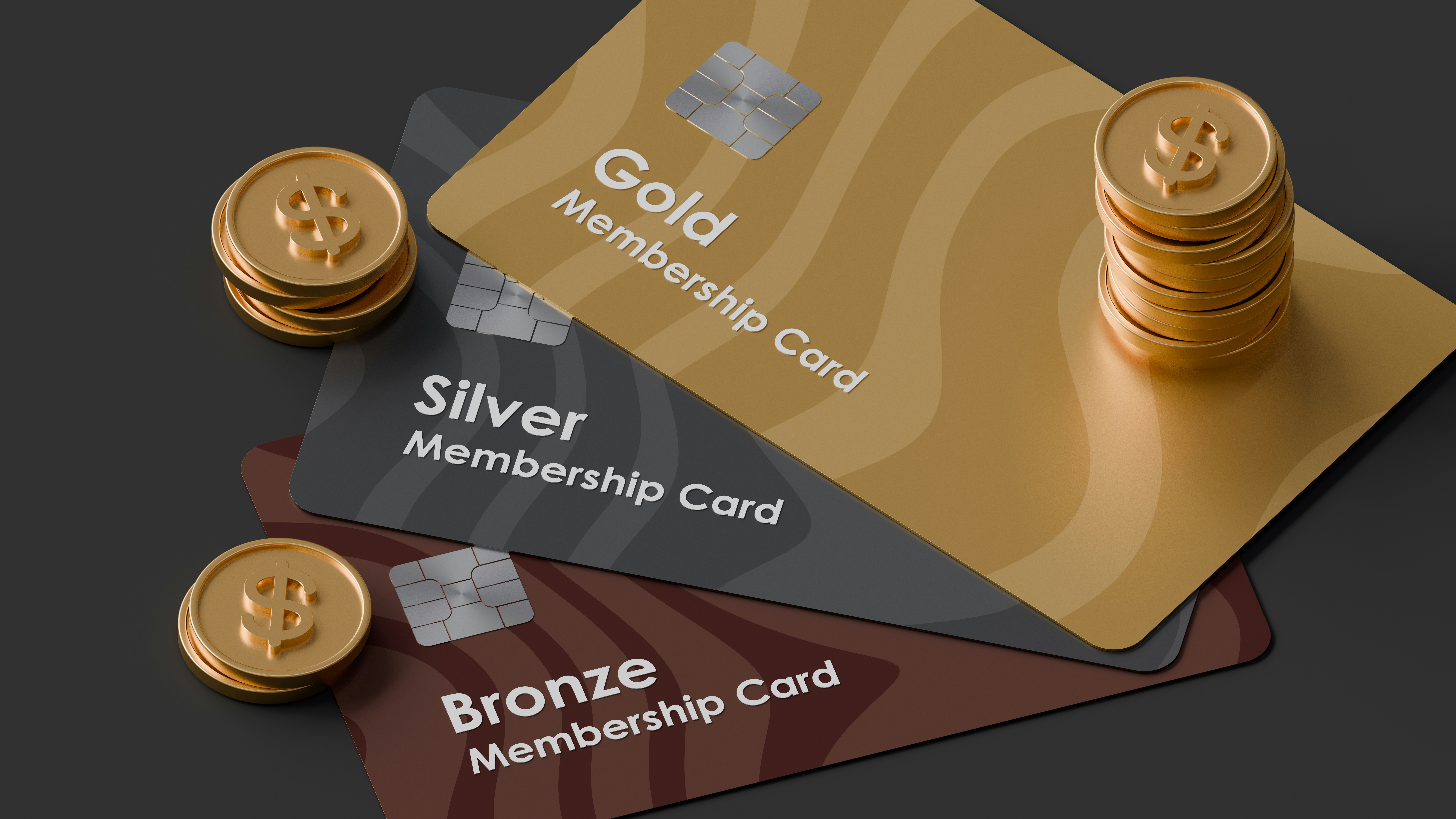
Perkstar supports eight card types. For pubs, the most valuable combinations include points for everyday spending alongside a stamp card for a specific initiative (a “steak night stamp” — eat six steaks, get the seventh free), a membership for your most committed regulars (a pub members’ club with priority booking, exclusive events, early access to seasonal menus, and a birthday pint on the house), and digital gift cards (“buy someone a round” or “treat someone to a Sunday roast” — popular for Father’s Day, birthdays, and Christmas).
The marketing toolkit is where Perkstar competes directly with chain pub loyalty. Unlimited push notifications go to lock screens. The most effective uses for pubs:
Thursday 4:30pm: “Friday night sorted? Live music, cold pints, your points waiting”
Saturday 10am: “Sunday roast tomorrow — lamb, beef, or chicken. Book your table — we sell out”
Tuesday 4pm: “Quiz night tonight — grab your team, grab a pint, earn double points”
Seasonal: “Beer garden is open! First sunny weekend of the year — we’re ready when you are”
Lapsed regular: “We haven’t seen you in a while — your stool misses you. Pop in this week for bonus points”
Geo-fenced notifications reach customers when they walk near your pub — powerful for pubs on busy streets or in town centres where people are deciding between venues.
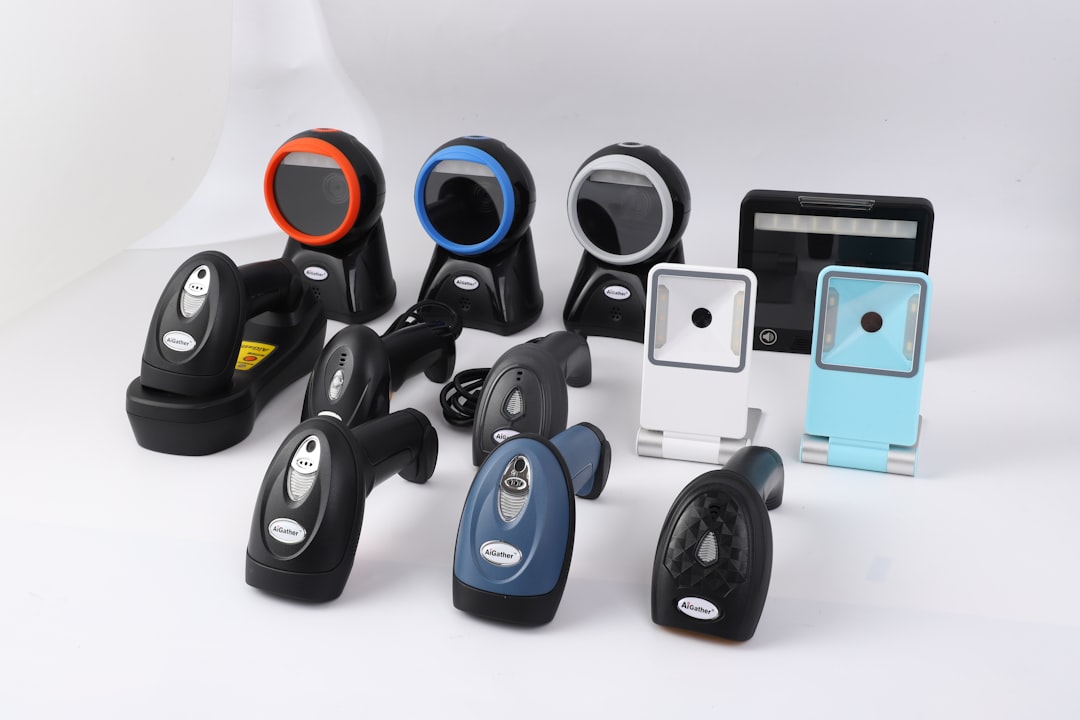
For busy service, the Scanner App lets staff scan the customer’s wallet card at the bar using a phone or tablet. Scanner App Pro connects a hardware barcode scanner for self-service — customers scan their own card at the bar or payment point. Auto-confirm makes it fully hands-free. For a pub doing 150+ transactions on a Saturday night, removing staff from the loyalty interaction keeps the bar moving. Scanner App Pro is exclusive to Growth and Scale plans (beta) — most competitors don’t offer self-service scanning.
The referral programme rewards customers who bring friends — and pubs are inherently social venues where one invitation generates a group. Google Review rewards build the search visibility that drives new footfall from “pub near me” and “best Sunday roast [your area]” searches. The CRM with behavioural segmentation lets you separate your drink-only regulars from your food-and-drink customers, your quiz-night crowd from your weekend-brunch visitors — targeting each with relevant offers.
Integrations with Mailgun and Twilio give you email and SMS. Pricing starts at £19 per month on the Starter plan, with a 7-day free trial requiring no credit card.
Start a free 7-day Perkstar trial
2. Square Loyalty
Best for: Pubs processing all payments through Square that want automatic loyalty tracking at the bar.
Square Loyalty integrates with Square POS. Customers earn points when they pay — no scanning, no extra step. During a packed Friday when the bar is three-deep, that zero-friction operation matters.
Points accumulate based on spend, and the analytics show visit patterns. For a pub running everything through Square that wants loyalty to operate invisibly, it’s the simplest setup.
The trade-offs are significant for a community pub. Customers can add an Apple Wallet loyalty pass, but contact is limited to automatic texts on earning and rewards — no push notifications for quiz night, live music, Sunday roast bookings, or beer garden openings, the promotional moments that matter most for pubs. No stamp cards for themed nights. No memberships. No referral programme. No Google Review rewards. No self-service scanning. No gift cards within the loyalty system. Pricing is £25, £45 or £65 per calendar month per location, by monthly loyalty visits.
3. Loopy Loyalty
Best for: Pubs that want a simple mobile wallet stamp card without POS dependency.
Loopy Loyalty delivers a digital stamp card through Apple Wallet and Google Wallet. No app download, real-time updates, branded card. For a pub that wants a “drink 8 times, get a free pint” stamp card with a persistent wallet presence, Loopy Loyalty works.
The wallet card keeps your pub visible between visits — a passive reminder every time the customer opens their wallet.
The limitations are significant for a pub. Messaging exists, but the programme is a stamp card — nothing in it is built around quiz nights, live music, Sunday roast bookings, or seasonal events, the marketing actions that most directly drive pub footfall. Staff add stamps at the counter rather than points on a spend rule, so there is no lever to push food alongside drinks. No memberships. No gift cards. No referral programme. The Stamper App is a staff-operated scanner, and you get customer insights and reporting rather than a full CRM. A stamp card alone is passive. For pubs, where the primary challenge is proactively generating midweek visits and food orders, that passivity misses the most important functions. A plain stamp card earns its keep where the visit itself is the product, which is roughly the case for digital stamp cards in ice cream shops.
4. Stamp Me
Best for: Pubs that want a familiar digital punch card with NFC tap capability.
Stamp Me digitises the paper stamp card. Customers collect stamps via QR code or NFC tap through the Stamp Me app. The NFC option is fast — a tap at the bar registers the stamp instantly. For a “visit 8 times, earn a free pint” programme, Stamp Me delivers the basic mechanic.
The friction is the app requirement — customers must download the Stamp Me app. On a busy night at the pub, downloading an app for a stamp card is nobody’s priority. Push notifications only reach the customers who installed the app, there’s no mechanism to incentivise food spending alongside drinks, and the tiers run £39, £49 and £129 a month after a 30-day free trial.
5. LoyalZoo
Best for: Pubs using a compatible POS that want loyalty running invisibly at the bar.
LoyalZoo integrates with several POS systems to add points-based loyalty at checkout. Points accumulate automatically when customers pay. Zero extra steps at the bar.
For a pub that wants loyalty without operational change, LoyalZoo adds that silently.
The downside: total invisibility between visits. No wallet card. Its SMS, email and push messaging can promote quiz night, Sunday roast, or the beer garden opening, but the card itself only exists at the point of sale — it rewards people who are already in your pub without leaving anything in their pocket between visits. For a pub where themed nights, Sunday roasts, and seasonal events are the primary revenue drivers beyond regular drinking, a POS-only system misses every opportunity to communicate those events directly.
Quick Comparison: Loyalty Apps for Pubs
Feature | Perkstar | Square Loyalty | Loopy Loyalty | Stamp Me | LoyalZoo |
|---|---|---|---|---|---|
Best pub fit | Wallet loyalty plus direct pub marketing | Pubs already using Square POS | Simple wallet stamp cards | App-based stamp cards with NFC | POS-linked loyalty |
Apple/Google Wallet | Yes - Apple Wallet, Google Wallet and PWA | Apple Wallet pass only | Yes | Limited; app-led | No - POS/account based |
Food and drink rewards | Yes - points, visits, stamps, memberships and prepaid bundles | Yes, through Square transactions | Mostly visit stamps | Mostly visit stamps | Yes, if the POS setup supports it |
Quiz nights, music and Sunday roasts | Scheduled wallet push notifications, plus SMS and email | Limited | Limited | Limited | Limited |
Bar staff workflow | Browser scanner, QR codes and wallet passes | Automatic with Square payments | Staff scanning/redeeming | QR or NFC through Stamp Me | POS-based |
Memberships, gift cards or prepaid visits | Membership, Gift and Multipass on Growth/Scale | Gift cards via Square ecosystem | No | No | Depends on setup |
Customer communication | Built-in push, SMS and email | Limited to Square tools | Wallet updates and messaging | App messages/notifications | Limited |
Main limitation | Newer platform with fewer public case studies | Best only if you use Square | Simpler stamp-card focus | App download adds friction | Less visible between visits |
Trial and pricing | 7-day free trial; from £19/mo (£15/mo yearly equivalent) | £25/£45/£65 per location per calendar month | Paid tiers; check current pricing | Paid tiers; check current pricing | Paid tiers; check current pricing |
Real-World Scenario: How a Loyalty Programme Turns a Village Pub From Struggling to Thriving
Feature tables compare platforms. This section shows what loyalty looks like from behind the bar on a Tuesday night that used to be empty and is now buzzing. That distinction holds anywhere repeat orders matter, since digital stamp cards for takeaways only earn their keep when something reminds the customer they exist.
Tom and Lisa run a village pub in Oxfordshire — a freehold they bought four years ago. Good beer, a solid kitchen, a beer garden, and a loyal but shrinking group of regulars. The pub seats 55 inside with 30 in the garden. Their problems are the same ones facing thousands of UK pubs right now.
Monday to Wednesday, the pub averages 15 customers per evening — barely enough to justify staying open. Thursday picks up for quiz night. Friday and Saturday are respectable but not full. Sunday roast does well but inconsistently — sometimes 35 covers, sometimes 18, with no way to predict or influence the number.
Their drink-only regulars — the weeknight pint crowd — spend an average of £12 per visit. Their food-and-drink customers spend £28. The maths is clear: converting even a small percentage of drink-only regulars into food customers would transform their weekly revenue. But getting Dave, who’s ordered the same three pints for a decade, to suddenly order the pie feels like pushing a boulder uphill. Owners weighing up which platform could make that conversion happen often start by comparing the best loyalty apps for pubs in 2026 before picking the tools that fit their bar.
They also have no way to promote their events beyond a poster in the window and an Instagram post. Quiz night, live music, steak night, the summer beer festival — all promoted to whoever happens to see them.
Week one — building the loyalty base at the bar. Tom places QR codes on beer mats (customers fiddle with them anyway — might as well make them useful), on table tents, at the bar, and on the menu. A chalkboard behind the bar reads: “Scan for free pints. Earn points on every visit.” Within three weeks, 160 customers have enrolled — a mix of regulars, semi-regulars, and weekend visitors. The beer-mat placement is the surprise performer: customers scan while waiting for their drink or chatting at the bar.
Tom sets up a points programme: 1 point per pound spent across food and drink.
Week one — the food incentive starts working immediately. Tom doesn’t need to explicitly push food. The points programme does it naturally. When a drink-only regular sees they’ve earned 12 points on their pints and realises they’d earn 28 if they had the pie too, the maths speaks for itself. Staff have a natural prompt: “You’re 15 points away from your reward — the pie would put you over.” Within the first month, 14 drink-only regulars order food for the first time. Seven become semi-regular food customers, adding food to roughly every other visit.
The revenue impact: those seven regulars now spend an average of £20 per visit (up from £12), visiting twice per week. That’s an additional £112 per week from seven people — £5,800 per year.
Over the next three months, the proportion of transactions that include food increases from 35% to 48% across the entire customer base. That shift — driven by points incentivising total spend — is the single most financially significant change the loyalty programme delivers.
Week two — quiz night goes from 4 teams to 10. Tom schedules a push notification every Tuesday at 3pm: “Quiz night tonight — prizes, pints, and double points for all quiz teams. 8pm start.” The notification reaches 160+ phones. Within a month, quiz night grows from 4 teams to 8, then to 10. A quiz team of four spending an average of £60 per team per night means 6 additional teams generate £360 per Tuesday — over £18,000 per year — from a single weekly push notification.
Tom adds a live music notification for Thursday and a steak-night notification for Wednesday. Each event, promoted via push notification to the entire loyalty base, draws measurably more customers than promotion via poster and Instagram alone.
Month one — Saturday morning roast notifications fill Sunday. Lisa schedules a push notification every Saturday at 10am: “Sunday roast tomorrow — lamb, beef, or chicken. Tables filling up — book now.” The notification creates urgency that a poster in the window never could. Sunday roast covers increase from an average of 23 to 34 within six weeks. At £16 per head (including a drink), those 11 additional covers generate £176 per Sunday — over £9,000 per year.
Lisa starts sending the Saturday notification religiously. Multiple customers tell her they now check their phone on Saturday morning specifically for the roast notification — it’s become part of their weekend routine.
Month two — the pub members’ club. Tom and Lisa launch a membership: “The [Pub Name] Club — £5 per month for a free pint on your birthday month, 10% off all food, priority booking for events, and early access to beer festival tickets.” The membership card lives in Apple Wallet alongside the loyalty card.
Twenty-two regulars sign up in the first month. That’s £110 per month in membership fees. But the real value is behavioural: membership holders visit more frequently (an average of 3.2 times per week versus 1.8 for non-members) and spend more per visit (the 10% food discount removes hesitation, and members order food far more consistently).
Month two — lapsed regulars get pulled back. Tom sets up an automated push notification for any customer who hasn’t visited in 7 days: “The [Pub Name] misses you — pop in this week and earn bonus points. First drink’s on your points balance.” In the first two months, 18 lapsed customers return. Several had started going to another pub or staying in. The notification caught them before the new habit solidified.
Month three — the beer garden notification changes spring. The first warm weekend of April arrives. Tom sends a push notification on Thursday afternoon: “Beer garden open this weekend — sunshine, cold pints, and your points waiting.” The notification reaches 220+ phones (the database has grown). Saturday is the busiest non-Christmas day of the year. Tom sells more lager in one weekend than in the entire previous month.
He repeats the weather-responsive notifications throughout summer. Each one drives a measurable spike in footfall — particularly among younger, less frequent customers who respond to the spontaneity of a sunny-day notification more than any event schedule.
Month three — referrals bring the neighbours. Tom activates the referral programme. Existing customers earn 20 bonus points for every friend who visits. He adds a line to the beer mats: “Love this pub? Bring a friend — you’ll both earn points.” In eight weeks, 30 new customers arrive through referrals — many from the same village or surrounding streets. Referrals become the pub’s most effective (and only free) new-customer channel.
Month three — Google Reviews change the search results. Tom turns on Google Review rewards. Customers who leave a review earn 10 bonus points. Over twelve weeks, the pub’s review count goes from 55 to 130 and the rating moves from 4.3 to 4.7. The pub starts appearing at the top of “pub near me” and “best Sunday roast [village/town]” searches. Weekend visitors and new families discover the pub through Google — customers Tom would never have reached through his existing network.
Father’s Day and Christmas — gift cards. Tom enables digital gift cards ahead of Father’s Day: “Buy dad a pint — or a roast, or a steak night.” Gift card sales around Father’s Day: £280. He promotes Christmas gift cards in November via push notification. December gift card sales: £520. Every redeemed card brings someone through the door — and they rarely spend only the card value.
After six months:
280+ loyalty members
Food-inclusive transactions up from 35% to 48% (£5,800+/year from 7 converted drink-only regulars alone)
Quiz night teams from 4 to 10 (~£18,000/year in additional quiz-night revenue)
Sunday roast covers from 23 to 34 (~£9,000/year in additional Sunday revenue)
22 pub members generating £110/month + higher visit frequency and food spend
18 lapsed regulars recovered
Beer garden notifications driving record sunny-weekend trade
30 new customers via referrals
Google rating 4.3 → 4.7 (reviews 55 → 130)
£800 in gift card sales (Father’s Day + Christmas)
Monthly cost: £15
Tom and Lisa didn’t renovate. Didn’t change the menu. Didn’t cut prices to compete with Wetherspoons. They built a system that rewards food alongside drinks, promotes every themed night directly to their customers’ phones, fills Sunday roasts through a Saturday morning notification, and turns their beer mats into a loyalty enrolment tool. The pub that was quietly struggling is now measurably thriving — and the monthly cost is less than a round of drinks.
Three Mistakes Pubs Make With Loyalty Programmes
1. Only rewarding drinks when food is where your margin lives. A stamp card that says “buy 8 pints, get one free” rewards your lowest-margin product and does nothing to encourage food orders. A points system that rewards total spend makes the customer who orders a pie and two pints earn nearly three times the points of the customer who just orders two pints. You don’t need to push food — the points programme creates the incentive naturally. The shift from drink-only to food-and-drink spending is the single most valuable thing a pub loyalty programme can achieve.
2. Promoting events on Instagram instead of through push notifications. Your quiz night poster reaches the people who walk past it. Your Instagram post reaches 5% of your followers. A push notification reaches 100% of your loyalty base — on their lock screen, at the exact time they’re deciding what to do tonight. For quiz nights, live music, steak nights, and every other themed event, push notifications outperform every other promotional channel by a significant margin. If your loyalty platform can’t send push notifications, it’s missing the feature that most directly drives pub event attendance.
3. Not running a Sunday roast notification on Saturday morning. Sunday roast is one of the most profitable services a pub can offer. But filling covers consistently requires reaching customers before they’ve made their Sunday plans. A push notification every Saturday at 10am — “Sunday roast tomorrow, tables filling up, book now” — creates urgency and drives advance bookings. Without it, you’re relying on walk-ins and hoping for the best. Pubs using Saturday morning roast notifications through Perkstar consistently report 30-50% increases in Sunday covers within the first month.
Ready to Try It at Your Pub?
If you want a loyalty programme that grows your food revenue, promotes every quiz night and steak night directly to your regulars’ phones, fills Sunday roasts through a Saturday notification, and competes with chain pub marketing from £19 per month — start a free 7-day Perkstar trial. No credit card required. Your personal account manager can set everything up, or you can build it yourself in an afternoon.
Most pubs are live within a day.