5 Best Loyalty Apps for Personal Trainers

5 Best Loyalty Apps for Personal Trainers in 2026
Every personal trainer knows the pattern. A new client starts in January, full of motivation. They buy a block of sessions, train three times a week, follow the nutrition plan, and make visible progress. By mid-February, the sessions drop to twice a week. By March, once a week. By April, they cancel the last three sessions in their package and say "I'll rebook when things calm down." They don't rebook. The transformation that was genuinely happening stops at 40% — and you've lost a client who was actually getting results.
That's the most frustrating part. Your clients don't leave because the training isn't working. They leave because the motivation faded, life got in the way, and nothing structural kept them on track. The plan was perfect. The results were visible. But without a system that reinforces the habit, rewards consistency, and reaches the client at the exact moment they're considering skipping Tuesday's session, even the best programme loses to the sofa. Climbing gyms lose members to the same quiet drift rather than to dissatisfaction, and loyalty apps for climbing gyms exist mainly to interrupt it.
A personal trainer sells the most perishable product in any service business: a one-hour slot that can never be resold once it passes. Every cancellation, every no-show, every lapsed client who meant to rebook but didn't — that's gone. You can't make it up. You can't sell it to someone else at 6pm on the same day. The hour just disappears, and so does the revenue.
A digital loyalty programme gives the client-trainer relationship the structure that motivation alone can't sustain. It rewards showing up. It sends a nudge at the exact moment the client might skip. It makes consistency feel like progress towards something tangible — not just another session they're paying for. And it turns every visible transformation into a referral opportunity that fills your diary without a single Instagram ad. Gyms face the same retention maths on a larger base, which is why a gym loyalty card in the UK rewards attendance rather than spend.
At Perkstar, we work with personal trainers, fitness professionals, and coaching businesses across the UK. We've seen what keeps clients training through the motivation dip and what doesn't. This guide covers the five loyalty apps that genuinely work for personal trainers in 2026.
Why Personal Trainers Have the Most Time-Sensitive Retention Challenge in Any Service Business
Personal training has a set of dynamics that make client retention both uniquely urgent and uniquely solvable through the right tools.
Every empty hour is money you can never recover. A PT who charges £50 per session and has two empty slots per week loses £5,200 per year. Those aren't theoretical losses — they're hours that could have generated income but didn't because a client cancelled, no-showed, or simply stopped booking. A loyalty programme that reduces cancellations and keeps clients on their training schedule protects more revenue than any marketing campaign.
The motivation curve is predictable — and a loyalty programme can flatten it. Research and industry experience tell the same story: most new fitness clients experience a significant motivation dip at six to eight weeks. The initial excitement fades, the novelty wears off, and the results — while real — aren't yet dramatic enough to sustain momentum on their own. An automated push notification at week six — "You've completed 15 sessions — that's incredible progress. Your reward is getting closer. Don't stop now" — catches the client at the exact moment the dip hits and reframes continuing as an achievement rather than an obligation.
Package sales are your most important financial mechanic — and loyalty accelerates them. A client paying per session can stop at any time. A client who's bought a 10-session package has committed financially and psychologically. A loyalty programme with a multipass (prepaid session blocks at a discount) converts pay-per-session clients into package buyers — and a push notification when a package is running low ("3 sessions left — rebook your next block and earn bonus points") prompts the repurchase before the client has time to reconsider.
Your competition isn't just other PTs — it's everything. You're competing with gym memberships at £25 per month. With Peloton and Apple Fitness+ at £12.99 per month. With free YouTube workout videos. With running, which costs nothing. With the sofa, which costs even less. A loyalty programme doesn't compete on price with any of these. It creates a value layer — reward progress, personal connection, structured achievement — that a subscription app can never replicate.
Visible transformations are your most powerful marketing asset — if you capture them. When a client's friends notice they've lost weight, built muscle, or look healthier, the "who's your PT?" conversation happens organically. A referral programme that's active during this window converts organic compliments into booked consultations — the highest-converting lead source in the fitness industry.
January is your acquisition window. February is your retention crisis. The New Year rush fills your diary. The February fall-off empties it. A loyalty programme doesn't solve the January surge (you don't need help filling slots in January). It solves the February and March retention that determines whether those new clients become six-month regulars or six-week dropouts.
The 5 Best Loyalty Apps for Personal Trainers
1. Perkstar
Best for: Personal trainers who want mobile wallet loyalty, session-consistency rewards, package repurchase prompts, and a referral programme that fills the diary from visible client transformations.
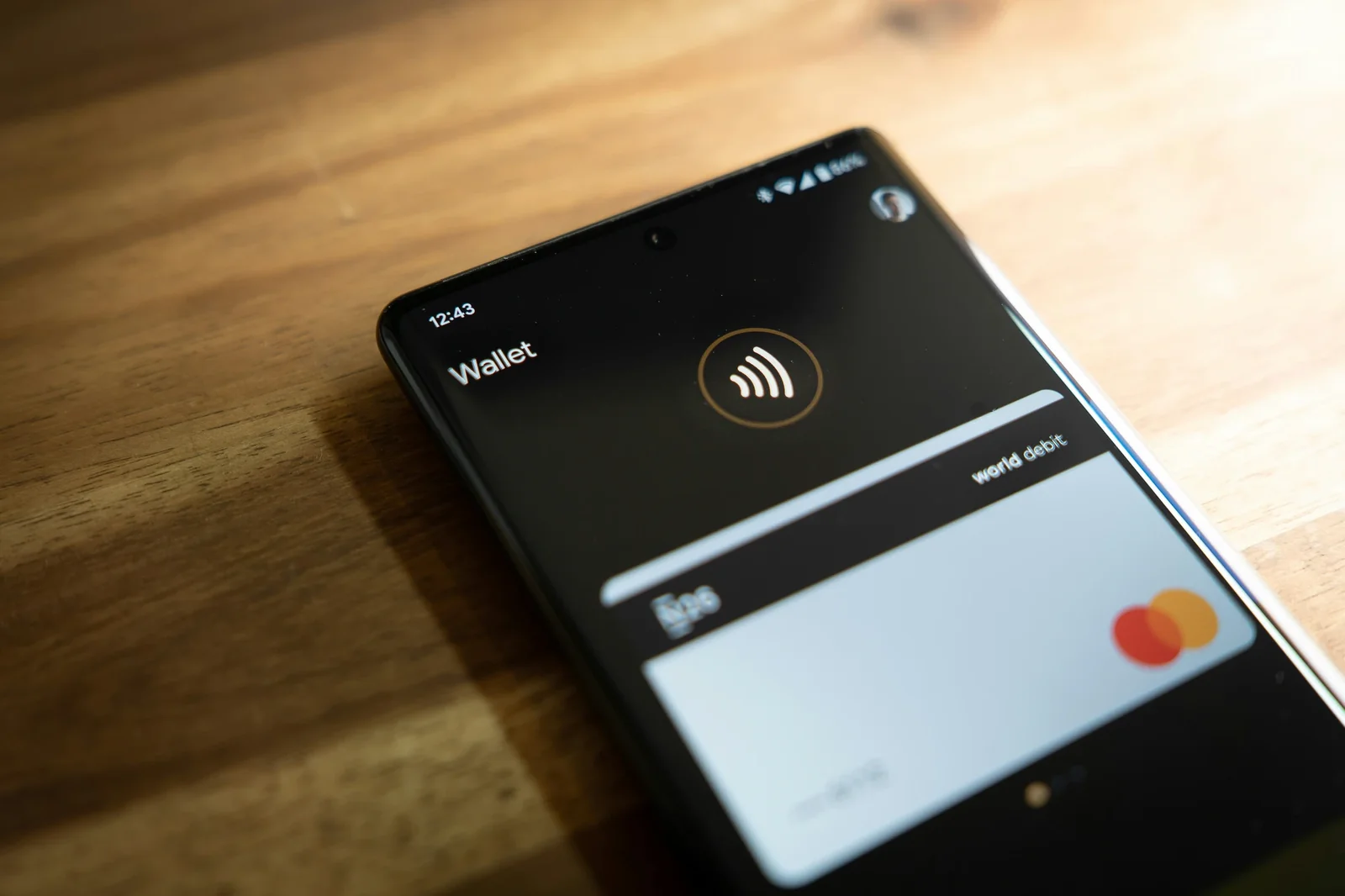
Perkstar gives personal trainers something that no fitness booking platform provides: a persistent, branded presence on every client's phone through Apple Wallet or Google Wallet, combined with the automated communication tools to keep clients training through the motivation dip. Clients add a loyalty card by scanning a QR code at the gym, in the studio, on your business card, or on the training plan you give them. No app download. Ten seconds. Sports clubs enrol members the same way at the desk, though loyalty apps for pickleball clubs tend to count court sessions rather than spend.
For personal trainers, the most effective approach layers multiple card types:
A stamp card for session consistency — "complete 10 sessions, earn a free one." The visual stamp progress creates a second layer of motivation on top of the fitness results. A client at 7 out of 10 stamps has two reasons to show up for Tuesday's session: the workout itself and the three stamps remaining until their free one. The stamp card makes skipping feel like a missed opportunity rather than just a missed hour.
A points programme (1 point per pound spent) captures the full relationship: PT sessions, small-group training, online programming fees, nutrition consultations, retail supplements or merchandise, and any other revenue stream. The points incentivise clients to consolidate their fitness spending with you rather than splitting it across multiple providers.
A multipass is one of the most powerful tools for a personal trainer. A prepaid block of 10 sessions at a discounted rate generates upfront cash flow, commits the client to a training programme, and removes the per-session buying decision that makes cancellation easy. A push notification when the multipass is running low — "3 sessions left on your package — rebook your next block and earn bonus points" — prompts the repurchase before the client falls out of the habit.
A membership for your most committed clients takes this further: a monthly direct debit covering a set number of sessions per week, with discounts on additional sessions, priority booking, and access to online programming. The membership converts a training programme from a "thing I buy" into a "thing I subscribe to" — which fundamentally changes the client's relationship with their training.
Digital gift cards work well for PTs: "give someone a training session" sells around New Year, birthdays, and as corporate wellness gifts.
The marketing toolkit addresses the personal trainer's retention challenges directly:
Motivation-dip interventions (automated, per-client):
Week 6: "You've completed 15 sessions — your body is changing. Keep going. Your reward is three sessions away"
After a missed session: "Missed one? No stress. But don't let it become two — your next session is waiting"
Package repurchase prompts:
"3 sessions left on your package — book your next block now and earn double points"
"Your package has expired — restart this week and earn bonus stamps"
Seasonal campaigns:
January: "New year, new training programme. Book your consultation — earn double points on your first package"
February (the critical month): "Six weeks in — this is where the real change happens. Triple points on all sessions this month"
Summer: "Summer body? It's built in spring. Book your programme now"
Lapsed client recovery:
"It's been three weeks since your last session. Your progress is too good to lose — come back this week for bonus points"
Geo-fenced notifications reach clients when they're near the gym or studio — a nudge at the moment they're physically close to where they train.
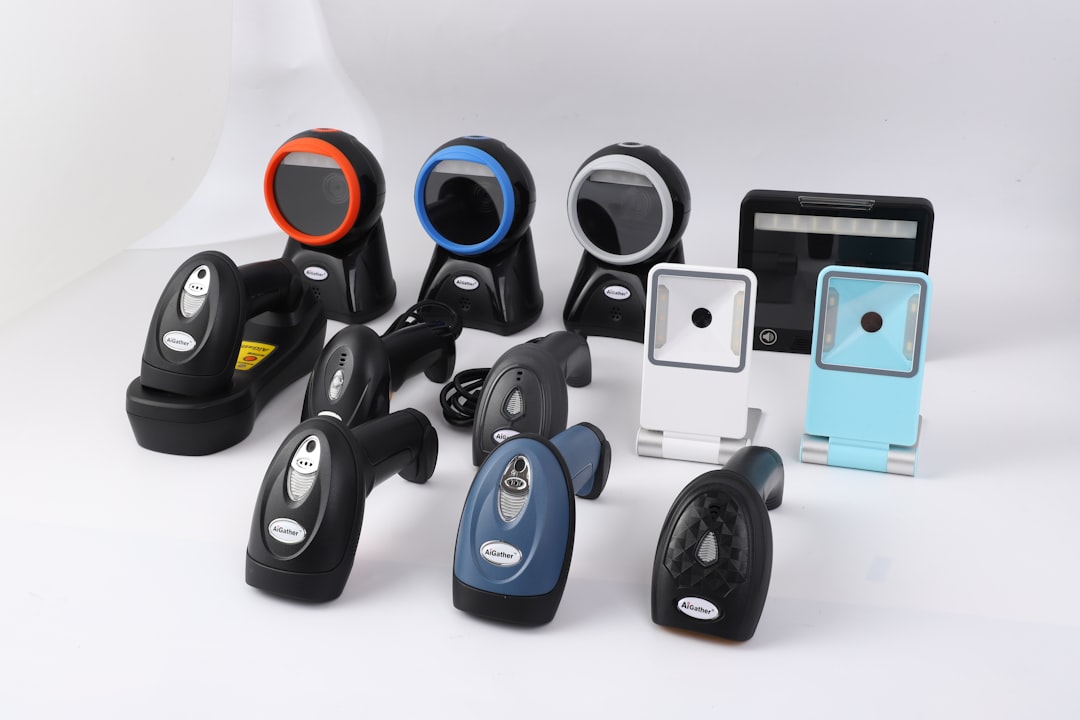
For gym and studio environments, the Scanner App lets you scan the client's wallet card on your phone after each session — three seconds while they're stretching. Scanner App Pro connects a hardware barcode scanner for self-service at the studio entrance or reception.
The referral programme captures the transformation conversation. When a client's colleagues, friends, or family notice the change — "you look great, what are you doing?" — the referral link rewards both the client and the new lead. This is the highest-converting lead source for any PT: a personal endorsement backed by visible evidence.
Google Review rewards build the credibility that drives new consultations from "personal trainer near me" searches. The CRM with behavioural segmentation lets you separate your three-times-a-week clients from your once-a-week visitors, your package holders from your pay-per-session clients, and your active clients from those showing signs of dropping off — messaging each with appropriate urgency and content.
Integrations with Mailgun and Twilio give you email and SMS. Pricing starts at £15 per month on a yearly plan, with a 7-day free trial requiring no credit card.
Start a free 7-day Perkstar trial
2. Mindbody
Best for: Personal trainers working within a gym or studio that uses Mindbody for scheduling, booking, and payments.
Mindbody is established in the fitness industry. It combines booking, scheduling, payments, staff management, and marketing into one ecosystem. The platform includes client retention tools, automated follow-ups, and membership management.
For a PT operating within a Mindbody-powered gym, the integrated approach keeps everything in one system. Client booking, attendance tracking, and payment all flow through the platform.
The loyalty features are limited compared to dedicated platforms. No Apple Wallet or Google Wallet integration for a branded loyalty card. No stamp cards for session consistency tracking. No push notifications to the client's lock screen for motivation-dip interventions or missed-session follow-ups (communication happens through email and the Mindbody app). No referral programme with reward tracking. No Google Review rewards. No self-service scanning. Pricing reflects the full business management suite.
For PTs committed to the Mindbody ecosystem, the built-in tools work. For those who want loyalty to actively intervene during motivation dips, reward session consistency, and generate referrals from visible transformations, a dedicated platform alongside Mindbody outperforms.
3. Square Loyalty
Best for: Personal trainers processing all payments through Square that want automatic loyalty tracking.
Square Loyalty integrates with Square POS. Clients earn points when they pay — no scanning, no extra step. Points accumulate based on spend.
For a PT running everything through Square that wants the simplest loyalty, it works.
The trade-offs are critical for a retention-dependent business. Only Square's own Apple Wallet pass, with nothing else on the client's phone between sessions to reinforce the training habit. No push notifications for motivation-dip interventions, missed-session follow-ups, or package repurchase prompts — the features that most directly prevent client drop-off. No stamp cards for session tracking. No multipass for prepaid blocks. No membership management. No referral programme. No Google Review rewards.
4. Loopy Loyalty
Best for: Personal trainers that want a simple mobile wallet stamp card without system dependency.
Loopy Loyalty delivers a digital stamp card through Apple Wallet and Google Wallet. No app download, real-time updates, branded card. For a PT who wants a "complete 10 sessions, earn a free one" programme with a persistent wallet presence, Loopy Loyalty works.
The stamp card's visibility on the client's phone between sessions creates a passive motivational prompt — a reminder that they're building towards something.
The limitations are significant. Push messaging is available for motivation-dip messages, missed-session recovery, or package repurchase. No points for rewarding spending beyond sessions. No multipass or membership. No referral programme. No Google Review rewards. No CRM. A stamp card addresses the reward mechanic but can't intervene during the week-six motivation dip or recover a lapsed client — the two highest-value functions a PT loyalty programme can serve.
5. Vagaro
Best for: Personal trainers who want an all-in-one booking, payment, and client management platform with basic loyalty features.
Vagaro combines booking, payments, client management, and marketing. The platform includes a loyalty programme and is used by some fitness professionals. Client records track training history and programme notes. Pilates studios argue the same point one level up, where membership or class pass decides whether a missed week still costs the client money.
The all-in-one approach consolidates tools. For a PT running a busy practice, having scheduling and loyalty in one place reduces complexity.
The loyalty feature is secondary to the booking system. No Apple Wallet or Google Wallet integration. Push notifications limited to the Vagaro app. No session-consistency stamp cards. No motivation-dip automated messages. No multipass for prepaid packages. No referral programme. No Google Review rewards. Engagement depends on clients using the Vagaro app.
Quick Comparison: Loyalty Apps for Personal Trainers
Feature | Perkstar | Mindbody | Square Loyalty | Loopy Loyalty | Vagaro |
|---|---|---|---|---|---|
Apple Wallet & Google Wallet | ✅ | ❌ | ❌ | ✅ | ❌ |
Card Types | 8 (Stamp, Points, Membership, Multipass, Discount, Coupon, Cashback, Gift Cards) | Memberships (within platform) | Points only | Stamps only | Points/rewards |
Session Consistency Stamp Card | ✅ | ❌ | ❌ | ✅ | ❌ |
Motivation-Dip Notifications (week 6-8) | ✅ (automated push) | Email follow-up | ❌ | ❌ | Within Vagaro app |
Missed Session Recovery | ✅ (automated push to lock screen) | Email/SMS | ❌ | ❌ | Within Vagaro app |
Prepaid Session Multipass | ✅ | ❌ | ❌ | ❌ | ❌ |
Monthly Training Membership | ✅ | ✅ (within platform) | ❌ | ❌ | ❌ |
Package Repurchase Prompts | ✅ (push notification) | ❌ | ❌ | ❌ | |
Push Notifications to Lock Screen | ✅ Unlimited & Geo-Fenced | Within Mindbody app | Limited | ✅ | Within Vagaro app |
Digital Gift Cards | ✅ | Within platform | Via Square ecosystem | ❌ | ❌ |
Referral Programme | ✅ | ❌ | ❌ | ❌ | ❌ |
Google Review Rewards | ✅ | ❌ | ❌ | ❌ | ❌ |
Birthday Rewards | ✅ Automated | Limited | ❌ | ❌ | ❌ |
Behavioural Segmentation | ✅ Advanced (3x/week vs 1x/week vs package vs pay-per-session vs lapsed) | Client records | Basic | Basic | Basic |
Works for Independent/Mobile PTs | ✅ | ✅ | Requires Square hardware | ✅ | ✅ |
Full Scheduling & Booking | ❌ (loyalty-focused) | ✅ | ❌ | ❌ | ✅ |
Email & SMS Integration | ✅ (Mailgun & Twilio) | Within platform | Limited | ❌ | Within Vagaro |
Requires App Download | ❌ | ✅ (Mindbody app) | ❌ (POS-based) | ❌ | ✅ (Vagaro app) |
Free Trial | 7 days (no card required) | Varies | 30 days | ✅ | 30 days |
Starting Price | From £15/mo (yearly) | From $139/mo | From $13/mo (usage-based) | From $25/mo | From $25/mo |
Real-World Scenario: How a Loyalty Programme Keeps Clients Training Through the Motivation Dip and Fills a PT's Diary Year-Round
Feature tables compare platforms. This section shows what loyalty looks like at 6am when the alarm goes off and your client is deciding whether to get up and train — or hit snooze.
Jess is an independent personal trainer working from a small private studio in Cambridge. She trains 25 clients per week across 30 available session slots — a mix of one-to-one training, couples sessions, and a small group class. She charges £50 for a one-to-one and £35 per person for pairs. Her training programmes get results. Her clients who stick with it for six months transform visibly. Sticking with it is the whole problem, and digital membership cards for fitness businesses exist mainly to make attendance visible before a client drifts.
The problem: most of them don't stick with it for six months.
Jess's average client retention is 14 weeks. That means the typical client buys two or three 10-session packages and then stops — right at the point where the initial motivation fades and the results, while real, haven't yet become dramatic enough to sustain themselves. She estimates that 40% of her clients drop off between week six and week twelve. Each one represents roughly £2,500-3,000 in lost annual revenue if they'd continued training at two sessions per week.
She also has a January problem. Her diary fills completely in January and early February with New Year's resolution clients. By March, 60% of the January joiners have stopped. She's back to 20 filled slots out of 30. The same cycle repeats every year.
Her referral pipeline is organic but unstructured. Clients who transform visibly get comments from friends and colleagues. Some of those conversations lead to enquiries. Most don't, because there's no mechanism to follow through.
Month one — enrolling clients through the training relationship. Jess gives every client a small card with a QR code at their first session. "Scan this — it goes in your phone wallet. You'll earn stamps on every session and points towards free training." She also places a QR code on the studio wall and on the training programmes she sends digitally.
Within four weeks, 22 of her 25 active clients have enrolled. The first-session hand-off is the most effective placement — the client is engaged, motivated, and receptive.
She sets up a stamp card ("every 10th session is free"), a points programme (1 point per pound spent), and a multipass (10 sessions for £450, saving £50).
Month one — the six-week intervention. Jess configures an automated push notification to fire at key milestones:
After session 5: "5 sessions down — you're building a habit. Keep going, your stamp is halfway there"
After session 10: "10 sessions — you should be feeling the difference. Your free session is getting closer"
After session 15: "15 sessions in. This is where the transformation becomes visible. Don't stop now"
She also sets up a missed-session notification that fires 48 hours after any missed appointment: "Missed your session? No judgement. But consistency is where the magic happens — rebook now and earn your stamp."
The impact is measurable within two months. Client retention at the 14-week mark improves noticeably. Clients who would have previously cancelled sessions in weeks six to eight rebook after receiving the milestone notification. The missed-session prompt recovers approximately three to four sessions per week that would have been lost to no-shows or cancellations.
Over a year, the improved retention represents the most significant financial change in Jess's business. If 40% of clients previously dropped off at week six to twelve, and even half of those are retained for an additional eight to twelve weeks through milestone notifications and missed-session recovery, the additional revenue is substantial — potentially £15,000-20,000 per year from clients who were already training with her and simply needed the nudge to continue.
Month one — the multipass converts pay-per-session clients. Jess promotes the multipass via push notification to her pay-per-session clients: "Ready to commit? Save £50 with a 10-session block. Pay once, train consistently, earn your stamps faster."
Six clients buy the multipass in the first month. That's £2,700 in upfront revenue. Multipass clients train more consistently than pay-per-session clients because the sessions are "already paid for." The internal debate of "should I spend £50 this week?" is eliminated. Over two months, multipass holders average 2.3 sessions per week versus 1.6 for pay-per-session clients. More sessions, better results, longer retention.
Month two — the February crisis doesn't happen. Jess's January fills as usual — eight new clients sign up. In previous years, five of those eight would have stopped by March. This year, Jess enrolls all eight into the loyalty programme on day one and sets their milestone notifications running immediately.
At week six (mid-February), four of the eight new clients receive their "5 sessions down, you're building a habit" notification on a morning when they're considering whether to go to the studio. Three show up. Without the notification, Jess estimates at least two would have started the cancellation drift.
By week twelve (late March), six of the eight January clients are still training. That's a 75% retention rate versus the usual 40%. Three have bought multipasses. The February crisis — the annual pattern that has defined Jess's business for years — is measurably reduced. The same commitment effect shows up at events, where loyalty programmes that lift repeat attendance work by securing the next booking before the current one ends.
Month two — the membership converts the committed. Jess launches a membership: £180 per month for two sessions per week, priority booking, free programme updates, and 10% off any additional sessions. She targets it at clients who've completed at least 20 sessions.
Four clients sign up. That's £720 per month in guaranteed recurring revenue — revenue that arrives in August (her quietest month) just as reliably as in January. Membership clients never cancel individual sessions (they've paid for the month), which means Jess's diary stability improves dramatically. The membership effectively guarantees eight filled slots per week, regardless of season.
Month two — referrals capture the transformation conversation. Jess activates the referral programme. She sends a push notification to clients who've been training for 12+ weeks — the window when visible changes are becoming undeniable: "Friends noticing the difference? Refer someone for a consultation — you'll both earn a free session."
The timing is deliberate. At 12+ weeks, clients are getting compliments. Colleagues are asking "what are you doing?" Friends are noticing energy and confidence changes. The referral link gives the conversation a mechanism that "I'll send you her number" never does.
In eight weeks, 12 new consultation bookings arrive through referrals. These are the highest-quality leads Jess has ever received. Referred clients convert to training at 85% (versus 50% from Instagram enquiries), commit to longer packages on average, and retain for longer — because they arrive with visible proof of results and a personal endorsement from someone they trust.
The cost of the referral programme: 12 bonus-point rewards. The value of 12 referred clients who each train for an average of six months at two sessions per week: over £30,000 in projected revenue.
Month three — Google Reviews change the consultation enquiries. Jess turns on Google Review rewards. Clients who leave a review earn 25 bonus points. She encourages specifics: "If you could mention your results and experience, it really helps people find the right trainer."
Over twelve weeks, her review count goes from 10 to 45, and her rating holds at 5.0. The reviews are detailed and results-specific: "I've trained with Jess for four months and lost 12kg — the programmes are challenging but she keeps you accountable" and "best money I've ever spent on my health."
For "personal trainer near me" and "PT Cambridge" searches, Jess now appears at the top. New consultation enquiries from organic search increase by approximately 40%. Several new clients mention specific reviews as the reason they booked.
Month three — seasonal campaigns and gift cards. Jess sends a pre-summer campaign in April: "Summer starts now — 12 weeks of consistent training will change everything. Book your programme and earn double points." She enables digital gift cards: £50 (single session), £150 (3 sessions), and £450 (10-session block). "Give someone the gift of fitness" sells around New Year, birthdays, and as corporate wellness gifts.
Gift card sales in the first six months: £1,200. Several gift card recipients become ongoing clients.
After six months:
35+ loyalty members (from a 25-client active base, plus new additions)
Client retention at 14-week mark improved significantly (February crisis measurably reduced)
January client retention 75% versus previous 40%
3-4 sessions per week recovered from missed-session prompts
6 multipass holders: £2,700 upfront + improved training consistency
4 membership subscribers: £720/month recurring (8 guaranteed weekly slots)
12 referred clients: £30,000+ in projected revenue, 85% conversion rate
Google rating 5.0 (reviews 10 → 45), consultation enquiries up ~40%
£1,200 in gift card sales
Monthly cost: £15
Jess didn't change her training methods. Didn't lower her prices. Didn't hire an assistant. She built a system that catches clients at the week-six motivation dip with a milestone notification, recovers missed sessions within 48 hours, converts the "you look great — who's your PT?" conversation into a booked consultation, and locks her best clients into monthly memberships that guarantee filled slots year-round. The diary that used to empty every March now stays consistently full — because the loyalty programme keeps clients training through the exact moment when, historically, they would have stopped.
Three Mistakes Personal Trainers Make With Client Retention
1. Not intervening at the six-to-eight-week motivation dip. The pattern is predictable: initial enthusiasm, gradual decline, dropout. An automated milestone notification at sessions 5, 10, and 15 — celebrating progress, reinforcing the habit, and reminding the client of their approaching reward — catches the dip before it becomes a cancellation. Without intervention, the dip becomes a cliff. With it, most clients push through to the point where visible results sustain their own motivation.
2. Selling sessions instead of packages. A pay-per-session client makes a buying decision every single time they train. A package buyer has already committed. The multipass (10 sessions, prepaid, discounted) removes the per-session friction and dramatically improves training consistency. Clients who've prepaid show up more regularly because the financial decision is behind them. For any PT with a diary that fluctuates week to week, converting pay-per-session clients to package buyers is the single most stabilising business change.
3. Not capturing referrals from visible transformations. Your clients who've trained for three to four months are your best marketing asset. Their friends can see the results. The "who's your PT?" conversation is happening. But without a referral programme with a shareable link and a reward, most of those conversations end with "I'll send you the number" — and nobody follows through. A referral programme gives the conversation a mechanism and an incentive. Referred PT clients convert at dramatically higher rates than any other lead source because they arrive with visible evidence that your training works.
Ready to Try It at Your PT Business?
If you want a loyalty programme that catches the motivation dip before clients drop off, converts pay-per-session clients to committed package buyers, fills your diary through transformation-driven referrals, and builds the Google reviews that drive consultation enquiries — start a free 7-day Perkstar trial. No credit card required. Your personal account manager can set everything up, or you can do it yourself in an evening.
Most personal trainers are live within a day.