5 Best Loyalty Apps for Tattoo & Piercing Shops in 2026

5 Best Loyalty Apps for Tattoo & Piercing Shops in 2026
A tattoo client doesn't buy a product. They buy a permanent decision. They've spent weeks or months thinking about it. They've scrolled through your portfolio at 2am. They've shown the design to their friends. By the time they sit in your chair, the trust they've placed in you is deeper than in almost any other service relationship.
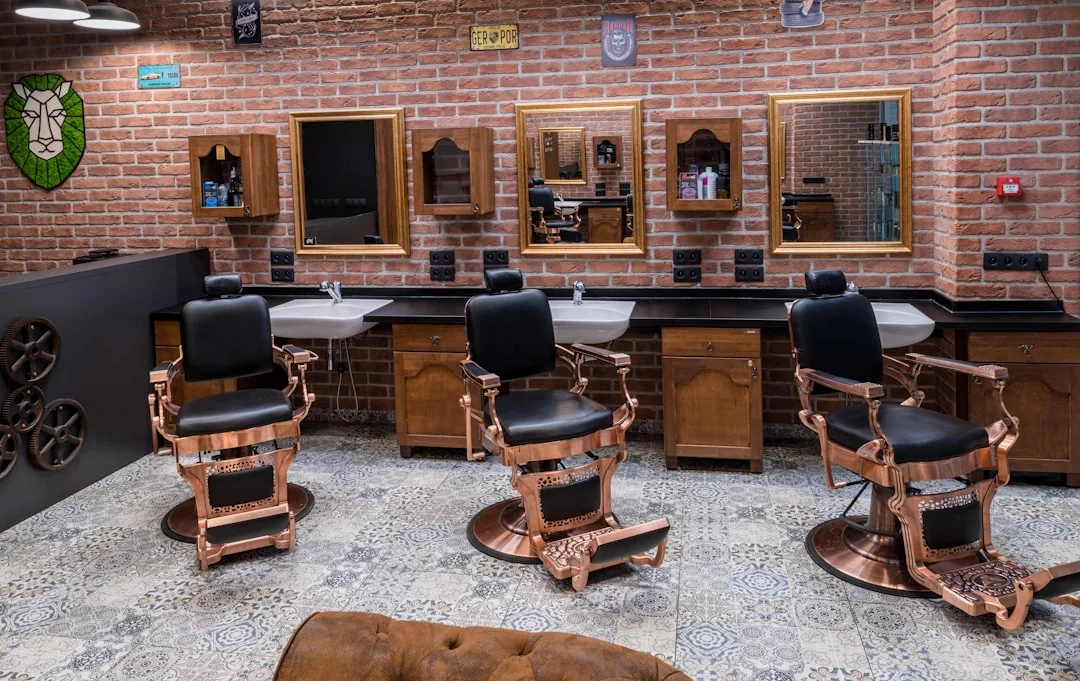
That trust is the most valuable business asset a tattoo and piercing shop owns. A client who trusts their artist doesn't go elsewhere for their next piece. They don't price-shop. They don't compare portfolios when they've already seen yours transform their body. They come back. Barbers trade on the identical bond, and a barber's own client list is what stops that trust walking out with a departing stylist.
The problem is that "coming back" can take a year. Or two. Or five. Tattoo clients don't visit monthly like a salon client or weekly like a coffee shop regular. They visit when they're ready for their next piece — and that timeline is unpredictable, personal, and entirely in their own hands. The gap between tattoos can be three months or three years.
During that gap, you have no way to reach them. No way to show them new work that might inspire their next piece. No way to remind them that you're booking for the summer. No way to prompt the "I should get another one" thought that eventually brings them back. Your Instagram might reach them — if the algorithm allows it. Your email might land — if they check it. But there's no guaranteed channel that puts your latest work on their phone and keeps the relationship alive between pieces.
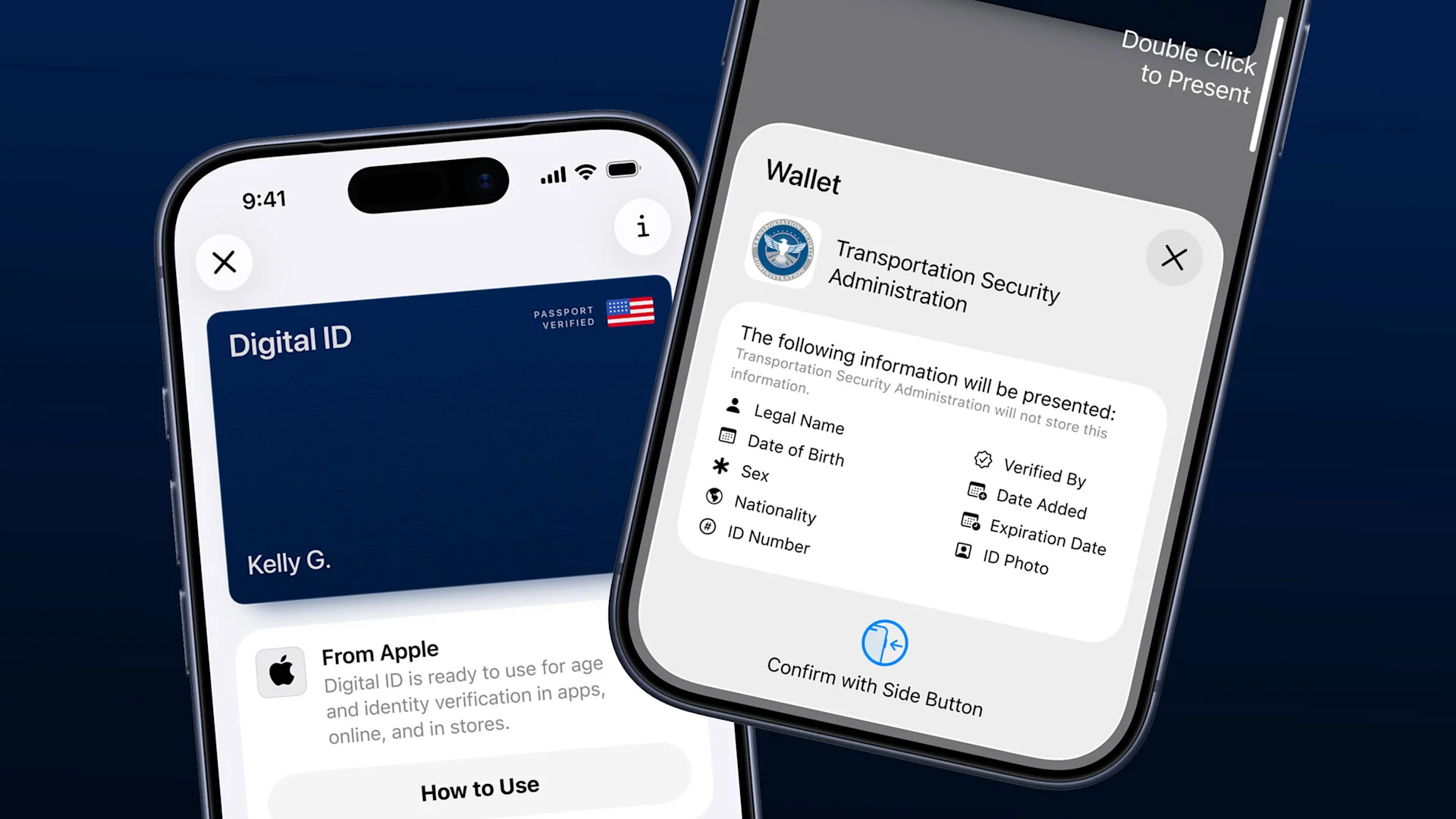
A digital loyalty programme gives tattoo and piercing shops something the industry has never had: a permanent, direct connection to every client who's ever sat in your chair. It rewards the clients who come back for more ink, promotes new artist availability and booking windows, drives piercing and aftercare revenue between tattoo appointments, and turns the "who did your tattoo?" conversation into a structured referral system that fills your booking calendar.
At Perkstar, we work with tattoo studios, piercing shops, and body art businesses across the UK. We've seen which approaches keep clients connected across the long gaps between pieces. This guide covers the five loyalty apps that genuinely work for tattoo and piercing shops in 2026.
Why Tattoo & Piercing Shops Have the Most Trust-Dependent — and Most Referral-Driven — Business Model in Any Service Industry
Tattoo and piercing shops operate under dynamics that no other business shares. The loyalty strategy needs to account for all of them.
The gap between purchases is the longest in any service business — and the most dangerous. A tattoo client might wait six months, a year, or longer between pieces. During that gap, they might discover a new artist on Instagram, a friend might recommend someone else, or they might simply lose the itch. A push notification showing your latest work — "New piece by [artist name] — bookings open for summer" — lands on their phone during the gap and reignites the desire. It keeps the conversation alive when nothing else does.
Piercing is your high-frequency, high-margin bridge product. Most tattoo shops also offer piercings — and piercings have a completely different purchase dynamic. They're lower in cost (£20-50 versus £150-500+ for tattoos), faster to decide on, and often impulsive. A client who got tattooed six months ago might come in for a piercing next month — if something prompts them. Piercing promotions, jewellery upgrades, and aftercare product reminders fill the revenue gaps between tattoo appointments.
Aftercare products are a recurring revenue stream most shops ignore. Tattoo aftercare (specialist balms, moisturisers, SPF for healed tattoos) and piercing aftercare (saline solution, cleaning sprays, titanium jewellery upgrades) generate modest but consistent revenue — if clients know you sell them and are reminded to repurchase. A push notification at four weeks after a tattoo — "Your tattoo's healing nicely — time to switch to long-term aftercare. Earn points on all products" — drives sales that would otherwise go to Amazon.
"Who did your tattoo?" is the most powerful referral question in any industry. When someone sees a beautiful tattoo and asks who did it, that recommendation carries more weight than any other personal service referral. The client is looking at permanent proof of quality on someone's body. A referral programme that rewards the "who did yours?" conversation converts organic admiration into booked consultations.
Gift cards are one of your most valuable revenue tools. "Give someone a tattoo" is one of the most exciting gift concepts available — birthdays, Christmas, milestones, celebrations. Tattoo gift cards consistently rank among the most popular experience gifts in the UK. Digital gift cards that can be purchased and sent from a phone in under a minute capture every impulse gift purchase that your current process might miss.
Google reviews determine whether new clients trust you with permanent body art. The research process for choosing a tattoo artist is among the most thorough in any industry. Potential clients study portfolios, read reviews, assess hygiene and professionalism, and look for specific style matches. A 4.9-star rating with 100+ detailed reviews provides the trust that converts a hesitant browser into a booked consultation.
Walk-in piercing traffic funds your tattoo art. Many tattoo shops rely on walk-in piercings for consistent daily revenue while tattoo appointments — which are booked weeks or months in advance — generate the larger but less frequent income. A loyalty programme that drives walk-in piercing traffic through promotions and geo-fenced notifications keeps the daily revenue flowing.
The 5 Best Loyalty Apps for Tattoo & Piercing Shops
1. Perkstar
Best for: Tattoo and piercing shops that want mobile wallet loyalty, long-gap client re-engagement, piercing-and-aftercare revenue tools, and a referral programme built for the "who did your tattoo?" conversation.
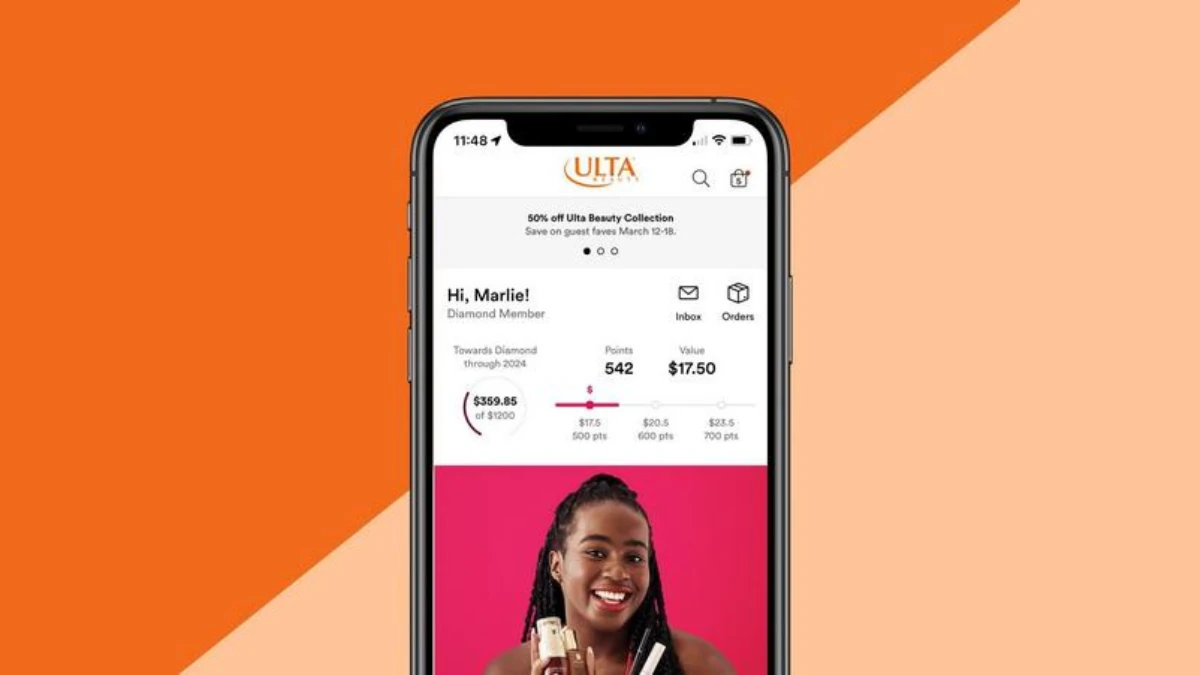
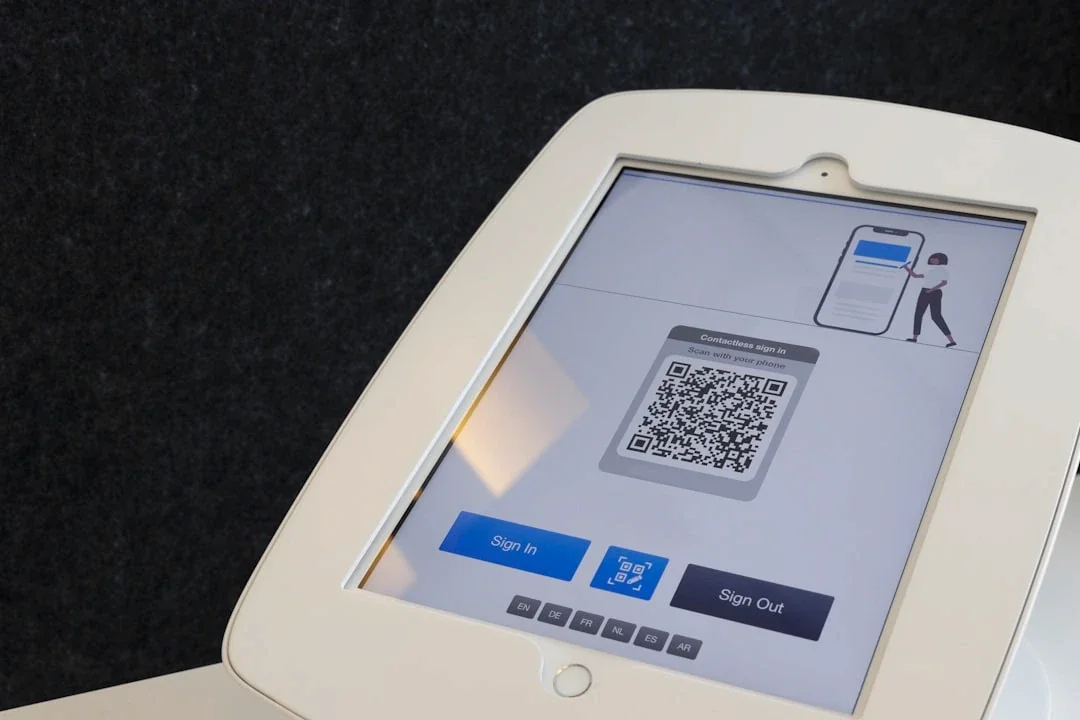
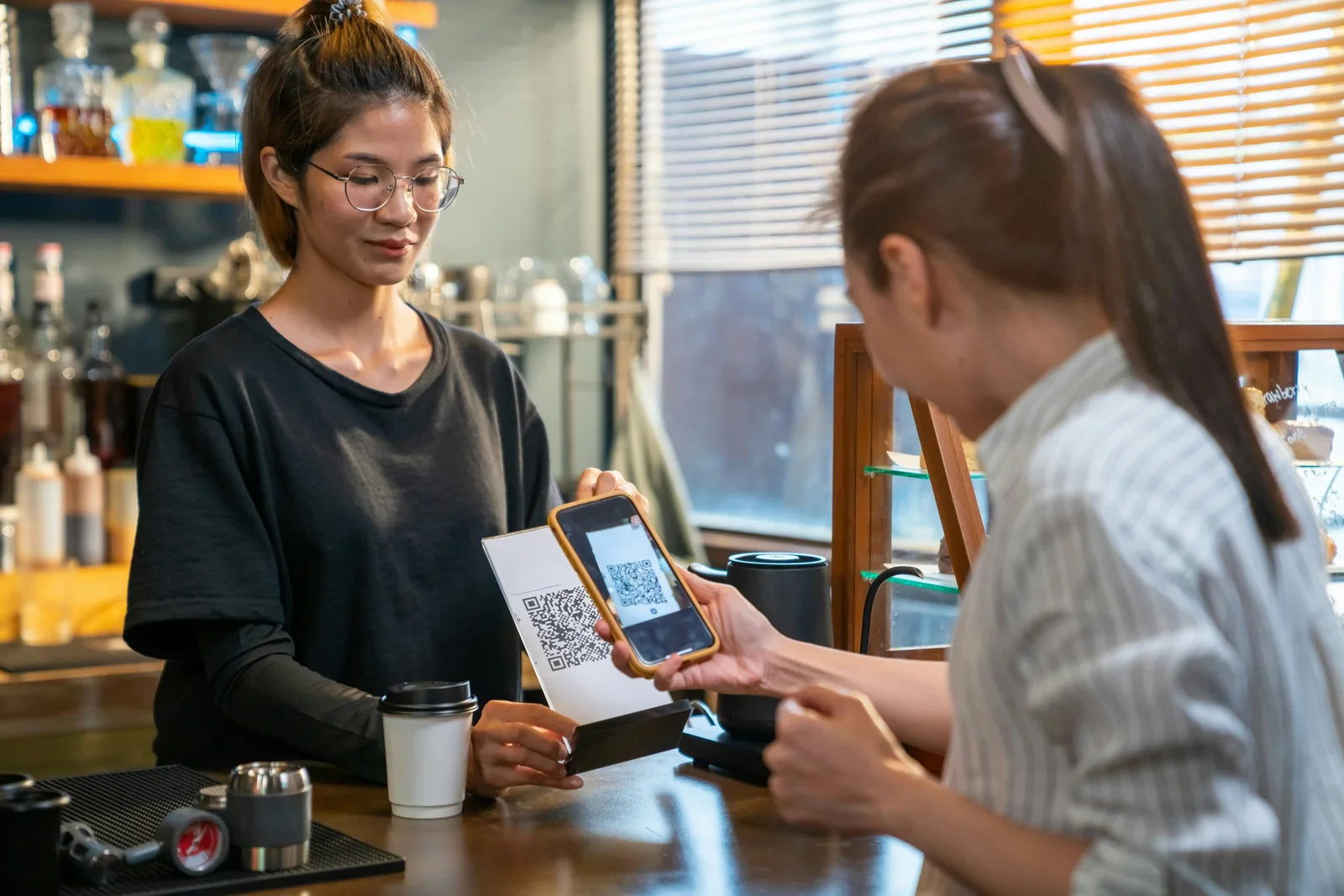
Perkstar gives tattoo and piercing shops a direct channel to every past client — bridging the months or years between tattoo appointments with piercing promotions, aftercare reminders, and new-work showcases. Clients add a loyalty card to their Apple Wallet or Google Wallet by scanning a QR code at reception, in the waiting area (where clients have plenty of idle time), on the aftercare card, or on a sticker at the mirror where clients admire fresh work. No app download. Ten seconds.
For tattoo and piercing shops, the most effective approach uses multiple card types:
A points programme (1 point per pound spent) is the foundation. Points accumulate across everything: tattoos, piercings, jewellery purchases, aftercare products, and touch-ups. A client spending £300 on a tattoo earns 300 points. The same client who comes back for a £35 piercing and £15 of aftercare earns 350 points total. The points system captures the full client relationship — not just the big tattoo sessions but the smaller, more frequent interactions that keep revenue flowing between major pieces.
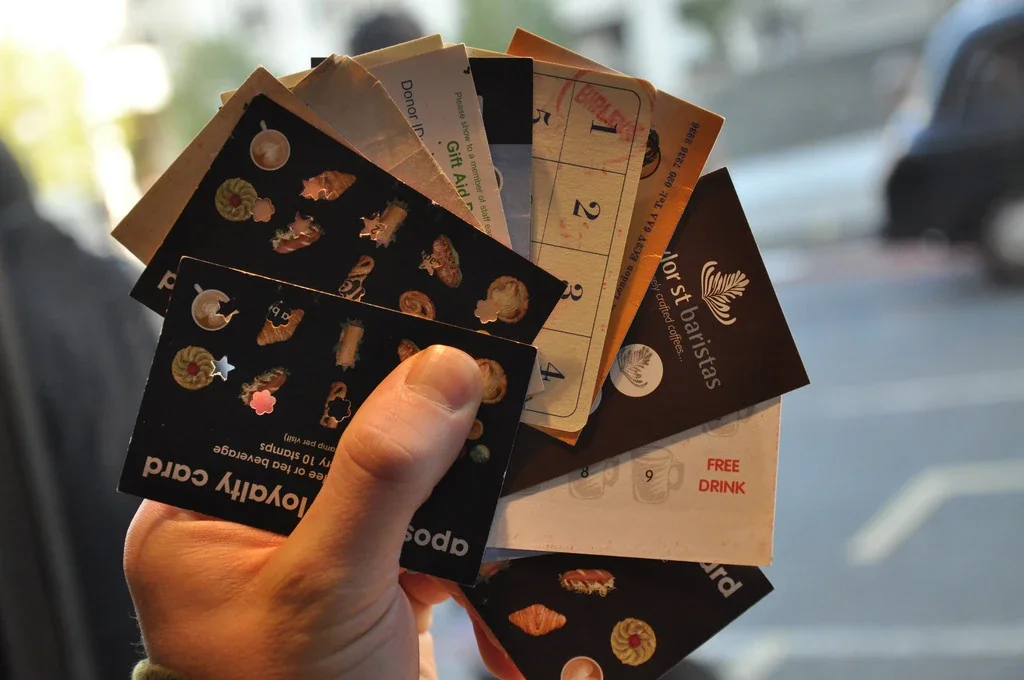
A stamp card works for piercings specifically — "every 5th piercing earns a free basic piercing" or "every 4th piercing earns a free jewellery upgrade." For clients who collect piercings (and many do — ears alone can involve multiple appointments), the stamp card creates the frequency incentive that keeps them coming back to your shop rather than going elsewhere.
A membership for your most dedicated clients: a monthly subscription covering aftercare products, a piercing discount, priority tattoo booking, and early access to flash day designs. The membership creates a permanent, ongoing relationship that bridges the gap between tattoo appointments.
Digital gift cards are where tattoo shops have a natural advantage over most businesses. "Give someone a tattoo" is one of the most thrilling gift card concepts in existence — birthdays, milestone celebrations, Christmas, passing exams, relationship milestones. Perkstar gift cards are purchased and sent digitally in under a minute, eliminating the need for physical vouchers.
The marketing toolkit addresses the tattoo shop's unique communication needs:
New work and booking announcements — the notifications that keep clients inspired during the gap:
"New piece by [artist] — check it out. Bookings open for August"
"Flash day this Saturday — walk-in designs from £80. First come, first served"
"Cancellation slot available next week — who wants it? Reply to book"
"New artist joining the team — [artist name], specialising in [style]. Bookings open now"
Piercing promotions — filling revenue gaps between tattoo appointments:
"Two piercings for the price of one — this weekend only. Bring a friend"
"New titanium jewellery collection just arrived — upgrade your piercing and earn points"
"Thinking about your next piercing? Double stamps on all piercings this month"
Aftercare reminders — product revenue that would otherwise go to Amazon:
4 weeks after tattoo: "Your tattoo's past the initial healing — switch to long-term care. SPF and moisturiser in stock, earn points"
6 weeks after piercing: "Time to downsize your piercing bar — book a quick change and upgrade your jewellery"
Seasonal and event-based:
"Friday the 13th flash sale — walk-in tattoos from £30. One day only"
"Valentine's matching tattoos — book together, both earn double points"
"Halloween flash designs — book your spooky piece now"
Geo-fenced notifications reach potential walk-in clients when they pass near your shop — particularly powerful for piercing traffic in high-street and shopping-district locations.
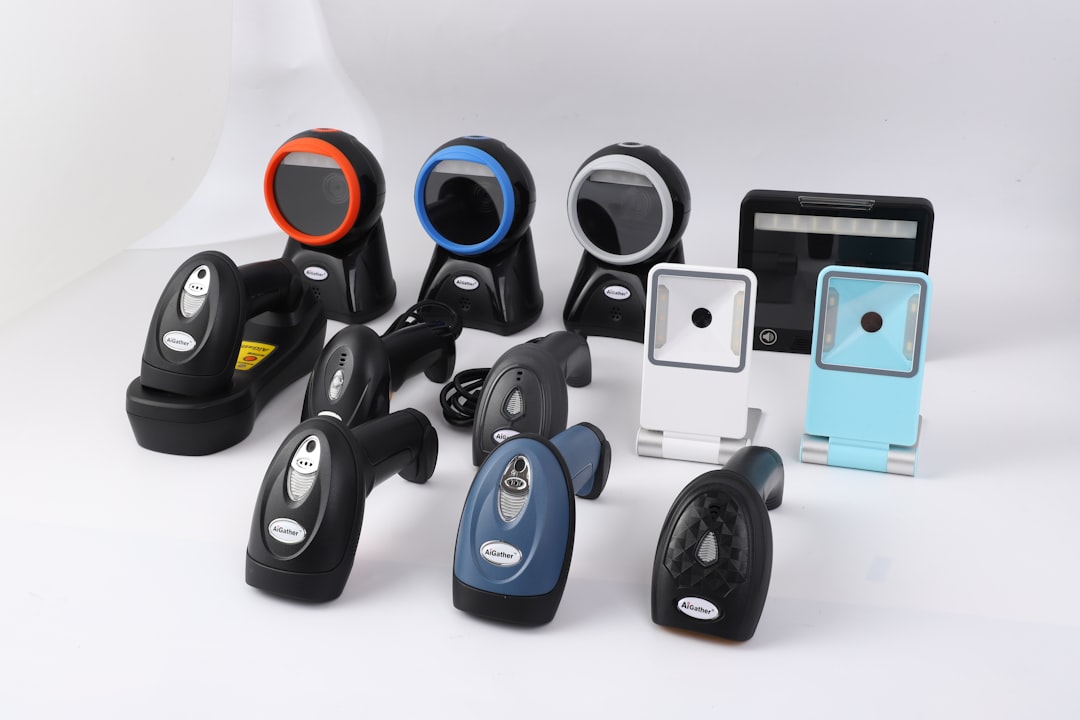
For busy shops, the Scanner App lets reception scan the client's wallet card after their appointment. Scanner App Pro connects a hardware barcode scanner for self-service at reception. Exclusive to Growth and Scale plans (beta).
The referral programme captures the "who did your tattoo?" moment. The client shares a referral link; the friend books a consultation; both earn points. For tattoos specifically, where the referral carries visible, permanent proof of quality, this is the highest-converting referral dynamic in any industry.
Google Review rewards build the clinical trust and portfolio credibility that converts cautious searchers into booked consultations. The CRM with behavioural segmentation lets you separate your tattoo collectors from your one-piece clients, your piercing regulars from your aftercare purchasers — messaging each appropriately.
Integrations with Mailgun and Twilio give you email and SMS. Pricing starts at £19 per month on Starter, with a 7-day free trial requiring no credit card.
Start a free 7-day Perkstar trial
2. Square Loyalty
Best for: Tattoo and piercing shops processing all payments through Square that want automatic loyalty tracking.
Square Loyalty integrates with Square POS. Clients earn points when they pay — no scanning, no extra step. Points accumulate based on spend, which works for shops with a wide range of prices (£25 piercings to £500+ tattoo sessions).
For a tattoo shop on Square that wants the simplest loyalty, it works.
The trade-offs are critical for a business with long gaps between visits. No Apple Wallet or Google Wallet integration — nothing on the client's phone during the six months to two years between tattoos. No push notifications for new work showcases, flash day announcements, or piercing promotions — the features that keep clients connected during the gap. No stamp cards for piercing frequency. No referral programme. No Google Review rewards. No aftercare reminders. No digital gift cards within the loyalty system. No self-service scanning.
For a tattoo shop where the primary challenge is maintaining the client relationship across months or years between pieces, a system that can't communicate between visits is fundamentally limited.
3. Loopy Loyalty
Best for: Tattoo and piercing shops that want a simple mobile wallet stamp card.
Loopy Loyalty delivers a digital stamp card through Apple Wallet and Google Wallet. No app download, branded card. For a piercing-focused programme ("every 5th piercing earns a free one"), Loopy Loyalty works.
The wallet card keeps your shop visible during the gap between visits — a passive reminder every time the client opens their wallet.
The limitations are significant. Loopy Loyalty markets a messaging capability, so flash-day and promotion pushes are possible, but the card itself only counts stamps. No points for rewarding tattoo sessions proportionally alongside piercings. No aftercare reminders. No digital gift cards. No referral programme. No Google Review rewards. No CRM. A stamp card addresses piercing frequency but can't bridge the months-long gap between tattoo appointments — the most critical communication challenge for a tattoo shop.
4. Stamp Me
Best for: Tattoo and piercing shops that want a familiar digital punch card with NFC and QR options.
Stamp Me digitises the paper stamp card on published Lite, Pro and Elite tiers at £39, £49 and £129 a month. Customers collect stamps via QR code or NFC tap through the Stamp Me app. For a piercing stamp programme, Stamp Me delivers.
The friction: clients must download the Stamp Me app. For a tattoo client who's just spent two hours in the chair and wants to leave with their aftercare instructions, downloading an app is the last thing on their mind. For a walk-in piercing client who's in and out in 20 minutes, the barrier is equally impractical. Its push notifications, SMS marketing and automated campaigns can carry flash days and new work — but only to clients who have installed the app.
5. LoyalZoo
Best for: Tattoo and piercing shops using a compatible POS that want loyalty running invisibly at the till.
LoyalZoo integrates with several POS systems. Points accumulate when clients pay. Zero extra steps.
The downside: nothing of yours on the client's phone between visits. No wallet card — reaching people means a broadcast SMS, email or push rather than a card they already carry. For a tattoo shop where the gap between visits can be months or years — and where keeping the client connected during that gap is the entire point of a loyalty programme — a system that leaves nothing in the client's pocket between payments is missing its core function.
Quick Comparison: Loyalty Apps for Tattoo & Piercing Shops
Feature | Perkstar | Square Loyalty | Loopy Loyalty | Stamp Me | LoyalZoo |
|---|---|---|---|---|---|
Apple Wallet & Google Wallet | ✅ | ❌ | ✅ | Limited | ❌ |
Card Types | 8 (Stamp, Points, Membership, Multipass, Discount, Coupon, Cashback, Gift Cards) | Points only | Stamps only | Stamps only | Points only |
New Work / Flash Day Notifications | ✅ (push to lock screen) | ❌ | ❌ | ❌ | ❌ |
Cancellation Slot Alerts | ✅ (instant push) | ❌ | ❌ | ❌ | ❌ |
Rewards Tattoos + Piercings + Aftercare + Jewellery | ✅ (points on total spend) | ✅ | ❌ (stamp cards, no spend rule) | ❌ (stamp cards, no spend rule) | ✅ |
Piercing Frequency Stamp Card | ✅ | ❌ | ✅ | ✅ | ❌ |
Aftercare Product Reminders | ✅ (automated push) | ❌ | ❌ | ❌ | ❌ |
Piercing Jewellery Upgrade Prompts | ✅ (push at 6 weeks) | ❌ | ❌ | ❌ | ❌ |
Digital Gift Cards | ✅ | Via Square ecosystem | ❌ | ❌ | ❌ |
Geo-Fenced Notifications (walk-in piercings) | ✅ | ❌ | ❌ | ❌ | ❌ |
Self-Service Kiosk Scanning | ✅ (Scanner App Pro) | ❌ | ❌ | ❌ | ❌ |
Referral Programme | ✅ | ❌ | ❌ | ❌ | ❌ |
Google Review Rewards | ✅ | ❌ | ❌ | ❌ | ❌ |
Behavioural Segmentation | ✅ Advanced (tattoo collector vs one-piece vs piercing regular vs aftercare buyer) | Basic | Basic | Basic | Basic |
Email & SMS Integration | ✅ (Mailgun & Twilio) | Limited | ❌ | ❌ | ❌ |
Requires App Download | ❌ | ❌ (POS-based) | ❌ | ✅ | ❌ (POS-based) |
POS Lock-In | ❌ | ✅ (Square only) | ❌ | ❌ | Partial |
Free Trial | 7 days (no card required) | 30 days | ✅ | Varies | ✅ |
Starting Price | From £15/mo (yearly) | From $13/mo (usage-based) | From $25/mo | From $35/mo | From $47/mo |
Real-World Scenario: How a Loyalty Programme Fills a Tattoo Shop's Booking Calendar and Turns Piercing Walk-Ins Into Collectors
Feature tables compare platforms. This section shows what loyalty looks like in a tattoo studio where the artist is booked three months out — and how to keep every client connected, spending, and referring during the wait.
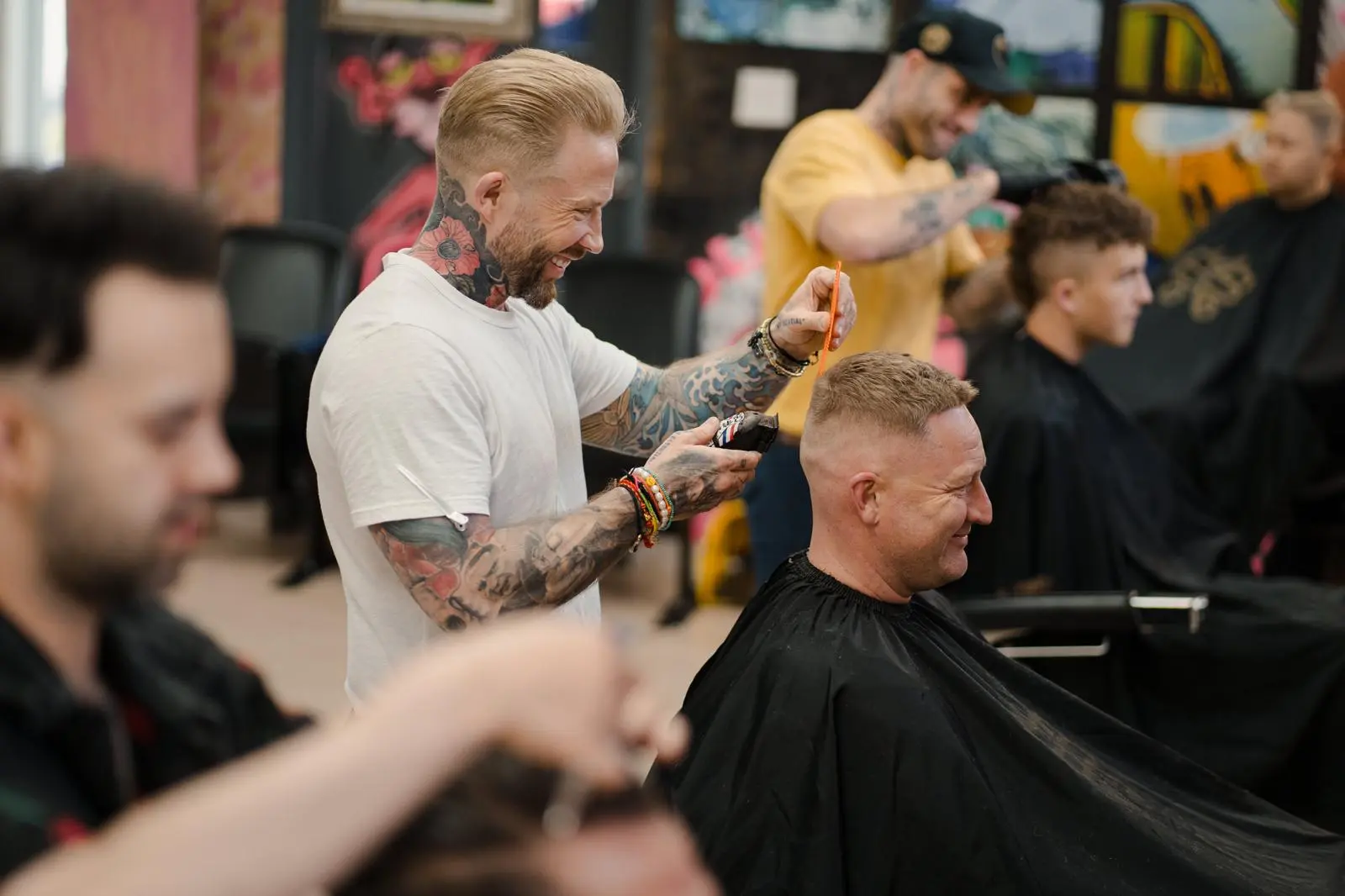
Kai and Nadia run a tattoo and piercing studio in Brighton. Three tattoo artists (including Kai), one piercing specialist (Nadia), and a reception area with a jewellery display and aftercare products. Their tattoo work is strong — each artist has a distinct style, a solid Instagram following, and a booking waitlist of eight to twelve weeks. Piercings are walk-in and appointment-based, generating consistent daily revenue.
Their problems are specific to the tattoo and piercing industry.
First, the gap. Their average client gets tattooed roughly once every 14 months. During those 14 months, the client sees hundreds of other tattoo artists on Instagram, gets recommendations from friends, and might try someone new simply because they forgot Kai was available. The studio has no way to stay in touch during the gap except Instagram posts (reaching about 4% of followers) and the hope that the client remembers to check booking availability.
Second, their piercing revenue and tattoo revenue operate as separate businesses with no cross-pollination. Tattoo clients rarely get piercings. Piercing clients rarely book tattoos. The two revenue streams exist side by side without feeding each other.
Third, aftercare products sit on the shelf. They stock quality tattoo balm, aftercare spray, and piercing solution. About 15% of clients buy something on the day of their appointment. Almost nobody comes back for a refill. The products eventually expire.
Fourth, gift card enquiries arrive via DM, email, and phone — each requiring a manual process. Every December, they lose gift card sales to the hassle of the process. While many food businesses face similar challenges — including sandwich shops optimizing lunch rush loyalty programs — tattoo shops need systems that work across much longer customer lifecycles.
Month one — enrolling during the session. Kai places QR codes in the waiting area (where clients sit for 15-30 minutes before their appointment — perfect idle time), in each tattoo room, at the piercing station, and at reception. An A3 poster in the waiting area reads: "Scan for free ink — earn points towards your next piece."
The waiting area is the enrolment goldmine. Clients are nervous, excited, and scrolling their phones. Scanning a QR code gives them something to do. Within six weeks, 195 clients have enrolled — a mix of tattoo clients, piercing clients, and people who came in to browse but haven't booked yet.
She sets up a points programme (1 point per pound spent across everything), a stamp card for piercings ("every 5th piercing earns a free basic piercing or jewellery upgrade"), and digital gift cards. Nail salons enrol just as easily and still lose around half their clients each year, because signing someone up is the easy half of the job.
Month one — bridging the gap with new work notifications. Kai finishes a particularly striking Japanese sleeve. Previously, the photo would go on Instagram (seen by about 120 of 3,000 followers). Now he sends a push notification to 195+ phones: "New piece just finished — Japanese sleeve by Kai. Bookings open for spring. See the work." The notification includes no image (push notifications are text-based), but the message drives clients to check the studio's Instagram or website to see the work.
The response is immediate. Three clients who hadn't booked in over a year message to enquire about new pieces. Two book consultations. The notification didn't just showcase work — it reignited the desire in clients who'd been silently considering their next tattoo but hadn't taken action.
Kai starts sending a new-work notification every two to three weeks. Each one reaches the entire database. Each one drives a measurable spike in booking enquiries. For a studio where the booking waitlist is the lifeblood of the business, these notifications keep the pipeline consistently full.
Month one — flash days fill cancellation gaps. A tattoo cancellation creates an empty three-hour slot that's almost impossible to fill at short notice. Kai sends an instant push notification: "Cancellation slot — next Thursday afternoon, 3 hours available. First to message books it." Within 30 minutes, the slot is filled by a client who'd been waiting for an opening.
He starts promoting flash days via push notification: "Friday the 13th flash event — walk-in designs from £50, all day. First come, first served." The notification reaches 220+ phones (growing steadily). The flash day is the busiest walk-in day of the year. Previously, flash days were promoted on Instagram and drew a moderate crowd. The push notification doubles the footfall.
Month two — cross-pollinating piercings and tattoos. Nadia sends a targeted push notification to tattoo-only clients who've never had a piercing: "Thinking about a piercing to complement your ink? Double stamps on all piercings this month — and your points count towards your next tattoo reward too."
Of 120 tattoo-only clients who receive the notification, 14 book a piercing. Several discover that piercings are quick, affordable, and addictive — three of the 14 come back for a second piercing within six weeks. The cross-pollination works in reverse too: a notification to piercing-only clients showing new tattoo work generates two tattoo consultation bookings from clients who'd never considered getting inked at the studio.
Over six months, the proportion of clients who use both services (tattoo and piercing) increases from about 12% to 28%. Dual-service clients have a significantly higher annual spend and visit three times more frequently than single-service clients.
Month two — aftercare reminders generate product revenue. Kai configures automated push notifications after each tattoo:
Day 1: "Aftercare matters — keep your new piece looking perfect. Aftercare products in stock, earn points on every purchase"
Week 4: "Your tattoo's past the initial healing — time for long-term care. SPF is essential for keeping the colour vibrant. We stock the good stuff"
After each piercing, Nadia's notification fires at week 6: "Time to downsize your piercing bar — book a quick jewellery change. New titanium collection just arrived, earn points on every upgrade."
Aftercare product sales increase from about 15% attachment rate to 35% within two months. The piercing jewellery downsizing prompt generates an entirely new revenue stream — clients coming in specifically for a jewellery change who then browse the display and buy additional pieces. Jewellery upgrade visits become one of the studio's most consistent sources of walk-in revenue.
Month two — gift cards transform December. Kai enables digital gift cards: £50, £100, £200, and £500. He sends a push notification in late November: "Christmas sorted — give someone a tattoo. Digital gift cards, sent in 60 seconds. No wrapping required." A second notification in early December targets last-minute buyers.
Gift card sales in December alone: £3,800. That's more than double the previous year's gift card revenue, which was hampered by the manual DM-and-bank-transfer process. Several gift cards are for £200-500 — serious pieces that generate significant revenue when redeemed. Every redeemed gift card brings someone into the studio who might become a long-term client.
Total gift card sales over six months: £5,200.
Month three — referrals carry permanent proof. Kai activates the referral programme. In tattooing, the referral is uniquely powerful: the friend can literally see the evidence on the referrer's body. "Who did your tattoo?" followed by a close look at the work is the most convincing portfolio viewing possible — more effective than any Instagram grid.
The referral link rewards both the referrer (bonus points towards their next piece) and the friend (a bonus on their first booking). In eight weeks, 16 new consultation bookings arrive through referrals. Referred tattoo clients convert to booking at 90% — the highest conversion rate in any vertical in the series — because they arrive having already seen and admired the work in person.
Several referral clients book large pieces (£300-500+), making the referral programme one of the highest-value growth channels the studio has ever used. The cost per referral in reward value: roughly £15. The average first-booking value of a referred client: £280.
Month three — Google Reviews build portfolio trust. Kai turns on Google Review rewards. Clients who leave a review earn bonus points. He encourages detail: "If you could mention your artist, the style, and your experience — it really helps people find the right studio."
Over twelve weeks, the review count goes from 55 to