8 Restaurant Loyalty Mechanisms Explained
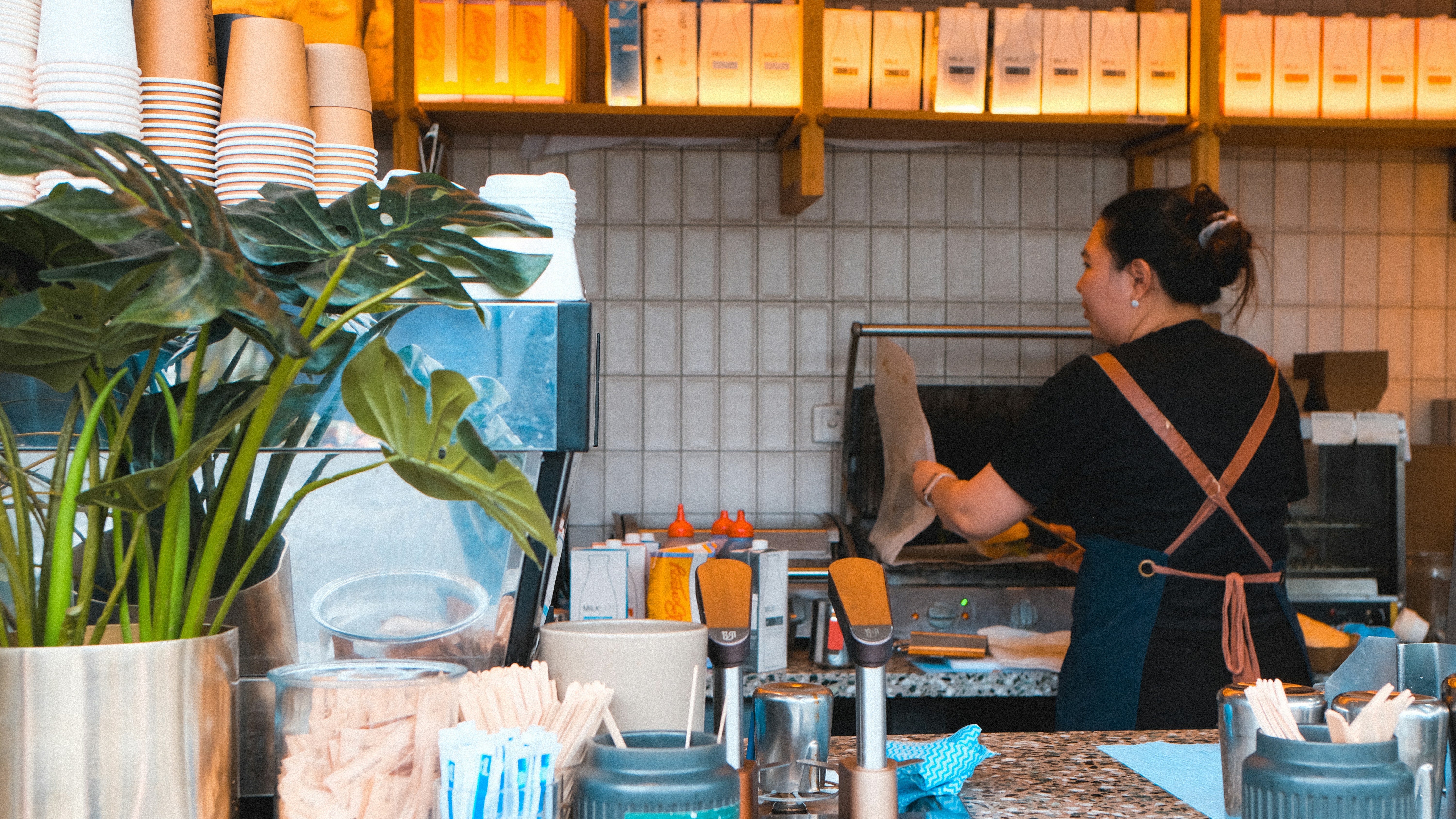
Most restaurant loyalty programs fail for one reason: they're designed by people who've never worked a Friday night dinner rush.
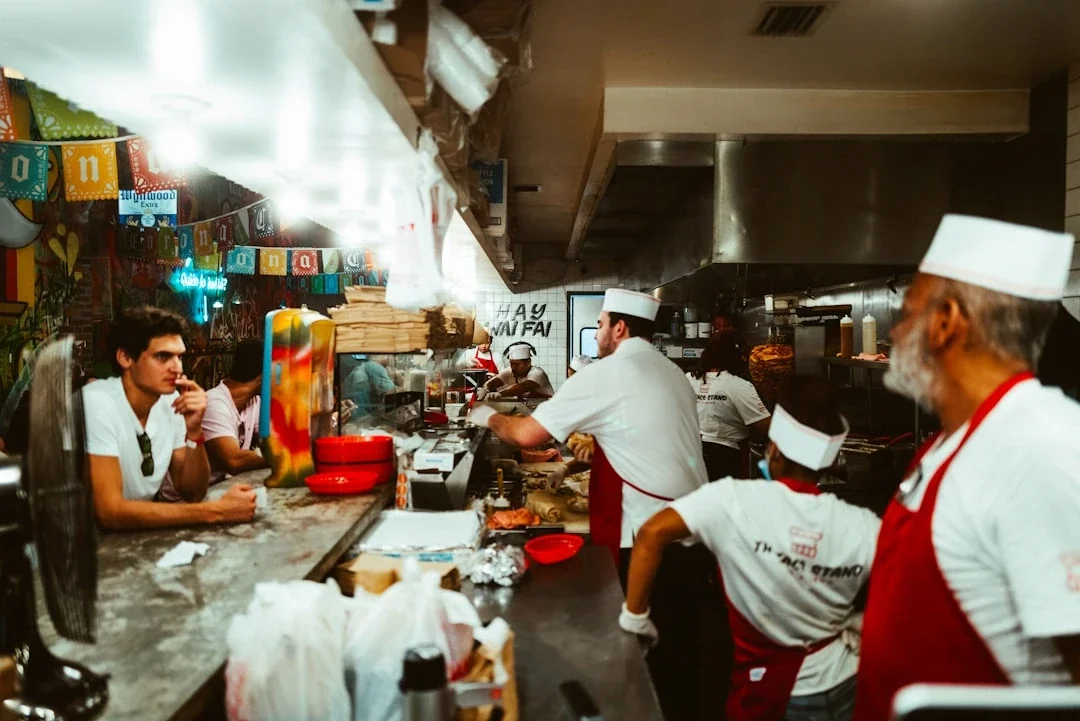
You've got 47 tables turning simultaneously. Servers are slammed. Kitchen tickets are backing up. Someone wants to know if their loyalty card still has points. Another customer lost their stamp card. A third is asking if they can use their discount today.
Your hostess is trying to remember who's a VIP member while managing a thirty-minute waitlist.
This is the reality of restaurant operations. And loyalty programs that add friction—apps to download, cards to remember, points to calculate—die in this environment. Not because the idea is bad, but because the execution is impossible at scale.
The restaurants that crack loyalty understand something fundamental: infrastructure has to work with your operations, not against them.
Here's what actually works.
The Eight Restaurant Loyalty Mechanisms (And When to Use Each)
Most platforms give you one loyalty option. That's like giving a chef one knife. You need different tools for different jobs.
Perkstar gives restaurants eight card types because different restaurant models need different mechanics. Here's how to think about which one—or which combination—solves your specific problem.
Stamp Cards: For Building Visit Frequency
The problem you're solving: Customers visit irregularly. You want to create a reason to return.
How stamp cards work: Customer gets a digital stamp each visit. After 9 stamps, they get their 10th meal free (or 50% off, or a free appetizer—you decide).
Best for:
Casual dining where average check is £15-35
Quick-service restaurants with high frequency potential
Lunch spots competing for regular office workers
Any restaurant where visit count matters more than spend amount
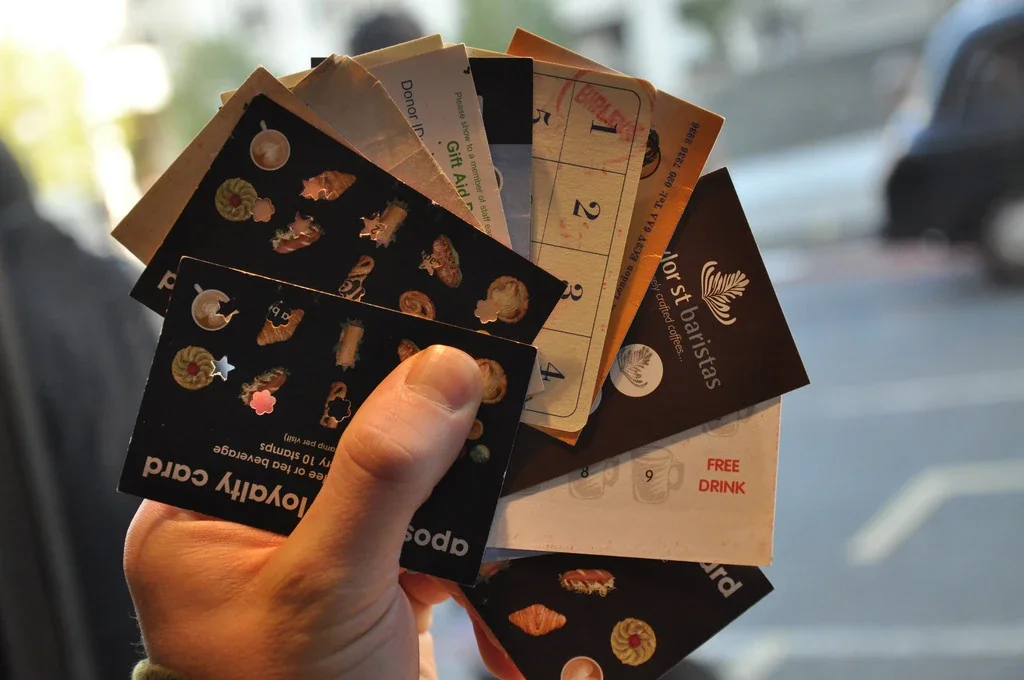
Why digital beats paper: Paper stamp cards get lost, forgotten, or left at home. Your customer walks in. Choosing the right platform matters here—not all digital punch card software handles restaurant-speed scanning without lag, and a two-second delay per customer compounds into real service disruption across a full shift. They don't have their card. They get upset. You lose the loyalty benefit.
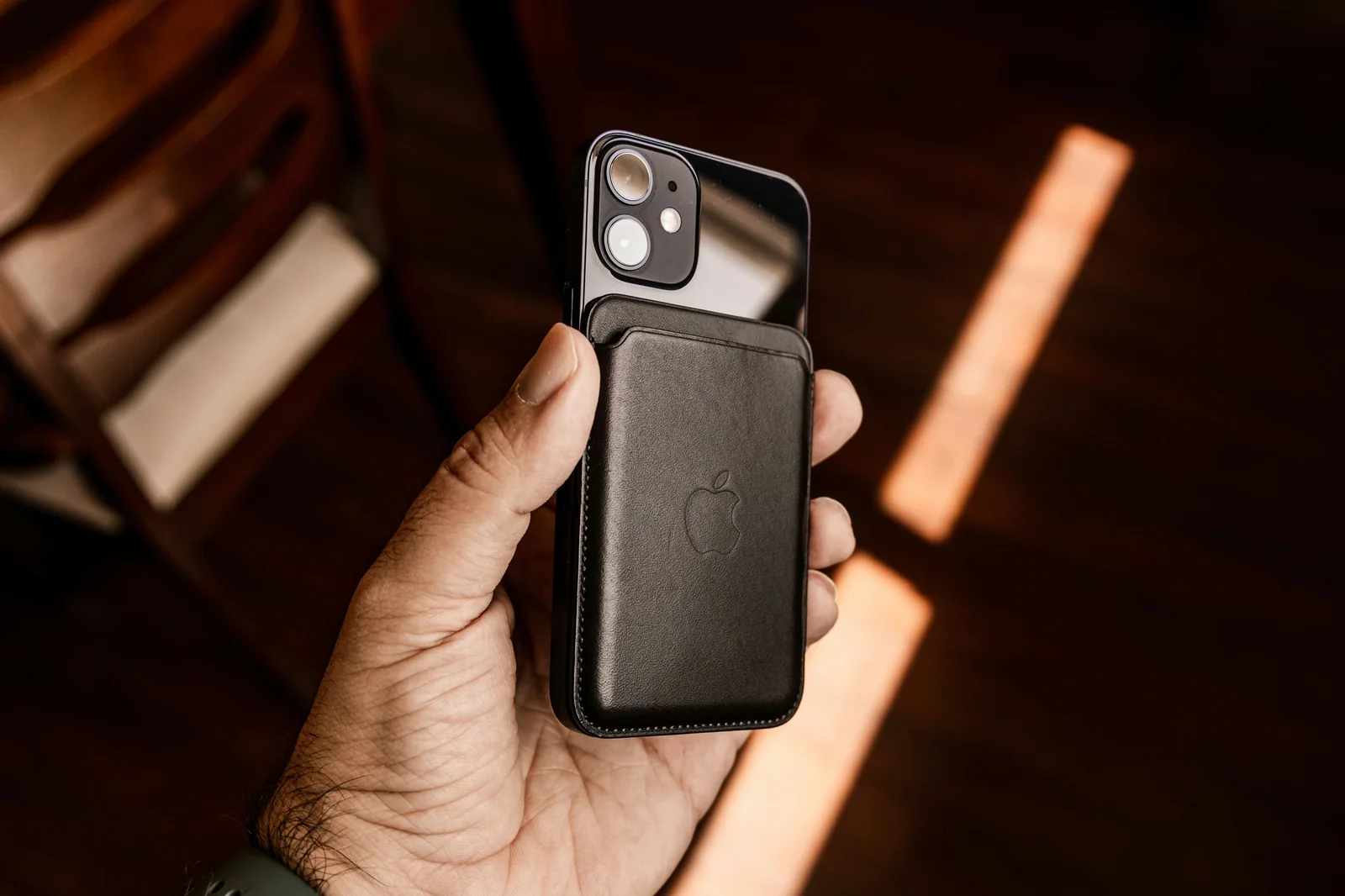
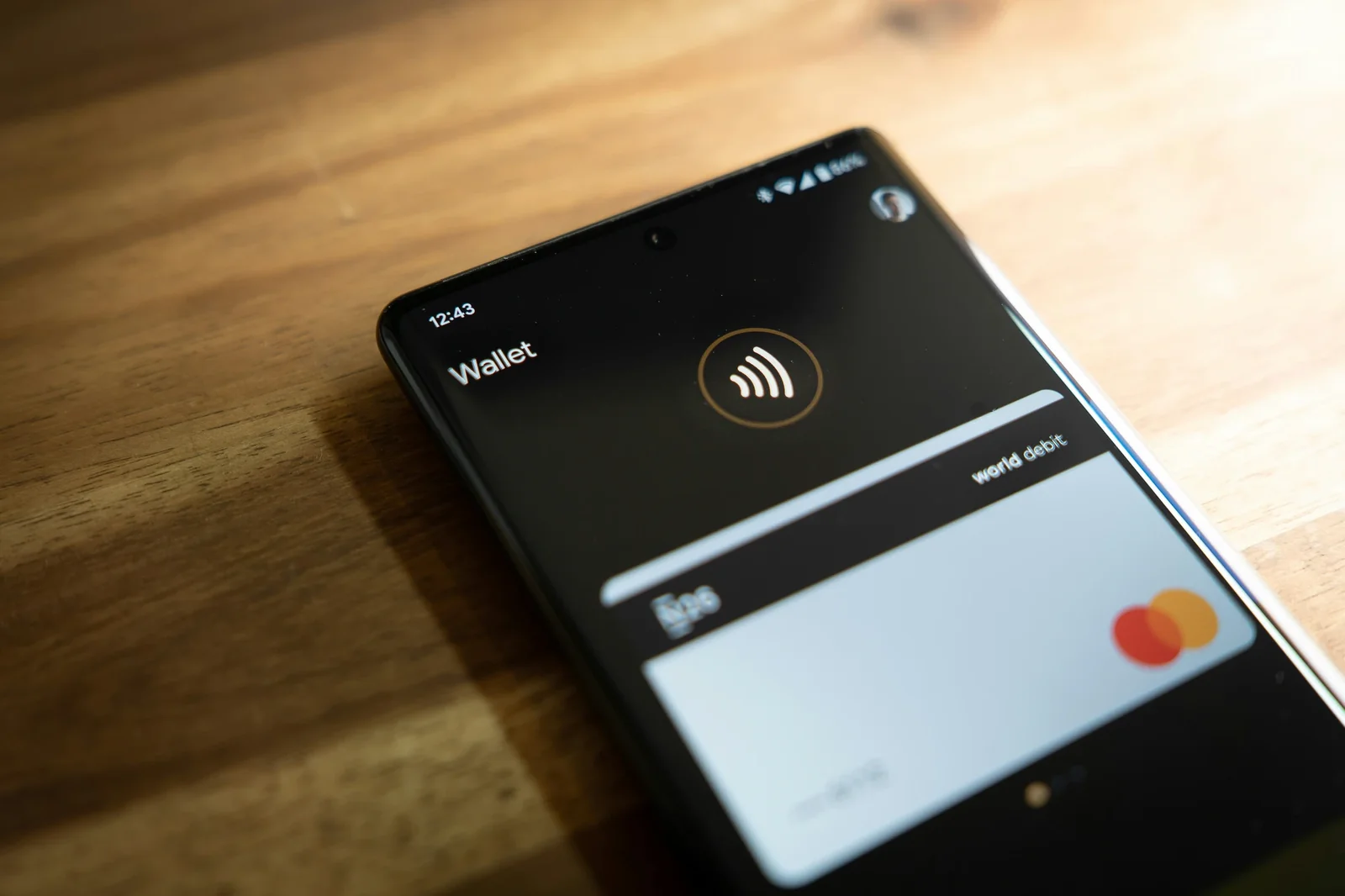
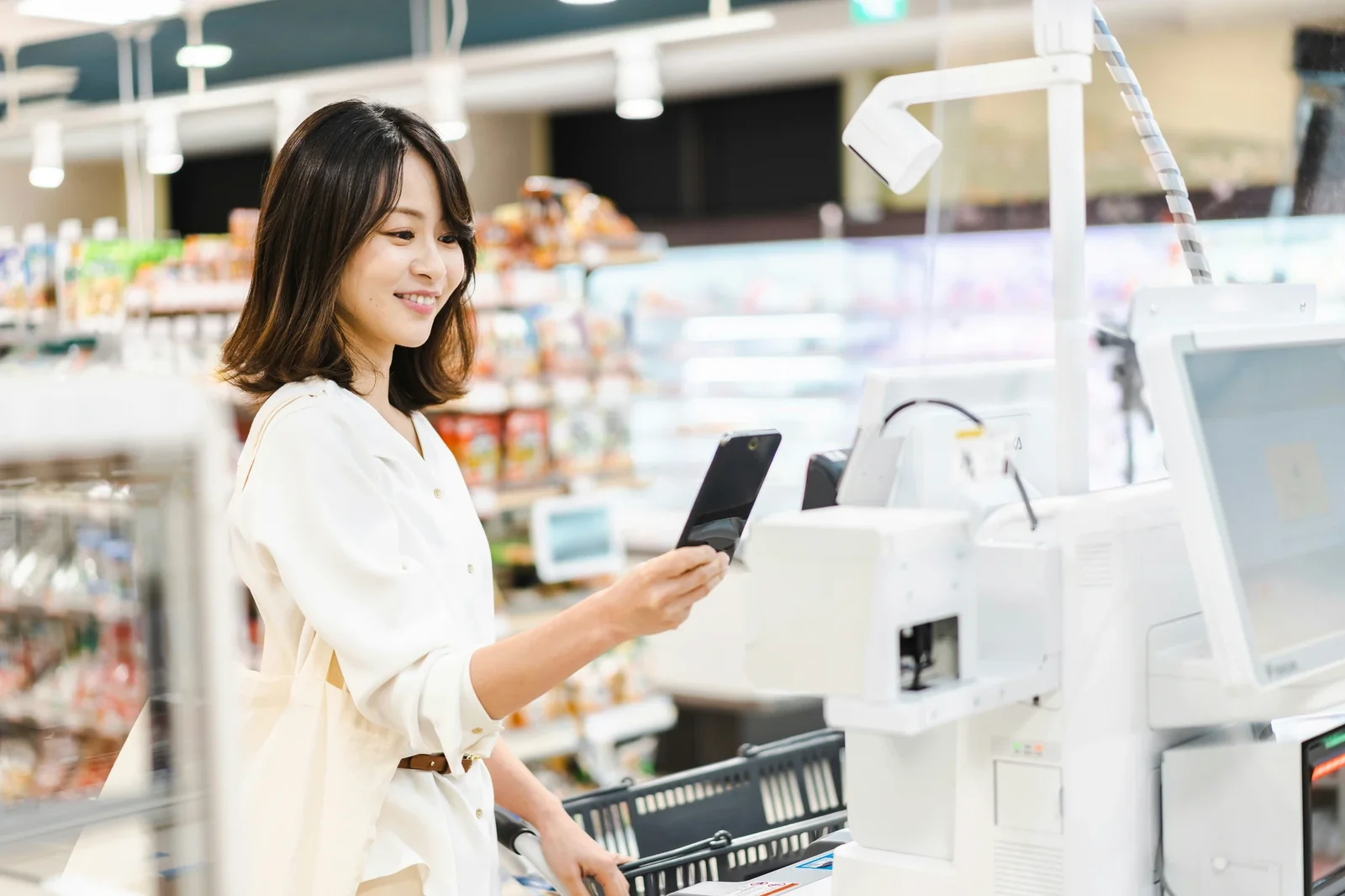
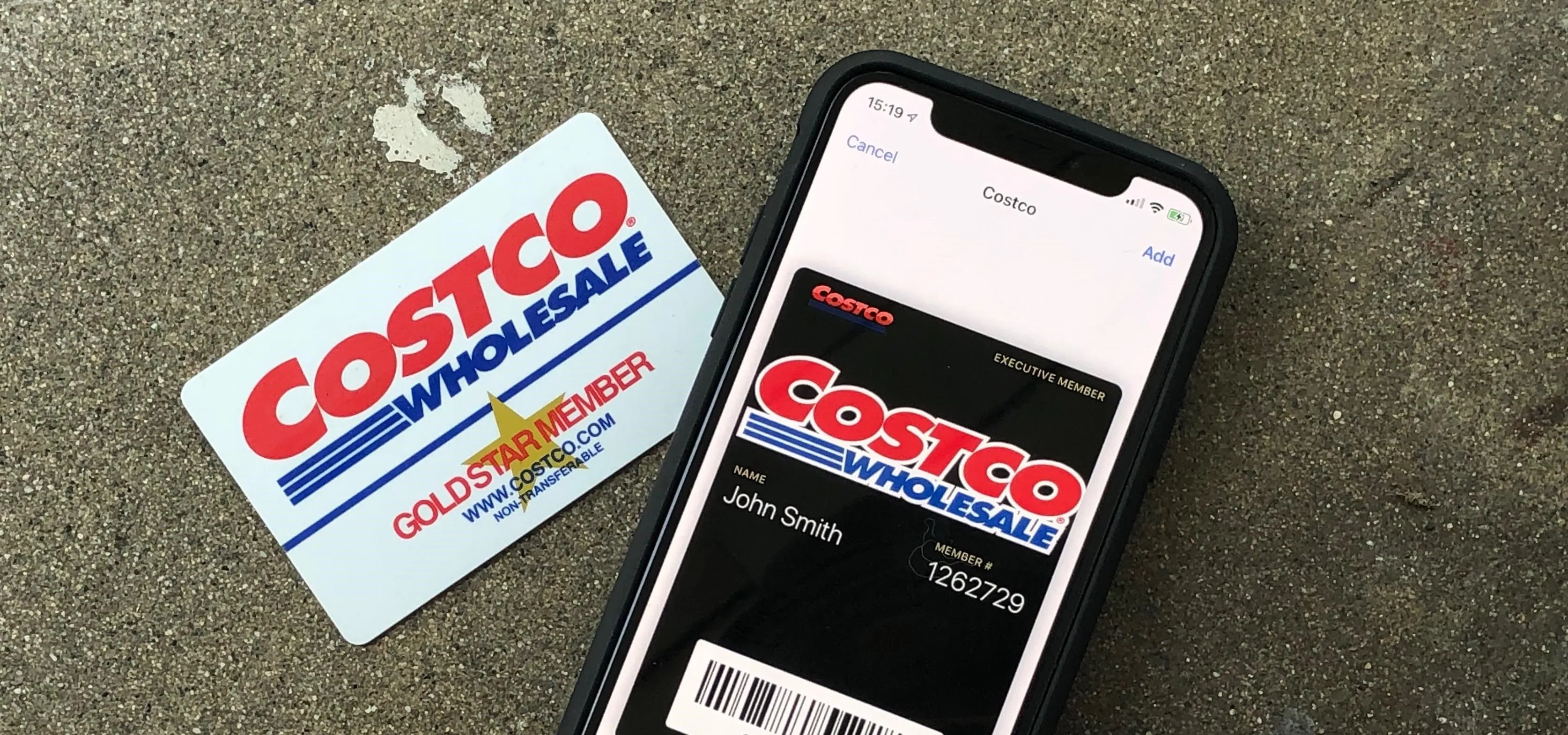
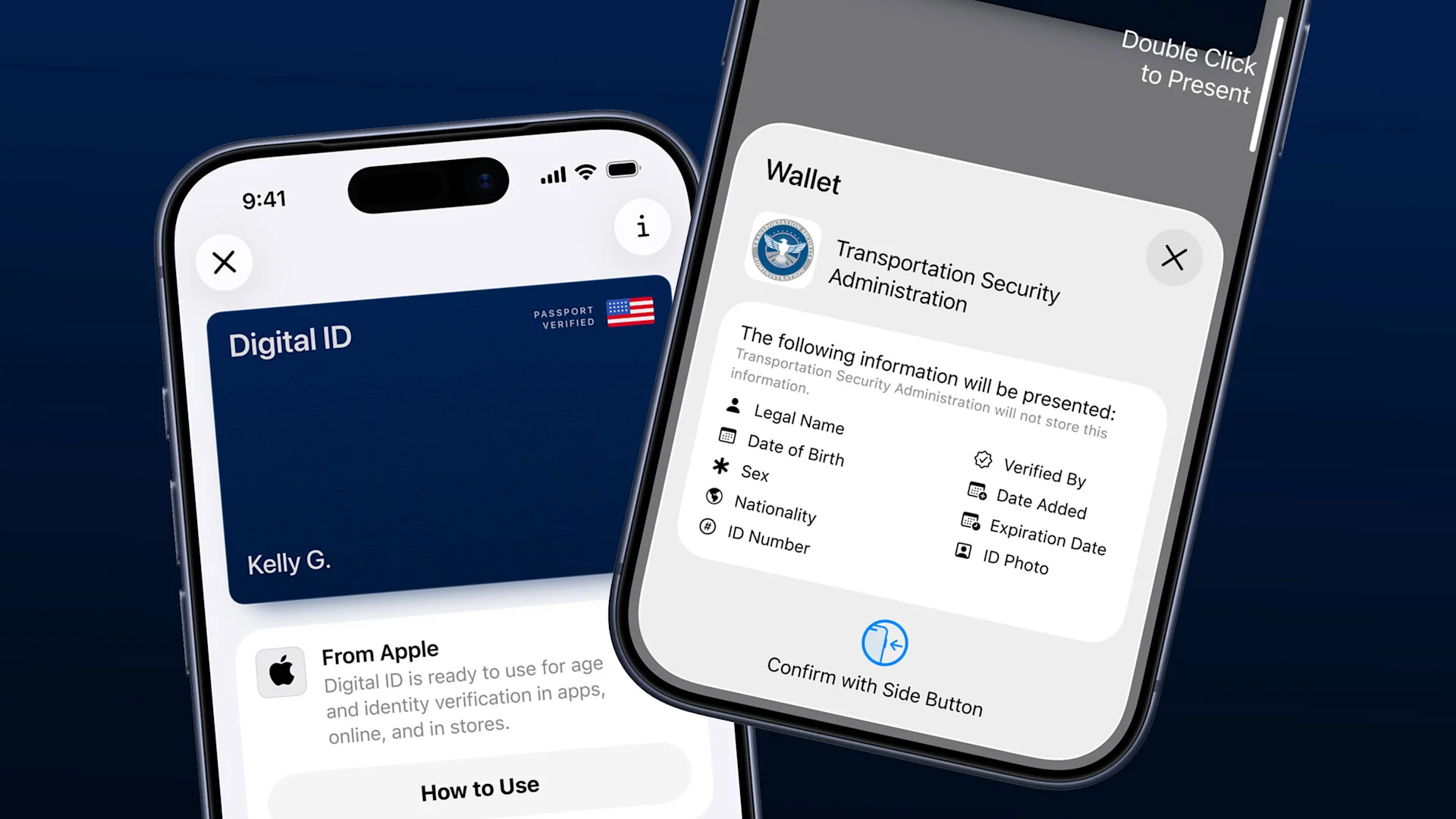
Digital stamp cards live in Apple Wallet and Google Wallet. Can't lose them. Can't forget them. They're on the phone the customer will absolutely have.
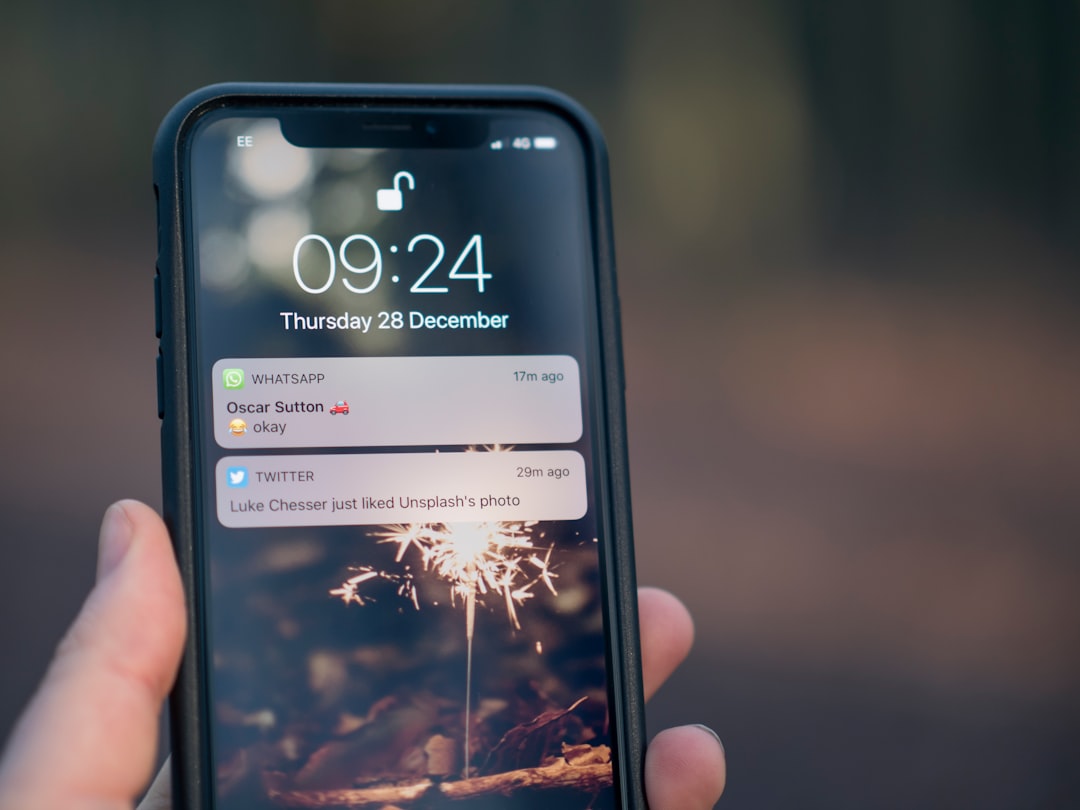
Better: location-based notifications. When your customer walks past your restaurant at lunch time, their digital stamp card pops up on their lock screen. "You have 7/10 stamps." That's not marketing. That's intercepting the lunch decision at the exact moment it's being made.
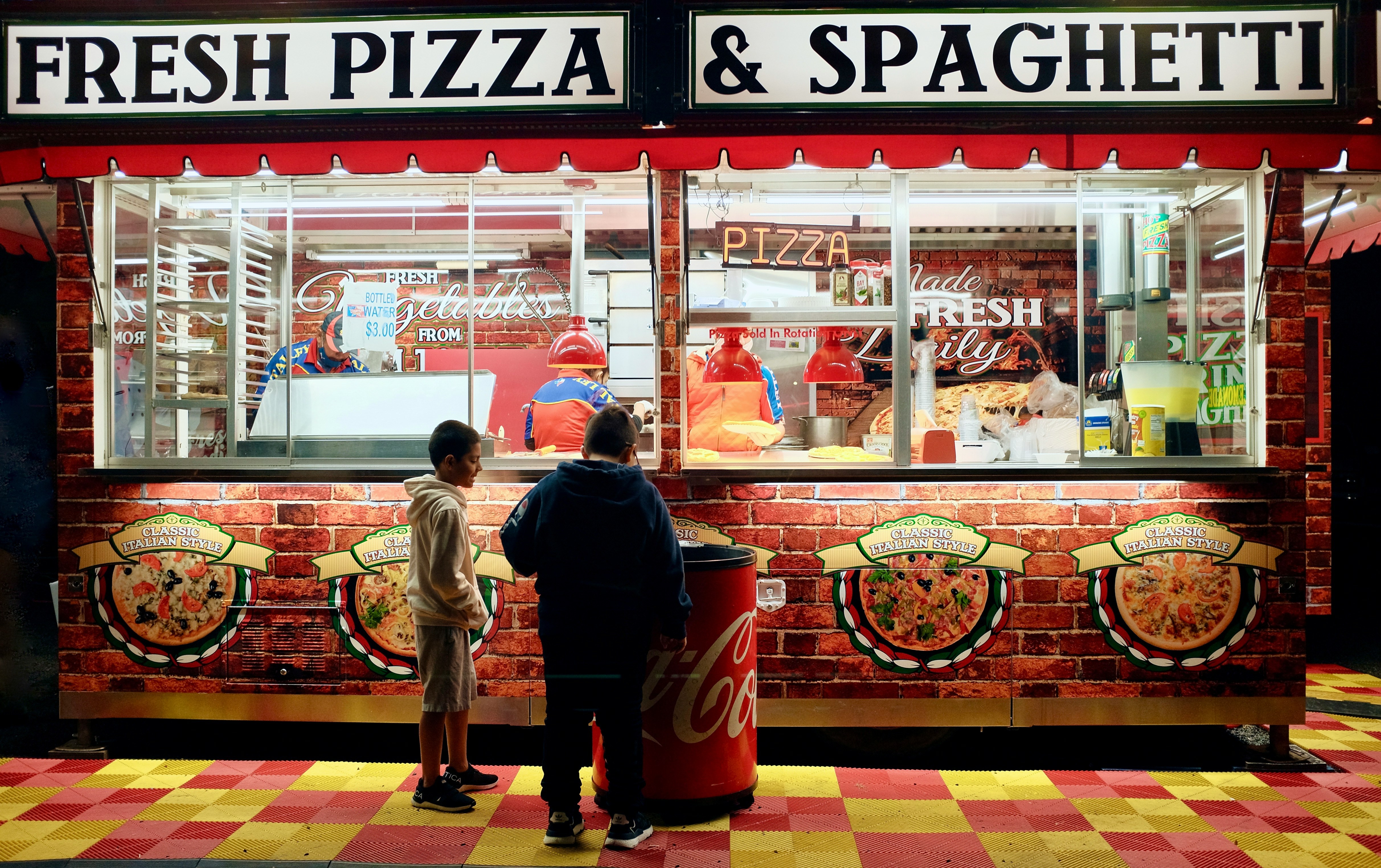
Real-world setup: Pizza restaurant gives stamp for each visit. 9 stamps = free pizza (up to £18 value). Cost to restaurant: £2.50 in food cost. Result: Customer visits 3.2x more frequently than non-members. ROI: Obvious.
Reward Cards: For Driving Spend, Not Just Visits
The problem you're solving: You want customers to visit more AND spend more per visit.
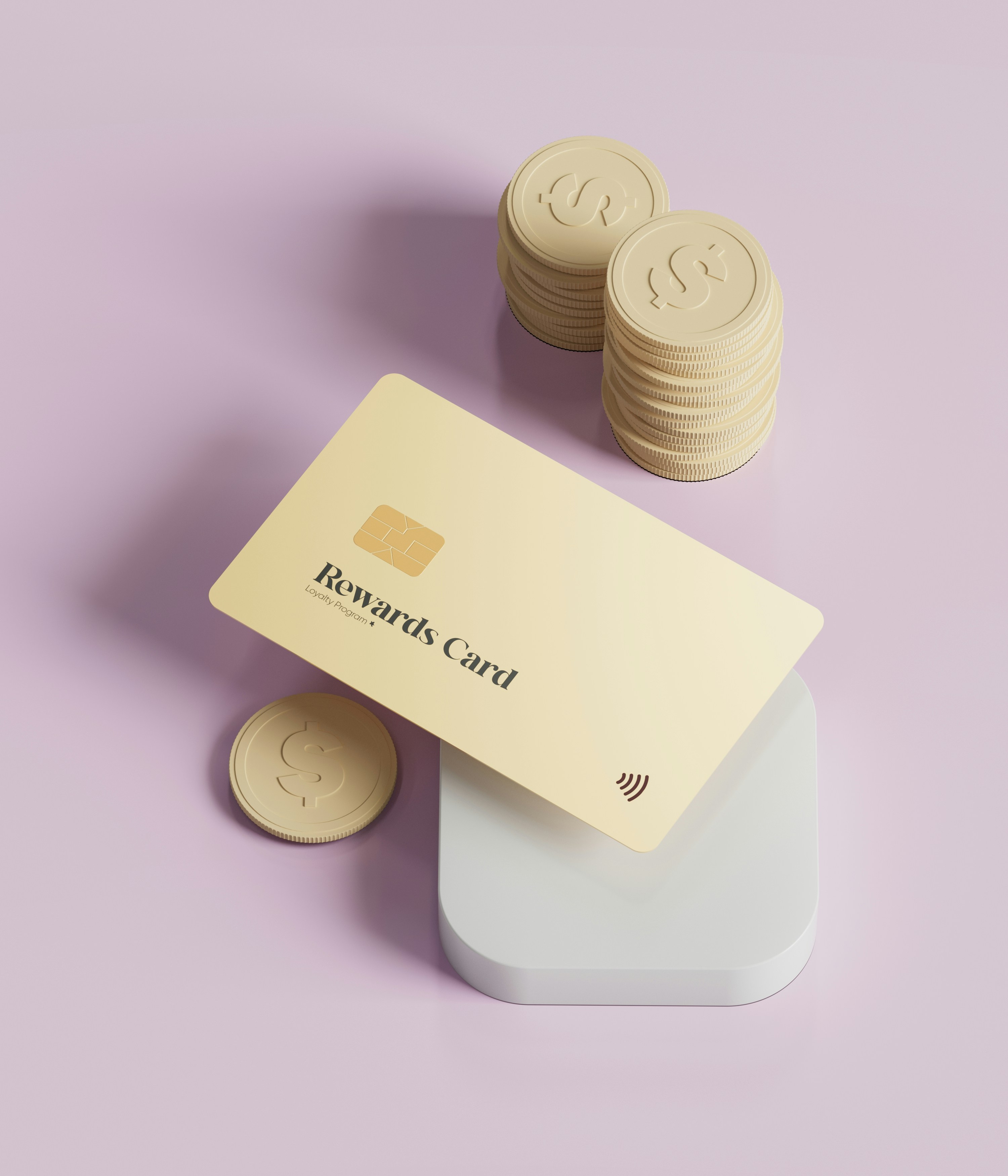
How reward cards work: Customer earns points on every purchase. £1 spent = 1 point. 100 points = £5 credit (or whatever ratio you set). The entire mechanic runs through a digital rewards card app on the customer's phone—no plastic cards to print, no paper to laminate, no hardware to buy.
Best for:
Full-service restaurants with variable check sizes
Places where customers might order appetizers, drinks, desserts (or might not)
Restaurants where you want to incentivize higher spending
Any business where spend matters more than visit frequency
Why this works differently than stamps: Stamp cards reward visits equally—£15 meal gets same stamp as £50 meal. Reward cards scale with spending. The customer who orders appetizers, wine, and dessert earns more than the customer who orders just an entrée.
This is particularly powerful for restaurants with high-margin items. You're incentivizing exactly the behavior you want: higher checks.
The analytics matter here: You can see: which customers are high-spenders vs high-frequency-low-spenders. Completely different value profiles. Completely different marketing strategies.
High-spender, low-frequency: Send them offers for special occasions, tasting menus, exclusive events. High-frequency, low-spender: Send them lunch specials and quick-visit incentives.
Can't do that with anonymous transactions.
Real-world setup: Italian restaurant gives 1 point per £1 spent. 100 points = £5 credit. Customer check averages £42. They need 2.4 visits to redeem. Result: Customers redeem and immediately start earning toward next reward, creating continuous engagement.
Membership Cards: For Recurring Revenue
The problem you're solving: Revenue is unpredictable. You want £X guaranteed every month.
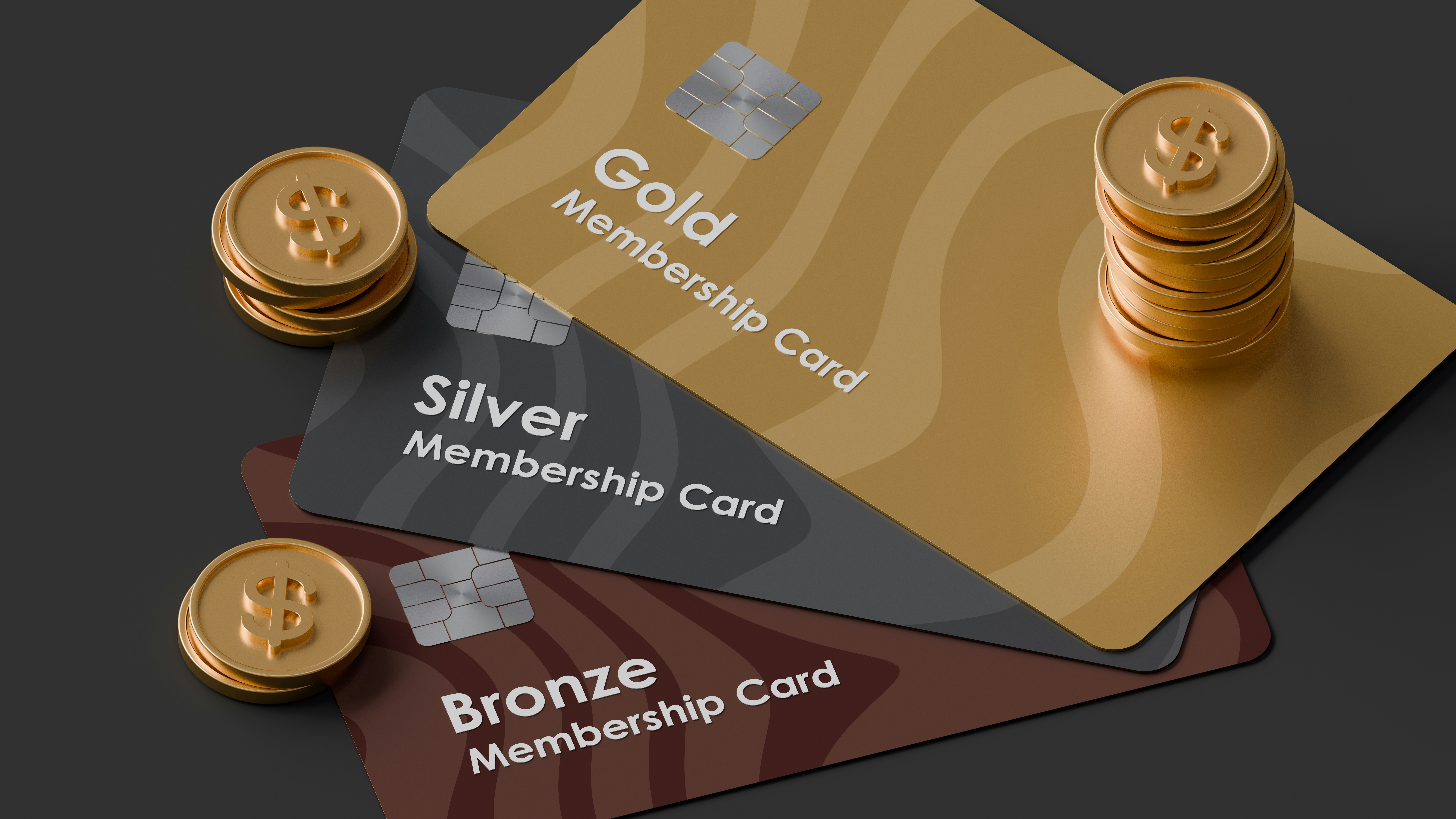
How membership cards work: Customer pays monthly or annual fee for exclusive benefits. Could be percentage discount, priority seating, member-only events, free items—whatever creates value worth paying for.
Best for:
Restaurants with strong regular customer base
Premium dining where exclusivity has value
Places that can offer genuine VIP treatment
Any restaurant wanting to build recurring revenue model
The economics are compelling: 300 members paying £60/year = £18,000 annual recurring revenue = £1,500/month guaranteed before you serve a single meal. If you want a deeper breakdown of how to structure tiers, pricing, and benefits that members actually value, there's a full membership card playbook for restaurants that walks through the economics step by step.
This smooths cash flow. This covers baseline fixed costs. This is the difference between hoping for customers and knowing you have customers.
What makes members worth it (from customer perspective):
Bad membership: "Pay us £5/month and get occasional discounts!" Nobody cares. That's not value. That's uncertainty.
Good membership: "Pay £8/month and get 15% off every meal, priority reservations on weekends, and members-only chef's table events quarterly." Clear value. Pays for itself in 2 visits. Creates status.
Real-world setup: Neighborhood bistro offers annual membership for £80. Benefits: 15% off all food, priority reservations, monthly wine-pairing dinner (members only).
Customer who visits 2x/month saves £144/year on the discount alone. Restaurant locks in committed customers who've financially invested in returning.
This is the Netflix model applied to restaurants. And it works.
Multipass Cards: For Prepaid Revenue
The problem you're solving: Cash flow. You want money today for meals you'll serve over the next 3-6 months.
How multipass cards work: Customer buys a package: 10 lunches for £90 (normally £100). Or 5 dinners for £140 (normally £160).
They get a discount. You get cash upfront. They're committed to returning.
Best for:
Lunch spots with office worker regulars
Restaurants with consistent pricing (set lunch, prix fixe, etc.)
Places wanting to secure revenue during low seasons
Any restaurant that can forecast usage and won't be hurt by prepayment discount
Why customers buy these: Convenience: "I don't have to think about lunch payment—I've already paid." Savings: 10-15% discount feels significant. Commitment: They've paid, so they'll use it.
Why you should offer these: £9,000 in January from 100 customers buying 10-meal passes covers your February payroll. You've secured that revenue regardless of what happens in February.
The customer who's bought a 10-meal pass isn't choosing your restaurant vs competitors 10 times. They've chosen you once. The subsequent 9 visits are automatic.
Real-world setup: Lunch restaurant sells "Lunch Pass: 10 meals for £85" (normally £95). Office workers near your restaurant are your target. You sell 60 passes in December = £5,100 cash in December for meals served over January-March.
That's revenue smoothing. That's predictability.
Discount Cards: For Filling Slow Periods
The problem you're solving: Tuesday afternoons are dead. You're paying rent and staff for 40 empty tables.
How discount cards work: Specific customer segment gets a digital card with standing discount. Students get 20% off Monday-Thursday. Local workers get 15% off lunch. Seniors get 20% off before 6pm.
Best for:
Restaurants with significant off-peak dead time
Places near universities, offices, or residential areas with targetable segments
Any restaurant wanting to fill capacity without training all customers to expect discounts
The key is controlled distribution: You're not offering 20% off to everyone. You're offering it to students, or local workers, or whatever segment helps fill your slow periods without cannibalizing peak traffic. Some restaurants take this further by making the discount card itself exclusive—a members-only loyalty program where only verified students or local workers can access the card creates perceived value and prevents the discount from leaking to your full-price Saturday crowd.
Students aren't coming Friday night anyway—they can't afford it. But Tuesday afternoon with 20% off? Maybe.
Local workers won't drive to you for dinner. But lunch with 15% off using their "local worker discount card"? You've created a reason.
Real-world setup: Restaurant near a university gives student discount cards (20% off, Monday-Thursday only).
Students weren't coming on expensive weekend nights. But now they're coming Monday-Thursday when you had capacity. You're monetizing tables that would've sat empty.
You set the restrictions (time-based, day-based, or none). You control who gets the cards (validated enrollment). You shape demand rather than responding to it.
Coupon Cards: For Converting Trial to Loyalty
The problem you're solving: You spend £15-25 acquiring a customer. They visit once. They never return.
How coupon cards work: First-time customer gets a coupon (50% off first visit, free appetizer, etc.). After redemption, the coupon automatically converts to a loyalty card of your choice—stamp card, points card, membership offer.
Best for:
New restaurant openings trying to drive trial
Established restaurants in competitive areas wanting to convert competitors' customers
Any restaurant with high acquisition costs and low retention
The conversion step is where most programs fall apart—if you need inspiration for what that second-stage card should offer, a roundup of loyalty program ideas for independent restaurants can help you match the reward structure to your specific customer behavior.
Why this works: Traditional coupon: Customer gets discount. Uses it once. Disappears. They got what they wanted (discount). You got what you didn't want (one-time visitor).
Coupon that converts to loyalty: Customer gets discount. Uses it. Now they have a stamp card showing 1/10 progress toward free meal.
Psychological difference: they're invested in a journey, not just redeeming a coupon.
Real-world setup: New restaurant offers "Grand Opening: 25% off first visit" coupon card. Customer redeems it. Enjoys the meal. Their coupon card automatically becomes a stamp card: "Welcome! You've got 1 stamp toward your free meal—9 more to go."
You've converted acquisition spend into loyalty infrastructure.
Cashback Cards: For High-Value Customers
The problem you're solving: Your top 20% of customers generate 60% of revenue. You want to reward them specifically without giving discounts to everyone.
How cashback cards work: Customer earns percentage back on every purchase. Spend £100, earn £10 credit toward next visit.
Best for:
Higher-end restaurants with £50+ average checks
Places where top customers spend £1,000+ annually
Any restaurant wanting to reward spending without cheapening brand with visible discounts
Even café owners running lower average checks find that cashback mechanics work for their top-tier regulars—the daily double-shot customer spending £1,200/year responds to cashback the same way a fine-dining patron does, which is why several of the best loyalty apps for UK cafés now include cashback alongside traditional stamp cards.
Why this differs from points: Points feel like a game. Cashback feels like earning money.
"You earned 1,000 points!" → Customer thinks: "What's that worth?" "You earned £10 cashback!" → Customer thinks: "I'll use that next visit."
The psychology is cleaner. The value is clearer.
Real-world setup: Steakhouse gives 10% cashback on all spending. Customer spends £120 on dinner. Earns £12 credit. Next visit, they spend £90, use their £12 credit, pay £78.
They're getting rewarded without the restaurant appearing discount-heavy. The brand stays premium while economics favor loyalty.
Gift Cards: For Upfront Revenue and New Customer Acquisition
The problem you're solving: You want revenue today. You want to attract new customers who've never tried your restaurant.
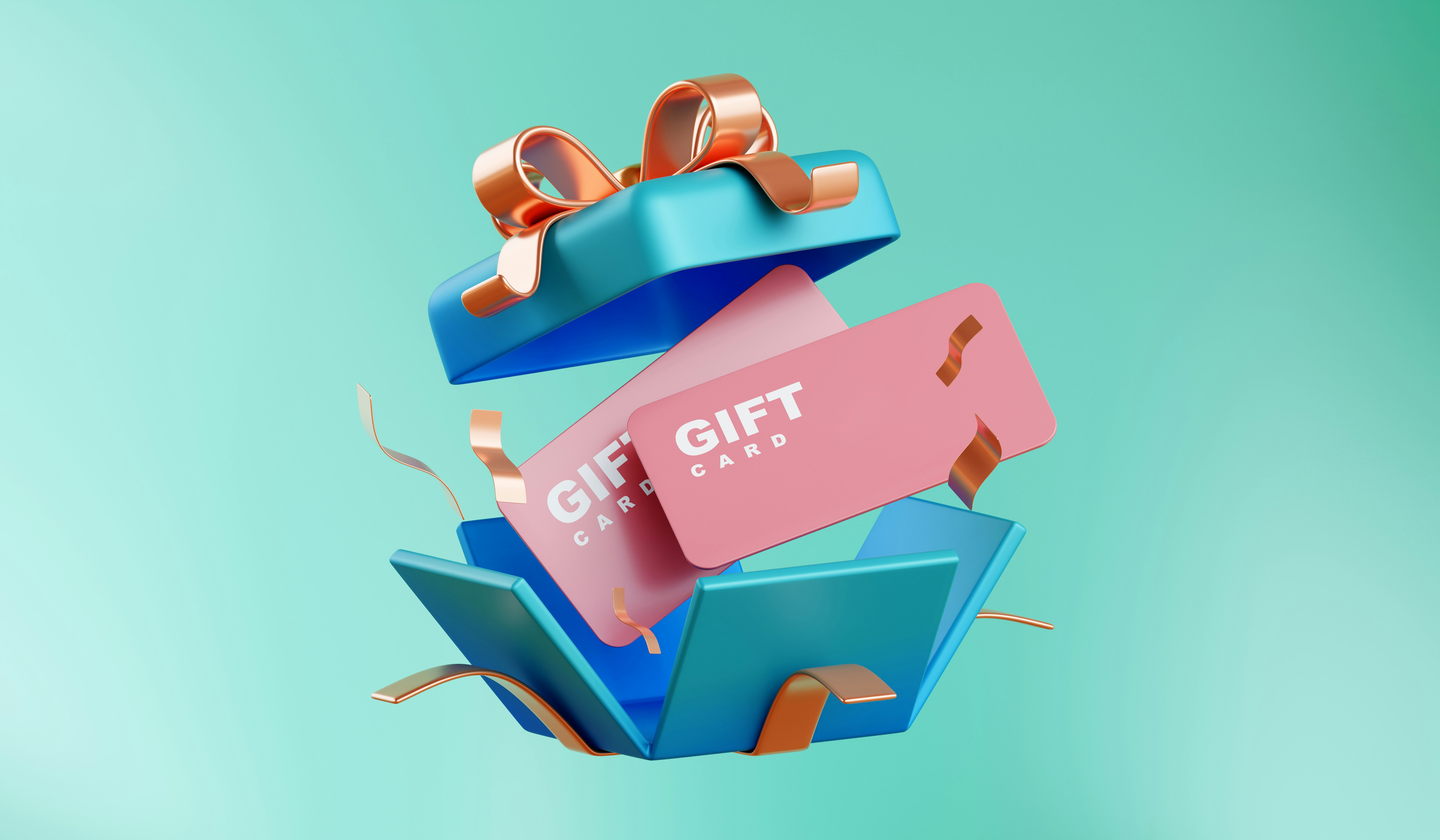
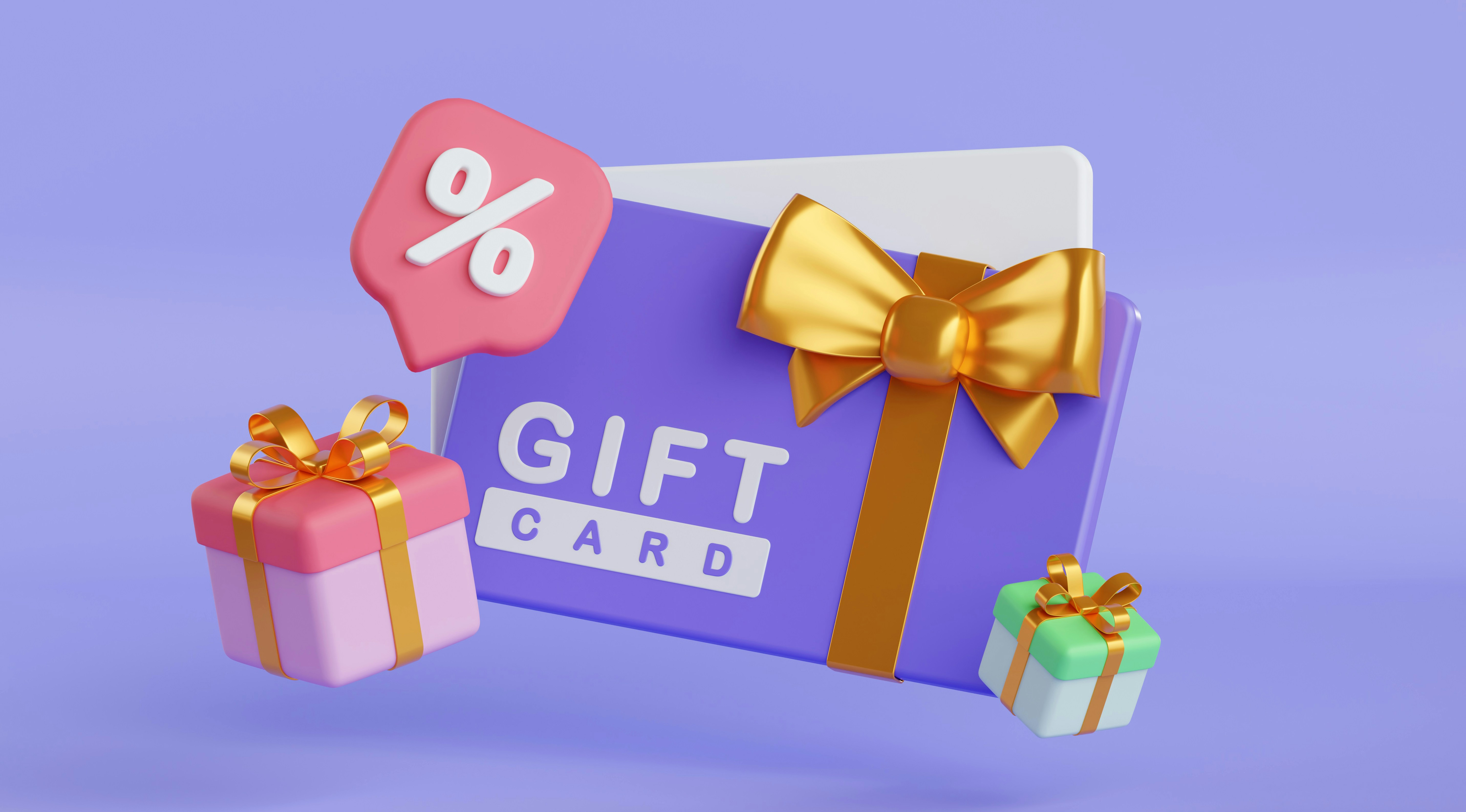
How gift cards work: Customer buys digital gift card for £50, £100, whatever. Recipient gets card in Apple/Google Wallet. Redeems at your restaurant.
Best for:
Every restaurant, period. If you're not offering digital gift cards, you're leaving money on the table.
Especially valuable around holidays, special occasions, corporate gifting
Why digital beats plastic: Physical gift cards: Customer has to come pick it up. Or you have to mail it. Or it sits in a drawer and gets forgotten.
Digital gift cards: Purchased online. Delivered instantly via email/text. Pubs see particularly strong gift card performance around Christmas and Father's Day, and pairing gift cards with a digital loyalty program for pubs means the recipient doesn't just redeem once—they get enrolled into your retention system automatically. Recipient adds to phone wallet. Can't lose it. Always accessible.
The hidden benefit: 50% of gift card recipients spend more than the card value. They come in with a £50 gift card, spend £73, pay the £23 difference.
You got £50 upfront (potentially months earlier). Then you got £23 more. That's £73 on what was really a £50 customer acquisition cost paid by someone else (the gift giver).
Even better: 15-20% of gift cards never get fully redeemed. That's pure profit.
Real-world setup: Restaurant offers digital gift cards for £25, £50, £100. December: Sell £15,000 in gift cards. January-March: Cards get redeemed. Average redemption plus additional spend: £68 on a £50 card.
You got cash in December (helps with slow January). You got customers in January-March (when you need traffic). Many of those customers will return beyond the gift card. Three wins from one product.
The Features That Make This Actually Work
Having eight card types is meaningless if the infrastructure doesn't support your operations. Here's what matters.
Custom Card Builder (Make It Yours, Not Generic)
You're not a franchise. Your restaurant has a personality. Your loyalty card should reflect that.
Perkstar's card builder lets you add your logo, your colors, your branding. The card customers see in their wallet looks like your restaurant, not like generic loyalty program #47.
Why this matters: Brand consistency creates trust. When customers see your card in their wallet, it should be immediately recognizable as yours.
No coding required. Upload logo. Choose colors. Add your card name and description. Done.
Scanner App (Because iPad POS Is Expensive)
Most loyalty systems require: expensive iPad POS integration, proprietary hardware, or manual entry (which staff will never do during rush periods).
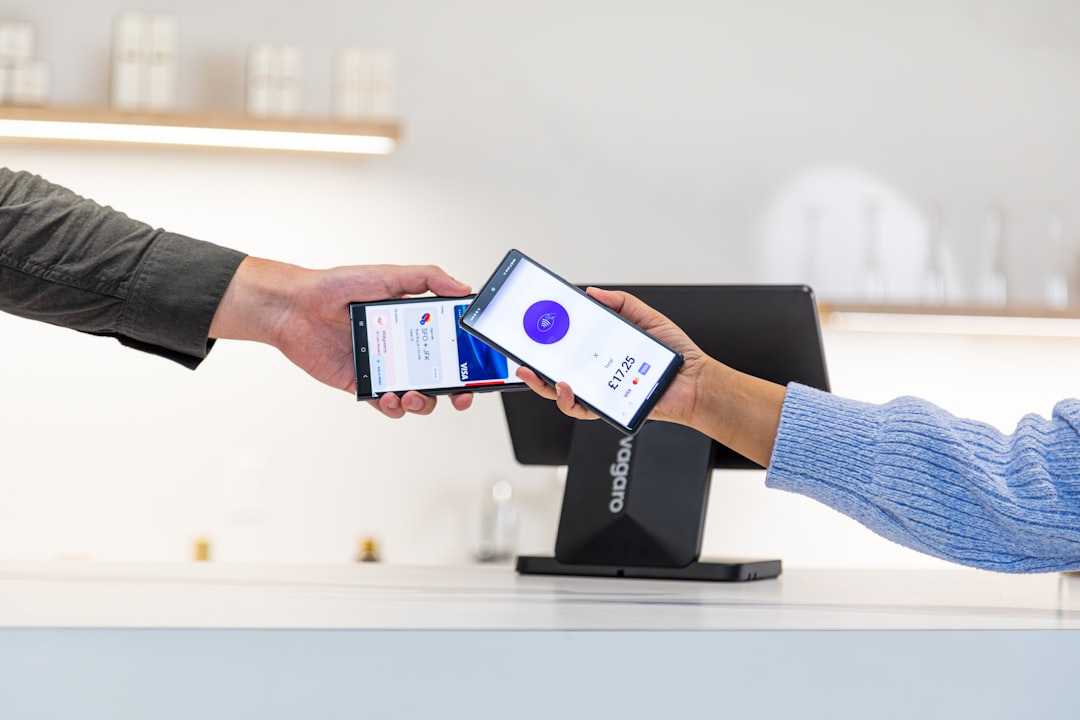
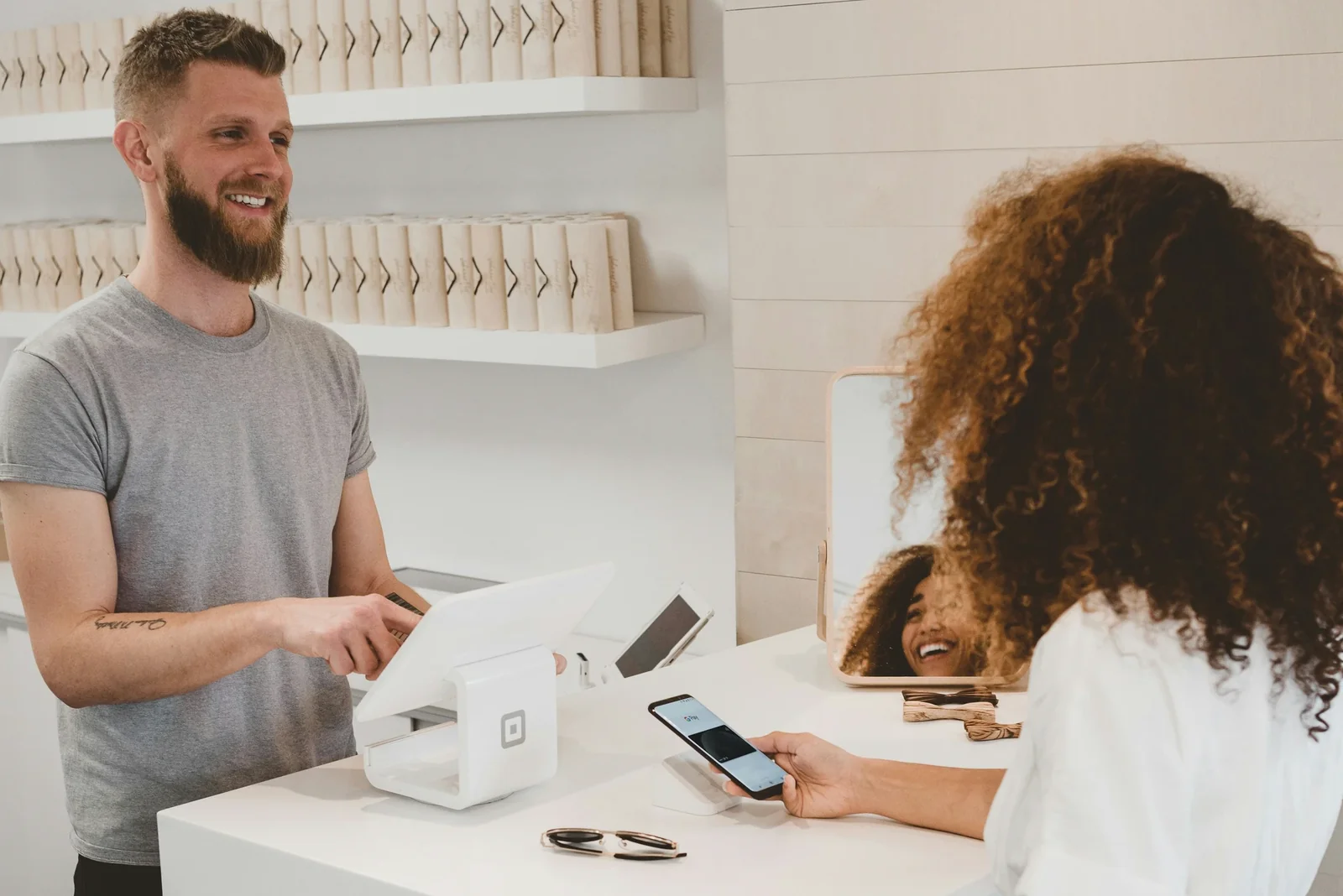
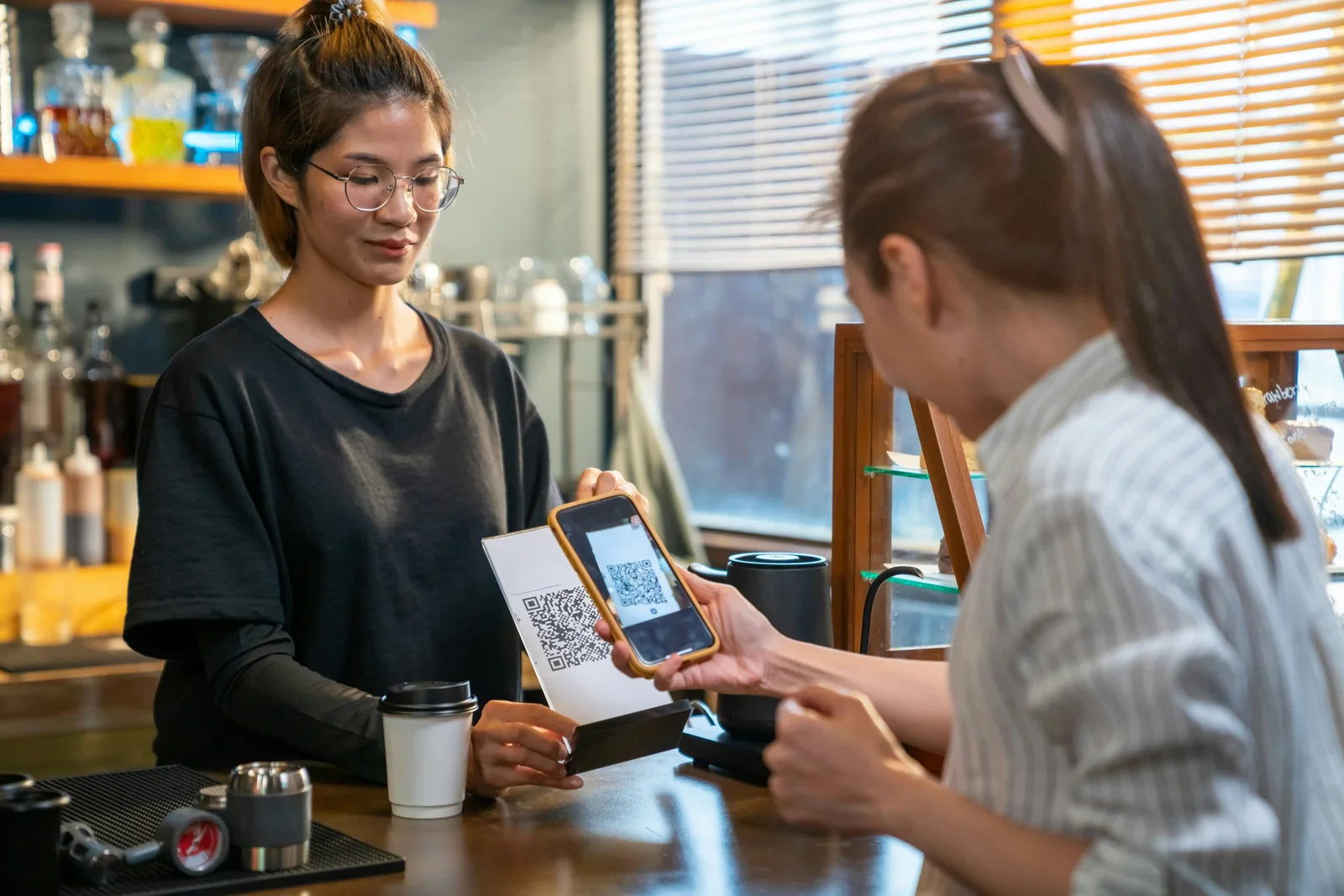
Perkstar gives you a scanner app that runs on any smartphone or tablet. Staff opens app. Customer shows digital card. This is the feature that separates the best punch card apps from the ones that sound good in a demo but collapse under real service conditions—if scanning takes more than five seconds, your staff will stop doing it by day three. Staff scans QR code on card. Stamp issued, points awarded, or membership verified.
Cost: £0 in additional hardware. Complexity: Zero. If your staff can use Instagram, they can use the scanner.
This is how loyalty programs actually get used during dinner rush—fast, simple, no expensive infrastructure.
Push Notifications (Geo-Targeted and Time-Based)
Here's where digital loyalty becomes unfair advantage over paper cards.
Geo-notifications: Customer is walking past your restaurant at 6:30pm on a Tuesday. Their loyalty card pops up on their lock screen: "You're near Franco's—show this for 20% off dinner tonight (Tuesday special)."
That's not spam. They opted in by joining your loyalty program. This is helpful information at exactly the moment they're deciding where to eat. For bars especially—where Tuesday-to-Thursday footfall can make or break weekly margins—geo-targeted notifications are one of the most effective tactics for building bar and restaurant loyalty without discounting your way to zero profit.
Time-based promotions: It's raining. Your lunch traffic is down. Send push notification to all loyalty members: "Rainy day special—free soup with any entrée today only."
You're using external conditions (weather, time, day of week) to create timely relevance. Can't do that with paper cards.
Win-back campaigns: Customer used to visit every Tuesday. They haven't been in for three weeks. Automated notification: "We miss you! Come back this week and get double stamps."
You're using data (visit frequency) to identify churn risk and intervene automatically.
Automation Flows (Set It and Forget It)
You don't have time to manually send birthday messages, reminder emails, or win-back offers. You barely have time to run service.
Automation handles this:
Birthday rewards: Automatically send customers a gift (free dessert, £10 credit, whatever) on their birthday. You set it once. It runs forever.
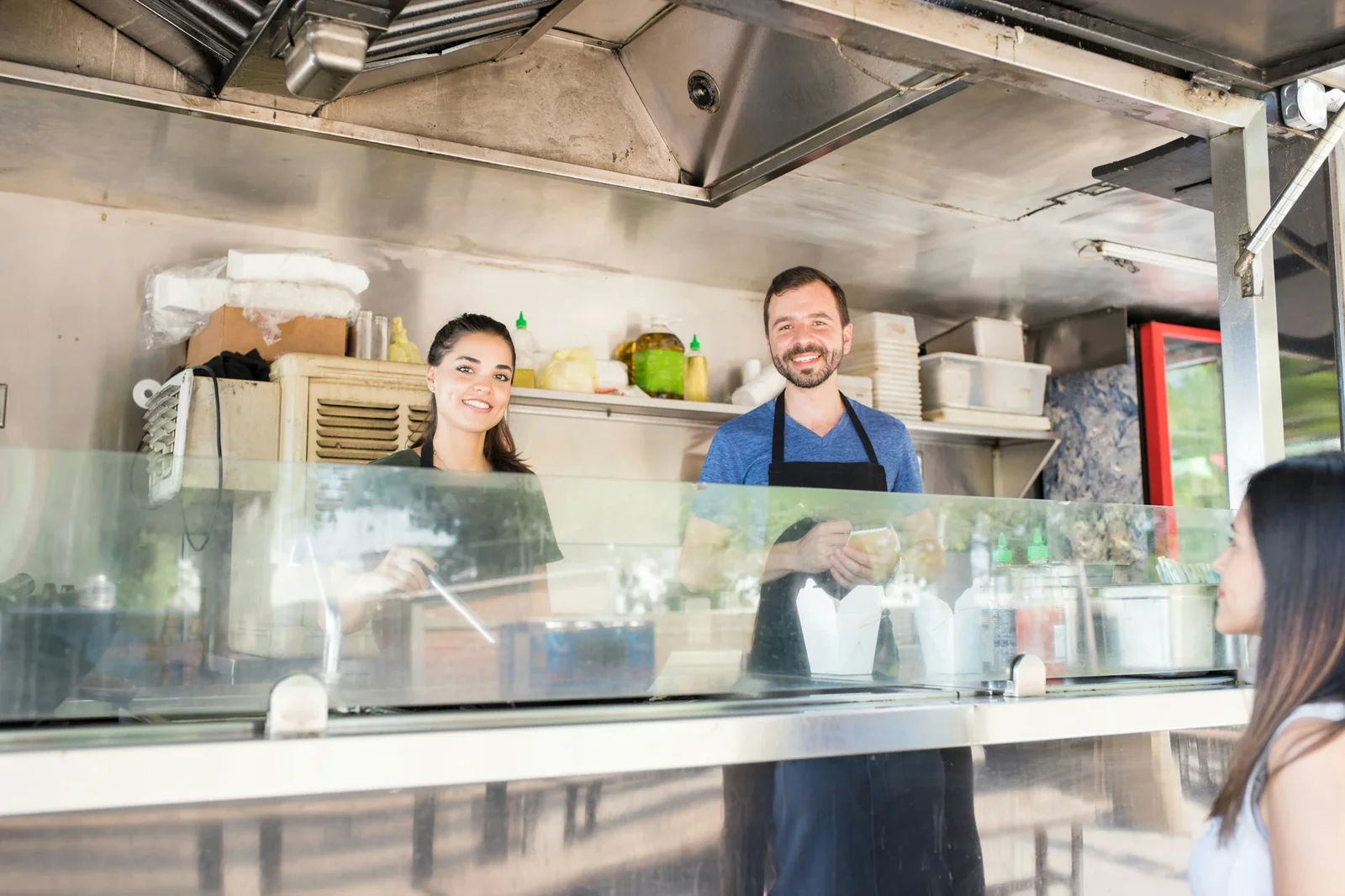
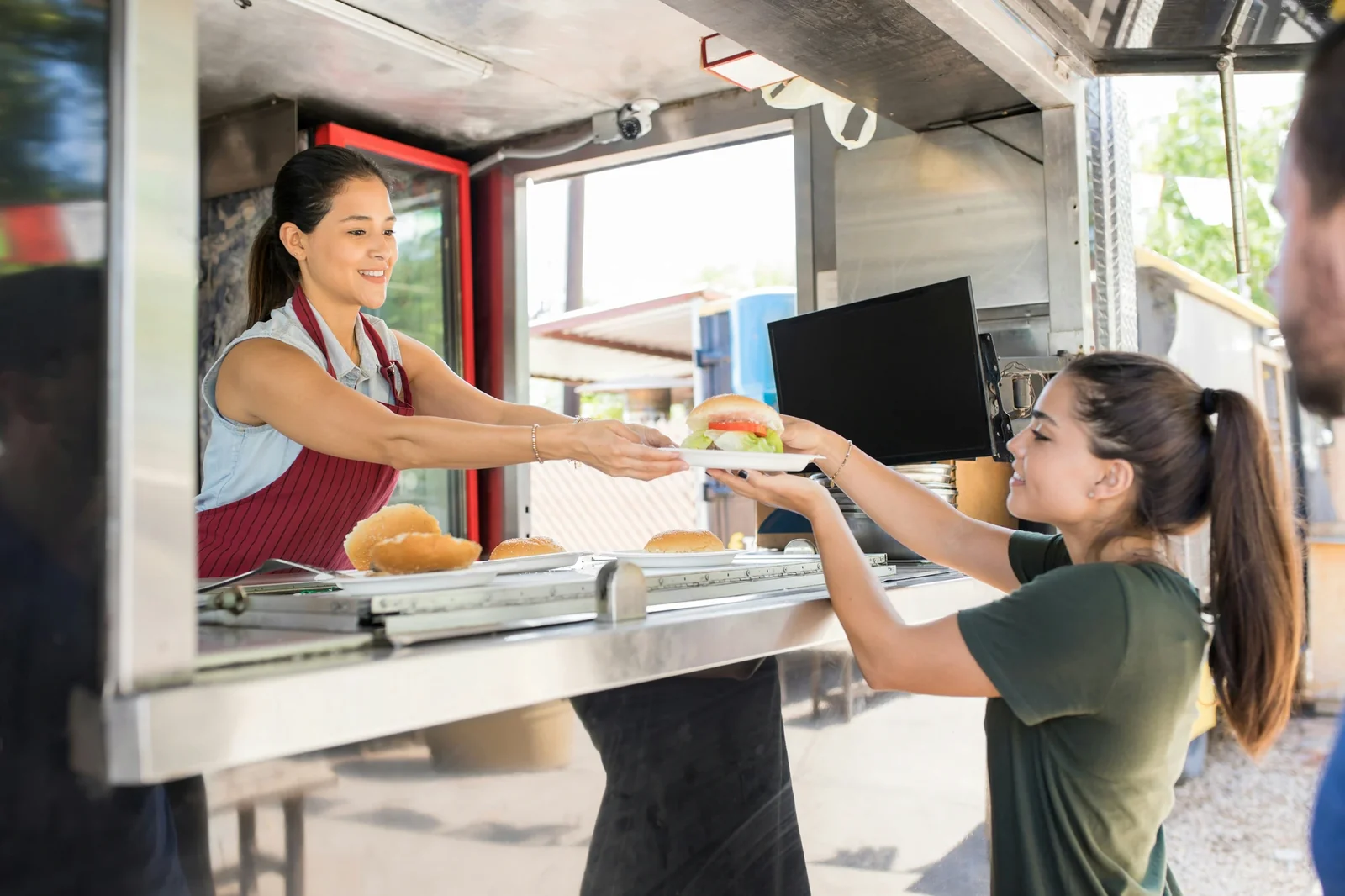
Win-back campaigns: Customer hasn't visited in 30 days? Automatic message with incentive to return. Win-back automation is especially critical for food trucks using digital loyalty cards, where customers can't default to habit—if you don't remind them where you'll be parked next week, they'll forget you exist no matter how good the food was. You define the trigger. It runs automatically.
Milestone celebrations: Customer hits 10 visits? 25 visits? 50 visits? Automatic "Congratulations!" with bonus reward.
Post-visit thank you: Customer visits. Automatic "Thanks for dining with us" message 24 hours later with invitation to leave Google review (see next section).
This is the difference between loyalty programs that engage customers and loyalty programs that just exist on paper.
Google Review Rewards (More Reviews = More Customers)
Here's what most restaurants miss about online reviews: they're not just social proof. They're SEO and discovery.
When someone searches "best Italian restaurant near me," Google shows restaurants with:
High review ratings
Recent review activity
High review volume
More reviews = better ranking = more discovery = more customers. Pizza restaurants benefit disproportionately here because "best pizza near me" is one of the highest-volume local search queries in the UK—a pizza restaurant loyalty program that incentivizes reviews can shift your Google ranking faster than any paid campaign.
Perkstar automates this. Customer visits. Automatic campaign: "Enjoyed your meal? Leave us a Google review and get a free appetizer on your next visit."
They leave review. System detects it. Automatically awards the reward.
You're not manually tracking reviews. You're not manually issuing rewards. It's automated incentive for the one thing that drives more walk-in traffic than almost anything else.
Referral Program (Turn Customers Into Salespeople)
Your best marketing isn't Facebook ads. It's your satisfied customers telling their friends.
Referral programs systematize this: "Bring a friend. When they visit and join our loyalty program, you both get a £10 credit."
Now your existing customers are actively recruiting new customers. Every referral also grows your owned marketing channel—each new signup hands you a verified email address, which is how loyalty cards quietly build your email list into something worth more than your entire social media following. Because both parties benefit.
Cost to you: £20 in credit (£10 each) for acquiring a new customer you'll make £500+ from over their lifetime. Cost of Facebook ad to acquire same customer: £25 with no guarantee they're qualified.
The referred customer is also higher quality—they come in with social proof from a friend. They're more likely to return.
Customer Analytics (Know Your Business)
You can't optimize what you don't measure.
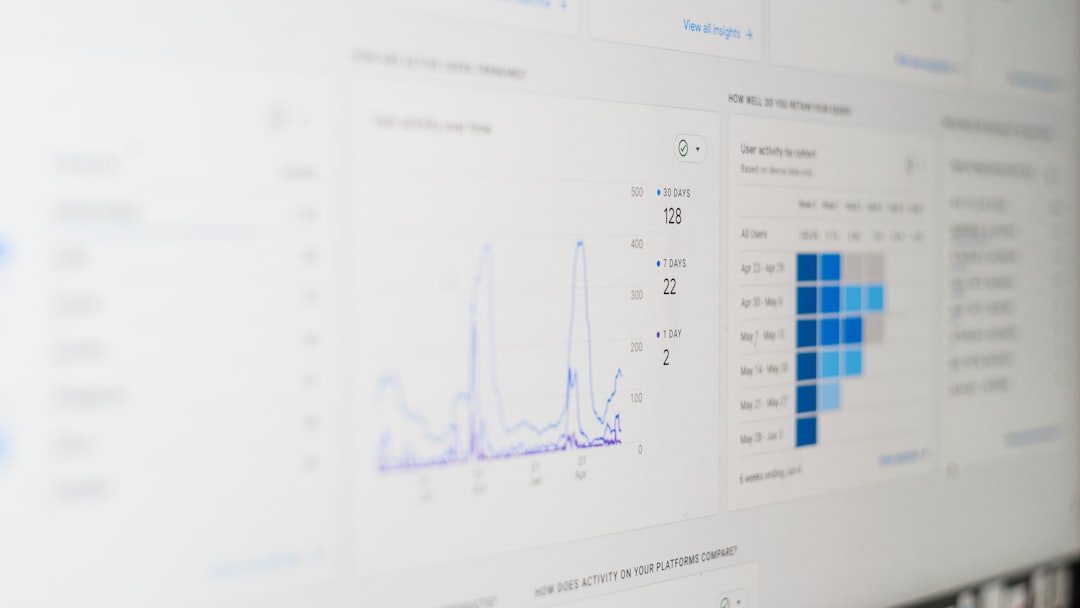
Perkstar's analytics show:
Which customers visit most frequently
Average spend per customer
Redemption rates on different reward types
Which promotions drive the most visits
Customer lifetime value
Churn risk indicators (who's about to leave)
This is data most restaurants don't have. You know table counts. You know daily revenue. If you're running both dine-in and online ordering, these analytics become even more powerful when your loyalty program spans in-store and online channels—you can see whether your delivery customers ever convert to higher-margin dine-in visits. But do you know:
Who your top 50 customers are by lifetime value?
Which customers used to visit weekly but haven't been in for three weeks? (Churn risk)
What percentage of customers redeem loyalty rewards?
How many visits does the average customer make before churning?
This data changes how you operate. You can identify and save your best customers before they churn. You can test which rewards actually drive behavior. You can segment customers and market to them differently.
Built-In CRM (No Spreadsheets Required)
Customer relationship management sounds corporate. It's not. It's just: knowing who your customers are and what they care about.
Perkstar's CRM stores:
Customer names and contact info
Visit history and frequency
Preferences (if you track them—"always asks for window table," "allergic to shellfish")
Lifetime spend
Last visit date
Notes from staff
This is the information that makes customers feel recognized. Server can pull up a regular's profile, see they usually order the carbonara and Pinot Grigio, and say "The usual today, Sarah?"
That's not creepy database stalking. That's genuine recognition. And it's impossible to do at scale without infrastructure.
Real-World Restaurant Workflow (How This Actually Works)
Theory is useless without execution. Here's what this looks like during actual service:
Customer arrives for first time:
Enjoys meal
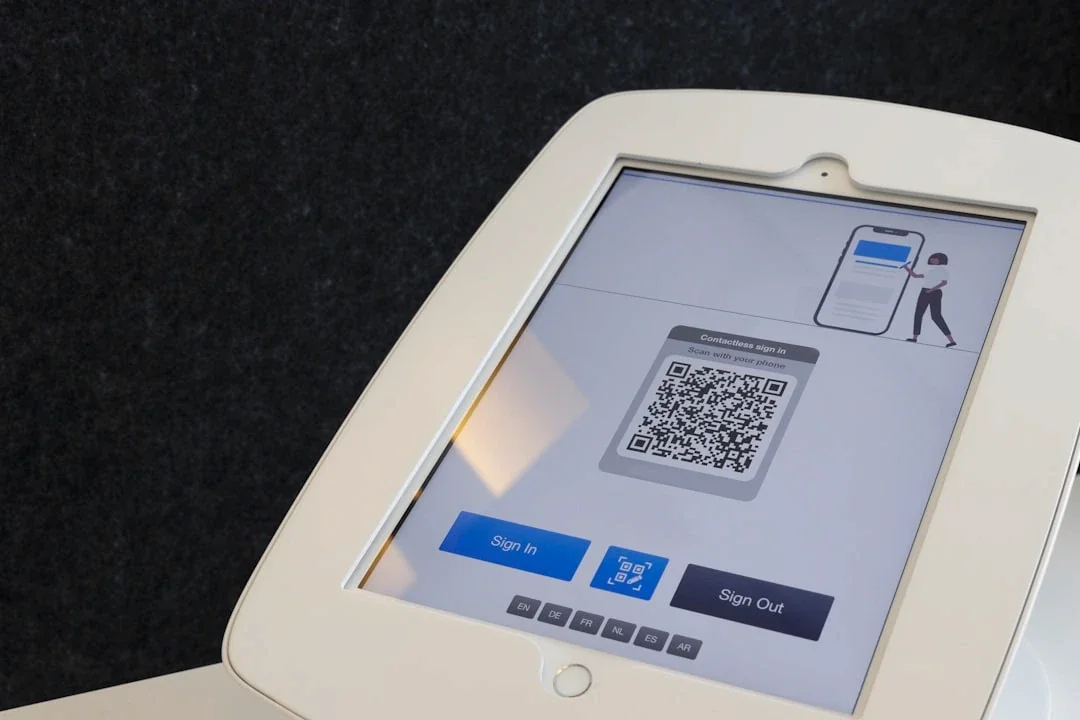
Server mentions at end: "Want to join our loyalty program? Free meal after 10 visits. Just scan this QR code."
Customer scans QR code at table
Digital stamp card appears in their phone's Apple/Google Wallet
They're enrolled (you now have their email and basic info)
Customer returns (2nd-10th visit):
Customer shows digital card from phone wallet
Server scans it with scanner app
Stamp is automatically issued
Takes 5 seconds, no interruption to service
Customer returns (11th visit):
Their card shows 10/10 stamps—free meal earned
Server scans card, confirms reward, applies it
Transaction recorded in system
Card resets to 0/10 for next reward cycle
Customer continues the journey
Ongoing (automated):
Customer gets birthday message with free dessert offer
If they don't visit for 30 days, automatic win-back message
When they hit milestone visits (25th, 50th), automatic celebration message
If it's slow Tuesday, you send targeted promotion to all loyalty members
Behind the scenes (you're tracking):
You know who visited when
You can see visit frequency trending up or down
You identify your top 10% of customers and give them VIP treatment
You see which promotions drove the most redemptions
You optimize rewards based on what actually drives behavior
This isn't theory. This is how restaurants are running loyalty programs that actually impact revenue.
The Economics Make This Mandatory
Let's be specific about what loyalty infrastructure costs vs what it returns.
Cost: Perkstar starts at £15/month. That's £0.50/day. Less than one coffee. Less than half an appetizer. At that price point, the question isn't whether you can afford loyalty infrastructure—it's which platform gives you the best return, and a comparison of the top loyalty apps for restaurants shows the gap between basic stamp-only tools and full-stack systems is wider than most owners realize.
Return: If loyalty program increases visit frequency from 1.8x/month to 2.4x/month across 200 enrolled customers:
200 customers x 0.6 additional visits x £35 average check = £4,200/month additional revenue Minus the £15/month platform cost = £4,185/month net gain
That's not ROI. That's 278x ROI. That's absurd.
Even if it only works half as well—£2,000/month increase—you're still at 133x ROI.
The question isn't whether this pays for itself. The question is why you're not using it yet.
Who Should Use This (And Who Shouldn't)
This infrastructure works for most restaurants. But not all.
You should implement this if:
You have repeat customers (or want them)
Average check is £12+
You're open 5+ days/week
You want more predictable revenue
You're tired of competing purely on daily deal sites
You probably don't need this if:
You're Michelin 3-star with year-long waitlists (you have different problems)
You're pure takeaway with zero repeat behavior (though even this is questionable)
Your average check is under £8 (economics are harder)
You're closing in three months (obviously)
For the 95% of restaurants in between—casual dining, fast-casual, family restaurants, neighborhood spots, ethnic cuisine, lunch places, dinner spots—this infrastructure is the difference between hoping for customers and engineering repeat visits.
Getting Started Without Overthinking It
Most restaurants never launch loyalty programs because they overthink the setup.
You don't need perfect. You need good enough to start.
Week 1:
Sign up for Perkstar
Choose one card type (start with stamp cards—simplest)
Set up the card (10 visits = free meal, or whatever works)
Print QR codes for tables
Week 2:
Train staff on 30-second pitch: "Want to join our loyalty program? Free meal after 10 visits—just scan this QR code."
Soft launch with your regulars
Get feedback
Week 3:
Public launch: table tents, social media, tell everyone
Track enrollment rate
Adjust pitch if needed
Month 2:
Add automation (birthday rewards, win-back campaigns)
Set up Google review rewards
Test push notifications during slow periods
Month 3:
Add second card type if first one is working (maybe membership cards for top customers)
Optimize based on data
Scale what works
The point: start simple. Get something working. Add complexity as you learn what resonates.
Perfect delayed is worse than good enough now.
The 2026 Competitive Reality
Your competitors are implementing this. Maybe not this quarter. But they will.
The restaurant that builds loyalty infrastructure first in your market will capture your shared customers. Once someone has 7/10 stamps at the competitor, they're not splitting visits 50/50 with you anymore. They're completing their card.
This is a land grab for customer loyalty. First mover advantage is real.
The technology has democratized. What used to require enterprise budgets now costs £15/month. What used to require developers now requires QR codes and 10 minutes of setup. If you're comparing options, the UK loyalty app landscape for small businesses has shifted dramatically—what used to be a market of overpriced enterprise tools now includes platforms built specifically for independent operators.
The barrier isn't technology or cost. It's deciding to actually do it.
Your Tuesday afternoons are empty either way. Your best customers are visiting irregularly either way. Your cash flow is volatile either way.
You can hope things improve, or you can build infrastructure that makes improvement inevitable.
Stop competing for one-time customers. Start building a base of regulars. Perkstar gives restaurants everything covered in this guide: eight card types, automated campaigns, customer analytics, and infrastructure that actually works during service.
The restaurants winning in 2026 won't have the best food. They'll have the best business model.
Start your free trial →