7 Elements of a Loyalty Marketing Plan That Drives Real Growth

You've got a loyalty program. Customers are signing up. They're earning stamps or points.
But here's the question: is it actually driving your business forward?
Most loyalty programs exist. They tick a box. They give you something to mention at checkout. But they're not doing the heavy lifting they should be—turning occasional customers into regulars, increasing how much people spend, or bringing in new customers through word-of-mouth.
The difference between a loyalty program that merely exists and one that genuinely grows your business comes down to how you market it. Not just whether you have rewards, but how you structure them, promote them, and integrate them into your overall business strategy.
This guide breaks down the seven essential elements your loyalty marketing plan needs to actually move the needle. These aren't theoretical best practices—they're practical components that UK small businesses are using right now to turn loyalty programs from "nice to have" into profit centers.
Why Most Loyalty Marketing Plans Fail (And Yours Doesn't Have To)
Before we get to what works, let's address why so many loyalty programs underperform.
The typical scenario: A business launches a loyalty program with good intentions. They offer rewards. They mention it to customers occasionally. Staff sometimes remember to promote it. A few regular customers use it.
And that's where it stalls.
The problem isn't the loyalty program itself—it's the absence of a marketing plan around it.
A loyalty program is just software or cards sitting dormant until you actively use it as a marketing tool. The businesses seeing real results aren't the ones with the fanciest rewards—they're the ones who've integrated loyalty into every aspect of how they communicate with and market to customers. For coffee shops especially, where margins are thin and competition is relentless, choosing the right loyalty app for your café can mean the difference between a program that gathers dust and one that genuinely shifts customer behaviour. Part of the issue is that most business owners haven't clearly defined what customer loyalty actually is—they conflate repeat purchases with genuine loyalty, which leads to programs that reward transactions without building the emotional connection that keeps people coming back when a competitor undercuts your price.
Here's what a proper loyalty marketing plan does:
Drives consistent signups (not just hoping customers notice)
Increases visit frequency through strategic incentives
Boosts transaction value with smart upselling
Generates referrals that reduce customer acquisition costs
Creates emotional connection that makes customers choose you over competitors
The seven elements below are the building blocks. Miss any of them, and you're leaving money on the table.
1. Strategic Signup Incentives That Actually Convert
Most businesses treat signup as an afterthought. "Join our loyalty program!" appears on a counter sign, and that's it.
The problem: Customers need a reason to act now, not "maybe later when I remember."
The solution: Make joining immediately valuable.
Signup incentives that work:
Immediate reward upon joining: "Sign up now and get your first stamp free" or "Join today, get 10% off your next visit." This creates instant gratification and converts fence-sitters into members on the spot. There's a secondary benefit too: every signup captures contact details you own, and building your email list through loyalty signups gives you a direct marketing channel that doesn't depend on social media algorithms or rising ad costs. The structure of your reward—how many stamps, what the reward is, how it's presented—matters more than most owners realise, and designing your stamp card strategically from day one prevents the common mistake of setting thresholds that feel unreachable.
Time-limited bonuses: "Join this week and start with double points for your first month." The deadline creates urgency.
Exclusive perks from day one: "Members get priority booking" or "Members-only access to new products." You're not just offering rewards later—you're providing value immediately.
The psychology here is simple: people join loyalty programs when the benefit is clear and immediate. "Earn points eventually" is vague. "Get 10% off your current purchase by scanning this QR code" is concrete.
With Perkstar, you can configure welcome rewards that trigger automatically the moment someone joins. Set it once—for example, "all new members get their first stamp free"—and it runs forever without you needing to remember or manually apply it.
Implementation tip: Train staff to say this exact phrase: "Do you have our loyalty card? Takes five seconds to join, and you'll get [specific benefit] today." Specificity converts. Vagueness doesn't.
2. Frequency Drivers That Turn Occasional Visitors Into Weekly Regulars
Here's the metric that matters most for small businesses: how often do customers come back?
A customer who visits once a month at £10 average spend is worth £120/year. A customer who visits weekly at the same spend? £520/year. Same customer, different frequency, four times the value.
Your loyalty marketing plan needs mechanisms specifically designed to increase visit frequency.
Frequency drivers that work:
Progress visibility: When customers can see "8 out of 10 stamps" on their digital loyalty card, they're psychologically motivated to complete it. You've created an open loop their brain wants to close.
Win-back campaigns: Automated messages to customers who haven't visited in 30-45 days. "We miss you! Here's a special offer to welcome you back." This catches people who've drifted before they're lost forever.
Time-sensitive offers: "This reward expires in 7 days" creates urgency. Customers visit sooner rather than letting it sit indefinitely.
Milestone celebrations: "You've visited 10 times! Here's a bonus reward to say thank you." This recognizes frequency and encourages it to continue.
Strategic promotions during slow periods: Send push notifications on your slowest days: "Quiet Tuesday? We've got space—show this for 15% off before 3pm today." This fills gaps using your existing customer base.
The key is making these frequency drivers automatic, not things you manually manage.
Perkstar's automated re-engagement campaigns handle this without you thinking about it. Set a simple rule—"if customer hasn't visited in 45 days, send this message"—and the system executes forever. Same with reward expiry notifications, milestone celebrations, and time-sensitive offers.
UK context matters here: With the cost of living still squeezing household budgets, customers are visiting businesses less frequently overall. Your loyalty marketing plan needs to actively fight this trend by giving them compelling reasons to visit more often.
3. Basket-Size Boosters That Increase What Customers Spend Per Visit
Frequency matters. But so does transaction value.
Getting customers through the door more often is step one. Getting them to spend more when they're there is step two.
Basket-size strategies that work:
Points multipliers on certain items: "Earn double points on smoothies this week." This directs customers toward higher-margin items or products you want to move.
Threshold bonuses: "Spend £15 or more today, get 50 bonus points." Customers who were going to spend £12 will add a pastry to hit the threshold. Coffee shops in the US have been particularly aggressive with this tactic, and the top-rated loyalty apps for American cafés now include built-in threshold and multiplier features specifically because they reliably lift average transaction values by 15–25%.
Bundling rewards: "Buy any coffee, get a pastry for £1 (members only)." The bundled price is better than buying separately, encouraging add-on purchases. Shake and tea shops have found this approach especially effective, since building loyalty in a competitive drinks market often comes down to encouraging customers to try premium add-ons like toppings and extras they wouldn't normally order.
Tiered rewards: "Spend £50 this month, unlock a special reward. Spend £100, unlock an even better one." Gamifies spending levels.
Personalized upsells: If a customer always buys lattes, send them a targeted offer: "Try our new oat milk latte—members get it for the price of regular milk this week."
The sophistication here comes from data. When you know what customers typically buy, you can make relevant suggestions rather than generic "would you like fries with that" attempts.
Perkstar's customer data tracking shows you purchase patterns. You can segment customers (frequent coffee buyers vs. occasional visitors vs. high spenders) and send targeted promotions that make sense for each group.
Important caveat: Don't train customers to only spend when there's an offer. Use basket-size boosters strategically—maybe once or twice a month—not constantly. You want to increase spend without conditioning customers to wait for promotions.
4. Personalization Engines That Make Customers Feel Known
Generic loyalty marketing feels like spam. Personalized loyalty marketing feels like service.
The difference:
Generic: "20% off everything this weekend!"
Personalized: "Sarah, your usual flat white? Here's 20% off pastries to go with it."
Personalization elements that matter:
Name recognition: Use customers' first names in communications. "Hi Tom, you're one stamp away from your reward!" feels more personal than "Dear valued customer." But there's an important distinction here: slapping a customer's name on a card isn't personalization—it's decoration. The personalization that actually drives retention is behavioral, not cosmetic, built on purchase patterns and visit timing rather than name fields.
Preference acknowledgment: "You usually visit on Thursdays—here's a Thursday-only offer just for you." Shows you notice patterns. Private clinics see this play out clearly: a patient who receives a timely reminder about their next treatment session based on their specific care plan is far more likely to complete the full course, which is why loyalty programs designed for clinics focus heavily on behavioural triggers rather than blanket promotions.
Purchase history awareness: "You loved the chocolate croissant last time. This week we've got almond croissants too." Relevant recommendations based on what they actually buy.
Birthday recognition: Automated birthday rewards that arrive on the right day with a personalized message create memorable moments.
VIP treatment for top customers: Your highest-value customers should get different (better) treatment than occasional visitors. Early access, exclusive offers, surprise bonuses.
The balance: Personalization should feel helpful, not creepy. "We thought you might like this based on what you usually order" = good. "We've been tracking your purchase times and noticed you're always here at 7:15am" = invasive.
With Perkstar's customer segmentation tools, you can divide your loyalty members into groups (VIPs, regulars, occasional visitors, lapsed customers) and send each group targeted messages that make sense for their specific relationship with your business.
UK privacy context: GDPR means you need explicit consent to market to customers. But when customers join your loyalty program and opt in to communications, you've got permission to send relevant, personalized offers. Just make opting out easy, and don't overdo the frequency.
5. Referral Mechanisms That Turn Customers Into Your Marketing Team
Customer acquisition is expensive. Referrals are (nearly) free.
The numbers: Acquiring a new customer through paid advertising costs £15-30 on average. Acquiring one through referral? The cost is just the reward you give both parties, which they fund through their purchases anyway.
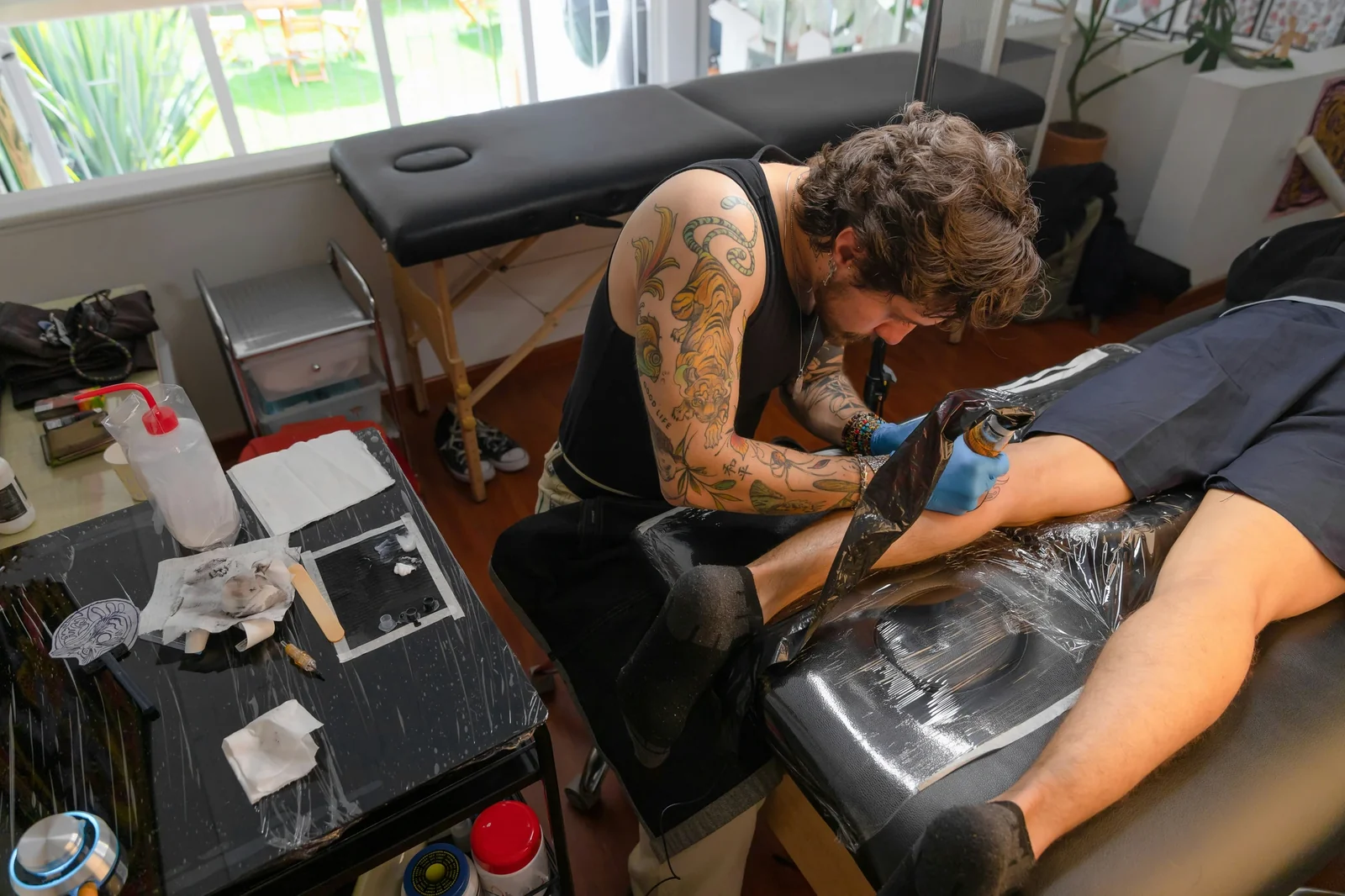
Plus, referred customers are better quality—they arrive pre-sold by someone they trust and are more likely to become loyal themselves. Tattoo studios are a prime example: a single referred client can represent thousands of pounds in lifetime value across multiple sessions, making structured loyalty programs for tattoo studios one of the highest-ROI referral investments in any service industry.
Referral strategies that work:
Dual-sided rewards: Don't just reward the referrer. Reward the new customer too. "Bring a friend, you both get a free coffee" converts better than "refer someone, get a free coffee."
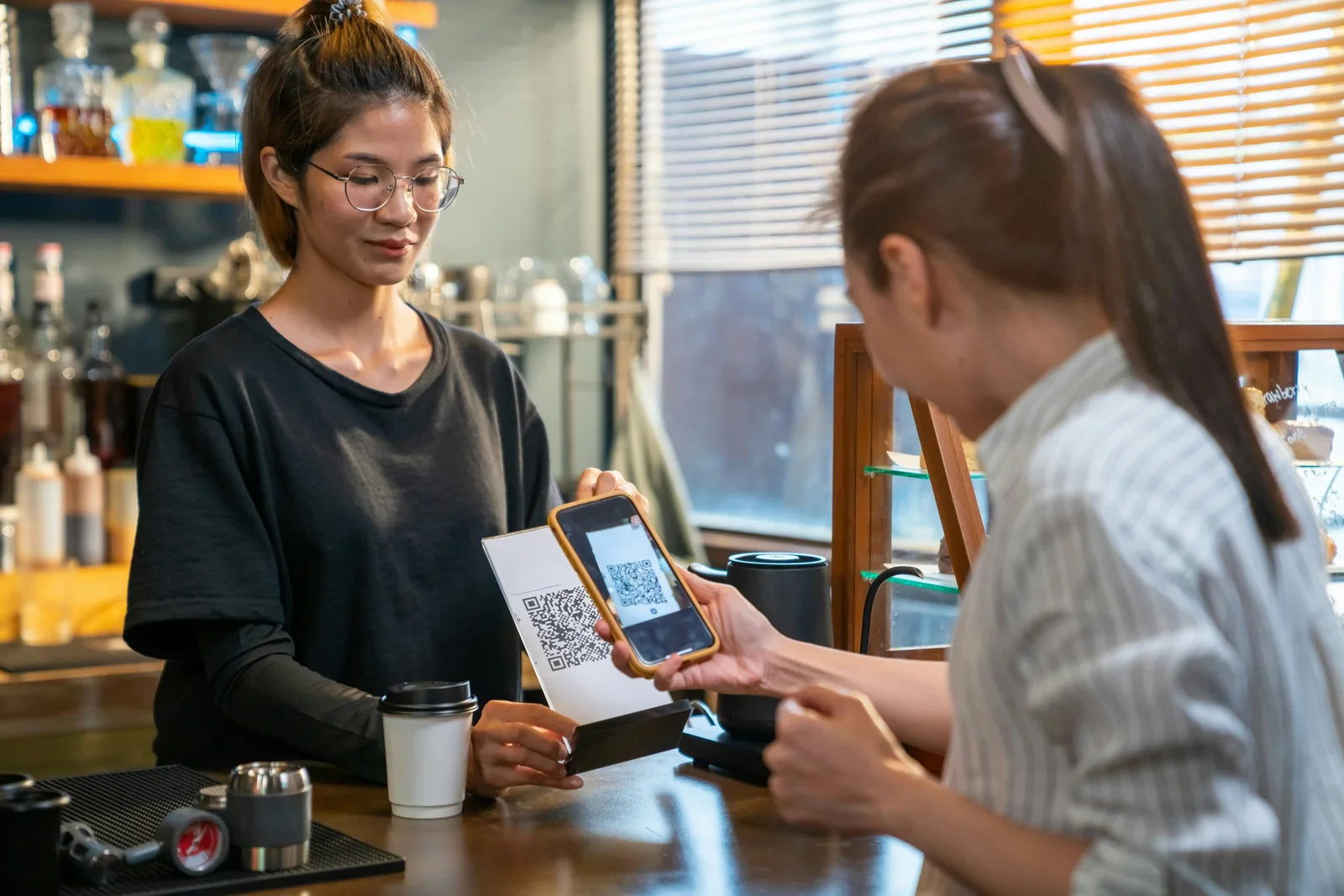
Make sharing effortless: The referral process should be one tap: share a QR code or link via text/WhatsApp. If it requires forms or complicated steps, it won't happen.
Immediate gratification: Both parties should see their rewards the moment the referral is complete, not "within 7-10 business days."
Promote referrals regularly: Customers can't use your referral program if they forget it exists. Mention it monthly via push notifications or at checkout.
Track and reward top referrers: If someone refers five friends, they deserve special recognition and maybe a bonus reward.
Social proof amplification: When customers post about your business on social media, make it worth their while. "Post a photo with our products, tag us, get bonus points." Free marketing that reaches their entire network.
Perkstar's referral program automates the entire process. Customer taps "refer a friend," shares a QR code, friend scans it and joins, both get rewards automatically. You set the parameters once, and the system handles tracking and reward distribution forever.
Real impact: Even a modest 10% referral rate from your customer base (10 referrals per 100 active members) can reduce your marketing costs by 30-40% while bringing in higher-quality new customers.
6. Exclusive Perks That Make Membership Feel Valuable Beyond Discounts
Here's a trap many businesses fall into: making rewards all about discounts and free items.
The problem? It trains customers to see your loyalty program as just "get things cheaper," not as a genuinely valuable membership.
Exclusive perks that work better than discounts:
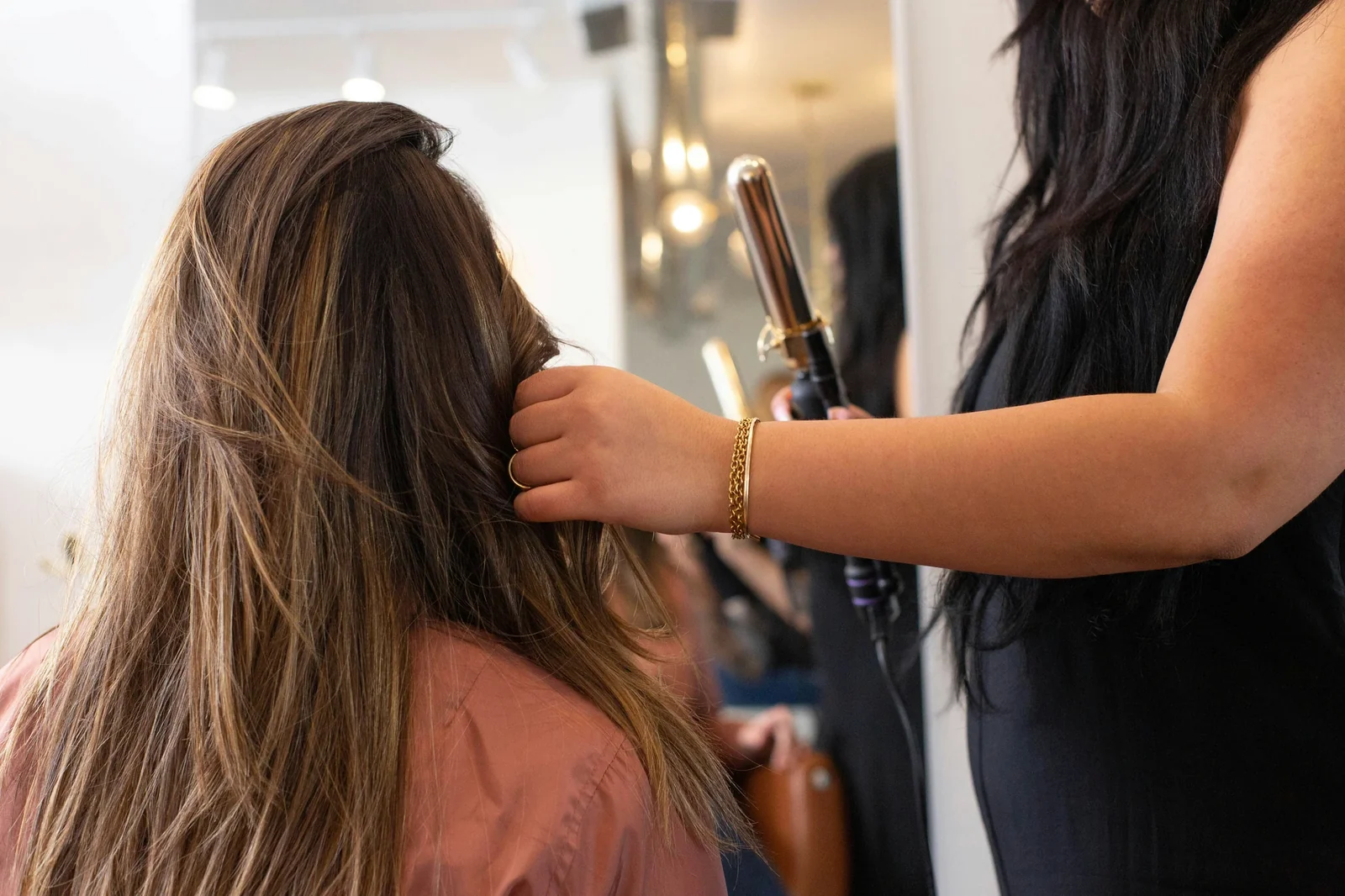
Priority access: Members book Saturday appointments before non-members. For barbershops, salons, and restaurants, access to prime times is worth more than 10% off. Tanning salons have discovered the same principle: members who get priority booking during peak summer months and exclusive access to new bed types stay loyal far longer than those offered discounts alone, which is why the best loyalty apps for tanning salons emphasise experiential perks over percentage-off deals.
Skip-the-queue privileges: During lunch rush, loyalty members have a dedicated fast lane. Time is valuable.
Early product access: Members get first shot at new menu items, seasonal products, or limited releases before the general public.
Exclusive events: Members-only tasting events, workshops, styling sessions, or behind-the-scenes experiences create memories (and social media content).
VIP treatment: Preferred seating, complimentary upgrades, extended service—things that cost you little but make members feel special.
Flexibility perks: More lenient return policies, free cancellation windows, or ability to modify bookings easily for members.
These perks cost less than heavy discounting but create stronger emotional connections. Customers feel like insiders, not just bargain hunters.
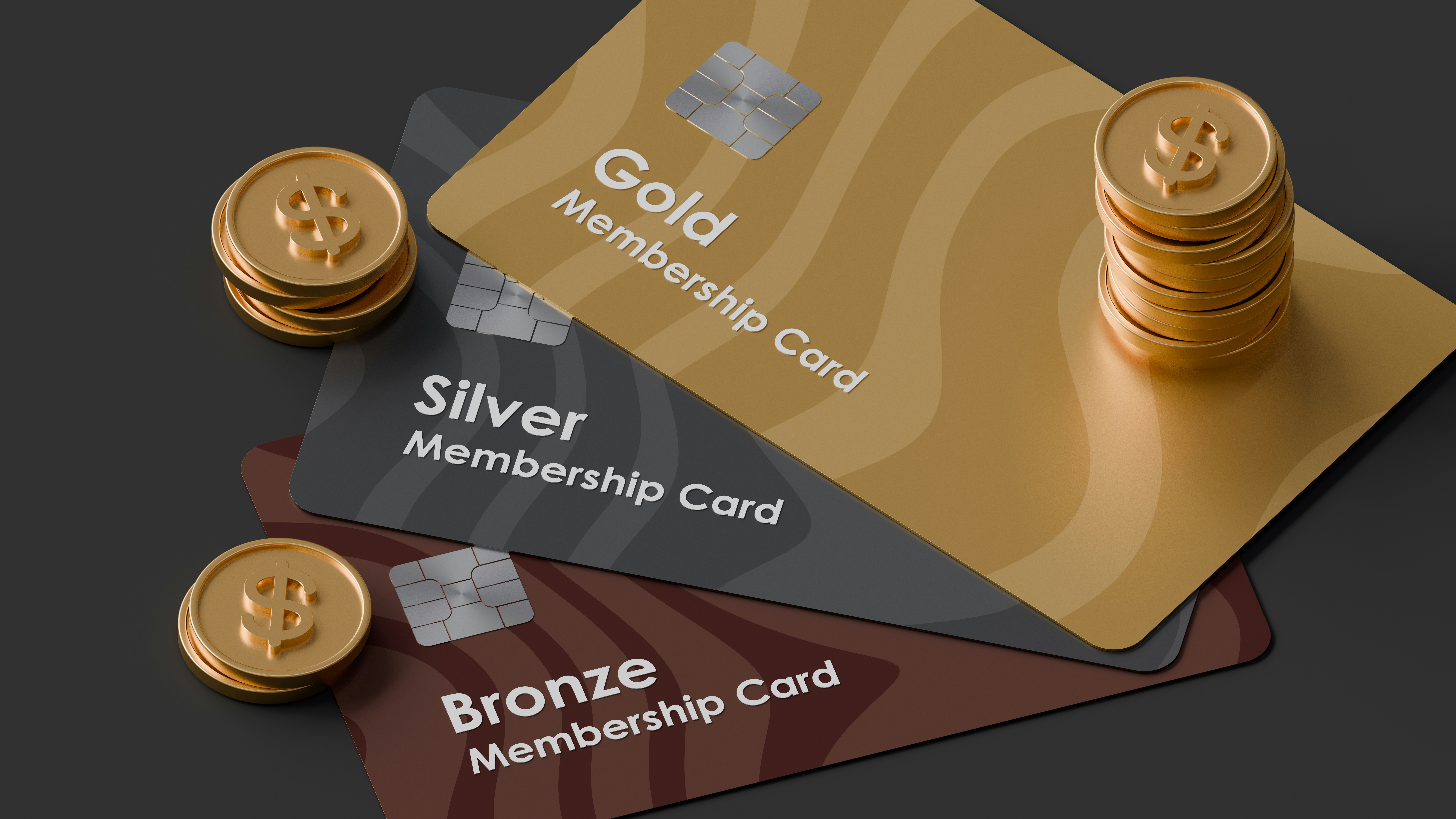
With Perkstar, you can structure loyalty programs around any of these perks, not just "buy X get Y free." Create membership cards that unlock benefits. Points systems where high spenders get VIP status. Multipass cards for unlimited access. The platform supports eight different card types specifically so you can design rewards around value, not just price cuts. The choice bites hardest in seasonal trades, where points, stamps or cashback for frozen yogurt shops turns on whether summer regulars return in January.
UK small business advantage: You can't compete with chains on price. But you can compete on making customers feel genuinely valued and recognized—something large corporations struggle to deliver authentically.
7. Community Building That Creates Emotional Investment Beyond Transactions
The strongest loyalty marketing plans don't just reward transactions—they build community.
Why this matters: Customers stay loyal to brands they feel emotionally connected to. That connection comes from feeling like they're part of something, not just buying something.
Community-building strategies:
Customer feedback loops: "Help us choose our next seasonal menu item—members vote!" People who influence decisions feel ownership.
User-generated content: Encourage customers to share photos, reviews, or experiences. Feature the best ones. People love seeing themselves represented by brands they support. Pet stores are natural community hubs for exactly this reason—owners already bond over shared experiences with their animals, and a well-structured loyalty program for pet stores can channel that emotional connection into regular visits, user-generated content, and genuine advocacy.
Shared values: If sustainability matters to your business and your customers, make it visible. "Every 10th reward redeemed = one tree planted." Customers feel they're contributing to something bigger. For restaurants, this might mean showing customers exactly how your business is becoming more environmentally friendly—from food waste reduction to supply chain changes—so members feel their loyalty supports practices they believe in.
Local partnerships: Team up with other local businesses for cross-promotion. "Show your loyalty card at [partnered business], get 10% off—and vice versa." Builds community while expanding reach.
Recognition programs: Publicly celebrate milestones. "Congratulations to James—our first customer to reach 50 visits!" (With permission, obviously.)
Member-only communication channels: WhatsApp groups, private Facebook communities, or exclusive email updates where members get insider information creates in-group feeling.
The goal: Transform your loyalty program from "a thing I use to get discounts" into "a community I'm part of."
This is harder to measure than visit frequency or transaction value, but the businesses that nail community building see dramatically higher customer lifetime value and lower churn.
Practical implementation: Start small. Add one community element this quarter—maybe a monthly poll where members choose a special of the week. Next quarter, add another—maybe feature customer photos on your social media. Community builds gradually, not overnight.
Modern Take: What Loyalty Marketing Looks like in 2026 for UK Small Businesses
Let's ground this in current reality.
Running a small business in the UK in 2026 means:
Customers spending more cautiously than previous years
Operating costs that have increased across the board
Competition from chains, online retailers, and other local businesses
Limited marketing budgets that make every pound count
Staff constraints that make complex systems impractical
In this environment, your loyalty marketing plan can't be resource-intensive or expensive. It needs to:
Work automatically: You don't have time to manually manage campaigns. Automation handles birthday rewards, win-back offers, referral tracking, and milestone celebrations without your involvement. Even local councils are adopting this approach, with digital loyalty programmes for council-run venues like leisure centres and country parks now using automated rewards to drive repeat visits without adding administrative burden to already-stretched teams.
Deliver measurable ROI quickly: You can't afford to invest in marketing that "might work eventually." Loyalty marketing should show clear results within 6-8 weeks: higher visit frequency, increased referrals, measurable retention improvements. Independent pharmacies are a case in point: customers already visit monthly for prescriptions, yet without a structured loyalty programme for independent pharmacies, those same customers buy their toiletries and supplements at chains that do reward repeat purchases.
Cost less than it returns: If your loyalty platform costs £30/month, it needs to drive more than £30/month in additional profit. The good ones deliver 10-20x returns through increased frequency, higher transaction values, and reduced customer acquisition costs.
Require minimal staff training: Your team should be able to promote and operate the loyalty program after a 5-minute explanation, not days of training.
Feel modern, not clunky: Digital wallet integration, instant rewards, push notifications—these aren't luxuries, they're expectations. If your loyalty program feels outdated, customers assume your business is too.
The UK businesses winning at loyalty marketing in 2026 have shifted from "do we need a loyalty program?" to "how can we use loyalty marketing as our primary customer retention strategy?"
They're spending less on constantly chasing new customers through paid advertising and more on keeping existing customers coming back more often—which is dramatically more cost-effective.
Perkstar is built specifically for this reality. The platform automates everything listed in these seven elements: signup incentives, frequency drivers, basket-size boosters, personalization, referrals, exclusive perks, and community building. Setup takes 1-2 hours. Ongoing management takes 10-20 minutes per week. The system handles the rest automatically while you focus on actually running your business. Shops on Shopify hit a limit here, since its loyalty apps follow the online basket, and Shopify loyalty alternatives for retail exist mainly to cover the counter.
Real-World Example: How a Cardiff Café Built a Loyalty Marketing Plan That Actually Works
Here's how these seven elements come together in practice (based on real patterns from UK Perkstar users):
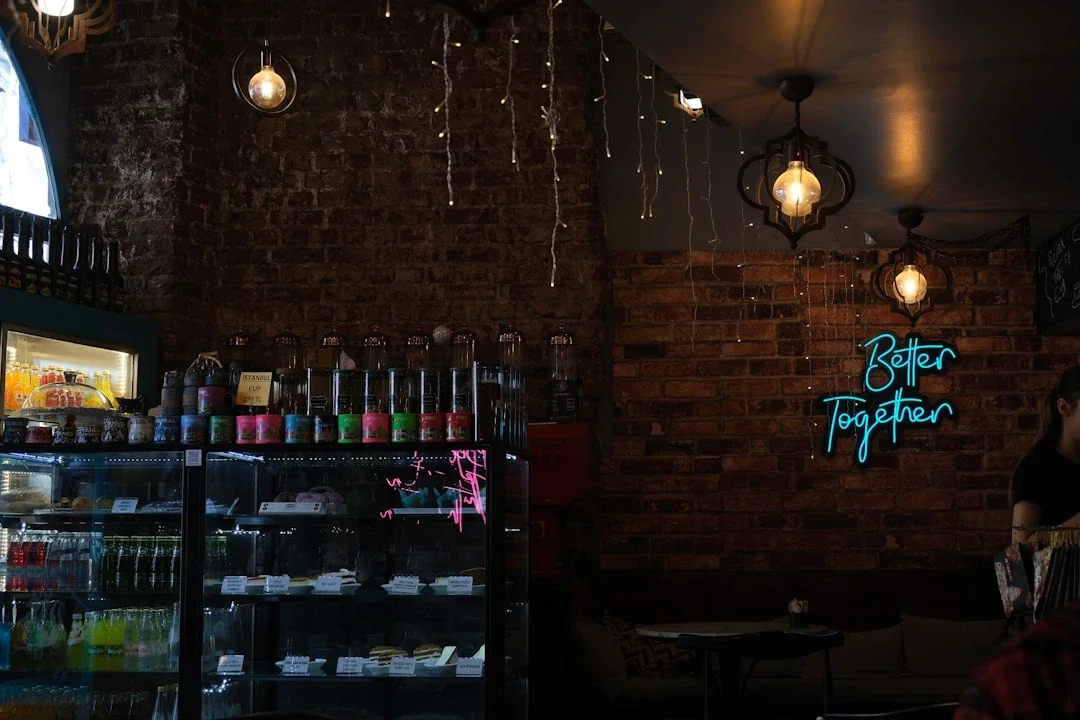
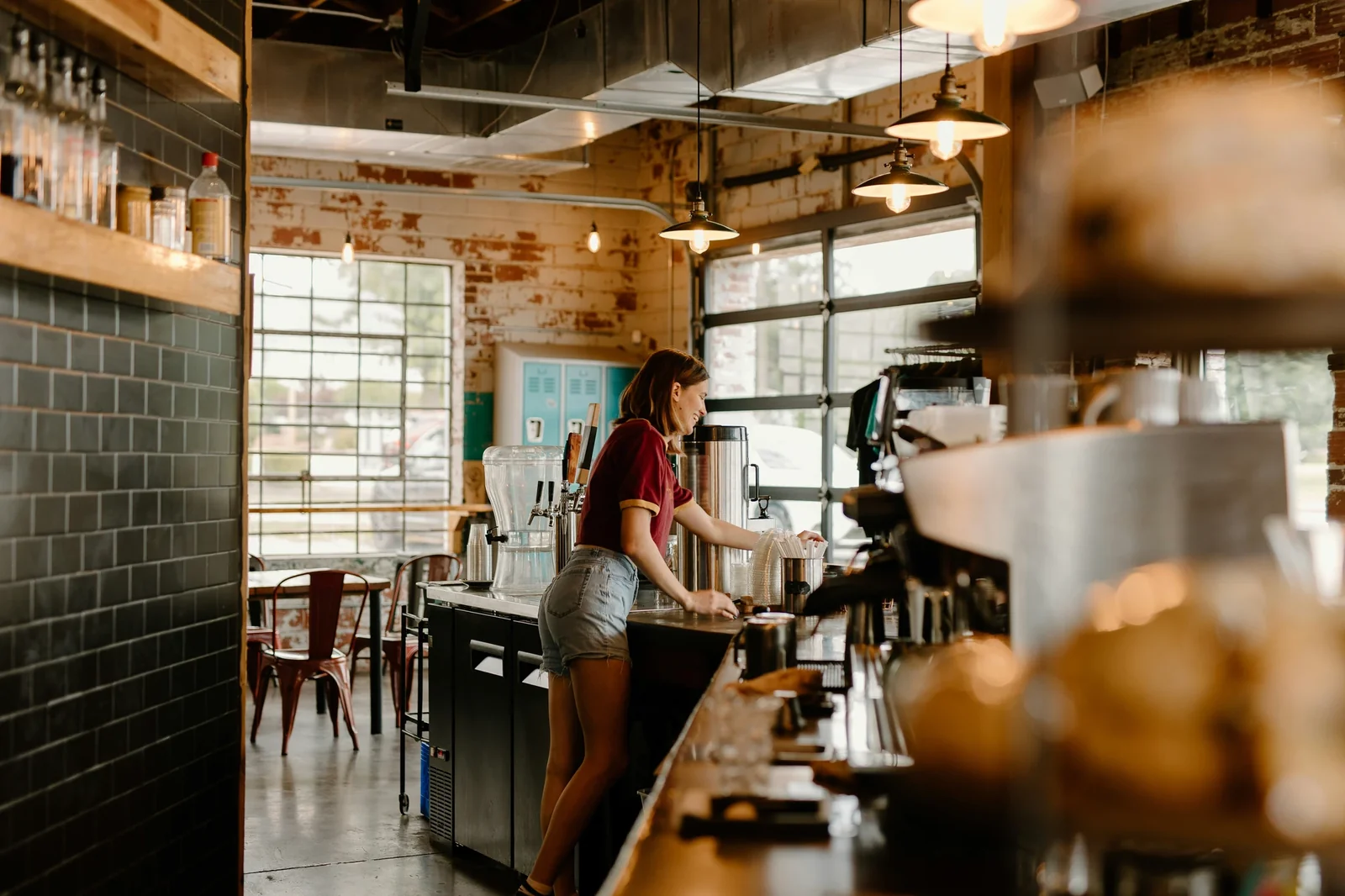
The Business: Independent café in Cardiff city center. Owner plus three part-time staff. Facing competition from two Costa locations within 200 meters and four other independent cafés on the same street.
The Challenge: Customers were treating all cafés interchangeably—going to whichever was closest or had shortest queue. No customer loyalty. One-time visitors rarely returned.
The Loyalty Marketing Plan (Implementing All 7 Elements):
Element 1 - Signup Incentive:
"Join our loyalty program today, get your first stamp free"
Promoted by staff at every checkout
Result: 200+ signups in first month
Element 2 - Frequency Drivers:
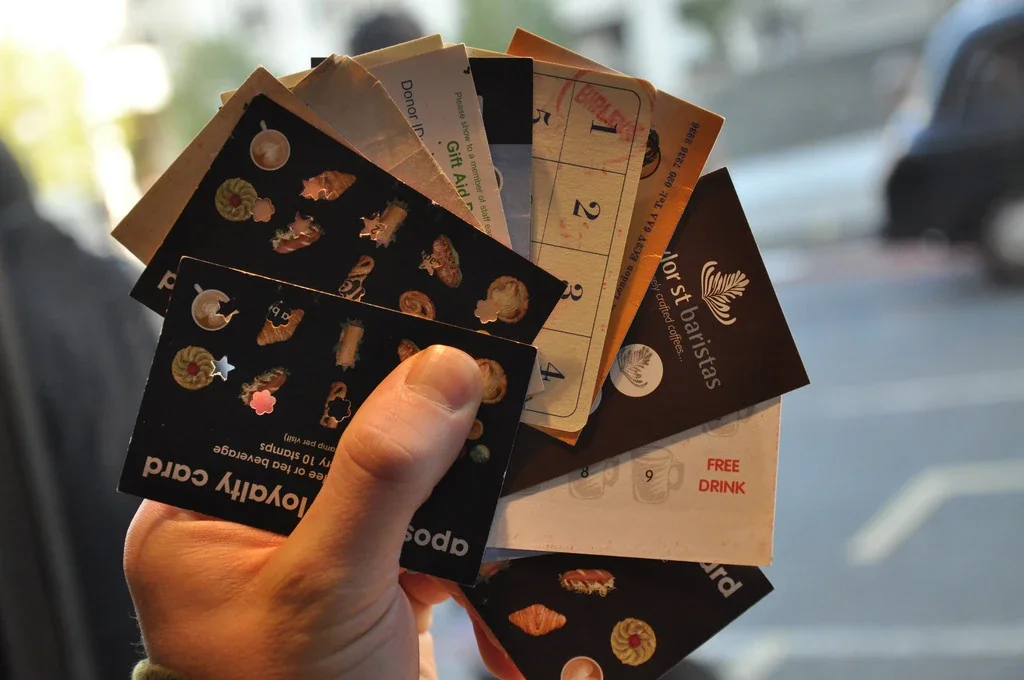
Standard stamp card: Buy 9, get 10th free
Automated 30-day win-back message for lapsed customers
Push notification when customer is one stamp away: "You're almost there!"
Result: Members visiting 2.7x per month vs. 1.1x for non-members
This pattern isn't unique to the UK—café loyalty programmes in New Zealand show remarkably similar results, with independent shops in Auckland and Wellington using the same frequency-driving mechanics to compete against chain dominance.
Element 3 - Basket-Size Boosters:
"Spend £8 or more, get 25 bonus points"
Monthly special: "Double points on all food purchases this week"
Result: Average transaction increased from £4.20 to £5.80 for loyalty members The total platform cost? Under £40/month—a figure that's typical for independent cafés, and one that the increased transaction values alone covered within the first fortnight. (If you're weighing up options, here's a full breakdown of café loyalty program costs in 2026.)
Element 4 - Personalization:
Birthday rewards (automated free pastry)
Customer names used in push notifications
VIP customers (20+ visits) get exclusive early access to new menu items
Result: 91% birthday reward redemption rate, strong emotional connection reported in feedback
Element 5 - Referral Mechanism:
"Bring a friend, both get free coffee"
One-tap QR code sharing via WhatsApp
Result: 47 new customers acquired through referrals in 3 months (£0 ad spend)
Element 6 - Exclusive Perks:
Members get priority seating during lunch rush
Members-only monthly tasting event for new menu items
Result: "I come here instead of Costa because I feel like I matter here" (actual customer quote)
Element 7 - Community Building:
Monthly "customer choice" poll: members vote on next seasonal drink
Featured customer photos on Instagram
Partnership with nearby bookshop: show loyalty card, get discount on books and vice versa
Result: Strong sense of regulars who identify as part of café's community
The Results (After 6 Months):
340 active loyalty members
64% of all transactions now involve loyalty card scan
Customer retention rate increased from 22% to 71%
Average customer lifetime value: £380 for members vs. £95 for non-members
Zero marketing spend on paid ads (all growth from loyalty + referrals)
Revenue increased 43% compared to previous year despite similar foot traffic
Owner quote: "We compete with chains by making customers feel part of something. Our loyalty marketing plan isn't just discounts—it's relationship building. That's something Costa can't replicate."
Time investment: 2 hours initial setup, 15 minutes per week ongoing management. Everything else automated.
The Bottom Line: Integration Is Everything
These seven elements work best when they work together.
Signup incentives bring customers into your loyalty program. Frequency drivers keep them coming back. Basket-size boosters increase what they spend. Personalization makes them feel known. Referrals turn them into advocates. Exclusive perks make membership valuable beyond discounts. Community building creates emotional investment.
Miss any element, and you're leaving opportunity on the table.
The businesses with the strongest loyalty marketing plans aren't necessarily the ones doing anything revolutionary—they're the ones systematically implementing all seven elements and letting them compound over time.
You don't need to do everything perfectly from day one. Start with the foundation (signup incentives, basic frequency drivers, simple referral program), then add sophistication over time as you see what resonates with your specific customers.
The key is having a loyalty platform that makes implementing all seven elements practical, not theoretical.
Ready to build a loyalty marketing plan that actually grows your business? Start your free 7-day trial with Perkstar—no credit card required. Get the tools to implement all seven elements: automated campaigns, referral programs, customer segmentation, exclusive perks, and community building features—all in one platform designed for UK small businesses.