Beyond Points: How Surprise Moments Build Stronger Customer Loyalty

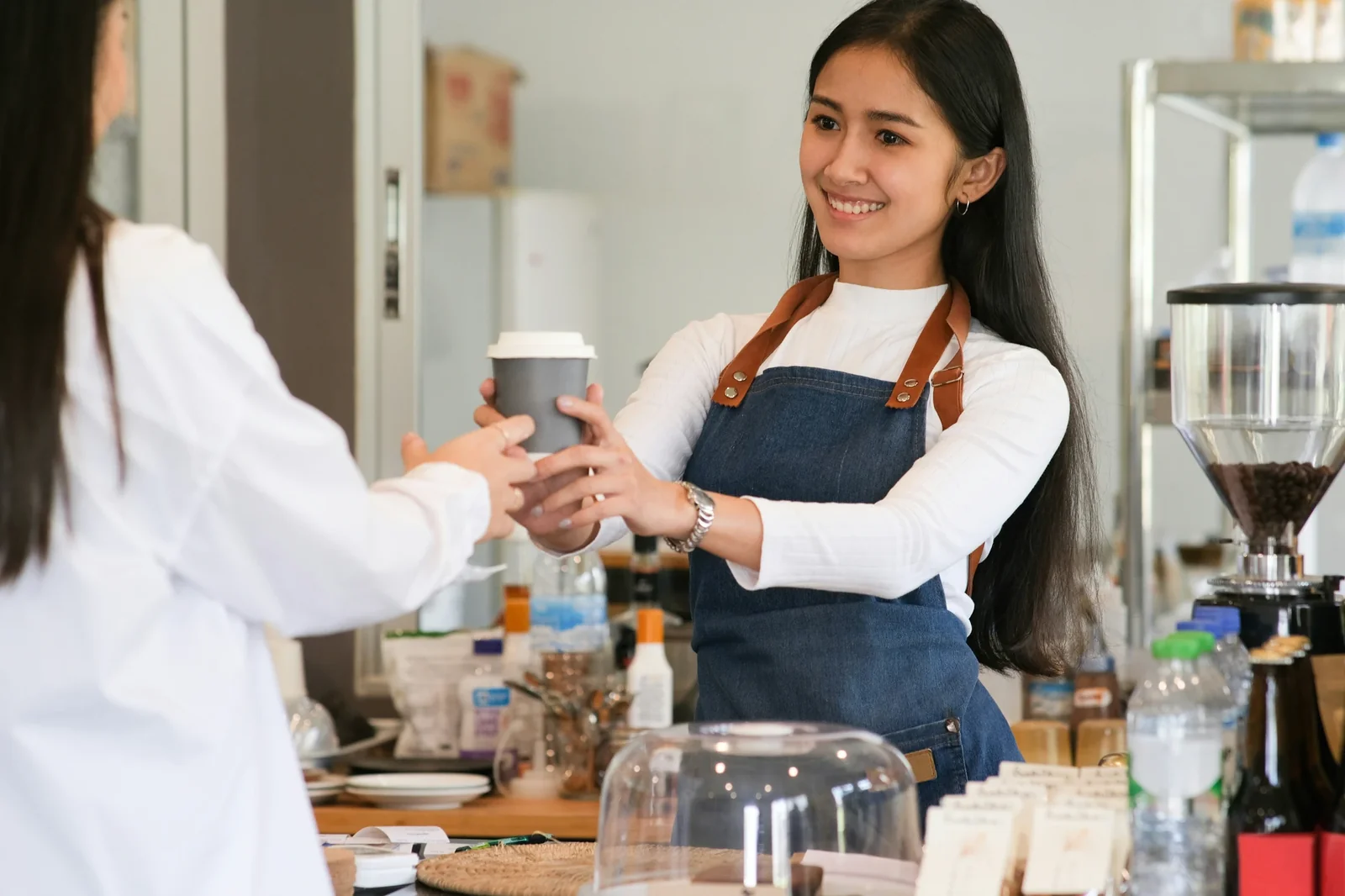
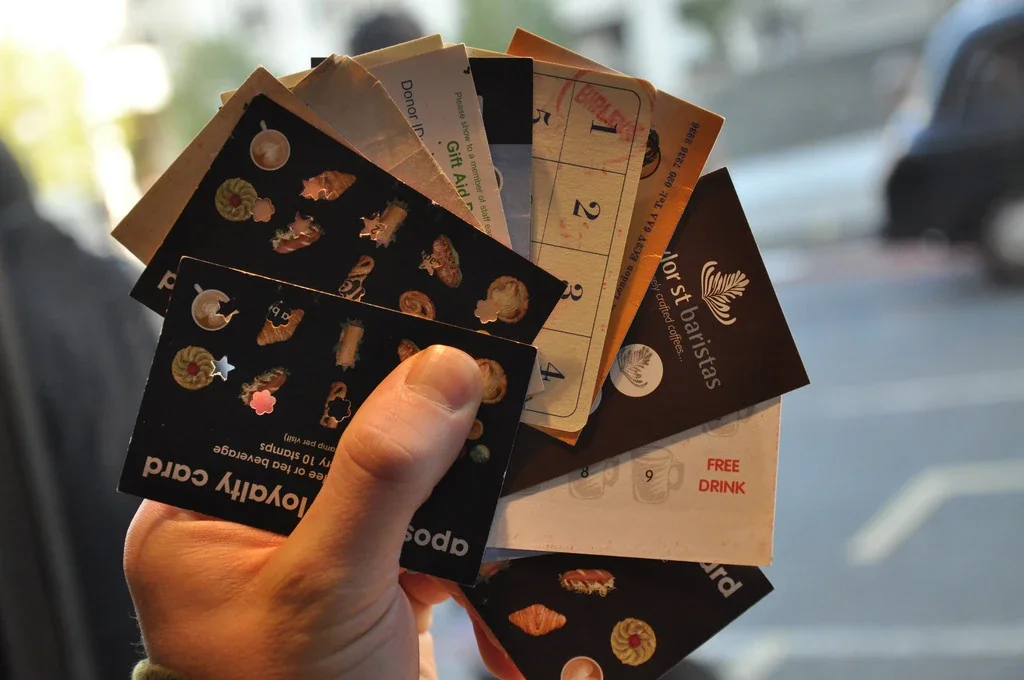
Your customer earns their 10th stamp. They redeem their free coffee. They're happy.
But are they delighted? Are they telling their friends? Are they posting about it on social media? Probably not.
Here's the thing about predictable rewards: they work, but they're forgettable. Customers expect them. They've earned them. It's a fair transaction. But fair transactions don't create the kind of emotional connection that turns satisfied customers into genuine advocates.
What creates that connection? Surprise.
Not the big, expensive kind. The small, unexpected moments that make customers think "Oh, they actually care about me" instead of "I've completed another transaction."
This is the difference between loyalty programs that merely function and loyalty programs that genuinely strengthen customer relationships. The former gives people what they've earned. The latter occasionally gives them what they haven't—and that's what creates the stories customers share.
This guide will show you how to build surprise moments into your loyalty program without breaking the bank, overwhelming your operations, or creating unsustainable customer expectations.
Why Predictable Rewards Alone Aren't Enough Anymore
Let's establish what predictable rewards do well: they work.
"Buy 10 coffees, get the 11th free" absolutely drives repeat visits. Customers like knowing exactly what they'll earn and when they'll earn it. Structure and clarity are valuable.
But there are limits to what predictable rewards can achieve:
They're transactional, not emotional. Customers feel they've earned the reward through their purchases. It's fair, but it doesn't create gratitude—they exchanged money for value, then exchanged stamps for a reward. It's clean arithmetic.
They blend into the background. Every café has a stamp card. Every salon offers loyalty points. Predictable rewards have become table stakes—necessary but not differentiating. The businesses breaking out of this cycle are the ones offering unique customer rewards that create emotional hooks—rewards that feel different enough to actually register in a customer's memory.
They don't generate word-of-mouth. Nobody texts their friend "Guess what? I earned my 10th stamp today!" It's not surprising enough to share.
They create calculation, not connection. Customers think "I need 3 more visits to get my reward" not "I love this place and the people who run it."
This doesn't mean predictable rewards are bad—they're the foundation. But if that's all your loyalty program does, you're missing the opportunity to create memorable moments that transform satisfied customers into passionate advocates.
Enter surprise moments: the unearned rewards, unexpected perks, and random acts of generosity that customers didn't see coming.
These moments sit on top of your predictable reward structure. Your core program still works exactly as expected (buy X, get Y free). But occasionally—unpredictably—something extra happens. A free pastry on a rainy Tuesday. A birthday reward they'd forgotten they'd mentioned. Double points just because you're having a good day. Weather does the same job in seasonal trades, where frozen yogurt shop rewards often land on the first genuinely warm week rather than a set date.
These surprises accomplish what predictable rewards can't:
They create genuine emotional responses ("They didn't have to do that!"), generate social proof (people share unexpected generosity), build deeper loyalty (customers feel valued beyond their wallet), and differentiate your business (competitors might match your predictable rewards, but they can't replicate your specific acts of kindness).
The Psychology of Surprise: Why Unexpected Rewards Hit Differently
There's actual science behind why surprise moments work better than predicted rewards at creating emotional connections.
The Peak-End Rule: People judge experiences based on their emotional peaks and how they end, not on the average of the entire experience.
What this means for loyalty: An unexpected free coffee creates a peak moment that becomes how customers remember your business, even if 9 out of 10 visits were standard transactions.
The Reciprocity Principle: When someone gives us something unexpected, we feel obligated to return the favor—not out of guilt, but genuine desire to reciprocate kindness.
What this means for loyalty: Surprising a customer with a free item makes them more likely to visit again, spend more, and recommend you to friends. You've triggered a psychological drive to give back. If you want a step-by-step framework for weaving these psychological triggers into your own program, a surprise and delight loyalty strategy built around small, unpredictable gestures is where most small businesses see the fastest results.
Novelty and Memory: Our brains are wired to remember novel, unexpected events better than routine, predictable ones.
What this means for loyalty: Customers will forget their 8th stamp card redemption but remember the time you gave them a free coffee "just because it's a miserable Monday."
Loss Aversion vs. Gain Excitement: Expected rewards prevent loss ("I've earned this, I better use it"). Unexpected rewards create gain excitement ("Wow, free thing I wasn't expecting!").
What this means for loyalty: Surprise rewards generate more positive emotion than expected rewards of equal value. A surprise £5 off feels better than a predictable £5 off earned through points.
The key insight: surprise multiplies the perceived value of a reward without actually costing you more.
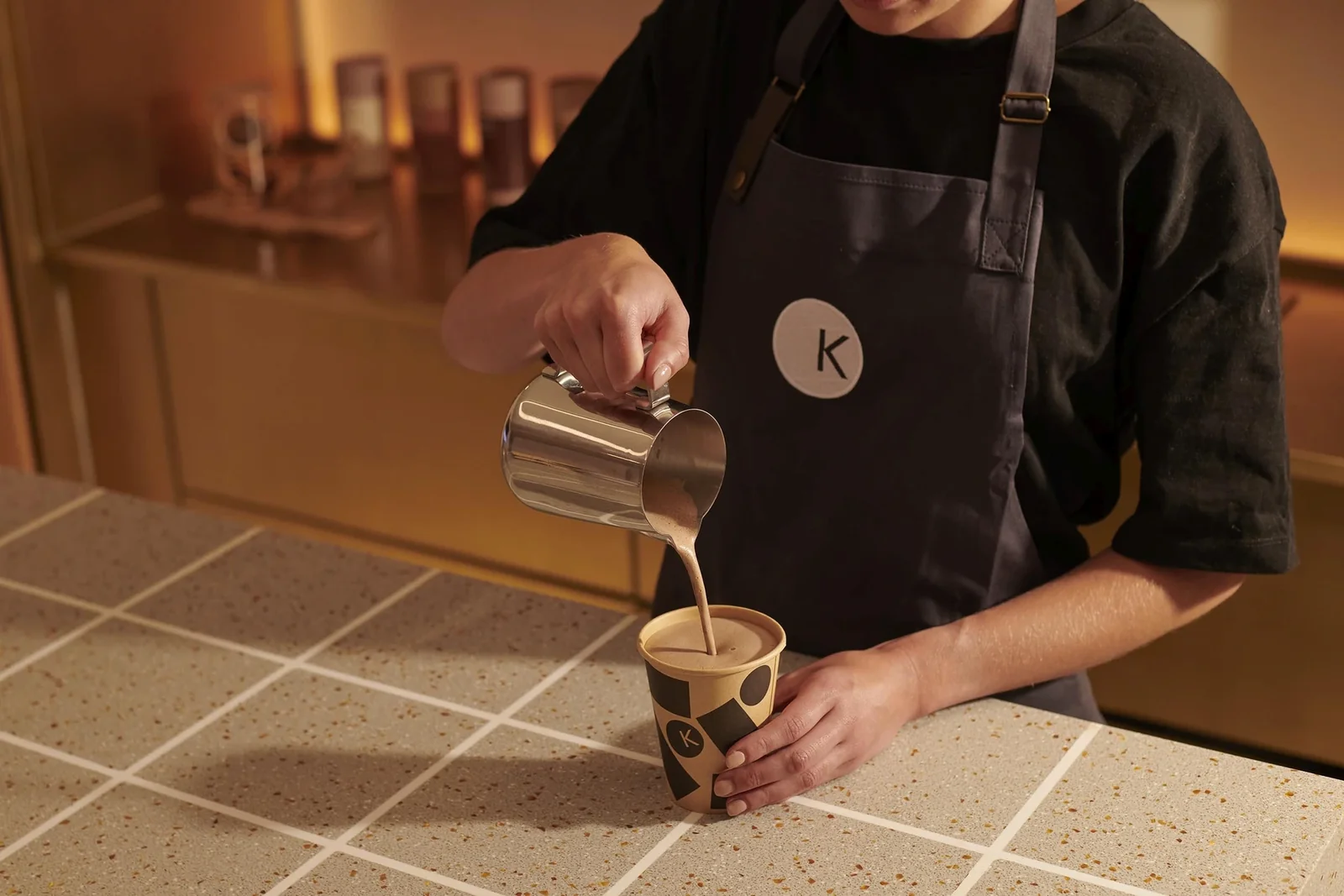
A coffee that costs you £1.20 to make feels worth £1.20 to a customer when it's a predicted reward they earned. The same coffee given unexpectedly feels worth £5+ because of the surprise factor and emotional impact.
You're not spending more. You're getting more emotional return from the same cost.
Practical Surprise Tactics That Work for UK Small Businesses
Theory is interesting. Implementation is what matters. Here are specific surprise tactics you can use starting this week:
1. The "Rainy Day Special"
What it is: On genuinely miserable weather days, surprise customers with an unexpected perk.
Examples:
Free pastry with any coffee when it's pouring rain
"It's grim out there—here's a free upgrade to large"
Double loyalty points on days when snow is forecast
Why it works: Weather affects mood. Brightening someone's awful day creates disproportionate gratitude. Plus, it's memorable precisely because it's tied to specific circumstances.
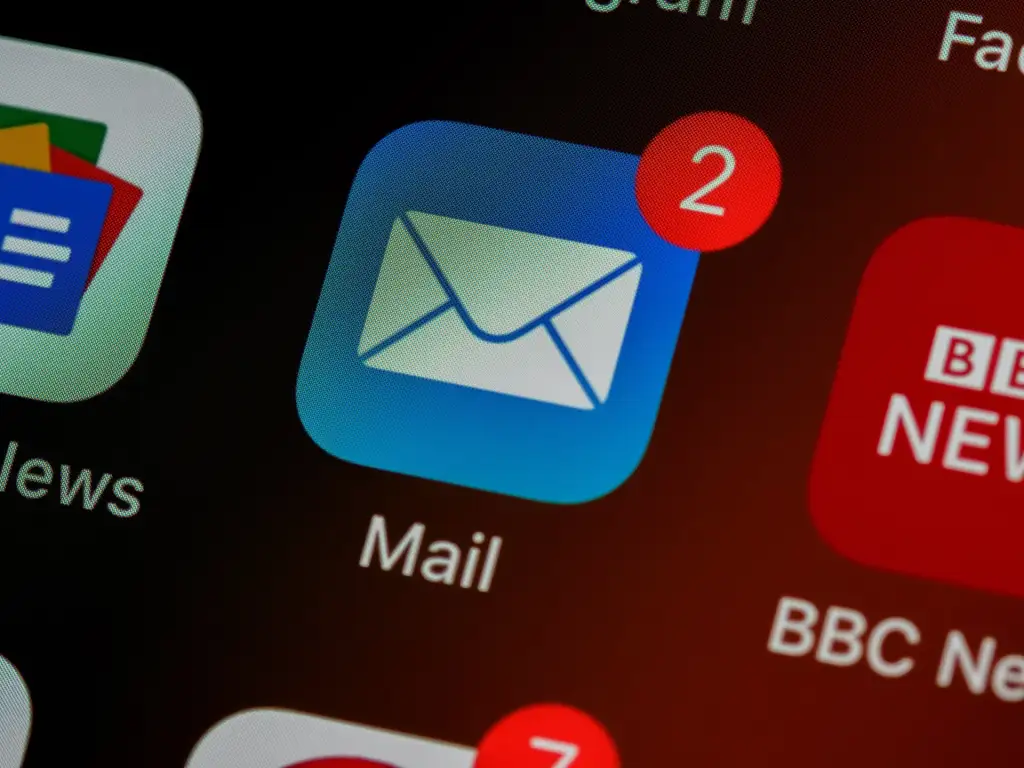
How to implement with Perkstar: Send a push notification to your loyalty members on bad weather days: "Miserable outside? Come in for warmth—show this message for a free hot chocolate." Time-limited (today only) creates urgency.
Cost impact: Minimal. You're giving away low-cost items (£1-2 ingredient cost) to create £5-10 worth of goodwill.
2. The "Almost There" Nudge
What it is: When customers are one stamp/point away from their reward, surprise them by giving them that final stamp for free.
Example: Customer has 9 out of 10 stamps. You notice and say, "You know what? You're so close—here's your 10th stamp. Enjoy your free coffee!"
Why it works: They were already coming back anyway to earn that final stamp. By giving it to them now, you've created a surprise that costs you nothing (they would have gotten the reward next visit regardless) but generates massive goodwill.
How to implement with Perkstar: The platform shows you when customers are one stamp away. Staff can manually add that final stamp, or you can send automated push notifications: "You're one away! Come in today and we'll give you that last stamp on us."
Cost impact: Zero. You're not giving away anything extra—you're just accelerating a reward they would have earned anyway.
3. The Birthday Club (Done Right)
What it is: Automated birthday rewards that arrive on customers' special day.
Why standard birthday offers work: People almost always redeem them (70-90% redemption rates). They're expected to some degree, but they're still appreciated because birthdays feel personal.
How to make them surprising: Don't just send a discount code. Make it playful, generous, or unexpected:
"It's your birthday! Your coffee is on us today—bring friends, we'll give them 20% off too"
"Happy birthday! Here's a free slice of cake. No purchase required—seriously, just come grab it"
Video message from staff singing (badly) happy birthday
How to implement with Perkstar: Birthday rewards are fully automated. Customer provides birth date during signup, Perkstar sends the reward automatically on their birthday via push notification. Set it up once, it runs forever. The right loyalty points software for small businesses handles birthday triggers, win-back messages, and milestone rewards automatically—so you set it once and it runs in the background while you focus on customers.
Cost impact: £3-5 per customer per year. High redemption rate means guaranteed visit during their birthday week.
4. The "Regular Recognition" Surprise
What it is: Acknowledging and rewarding your most loyal customers unpredictably.
Examples:
"You've been coming here twice a week for months—today's on us"
"You're one of our favorites. Here's priority access to our new menu before anyone else"
Handwritten thank-you note left with their order
Why it works: Your VIP customers spend the most and visit the most often. Surprising them with recognition costs little but ensures they never consider going elsewhere.
How to implement with Perkstar: Use customer segmentation to identify your top 10-20% (by visit frequency or total spend). Once a month, surprise one or two with an unexpected reward or personal message.
Cost impact: £10-20/month to delight your most valuable customers.
5. The "Random Acts of Coffee" Campaign
What it is: Occasionally giving away free items to random customers, no strings attached.
Examples:
Every 20th customer today gets their order free
"It's our anniversary—the next 10 customers get free pastries!"
Randomly selecting 5 loyalty members per week for surprise rewards
Why it works: Creates buzz, generates social media posts, makes everyone feel they might be next. Even customers who don't get the surprise benefit from the excitement.
How to implement with Perkstar: Use the Scratch & Win feature or manually select random members from your list weekly. Send them a push notification with the surprise.
Cost impact: £20-40/week depending on how generous you want to be.
6. The "Just Because" Message
What it is: Occasionally sending customers a friendly message or small perk with no sales motive. The trick is frequency—send these too often and they feel like marketing; send them at the right intervals and they become genuine communication that keeps you top of mind without triggering unsubscribes.
Examples:
"Hi Sarah, hope you're having a great week! Pop in this week, we've got a new blend we think you'll love—first cup's on us"
"Hey Tom, haven't seen you in a while. No pressure, just wanted to say hi!"
"Happy Friday! Come in today, mention this message, get 20% off"
Why it works: Feels personal and genuine because it's not tied to a transaction. Customers aren't stupid—they know it's still marketing—but the low-pressure approach builds goodwill.
How to implement with Perkstar: Push notifications to individual customers or small segments. Keep it personal, friendly, not salesy.
Cost impact: Usually free (just a message) or minimal if you offer a small incentive.
How to Surprise Without Breaking the Bank
The concern every small business owner has: "This sounds great, but can I afford to constantly give things away? The key is understanding when giving things away free actually generates more revenue than it costs—and when it's just burning margin for no return."
Short answer: yes, if you're strategic.
Here's how to make surprise moments financially sustainable:
1. Give Away Low-Cost Items with High Perceived Value
A coffee costs you £0.80-1.20 in ingredients. It sells for £3-3.50. When you give it away as a surprise, the customer perceives £3.50 of value. You've spent £1. And it doesn't have to be a free drink every time—creative café reward ideas like behind-the-counter tastings, named menu items, or priority access to seasonal specials cost almost nothing but feel genuinely special.
Best surprise items:
Drinks (low ingredient cost, high perceived value)
Pastries or baked goods (especially day-old items that would otherwise be wasted)
Upgrades (size upgrades cost you pennies but feel valuable)
Add-ons (free extra shot, extra topping, side item)
Avoid surprising with:
High-ingredient-cost items
Labor-intensive services
Products with thin margins
2. Budget for Surprises as Marketing Expense
You're probably spending £100-300/month on advertising already. Reallocate £50 of that to surprise moments.
The math: £50/month = roughly 40-50 free coffees = 40-50 delighted customers = guaranteed social media posts, word-of-mouth, and emotional loyalty. If your total marketing spend is tight, the same principle applies when you create a loyalty program on a limited budget—small, strategic investments in customer experience consistently outperform broad advertising spend.
Compare that ROI to £50 in Facebook ads that might generate a few new customers who may or may not return.
Surprise moments are customer retention marketing. They should come from your marketing budget, not your cost of goods.
3. Make Predictable Rewards Slightly Less Generous, Surprise Moments Slightly More Generous
Here's a counterintuitive approach: Instead of "Buy 9, get the 10th free," make it "Buy 11, get the 12th free."
Customers still get rewards, just slightly less frequently. You've saved money per customer.
Now use those savings to fund surprise moments. The emotional impact of occasional unexpected generosity outweighs the slightly longer path to predictable rewards.
Result: You're spending the same or less overall, but creating more memorable experiences.
4. Tie Surprises to Business Objectives
Don't surprise randomly. Surprise strategically:
Slow periods: surprise customers with offers during your quietest times
New products: surprise loyal customers with free samples of new items (creates trial without paid sampling)
Capacity: surprise customers willing to book less convenient times (weekday mornings) with better rewards
This way, surprises aren't just expenses—they're tools for achieving specific business goals.
The Expectation Trap (And How to Avoid It)
Here's the challenge with surprise moments: if you do them too consistently, they stop being surprises.
If you give every customer a free coffee on rainy days, it becomes expected. "It's raining, I better go to that café because I'll get free stuff."
You've accidentally turned a surprise into a predictable promotion. The emotional impact disappears.
How to maintain the surprise factor:
1. Vary the rewards
Don't always give away the same thing. One week it's free pastries. Next month it's double points. The month after, it's priority access to a new product. Unpredictability is the point.
2. Vary the timing
Don't surprise every Monday at 2pm. Don't always do it during slow periods. Mix it up. Sometimes busy times, sometimes slow times, sometimes weekdays, sometimes weekends. When you get this balance right—predictable structure plus unpredictable delight—you're leveraging the same mechanics behind proven ways loyalty programs boost repeat visits, but with an emotional multiplier that pure transactional programs can't replicate.
3. Vary the recipients
Not every customer gets surprised every time. Some weeks you surprise regulars. Some weeks you surprise new members. Some weeks it's random. This maintains the "it could be me!" excitement.
4. Never promise surprises
Don't advertise "We randomly give away free stuff!" That turns it into an expected feature. Just do it quietly, let recipients share it organically.
5. Communicate (gently) that these are bonuses, not entitlements
When you surprise someone, frame it: "We're having a good day and wanted to share!" or "Just wanted to say thank you for being a regular!"
This subtly signals that it's a gesture, not a guaranteed program feature.
6. Monitor customer expectations
If you notice customers asking "When's the next freebie?" or seeming disappointed when there isn't a surprise, you've created expectation. Pull back for a few weeks, let the surprise factor reset.
The balance: surprise often enough that customers know you occasionally do nice unexpected things, but infrequently enough that each instance still feels special.
A good rule of thumb for most small businesses: individual customers should experience 2-4 surprise moments per year (beyond predictable rewards like birthdays). That's enough to feel generous without creating entitlement.
Modern Take: Surprise in the Age of Personalization and Data
Let's talk about how surprise moments work differently in 2026 than they did five or ten years ago.
What's changed:
1. Customers expect personalization
Generic surprises feel less impactful. "Random customer gets free coffee!" is fine. "Sarah, we know you love oat milk lattes—here's a free one" is better because it's personal.
2. Data makes surprises more targeted
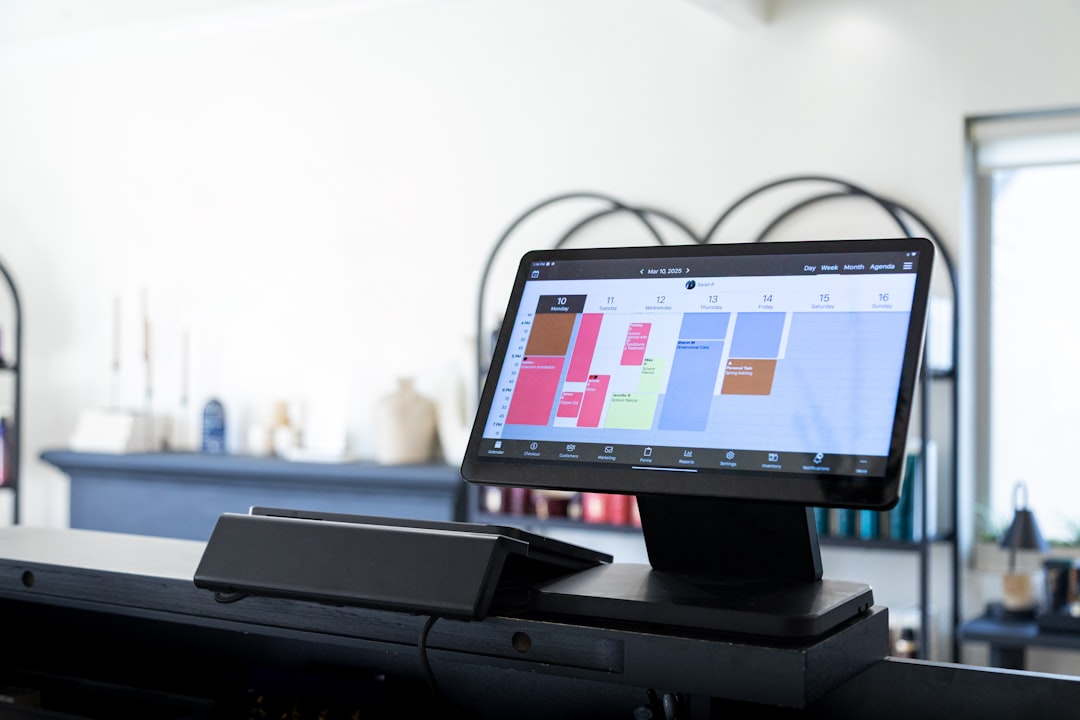
Digital loyalty platforms like Perkstar track customer behavior: what they buy, when they visit, how often. You can use this data to surprise people with things they'll actually value.
Example: Customer always gets decaf. Surprise them with a free bag of decaf beans. That's more thoughtful than a random reward. For café owners specifically, the best loyalty apps for coffee shops now make this kind of personalised surprise possible without any manual tracking—your system flags the patterns and suggests the gesture.
3. Social media amplifies surprise moments
When someone gets surprised, they often post about it. One delighted customer can reach 200-500 people organically through Instagram stories or Facebook posts.
This means surprise moments aren't just retention tools—they're also acquisition marketing. And if you're collecting customer data through your loyalty program, you're also building an email marketing list through loyalty sign-ups—a direct channel for delivering those personalised surprises without relying on social media algorithms. The recipients tell their networks.
4. Economic pressure makes surprise moments more impactful
UK consumers are being careful with spending in 2026. Unexpected generosity during difficult economic times creates disproportionate gratitude. People remember businesses that were kind when money was tight.
5. Competition for emotional connection is intense
Every business is trying to build relationships. Generic "thank you for your purchase" emails don't cut it anymore. Surprise moments—the ones that feel genuinely human—stand out precisely because they're rare.
How to leverage these trends:
Use data for thoughtful personalization: "Tom, you've been coming every Thursday for six months. This week's on us."
Make surprises shareable: Encourage (don't force) social sharing. "If this made you smile, feel free to share—but no pressure!"
Tie surprises to current events: Cost of living crisis, bad weather, local events, holidays. Contextual surprises feel more meaningful.
Train staff to deliver surprises warmly: The surprise itself matters, but so does the delivery. "We really appreciate you" hits differently than "Here's a free thing."
Real-World Example: How a Bristol Café Uses Surprise Moments to Create Advocates
Here's how this works in practice (based on real patterns from UK small businesses):
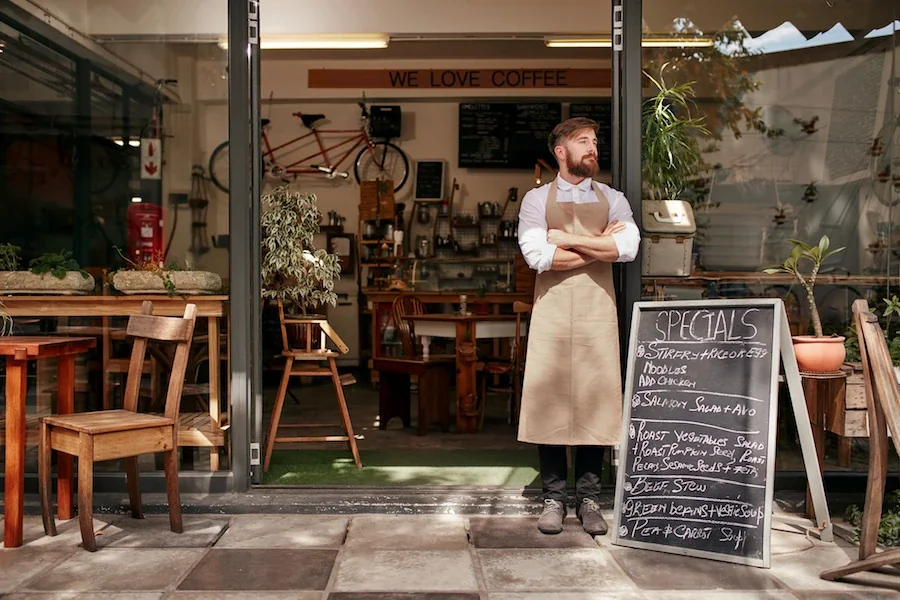
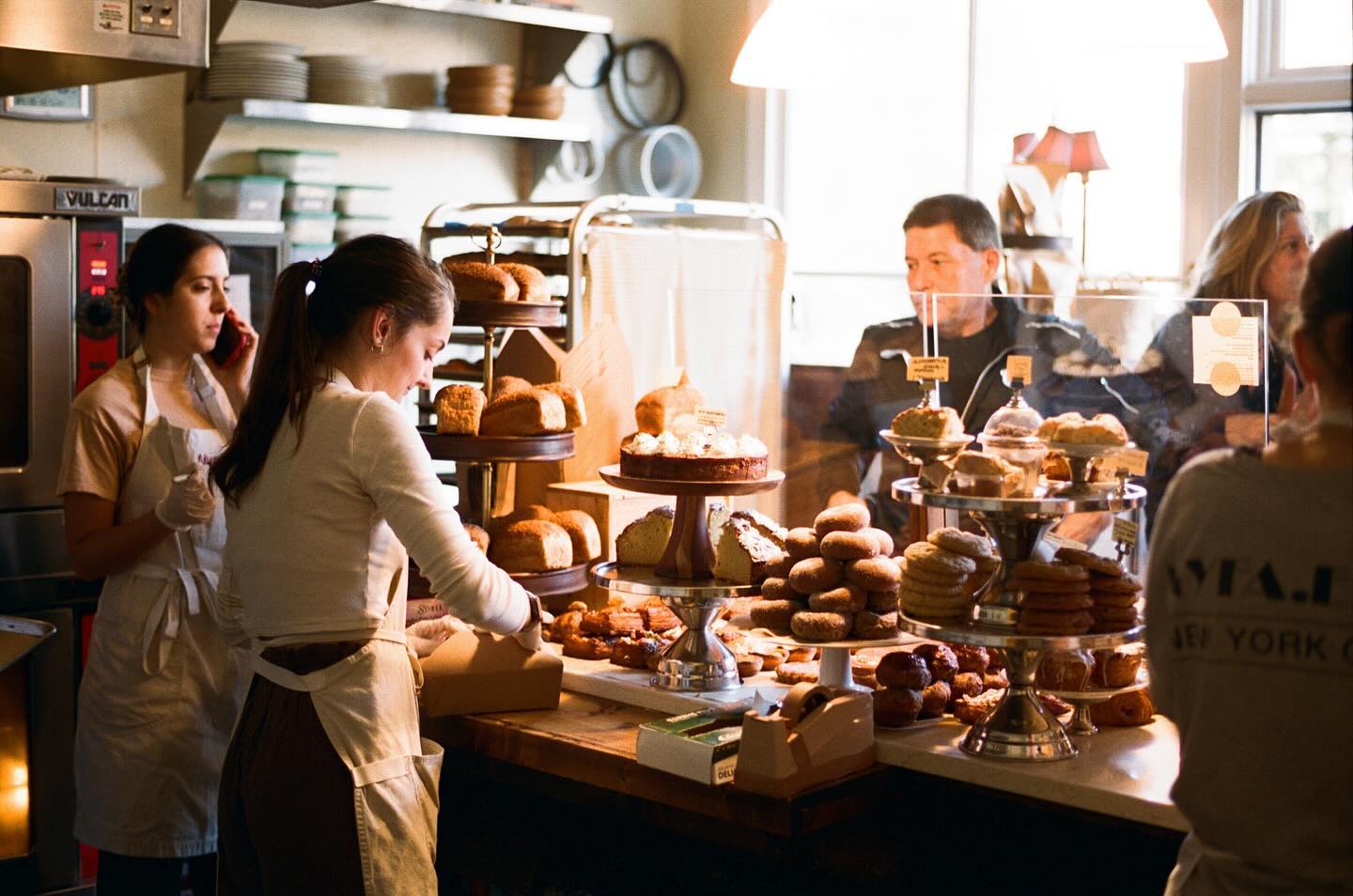
The Business: Independent café in Bristol. Owner plus two baristas. Serves 150-200 customers weekly.
The Predictable Loyalty Foundation:
Digital stamp card via Perkstar: Buy 9 coffees, get 10th free
Works perfectly fine, 140 active members Getting that foundation right matters—if you're still figuring out the basics, understanding how to design a successful stamp card for your café ensures the predictable layer is solid before you start adding surprises on top.
The Surprise Layer (What Makes Them Stand Out):
Tactic 1: The Weather Play
On days with genuinely awful weather (heavy rain, snow, extreme cold), the owner sends a push notification to loyalty members: "It's grim out there. Pop in before 2pm, show this message, get a free cookie with any drink."
Frequency: 8-10 times per winter (not every rainy day—just the worst ones)
Cost: ~£15-20 total (ingredients for 30-40 cookies across the season)
Result: Social media posts ("Love this café—they actually care!"), increased footfall on days that would otherwise be slow, customers bringing friends to share the surprise
Tactic 2: The Regular Recognition
Once a month, the owner identifies one truly loyal customer (someone who visits 2-3x per week consistently) and surprises them.
Methods vary:
Handwritten thank-you note with their order
"Today's coffee is on us—you're one of our favorites"
Free bag of beans
Priority taste-test of new menu items before general launch
Frequency: Once a month = 12 surprises per year
Cost: £5-10 per surprise = £60-120/year total
Result: Those 12 customers become vocal advocates. They tell everyone. They post on social media. They refer friends. Each becomes worth significantly more in lifetime value.
Tactic 3: The Birthday Delight
Automated birthday rewards via Perkstar. But not just a discount code—an actual gift.
The offer: "Happy birthday! Come in this week for a free slice of cake—bring a friend, they get 20% off everything."
Frequency: Automated, triggers for every loyalty member's birthday
Redemption rate: 73% (people love birthday offers)
Cost: ~£3 per redemption = roughly £310/year for 140 members × 73% redemption
Result: Guaranteed visits during birthday weeks (often with friends), social media posts ("Best birthday treat!"), emotional connection strengthened
Tactic 4: The Random "Thank You"
Every Friday, the owner selects 3-5 customers at random from the week's loyalty card scans and sends them a personal message:
"Hi Alex, just wanted to say thanks for coming in this week. Hope you're having a great Friday!"
No discount. No sales pitch. Just a genuine human message.
Frequency: Weekly
Cost: Zero (just time—5 minutes per week)
Result: Customers are surprised someone bothered to be kind for no commercial reason. They remember it.
Combined Impact:
The café's loyalty program costs £30/month (Perkstar's Growth plan, billed yearly) plus roughly £500/year in surprise costs (£42/month average).
What this generates:
Higher retention rate (78% vs. industry average 55%)
More referrals (23 new customers in 12 months from loyalty member referrals)
Social proof (40+ social media mentions in 12 months—unpaid, organic)
Emotional loyalty that competitors can't easily replicate
Owner quote: "Our competitors all have loyalty cards. We all offer free coffee after X visits. The surprises—the unexpected moments where we're just kind to people—that's what makes us different. It costs almost nothing but generates more goodwill than any amount of advertising could."
How to Actually Implement This
Practical implementation for your business:
Week 1: Foundation
Set up your predictable reward structure (if you haven't already). This is still essential. Surprises sit on top of a solid loyalty foundation, not instead of it. Start by building a customer-focused loyalty program that genuinely rewards what your customers value—not just what's easiest for you to offer.
With Perkstar: Choose stamp card, points, or membership structure. Get your core program running.
Week 2: Automate the Easy Surprises
Birthday rewards: Set this up once, it runs forever. Choose a meaningful reward (free item, not just a discount percentage).
Win-back surprises: Automate messages to customers who haven't visited in 60+ days. "We miss you!" with a welcome-back offer.
With Perkstar: Both of these are configurable automations that require no ongoing management.
Week 3: Plan Your Manual Surprises
Decide on a monthly surprise budget: Even £30-50/month goes a long way if spent strategically.
Choose 2-3 surprise tactics you'll use:
Weather-based offers
Random customer appreciation
VIP recognition
"Almost there" nudges
Don't try to do everything. Pick what feels authentic to your business and sustainable for your operations.
Ongoing: Execute Consistently But Unpredictably
Monthly routine (takes 15 minutes):
Week 1: Send weather-based surprise if applicable
Week 2: Identify and surprise one VIP customer
Week 3: Select random customers for "thank you" messages
Week 4: Review what worked, adjust next month
The key: consistency in your commitment to surprising customers, unpredictability in when and how.
The Bottom Line
Predictable rewards work. They drive repeat visits and create clear incentives for loyalty.
But surprise moments—the unexpected generosity, the personal recognition, the random acts of kindness—create emotional connections that predictable rewards can't match.
You don't need to choose between them. You need both:
Predictable rewards provide structure and fairness. Customers know what to expect and how to earn it.
Surprise moments provide delight and differentiation. Customers feel genuinely valued beyond their transaction history. The formula isn't complicated: structure plus spontaneity, fairness plus generosity—and if you're looking for a starting point, the core principles of winning genuine customer loyalty come down to exactly this combination.
The businesses building the strongest customer loyalty in 2026 understand this balance. They reward fairly and predictably through their core loyalty structure, then surprise occasionally and strategically to create memorable moments that turn customers into advocates.
And the beautiful part? Surprises don't need to cost much. A £1.20 coffee given unexpectedly creates more goodwill than a £5 discount earned predictably.
Ready to add surprise and delight to your loyalty program? Start your free 7-day trial with Perkstar—no credit card required. Set up automated birthday rewards, send personalized surprise messages via push notifications, and start creating the kind of moments customers actually remember and share.