5 Best Loyalty Apps for Massage Therapists in 2026
5 Best Loyalty Apps for Massage Therapists in 2026
Your clients know they need regular massage. Their shoulders tell them. Their lower back tells them. Their physio tells them. Their GP tells them. They leave your treatment room moving better, sleeping better, and feeling like a different person.
Then they don't come back for three months.
Not because they didn't value the treatment. Not because they found someone else. Because the immediate pain faded, life got busy, and "I should book a massage" kept getting pushed to tomorrow. By the time they do rebook, the tension has rebuilt, the original issue has returned, and they're essentially starting from scratch. Barbers keep the gap short precisely because that is where clients drift, and owning the client relationship is what closes it.
That pattern — treat, improve, drift, deteriorate, return — is the most expensive cycle in the massage therapy business. Every extended gap costs you revenue. Every lapse means the client needs more intensive work to get back to where they were. And every month that passes without a booking is a month where the client might try a spa offering, a Thai massage chain, a percussive massage gun, or simply decide they can "manage without."
A digital loyalty programme doesn't fix someone's posture. But it does solve the rebooking problem. It keeps every client's treatment schedule on track through automated reminders. It rewards the consistency that delivers better outcomes. It gives you a direct line to your clients' phones during the weeks between appointments when they'd otherwise forget you exist. And it turns every satisfied client — the one who walks out rolling their shoulders and saying "I should do this more often" — into a referral source and a regular. Referral mechanics travel well between service trades, and loyalty apps for coworking spaces lean on them hardest, since members recruit their own colleagues.
At Perkstar, we work with massage therapists, bodywork practitioners, and wellness professionals across the UK. We've seen what keeps treatment schedules consistent and what gets forgotten. This guide covers the five loyalty apps that genuinely work for massage therapists in 2026.
Why Massage Therapists Have Unique Loyalty Dynamics
Massage therapy sits at the intersection of healthcare and wellness. That positioning creates loyalty opportunities — and challenges — that differ from beauty, fitness, or general spa businesses.
Your clients need regular treatment but treat it as occasional. The therapeutic benefits of massage are cumulative. Chronic tension, postural issues, stress-related muscle tightness, and recovery from training all respond best to consistent, regular sessions — typically every two to four weeks. Yet the average massage client visits just four to six times per year, often waiting until they're in pain before rebooking. The frequency gap between what's clinically beneficial and what clients actually do is the single largest revenue opportunity in the business. A loyalty programme with timed rebooking reminders closes that gap.
You are your business — and your capacity is finite. Most massage therapists are solo practitioners or work with one or two colleagues. You can only see a fixed number of clients per day before your body gives out. That means every appointment slot is precious. Empty slots can't be recovered, and no-shows are devastating. A loyalty programme that keeps your schedule consistently full — through automated reminders, prepaid packages, and lapsed-client recovery — maximises the revenue from every hour you're physically able to work.
Gift cards are one of your most powerful revenue tools. "Give someone a massage" is one of the top five experience gifts in the UK — birthdays, Christmas, Valentine's Day, Mother's Day, Father's Day, corporate gifts. Unlike most services where gift cards are a nice bonus, for massage therapists they can represent 15-25% of annual revenue when actively promoted. And every redeemed gift card brings a new client who, if the experience is good, may become a regular.
Referrals carry clinical weight. When someone recommends their massage therapist, the endorsement is more powerful than a restaurant recommendation. The client is saying "this person helped my back pain" or "I sleep better since I started seeing them." That clinical credibility converts referrals at a higher rate than almost any other personal service. A referral programme that rewards this behaviour turns your organic advocacy into a structured growth channel.
Corporate wellness and workplace contracts are growing. More companies are offering massage as an employee benefit. A loyalty programme gives you the tools to manage corporate clients alongside private ones — tracking visits, offering volume discounts through a multipass, and maintaining relationships with multiple stakeholders in one dashboard.
Your competition spans massage chains, spas, physios, and Amazon. You're competing with Thai Massage shops on price, with spas on experience, with physiotherapists on clinical credibility, and with percussive massage guns and foam rollers on convenience. A loyalty programme positions regular professional massage as a programme — not a one-off — making it harder for any single competitor to pull your client away. Understanding the psychological and practical elements of client retention can give you a significant competitive advantage.
The 5 Best Loyalty Apps for Massage Therapists
1. Perkstar
Best for: Massage therapists who want mobile wallet loyalty, treatment-frequency reminders, prepaid session packages, and a gift card system that drives one of the most giftable services in the UK.
Perkstar is built for independent service businesses, and massage therapy is one of the verticals where the platform's combination of automated timing, flexible card types, and direct communication solves the industry's most persistent problem: getting clients to rebook when they should, not three months later.
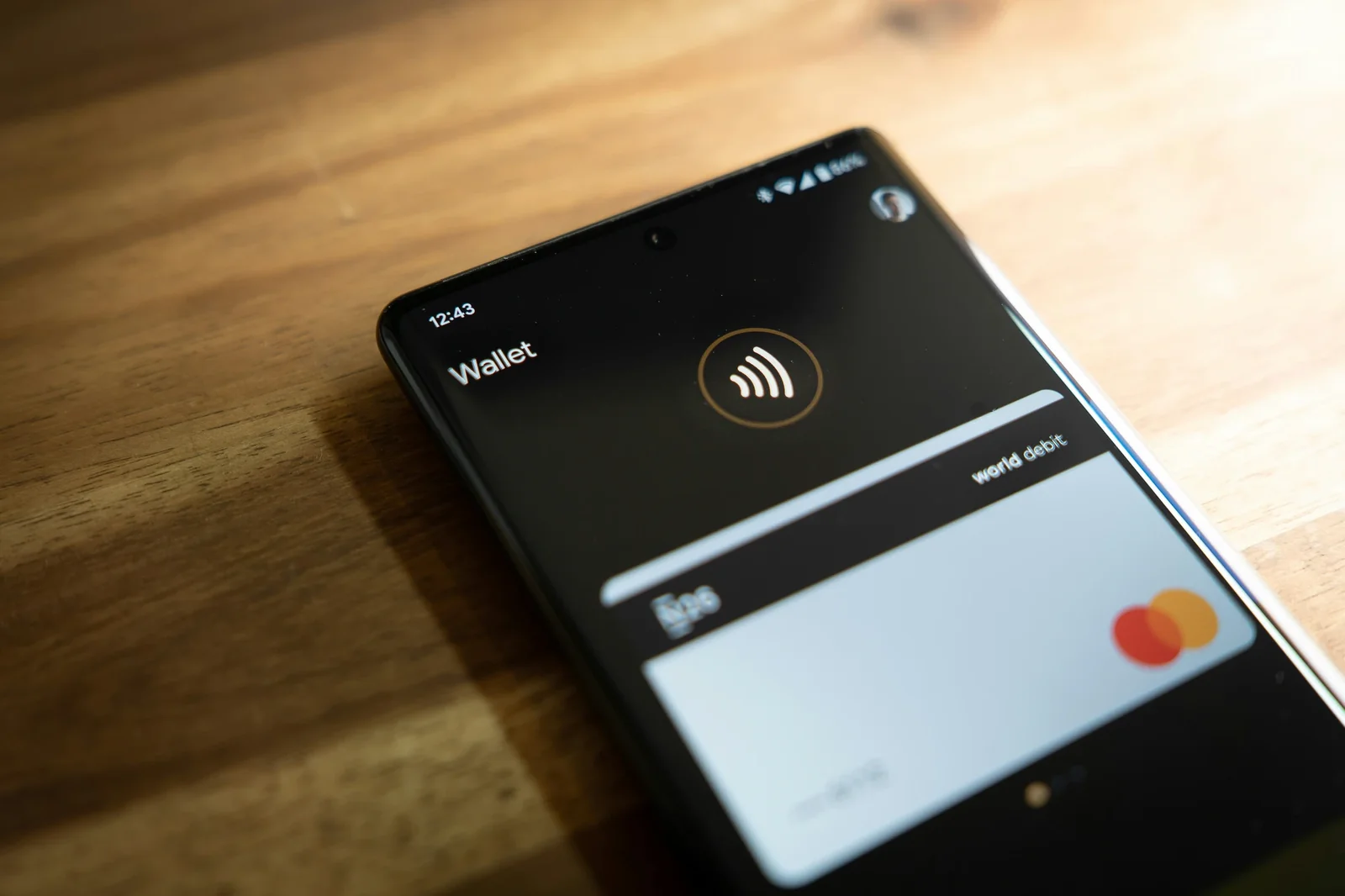
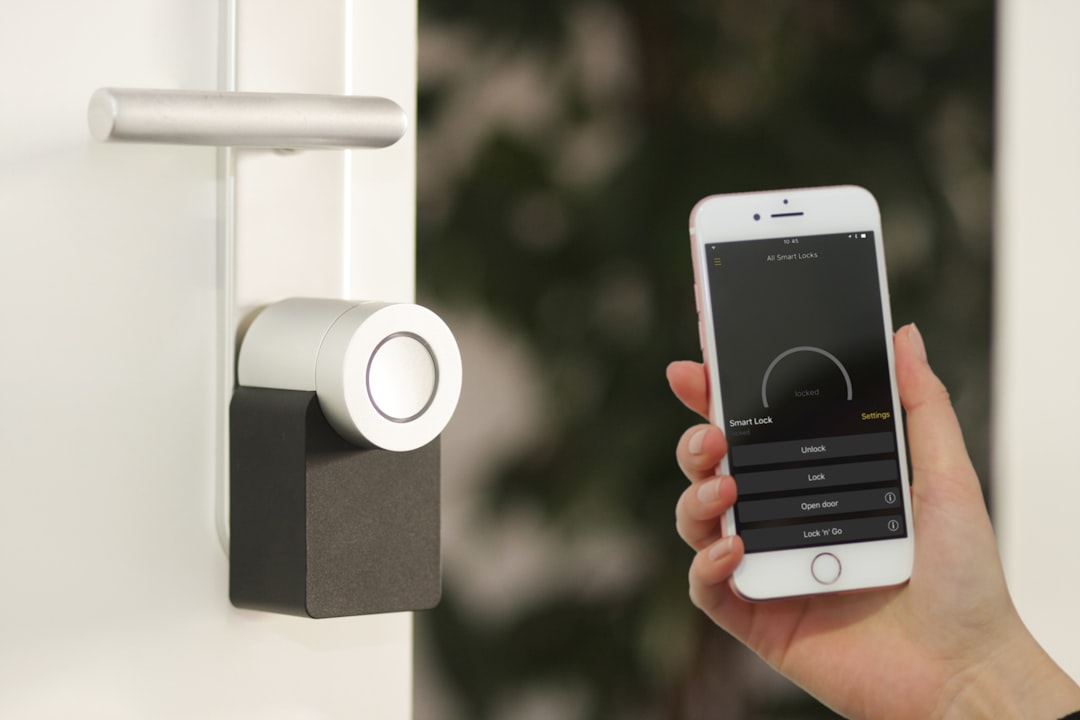
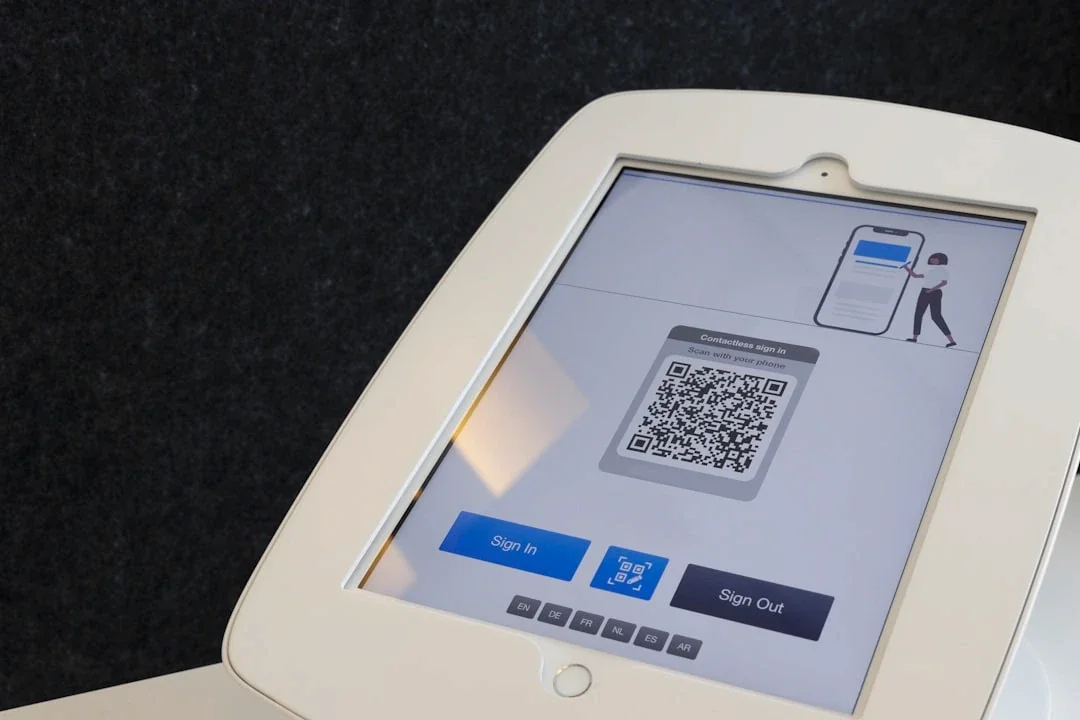
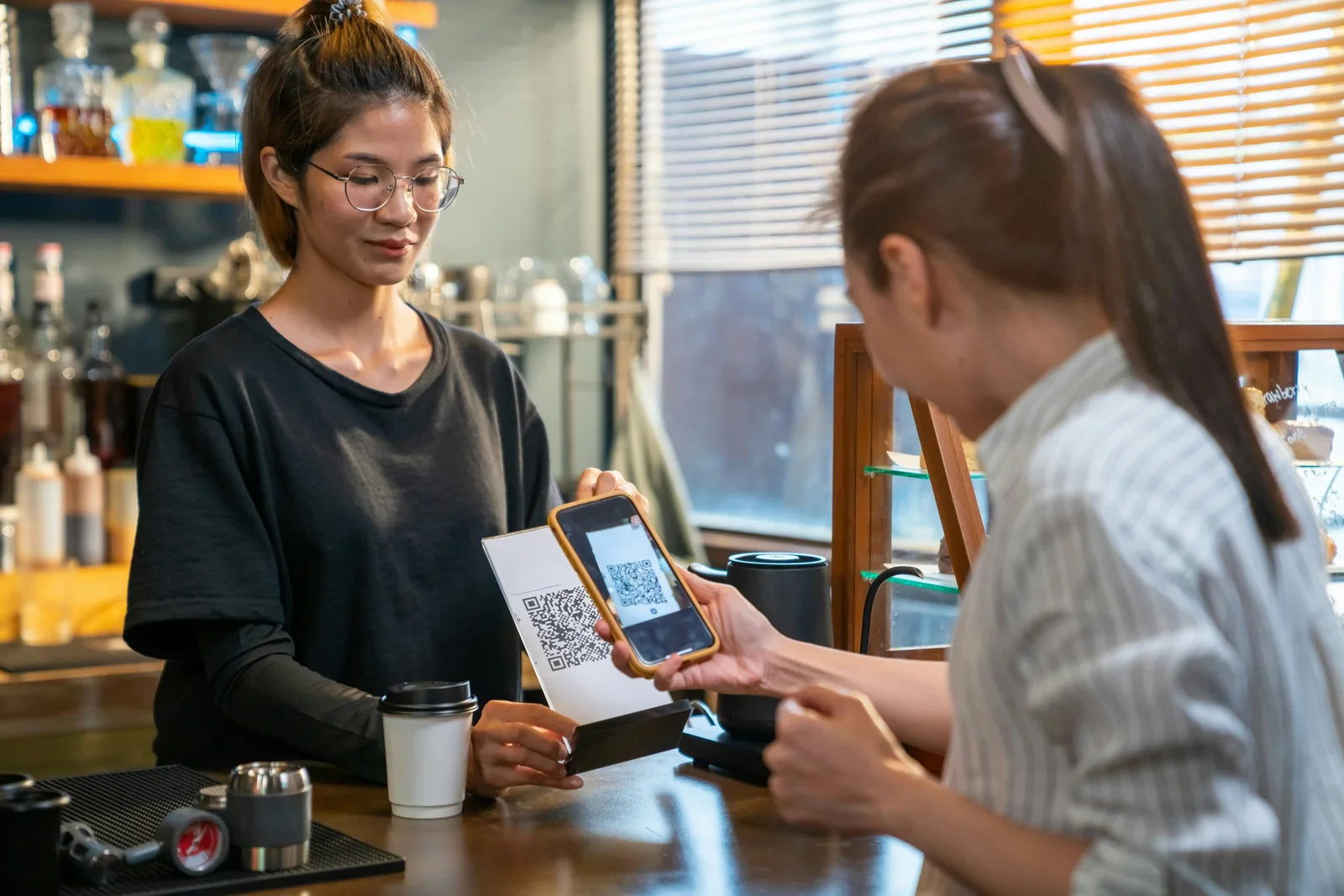
Clients add a loyalty card to their Apple Wallet or Google Wallet by scanning a QR code on your treatment room door, at your reception (if you have one), on your aftercare card, or on a printed card you give them after each session. No app download. Ten seconds. For solo practitioners without a reception desk, the aftercare card and treatment-room placements work perfectly — the client scans while they're getting dressed or reviewing their aftercare notes.
For massage therapists, the most effective approach combines multiple card types:
A points programme (1 point per pound spent) rewards across all services — Swedish, deep tissue, sports, hot stone, pregnancy massage, reflexology — and any retail products you sell (massage oils, heat packs, self-care tools). This incentivises clients to try different modalities and add extras.
A stamp card for maintenance tracking: "complete 4 sessions, earn a complimentary upgrade" or "every 6th massage earns a free 30-minute add-on." The stamp card creates visual progress that reinforces the message your hands have already delivered: regular massage works better than sporadic massage.
A multipass is one of the most powerful tools for a massage therapist. A prepaid package — 6 sessions for the price of 5, or 10 sessions at a discounted rate — generates upfront cash flow, guarantees return visits, and commits the client to a treatment schedule. For clients who know they should come regularly but struggle with the discipline, a prepaid multipass removes the rebooking decision entirely: they've paid, so they come.
A membership takes this further — a monthly subscription for one massage at a fixed rate, with discounts on additional sessions and retail. This is the gold standard for converting occasional clients into monthly regulars.
Digital gift cards are where massage therapy has an advantage most businesses envy. "Give someone a massage" is one of the easiest gift card sells in any industry. Perkstar gift cards are purchased and sent from the buyer's phone in under a minute — the recipient adds it to their wallet and redeems at your practice. With push notification campaigns ahead of Mother's Day, Father's Day, Christmas, Valentine's Day, and birthdays, gift cards can become one of your largest revenue streams.
The marketing toolkit directly addresses the rebooking problem. Automated push notifications fire at intervals you configure based on treatment type and client need:
Maintenance clients: 28 days after each session ("Your body's telling you it's time — book your next massage and earn your stamp")
Chronic pain/tension clients: 14-21 days ("Keep the momentum going — your next session is recommended this week")
Occasional/stress-relief clients: 42 days ("Life's been busy — your massage is overdue. Double points if you book this week")
Each notification arrives on the client's lock screen at the moment their body is starting to feel the gap. For a massage therapist, this single feature — timed to the actual therapeutic window — recovers more lapsed appointments than any other tool.
Geo-fenced notifications reach clients when they're near your practice. The referral programme rewards the "you should see my massage therapist" conversation — one of the highest-converting referral dynamics in personal services. Google Review rewards build clinical credibility. The CRM with behavioural segmentation lets you separate your chronic-pain clients from your wellness maintenance clients, your sports massage regulars from your occasional stress-relief visitors — messaging each with appropriate frequency and content.
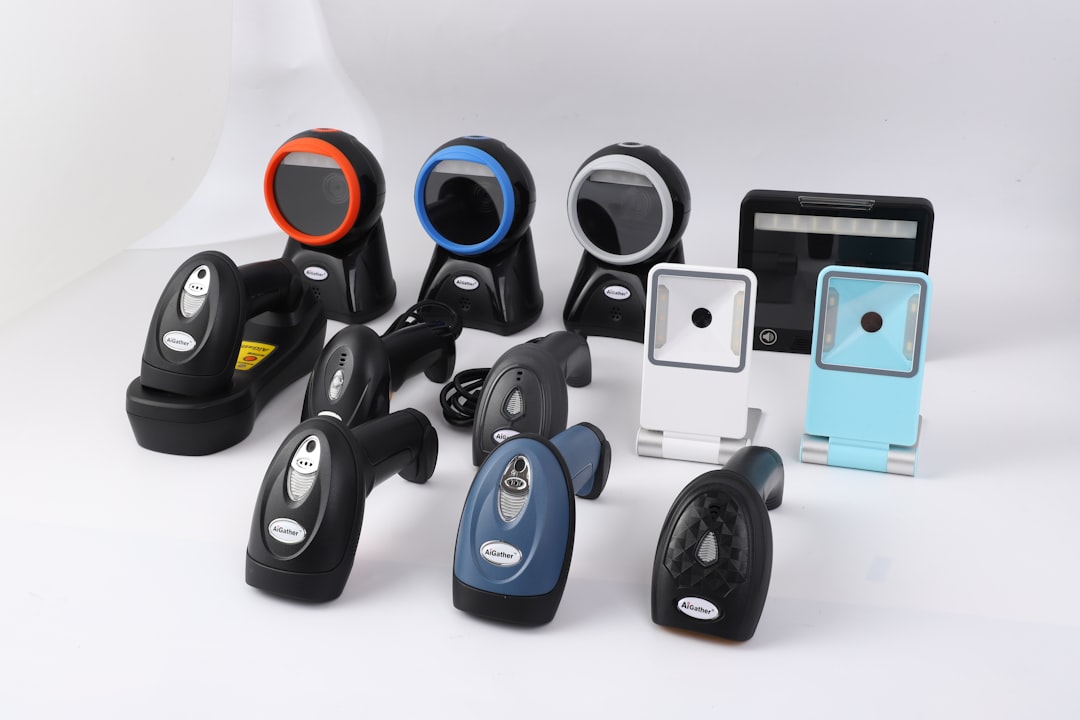
For practitioners with a reception area, Scanner App Pro connects a hardware barcode scanner for self-service — clients scan their own card at checkout. Auto-confirm, fully hands-free. Exclusive to Growth and Scale plans (beta).
Integrations with Mailgun and Twilio give you email and SMS. Pricing starts at £19 per month on Starter, with a 7-day free trial requiring no credit card.
Start a free 7-day Perkstar trial
2. Fresha
Best for: Massage therapists already using Fresha for bookings and payments that want a basic loyalty add-on.
Fresha is widely used by massage therapists for appointment scheduling and payments. Its loyalty feature awards points based on client spending, redeemable against future sessions.
Points accumulate automatically when clients pay. For a massage therapist who wants loyalty running silently inside an existing booking system, the convenience is real.
The limitations are about where loyalty sits. Fresha sells memberships, packages and gift cards through its checkout, and its loyalty layer rewards repeat visits with points and tiers — but that is the whole of it, with no stamp card tracking treatment frequency. Fresha does not document an Apple or Google Wallet pass, so nothing sits on the client's phone between sessions, and rebooking prompts come from its booking notifications and email campaigns rather than from a card on the lock screen. Waxing salons run into the same gaps, and waxing salon loyalty schemes that work hinge on the rebooking reminder more than the reward itself.
Fresha handles booking. For massage therapists who want loyalty on the client's phone between sessions — a wallet card, timed rebooking pushes and stamps against treatment frequency — a dedicated platform alongside Fresha adds what the booking system does not.
3. Vagaro
Best for: Massage therapists who want an all-in-one booking, payment, and marketing platform with basic loyalty features.
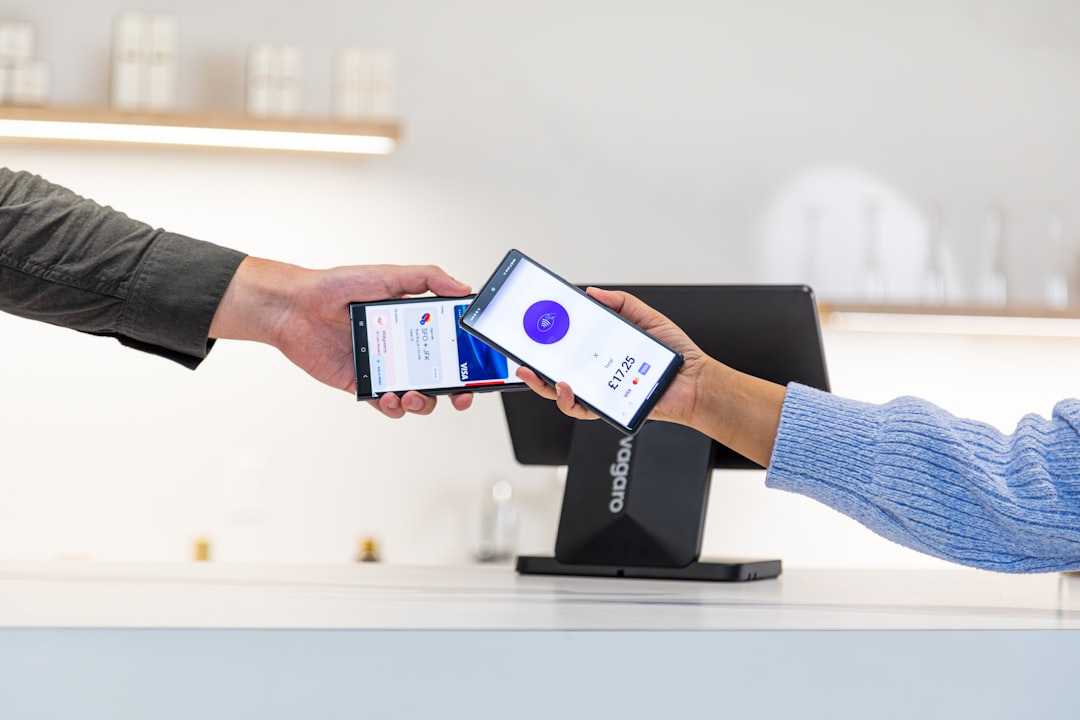
Vagaro combines booking, payments, client management, and marketing into one system. The platform includes a loyalty programme and is used by many massage professionals. Client records track treatment history, pressure preferences, and areas of focus.
The all-in-one approach reduces the number of tools you manage. The client-facing booking system is polished and works for both solo practitioners and small teams.
The loyalty feature is secondary to the booking system. Vagaro does sell memberships, packages and gift certificates, and clients collect points on bookings, classes, products, memberships and packages. What it does not document is an Apple or Google Wallet pass: notifications run through the Vagaro app, so there is no card on the lock screen between sessions and engagement depends on clients installing and keeping the app.
For massage therapists needing a complete business tool with basic loyalty, Vagaro works. For those who want loyalty to actively drive session frequency and live on the client's phone between appointments, a dedicated platform outperforms. If you're unsure what to actually offer clients once you have the right tools in place, this collection of reward ideas built specifically for massage therapists is a useful starting point.
4. Square Loyalty
Best for: Massage therapists processing all payments through Square that want automatic loyalty tracking.
Square Loyalty integrates with Square POS. Clients earn points when they pay — no scanning, no extra step. Points accumulate based on spend.
The trade-offs are critical for massage therapy. Clients can add a digital loyalty pass to Apple Wallet, and Square sends automatic texts when someone earns points or a reward — but that messaging follows the transaction, not the treatment interval. Points earned at the till is the mechanic, and the timed reminders you actually want, one at day 14 for a chronic-pain client and one at day 28 for a maintenance client, are a Square Marketing job rather than something the loyalty programme does. For a service where the primary challenge is getting clients to rebook within their therapeutic window — not rewarding them once they've already arrived — that timing gap is the fundamental one.
5. Loopy Loyalty
Best for: Massage therapists that want a simple mobile wallet stamp card without system dependencies.
Loopy Loyalty puts a digital stamp card in Apple Wallet and Google Wallet. No app download, real-time updates, branded card. For a massage therapist who wants a "complete 5 sessions, earn a complimentary treatment" programme with a persistent wallet presence, Loopy Loyalty works.
The wallet card keeps your practice visible between appointments — a subtle reminder every time the client opens their phone wallet that their next session is waiting.
The limitations are about scope. Stamps are the programme type — a multi-reward card can place rewards at chosen stamp counts, but there is no points balance for rewarding a 90-minute treatment proportionally, and nothing to sell a membership or a prepaid package through. Loopy Loyalty does send wallet push messages and reports on signups, visits and redemptions, though the messaging is yours to send rather than a reminder timed to each client's treatment interval. For a massage therapist where prepaid packages, gift cards and timed rebooking reminders are the highest-value loyalty features, a stamp card alone misses the most important revenue opportunities.
Quick Comparison: Loyalty Apps for Massage Therapists
Feature | Perkstar | Fresha | Vagaro | Square Loyalty | Loopy Loyalty |
|---|---|---|---|---|---|
Apple Wallet & Google Wallet | ✅ | ❌ | ❌ | ❌ | ✅ |
Card Types | 8 (Stamp, Points, Membership, Multipass, Discount, Coupon, Cashback, Gift Cards) | Points only | Points/rewards | Points only | Stamps only |
Therapeutic-Interval Rebooking Reminders | ✅ (7-day, 21-day, 28-day, 42-day configurable) | Booking reminders | Basic reminders | ❌ | Limited |
Prepaid Session Multipass | ✅ | ❌ | ❌ | ❌ | ❌ |
Monthly Massage Membership | ✅ | ❌ | ❌ | ❌ | ❌ |
Digital Gift Cards | ✅ | ❌ | ❌ | Via Square ecosystem | ❌ |
Gift Card Promotion (seasonal push) | ✅ | ❌ | ❌ | ❌ | ❌ |
Self-Service Kiosk Scanning | ✅ (Scanner App Pro) | ❌ | ❌ | ❌ | ❌ |
Push Notifications to Lock Screen | ✅ Unlimited & Geo-Fenced | ❌ | Within Vagaro app | Limited | ✅ |
Referral Programme | ✅ | ❌ | ❌ | ❌ | ❌ |
Google Review Rewards | ✅ | ❌ | ❌ | ❌ | ❌ |
Birthday Rewards | ✅ Automated | ❌ | ❌ | ❌ | ❌ |
Behavioural Segmentation | ✅ Advanced (chronic pain vs maintenance vs occasional vs sports) | Basic | Basic | Basic | Basic |
Works for Solo/Mobile Practitioners | ✅ | ✅ | ✅ | Requires Square at the till | ✅ |
Email & SMS Integration | ✅ (Mailgun & Twilio) | Within Fresha | Within Vagaro | Limited | ❌ |
Requires App Download | ❌ | ❌ (web-based) | ✅ (Vagaro app) | ❌ (POS-based) | ❌ |
Free Trial | 7 days (no card required) | Free base plan | 30 days | 30 days | ✅ |
Starting Price | From £19/mo | Commission-based | From $25/mo | From £25/mo per location | From $25/mo |
Real-World Scenario: How a Loyalty Programme Fills a Massage Therapist's Schedule and Eliminates the Feast-or-Famine Cycle
Feature tables compare platforms. This section shows what loyalty looks like on a Thursday morning when your diary has three gaps you can't fill — and how to make that stop happening.
Sam is a sports and remedial massage therapist working from a treatment room in a shared wellness centre in Bristol. He sees a maximum of six clients per day, five days a week — 30 slots per week is his full capacity. He's currently running at about 65% occupancy. Some weeks are packed. Others have five or six empty slots that represent lost income he can never recover.
His biggest frustration isn't finding new clients. It's keeping existing ones on a consistent schedule. His chronic-pain clients should come fortnightly. Most drift to monthly or longer. His maintenance clients should come monthly. Most come every two to three months. His occasional clients — the ones who book when they're stressed or in pain — are valuable but completely unpredictable.
He also knows that massage is one of the most giftable services in the UK, but he's never had a proper gift card system. When someone asks about buying a gift voucher, he sends a bank transfer and an email confirmation. It works, but it's clunky and he's certain he's losing sales from people who would buy a gift card if the process were simpler.
Week one — enrolling clients on the treatment table. Sam places a small QR code stand in his treatment room, visible as clients get dressed after their session. He also prints the QR code on his aftercare card — the sheet he gives every client with stretching recommendations and self-care advice. Both placements catch clients at the moment they're most engaged with their treatment outcome and most receptive to continuing the care.
Within three weeks, 55 clients have enrolled. For a solo practitioner with a client base of about 80 active clients, that's a 69% capture rate.
He sets up a points programme (1 point per pound spent) alongside a stamp card ("every 6th session earns a free 30-minute add-on").
Week two — therapeutic-interval reminders close the rebooking gap. Sam configures automated push notifications based on client type:
Chronic pain/sports injury clients: 7 days ("Your muscles are due for their next session — keep the progress going. Book now and earn your stamp")
Regular maintenance clients: 28 days ("Your monthly massage is approaching — book this week to stay on track")
Occasional clients: 42 days ("It's been six weeks — your body will thank you for booking. Double points this week")
The notifications start arriving on clients' lock screens at exactly the moments Sam would have wanted to call them — but never had time to.
In the first month, 16 clients rebook after receiving a notification who would otherwise have let another two to four weeks slip. The chronic-pain clients in particular respond strongly — a notification at day 14 catches them before the tension has rebuilt enough to cause problems. Several tell Sam: "I saw the message and thought, you're right, I should book."
By month three, Sam's average client frequency shifts measurably. Chronic-pain clients go from roughly every five weeks to every three weeks. Maintenance clients go from every ten weeks to approximately every five weeks. His weekly occupancy increases from 65% to approximately 80% — adding roughly 4-5 additional sessions per week.
At an average session price of £60, that's £240-300 per week in additional revenue. Over a year: approximately £12,500-15,600 — from clients who were already in his database, already satisfied with his work, and just needed a reminder to rebook.
Month one — the multipass commits regular clients. Sam launches a multipass: 6 sessions prepaid for £300 (saving £60 versus paying individually at £60 per session). He promotes it via push notification to clients who've visited three or more times: "Ready to commit to your recovery? Save £60 with a 6-session massage package."
Eight clients buy the multipass in the first month. That's £2,400 in upfront revenue — and eight clients who are now committed to six sessions over the coming months. Multipass holders rebook more consistently than pay-per-session clients because the sessions are "already paid for." The internal friction of deciding whether to spend £60 this week is eliminated.
Month two — the membership converts his best clients. Sam launches a membership: £55 per month for one 60-minute massage, 15% off additional sessions, and priority booking. He targets it at clients who visit at least monthly.
Six clients sign up. That's £330 per month in guaranteed recurring revenue — revenue that arrives in January (traditionally his quietest month) just as reliably as in June. Membership clients never miss a month because they've committed financially. Sam's January — previously a month of cancellations and empty slots — fills with membership sessions. Upfront cash matters even more at the start, and opening a nail salon in the UK is largely a matter of surviving the months before regulars form.
Month two — gift cards become a primary revenue stream. Sam enables digital gift cards: £60 (single session), £120 (two sessions), and £300 (6-session package). He sends push notifications ahead of every major gifting occasion:
February: "Valentine's treat — give someone the gift of relaxation. Digital massage gift cards sent in seconds"
March: "Mother's Day — treat mum to a massage. Gift cards from £60"
June: "Father's Day — dad's shoulders will thank you. Gift cards from £60"
November: "Christmas sorted — massage gift cards, no wrapping needed"
The push notifications reach every enrolled client at the perfect moment. Gift card sales in the first six months: £2,800. Every redeemed gift card brings a new visitor to Sam's treatment room — and several become regular clients. One Christmas gift card recipient has already bought a multipass.
Gift cards, combined with seasonal push notification campaigns, transform what was previously an afterthought into a revenue stream that accounts for roughly 18% of Sam's total income. The digital format means sales happen at 10pm on a Sunday, at the last minute before a birthday, and from clients who want to gift massage but would never have called to arrange a paper voucher.
Month two — referrals carry clinical trust. Sam activates the referral programme. Existing clients earn 30 bonus points for every friend who books. He adds a line to his aftercare card: "Know someone who'd benefit from treatment? Refer them — you'll both earn rewards."
In massage therapy, referrals carry clinical weight. A friend saying "you should see Sam — he sorted my shoulder out" is a recommendation that converts at a much higher rate than any ad. In eight weeks, 14 new clients book through referrals. These are high-quality leads — they arrive expecting specific results, they're pre-sold on Sam's clinical ability, and they convert to regular clients at nearly double the rate of cold enquiries.
Month three — Google Reviews build clinical credibility. Sam turns on Google Review rewards. Clients who leave a review earn 20 bonus points. He encourages detail: "If you could mention the specific issue and how it improved, that really helps people find the right treatment."
Over twelve weeks, his review count goes from 25 to 70, and his rating holds at 5.0. The reviews are detailed and clinically specific: "I'd been struggling with lower back pain for months — after three sessions with Sam, the difference was dramatic." For potential clients searching "massage therapist near me" or "sports massage Bristol," these reviews provide the clinical trust that converts a search into a booking.
New enquiries increase by approximately 30%.
Month four — corporate and workplace wellness. Sam creates a dedicated points programme for a local tech company that wants monthly on-site massage for their team. The multipass format works perfectly — the company prepays for a block of sessions, and individual employees scan the loyalty card at each session. The tracking is automatic, the reporting is simple, and the company can see exactly how many sessions their investment has delivered.
The corporate contract adds four sessions per week to Sam's schedule — filling Monday afternoon and Friday morning slots that were previously his emptiest.
After six months:
70+ loyalty members (from a client base of ~80)
Weekly occupancy up from 65% to approximately 80% (4-5 additional sessions per week)
~£12,500-15,600/year in additional revenue from frequency improvements
8 multipass holders: £2,400 upfront
6 membership subscribers: £330/month recurring
£2,800 in gift card sales (18% of total income)
14 new clients via referrals
Google rating 5.0 (reviews 25 → 70)
Corporate wellness contract: 4 additional sessions per week
Monthly cost: £19
Sam didn't add treatment hours. Didn't lower his prices. Didn't hire an assistant. He built a system that reminds every client when their body needs attention, commits his regulars to prepaid packages, sells gift cards around the clock, and turns the "you should see my massage therapist" conversation into a structured growth channel. The feast-or-famine schedule that used to define his business has been replaced by consistent, predictable bookings.
Three Mistakes Massage Therapists Make With Loyalty Programmes
1. Not timing rebooking reminders to therapeutic intervals. A massage client's rebooking need isn't uniform. A chronic-pain client should return in 7 days. A maintenance client in 28 days. An occasional client in 42 days. A one-size-fits-all reminder at 30 days arrives too late for some and too early for others. Configure separate automations for each client type, timed to the actual therapeutic window for their condition. Perkstar lets you set up multiple concurrent automations with different intervals. For inspiration on how other practitioners structure these programmes, this set of massage therapist loyalty program examples shows real configurations in action.
2. Not selling prepaid packages or memberships. A client who pays per session decides every single time whether to rebook. A client who's prepaid — through a multipass or a monthly membership — has already committed. The decision is made. The friction is removed. The sessions happen. For massage therap