Loyalty Programs for Franchises: Unite Brand, Empower Owners
Here's a conversation that happens in franchise systems every single day:
Franchisor to franchisee: "We need consistent customer experiences across all locations. Please implement our loyalty program exactly as specified in the operations manual."
Franchisee: "Your loyalty program doesn't account for my local market. My competitor down the street is running aggressive promotions. I need flexibility to respond, or I'm going to lose customers."
Franchisor: "But if every franchisee runs different promotions, we lose brand consistency. Customers expect the same experience at every location."
Franchisee: "I understand brand consistency, but I'm the one paying rent and staff wages in this market. I need to compete locally."
This tension sits at the heart of every franchise relationship: franchisors need brand consistency and system-wide standards, while franchisees need local autonomy to run profitable businesses in their specific markets.
And nowhere is this tension more visible than in customer loyalty programs. Even small chains with just two or three locations face this exact friction—customers earning rewards at one site expect them to work everywhere, and when they don't, it damages trust faster than any competitor's promotion could, which is why loyalty programs for small chains require the same cross-location thinking that franchise systems demand.
The stakes are high for both parties:
For franchisors:
Brand consistency across 10-1,000+ locations is critical
Need system-wide customer data to understand brand health
Want to implement brand-building initiatives that work everywhere
Must ensure customer experience is identical whether they visit Location 1 or Location 100
Need reporting to identify strong vs. struggling franchise locations
For franchisees:
Invested £50,000-500,000+ to buy into the franchise
Responsible for local P&L, rent, staff, and competition
Need flexibility to respond to local market conditions
Want to build their own customer base within the franchise system
Require clear data on their location's performance
The traditional approaches all fail:
Rigid franchisor-controlled loyalty:
Franchisees feel micromanaged
Can't respond to local competition
One-size-fits-all doesn't work across diverse markets
Franchisees resent paying for system that doesn't serve their needs
Complete franchisee autonomy:
Brand fragmentation (every location operates differently)
Customer confusion (loyalty works differently at each location)
No system-wide data for franchisor
Misses opportunity for national brand strength
This is where loyalty programs designed specifically for franchise systems become essential—platforms that maintain brand consistency while allowing franchisee flexibility, provide data visibility at both levels, and support the unique economics of franchise relationships.
This guide is for franchisors building system-wide loyalty and franchisees implementing it locally. We'll show you how digital loyalty can unite your brand, empower individual operators, and create the win-win relationship that makes franchises thrive.
Why Traditional Loyalty Programs Fail Franchise Systems
Let's start by understanding why loyalty is uniquely challenging in franchise models. Some franchisors attempt to solve this by commissioning custom-built platforms, but the reality is that building an in-house loyalty system costs 30x more than SaaS alternatives and creates a maintenance burden that drains resources from actual franchise support.
The fundamental franchise tension:
Franchises aren't corporate-owned chains where head office controls everything. They're networks of independent business owners who've bought the right to operate under a brand. The franchisor owns the brand and systems; franchisees own their individual businesses.
This creates specific loyalty challenges:
Challenge 1: Who Pays for the Loyalty System?
The problem:
Franchisor wants system-wide loyalty but doesn't want to pay for all locations
Franchisees don't want to pay for franchisor-mandated programs
Cost allocation becomes contentious
What doesn't work:
Franchisor mandates expensive system, forces franchisees to pay
Franchisees resent mandatory costs they didn't choose
Adoption is grudging and half-hearted
Challenge 2: Who Owns the Customer Data?
The problem:
Franchisor wants system-wide customer data
Franchisees feel protective of "their" local customers
Data ownership disputes damage relationships
What doesn't work:
Franchisor controls all data, franchisees can't access their own location's customer info
Franchisees feel like they're giving up valuable assets
Trust erodes
Challenge 3: Brand Consistency vs. Local Flexibility
The problem:
Franchisor demands identical programs at all locations (brand consistency)
Franchisees need to respond to local competition
Inflexible systems fail in diverse markets Part of this consistency starts before any promotion runs—franchisors who invest in naming and branding their loyalty program with a distinctive identity give franchisees something unified to rally behind, making local promotions feel like extensions of the brand rather than departures from it.
What doesn't work:
Rigid franchisor mandates ("everyone offers 10% off, no exceptions")
Franchisees in high-cost markets can't afford same promotions as low-cost markets
System fails because it doesn't account for local economic realities
Challenge 4: Customer Experience Across Locations
The problem:
Customer visits Franchise Location A, earns rewards
Visits Franchise Location B, expects rewards to work
If loyalty doesn't transfer, customer blames the brand (not individual franchisees)
What doesn't work:
Separate loyalty programs at each franchise location
Customer confusion and frustration
Brand damage
Challenge 5: Reporting and Accountability
The problem:
Franchisor needs to see system-wide performance
Individual franchisees need to see their own performance
Both need to compare their performance to system averages
What doesn't work:
Reporting that only serves franchisor (franchisees feel monitored, not supported)
No reporting structure (franchisor can't identify best practices or problems)
The Economics: Why Unified Franchise Loyalty Matters
Let's quantify what's at stake for both franchisors and franchisees.
For Franchisors:
Without unified loyalty:
Brand fragmentation across network
No system-wide customer data
Can't measure brand health
Customer experience inconsistent
Miss opportunities for national partnerships or campaigns
With unified loyalty:
Consistent brand experience across all locations
System-wide customer data (total loyalty members, engagement rates, trends)
Can identify best-performing locations and share practices
Stronger brand equity
National-level insights for strategic decisions
Example: 100-location franchise without unified loyalty: Each location operates independently, franchisor has no visibility into customer behavior.
Same franchise with unified loyalty: Franchisor sees 45,000 total loyalty members across network, 8.2 average visits per year per customer, identifies that locations in university towns have 32% higher repeat visit rates (insight: target university market expansion).
For Franchisees:
Customer lifetime value impact:
Without effective loyalty:
Average customer visits 2.3x/year
Customer lifetime value: £380
Constantly spending on acquisition to replace churn
With effective loyalty:
Average customer visits 6.8x/year
Customer lifetime value: £1,450
Retention replaces expensive acquisition
More profitable business
For a franchisee doing £400,000 annual revenue:
20% increase in customer retention = £80,000 additional annual revenue
Cost of loyalty system: £180-720/year
ROI: 11,000-44,000%
What Franchise Loyalty Programs Must Deliver
Based on the unique franchise structure, here's what loyalty systems must provide:
1. Brand Consistency with Local Flexibility
What this means:
Franchisor sets core loyalty structure (brand standard): "All locations offer stamp card: 10 purchases, 11th free"
Franchisees can run approved local promotions within guidelines: "Double stamps on Mondays" or "Bonus stamps for specific products"
Customer experience is consistent (same reward structure everywhere) but franchisees have tactical flexibility
Why it matters:
Protects brand integrity
Empowers franchisees to compete locally
Maintains customer trust (loyalty works the same everywhere)
Respects both parties' needs
2. Tiered Data Access
What this means:
Franchisor sees system-wide data: total customers, network-wide trends, location comparisons
Each franchisee sees their own location data: their customers, their performance, their trends
Both can compare individual location to network averages
Why it matters:
Franchisor can manage brand health
Franchisees can manage their business
No data ownership disputes
Transparency builds trust
3. Fair Cost Structure
What this means:
Pricing that works for franchise economics
Either: franchisor covers cost (included in franchise fees) or franchisees pay reasonable per-location fee
No hidden costs or surprise charges
Clear value proposition for whoever pays
Why it matters:
Franchisees need to see ROI on mandatory expenses
Franchisor needs affordable network-wide solution
Fair economics strengthen franchise relationships
4. Unified Customer Experience
What this means:
Customer signs up at any franchise location
Rewards work at every location in the network
Customer sees single loyalty balance regardless of which locations they visit
Experience is seamless across franchise system
Why it matters:
Brand promise is kept
Customer frustration eliminated
Builds brand loyalty (not just location loyalty)
Increases customer flexibility (visit any location)
5. Easy Implementation Across Network
What this means:
Franchisor can roll out to 50+ locations quickly
Standardized training materials work for all franchisees
Minimal technical complexity
New franchisees can join system easily
Why it matters:
Fast deployment across network
Reduces franchisor support burden
Franchisees don't need technical expertise
System grows with franchise expansion
How Franchise Loyalty Works in Practice
Here's the practical implementation for franchise systems.
Customer Experience (Must Be Identical Everywhere)
Customer journey:
Signup at any franchise location
Customer visits Franchise Location #47 (first time with brand)
Staff: "Join our rewards program—works at all our locations"
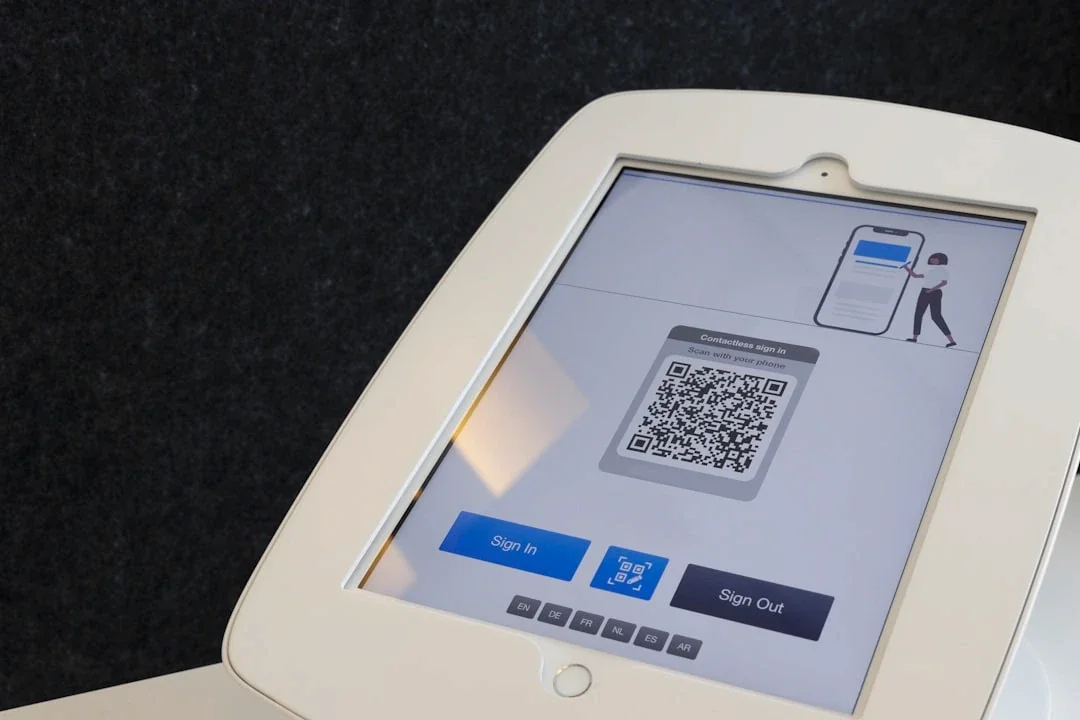
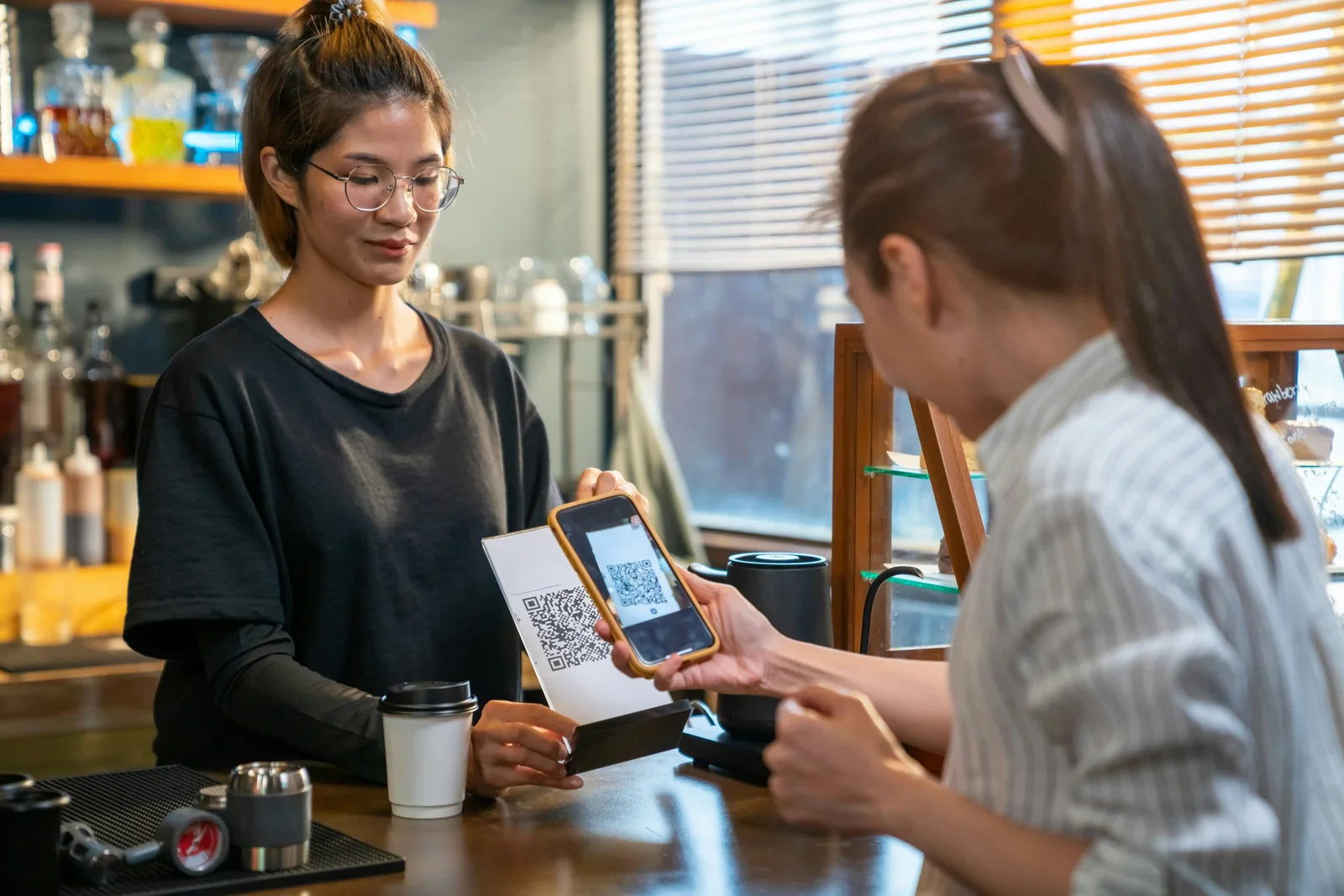
Customer scans QR code, adds digital card to phone (10 seconds) The entire signup process takes 10 seconds because simplicity drives customer loyalty—every additional step, every form field, every app download requirement cuts enrollment rates dramatically, and in a franchise system where staff training varies by location, simpler always wins.
Card works at all franchise locations network-wide
Earn everywhere in the network
Visits Location #47 → earns stamp
Visits Location #12 (different franchisee, different city) → earns stamp on same card
Visits Location #89 while traveling → same card, same balance
Customer sees: "7 of 10 stamps" regardless of location mix
Redeem at any location
Reaches 10 stamps
Redeems at whichever location is convenient
Works identically everywhere
Customer perception: "This brand has its act together. Professional franchise system where my rewards follow me everywhere."
Franchisor Experience (Central Control with Visibility)
From franchise head office:
Set brand standards once
Define core loyalty structure: "Stamp card: 10 purchases, 11th item free"
Design branded digital card
Set non-negotiable rules (reward value, redemption process, customer service standards)
Push to all franchise locations instantly
Monitor network-wide performance
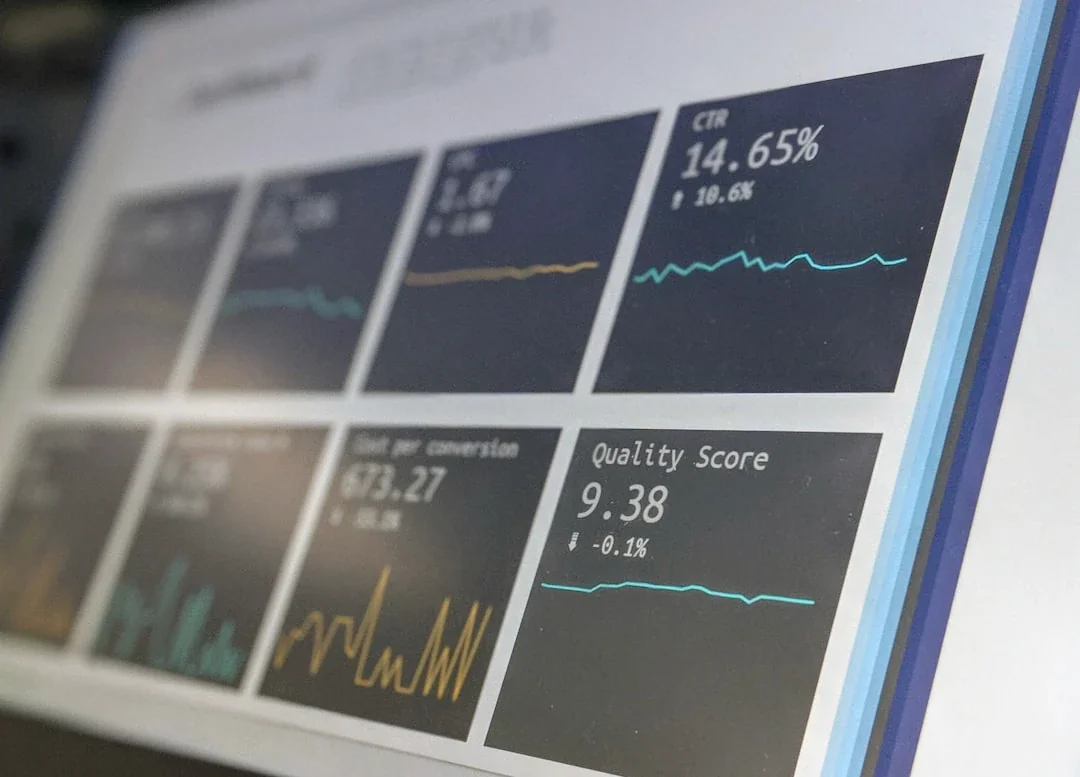
Dashboard showing:
Total loyalty members across all franchise locations
Network-wide redemption rates
Location-by-location comparison
Top-performing locations
Struggling locations that need support
Customer cross-location behavior
Enable controlled local flexibility
Allow franchisees to run approved promotion types:
"Double stamps on weekdays" (if location has slow weekday traffic)
"Triple stamps on specific products" (if franchisee wants to push new menu items)
Set guardrails: "Promotions can't exceed 3x normal earning rate"
Monitor all promotions from central dashboard
Share best practices
Location #34 has 85% loyalty enrollment rate (network average is 62%)
Investigate what they're doing differently
Share successful tactics with network
Raise overall performance
Protect brand integrity
Receive alerts if franchisee runs off-brand promotions
Can approve/reject proposed local campaigns
Ensure customer experience remains consistent
Franchisee Experience (Local Control with Support)
From individual franchise location:
Implement brand-standard loyalty quickly
Receive login credentials from franchisor
Access branded digital cards already designed
Train staff using standardized materials (15 minutes)
Go live in days, not months
Run local business effectively
See own location's customer data:
Local loyalty members
Visit frequency
Redemption rates
Top customers
Compare performance to network average
Identify opportunities
Respond to local competition
Competitor runs aggressive promotion
Launch approved local promotion: "Double stamps this week only"
Set up in minutes, runs at local location only
Franchisor sees it in dashboard but trusts franchisee judgment (within guidelines)
Use brand resources
Access marketing materials created by franchisor
Use proven successful tactics from other franchise locations
Benefit from national brand strength
But execute locally
Operate simplified business
After each transaction: scan customer QR code (3 seconds)
System handles everything automatically
No complex admin or technical work
Focus on running business, not managing loyalty tech
Real-World Example: How a 45-Location Franchise United Its Brand
Here's a case study from a quick-service food franchise with 45 locations across the UK.
The Problem:
Franchisor perspective:
No visibility into customer behavior across network
Some franchisees ran their own loyalty programs (inconsistent, brand-damaging)
Some franchisees ran no loyalty (missing opportunity)
Customer complaints: "My loyalty card from Location A doesn't work at Location B"
No system-wide customer data for decision-making
Couldn't compare location performance
Franchisee perspective:
Those running DIY loyalty struggled with management burden
Paper punch cards constantly lost
No good local options for digital loyalty
Needed to compete with national chains offering professional loyalty
Wanted customer data but didn't have resources to build systems
Previous failed attempts:
Franchisor mandated expensive enterprise system (£250/location/month)
Franchisees revolted at cost The £250/month price tag was especially painful because most franchisees had no visibility into what loyalty software should actually cost—a problem compounded by enterprise vendors who obscure real loyalty app pricing behind custom quotes and long-term contracts.
Franchisor backed down
Result: No system, ongoing problems
The Solution:
Franchisor implemented Perkstar unified franchise loyalty:
Brand-standard core program:
Digital stamp card: "Buy 8 items, 9th free"
Branded design matching franchise identity
Works at all 45 locations The "Buy 8 items, 9th free" structure wasn't arbitrary—it was based on the same behavioral psychology that makes effective punch card programs work: a reward threshold low enough to feel achievable but high enough to drive meaningful repeat visits before redemption.
Fair economics:
Franchisor paid for system (£60/month total, included in franchise support)
Franchisees paid nothing additional
Positioned as brand investment
Controlled local flexibility:
Franchisees could run "Double stamp" promotions on slow days
Required franchisor approval for promotions exceeding 2x
Guidelines clear: maintain brand integrity, don't train discount addiction
Tiered data access:
Franchisor sees all 45 locations, network-wide trends
Each franchisee sees own location data only
Both can compare to network averages
Fast rollout:
Franchisor set up system: 3 hours
Franchisee training webinar: 30 minutes
All 45 locations live within 3 weeks
The Results (after 18 months):
Network-wide (franchisor benefits):
28,000+ customers enrolled across all locations
System-wide customer data visibility for first time
Identified best practices at top-performing locations:
Location #12 had 88% enrollment rate (they trained staff to mention loyalty enthusiastically)
Location #27 had highest redemption rate (they sent monthly push notifications)
Shared these practices with all franchisees
Network average visit frequency increased 34%
Brand perception improved (professional, consistent system)
Customer complaints about loyalty inconsistency: eliminated
Individual franchisee level:
Average loyalty enrollment: 72% of customers
Visit frequency for loyalty members: 2.8x higher than non-members
Customer lifetime value increased 41% on average
Franchisees appreciated system: "Finally, we can compete with national chains on loyalty"
Several franchisees specifically mentioned loyalty as competitive advantage in their markets
No additional cost burden (franchisor covered it)
Specific franchisee example: Franchisee #34 (suburban location facing competition):
Enrolled 850 customers in 18 months
Used "Double stamps on Tuesdays" to fill slow day (Tuesday revenue increased 28%)
Identified top 50 customers, personally thanked them (built relationships)
Used push notifications for new product launches
Revenue increased 23% year-over-year (franchise average was +12%)
Franchisee quote: "This loyalty system levels the playing field. I can offer the same professional experience as big chains, but with the personal touch of a local franchisee. The data helps me understand my customers, and the flexibility lets me compete in my market."
Franchisor quote: "For years, loyalty was a source of tension in our franchise network. Franchisees wanted it but resented paying for it. We wanted brand consistency but couldn't afford to mandate expensive systems. This solution worked because it was affordable enough for us to cover the cost, simple enough to roll out across the network quickly, and flexible enough that franchisees felt empowered rather than controlled. Now we operate like a real professional brand with unified customer experience, but our franchisees still have the autonomy they need to run profitable local businesses."
Implementation Roadmap for Franchises
Here's the step-by-step for implementing franchise loyalty systems.
Phase 1: Franchisor Planning (1 week)
Key decisions:
Economics: Who pays? Franchisor (included in franchise fees) or franchisees (per-location fee)?
Core program structure: What's the non-negotiable brand standard?
Stamp card or points?
Reward value?
Redemption rules?
Local flexibility boundaries: What can franchisees control? Before locking in program mechanics, it's worth auditing your franchise against the six pillars of customer loyalty—reward structure is only one pillar, and franchises that neglect consistency, emotional connection, or trust will find that even a well-designed stamp card underperforms.
Approved promotion types?
Limits on promotional intensity?
Approval process?
Data governance: Who sees what data?
Franchisor access levels?
Franchisee access levels?
Privacy and data protection?
Rollout approach: All locations at once or phased?
Document decisions in clear policy manual.
Phase 2: System Setup (2-3 days)
Franchisor actions:
Set up franchise account
Configure brand-standard loyalty program
Design branded digital cards
Set up all franchise locations in system
Configure data access permissions (franchisor vs. franchisee views)
Create promotional guidelines and approval workflows
Test with dummy accounts
Time required: 3-5 hours for non-technical person.
Phase 3: Franchisee Communication (1 week)
Franchisor communicates to franchise network:
Why we're doing this:
Brand consistency
Competitive advantage
Customer expectation
Support franchisee success
What's in it for franchisees:
Professional loyalty system without building it themselves
Customer data and insights
Flexibility to run local promotions
Compete with national chains
Economics:
Cost structure (who pays)
Expected ROI
Timeline and expectations:
Training schedule
Launch date
Ongoing support
Materials:
Email announcement
FAQ document
Video explaining system
Training webinar invitation
Phase 4: Training (2 weeks)
Standardized training for all franchisees:
Franchisor webinar (60 minutes):
System overview
How customers experience it
Franchisee dashboard walkthrough
Running local promotions (within guidelines)
Data and reporting
Q&A
Franchisee trains own staff (15 minutes per person):
How to enroll customers (show QR code)
How to scan loyalty cards (3-second process)
How to handle redemptions
Practice scenarios
Reference materials:
Laminated guide at each register
Video tutorials in franchise portal
Support contact information
Phase 5: Launch and Support (Ongoing)
Launch approach:
Option A: Soft launch
5-10 volunteer locations go first
Work out kinks
Share success stories
Roll out to remaining locations
Option B: Network-wide launch
All locations go live same day
Big brand announcement
Coordinated marketing
Ongoing support:
Franchisor provides:
Monthly network performance reports
Best practice sharing
Marketing materials
Technical support
Franchisees manage:
Daily operations (scanning cards)
Local promotions (within guidelines)
Customer service
Staff training for new hires
Modern Take: The Evolving Franchise Landscape
Let's talk about why franchise loyalty matters even more in 2026.
What's changed in franchising:
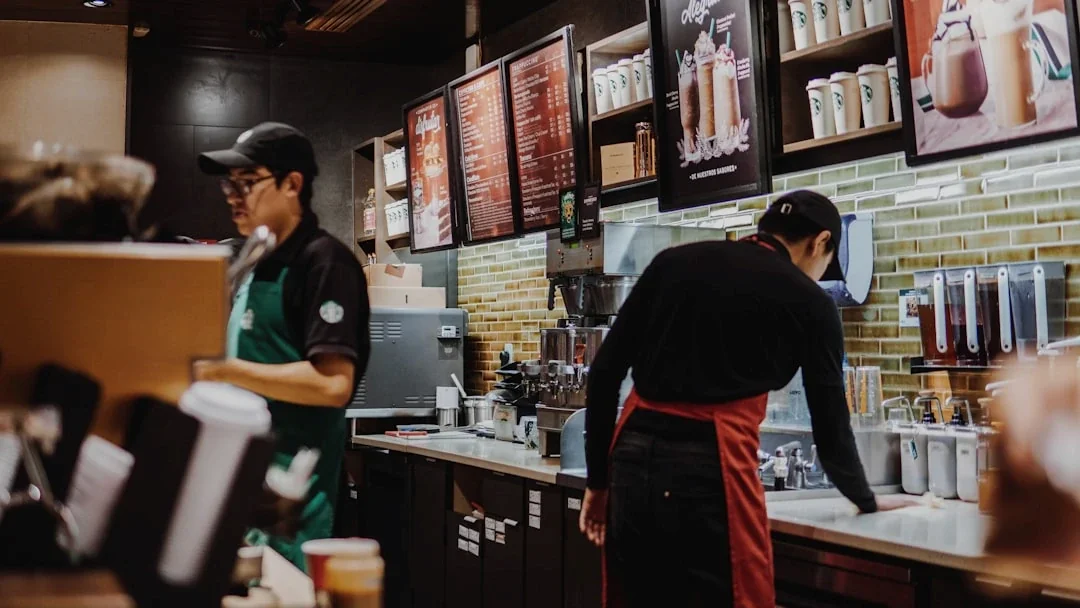
Customer expectations: Expect seamless experiences across franchise locations (influenced by corporate chains like Starbucks, where loyalty is perfect everywhere)
Franchisee sophistication: Modern franchisees are data-driven business owners who demand tools that help them compete These data-driven franchisees are actively researching loyalty points software for small businesses on their own, and if the franchisor doesn't provide a professional system, individual locations will cobble together their own solutions—creating exactly the brand fragmentation the network can't afford.
Competition intensity: Franchises compete with corporate chains, other franchises, and independent locals—need every advantage
Data as differentiator: Customer data drives better decisions, but only valuable if actually used
Transparency demands: Franchisees want visibility into network performance to benchmark themselves
Why modern franchises with unified loyalty win:
Against Corporate Chains:
Franchises can offer:
Local ownership and community connection (franchisees live in the communities) This community advantage is the same reason online loyalty programs for local businesses outperform generic corporate schemes—customers genuinely want to support businesses where the owner knows their name, and a professional loyalty system gives them a structured reason to keep doing so.
Personal service and accountability
But with professional systems matching corporate chains
Best of both: local touch + professional brand
Against Independent Locals:
Franchises can offer:
Brand recognition and trust
Professional systems (including loyalty)
Proven business models
Better resources than solo operators
Network Effects:
Unified loyalty creates compounding value:
Customer who visits multiple franchise locations has higher lifetime value
Brand strength increases with consistent experiences
Data from network improves decision-making for all
Successful tactics spread quickly across network This network effect is especially powerful for franchise takeaway operations, where loyalty programs that reduce app dependency reclaim customer relationships from third-party delivery platforms—and when those direct customers visit multiple franchise locations, the data compounds across the entire network.
Example: Franchise Location #8 discovered that sending birthday push notifications increased visit likelihood 45% in birthday month. Franchisor shared this practice with network. Within 3 months, 38 of 45 locations implemented birthday notifications. Network-wide birthday month visit rates increased 32%. Single franchisee's innovation benefited entire brand.
The insight: Franchises that balance brand consistency with franchisee autonomy thrive. Digital loyalty makes this balance achievable.
Why Perkstar Works for Franchises
Let me be direct about why Perkstar is designed for franchise systems:
Unified brand experience: Customer's digital card works at every franchise location automatically.
Tiered data access: Franchisor sees network-wide data, each franchisee sees own location data, both can benchmark against network averages.
Controlled flexibility: Franchisor sets core program, franchisees can run approved local promotions.
Franchise-friendly pricing: Flat-rate or reasonable tiered pricing (not £100/location × 50 locations). And because choosing the wrong platform costs franchises months of rollout time and franchisee goodwill, we recommend running a loyalty software free trial across 3-5 locations before committing network-wide—test the franchisor dashboard, franchisee experience, and customer signup flow with real data before scaling.
Fast rollout: Franchisor sets up once, all franchisees access within days.
Simple for staff: 3-second QR scan, works identically at every location.
No technical burden: Franchisees don't need IT expertise.
Consolidated reporting: Franchisor sees network health, franchisees see local performance.
Setup takes hours for franchisor, minutes for franchisees. Training takes 15 minutes per staff member. Works on any smartphone.
7-day free trial, no credit card required. Test with pilot locations before network rollout.
Start Uniting Your Franchise Brand
Here's the reality: Customers expect seamless experiences across franchise locations. Franchisees need tools that help them compete locally while benefiting from brand strength. Franchisors need brand consistency without crushing franchisee autonomy.
Digital loyalty programs designed for franchises solve this tension—unified customer experiences, brand consistency, franchisee flexibility, fair economics, and data visibility at both levels. If you want to see how this works before committing your entire network, Perkstar's 7-day trial lets you test the full franchise setup—franchisor dashboard, franchisee access, cross-location customer experience—with a dedicated account manager who's rolled out loyalty for multi-location businesses hundreds of times.
Whether you're a franchisor building network-wide systems or a franchisee implementing them locally, modern loyalty platforms make this balance achievable.
Platforms like Perkstar are built specifically for franchise economics and relationships—empowering both franchisor and franchisee to succeed together.
Ready to unify your franchise brand? Start your free 7-day trial with Perkstar—no credit card required. Set up unified loyalty across your franchise network and start operating with the brand consistency and franchisee autonomy that makes franchise systems thrive.