5 Best Loyalty Apps for Aesthetics Services in 2026
5 Best Loyalty Apps for Aesthetics Services in 2026
An aesthetician doesn't sell facials. You sell a relationship with someone's skin.
Your client sits down for their first appointment and tells you what's bothering them — the breakouts, the texture, the pigmentation, the fine lines they noticed last month. You assess, you recommend, you build a plan. That plan might span weeks or months — a series of treatments, a homecare routine, seasonal adjustments. The first facial is just the beginning of a conversation that should last years. Barbers hold that long conversation by default, one cut at a time, which is why owning the client relationship matters more than filling the next slot.
That's the value you deliver. Not a one-off relaxation session, but an ongoing, evolving partnership with a client's skin health. The aesthetician who helped them clear their acne at 25 could be the same one managing their pigmentation at 35 and their ageing concerns at 45. The lifetime value of that relationship is extraordinary.
The problem is that most aesthetics businesses have no system to sustain it.
A client finishes their course of peels and feels fantastic. Their skin is the best it's been in years. They fully intend to come back for maintenance. Then three months pass. Then six. Their homecare products run out and they replace them with something from Boots. By the time they think about booking again, they've lost momentum — and you've lost the revenue from nine months of maintenance treatments and product repurchases. Waxing salons watch the same drift on a four-week cycle, which makes attracting more clients to a waxing salon a constant job.
A digital loyalty programme creates the infrastructure that keeps that long-term relationship alive. It tracks treatment progress, reminds clients when their skin needs attention, rewards them for following through on their homecare routine, and maintains a communication channel that reaches them directly — not through an Instagram algorithm or an email that sits unread.
At Perkstar, we work with aestheticians, skincare professionals, and treatment-based beauty businesses across the UK. We've seen what keeps clients engaged over years, not just weeks. This guide covers the five loyalty apps that genuinely work for aesthetics services in 2026.
Why Aesthetics Services Have the Longest — and Most Valuable — Client Lifecycle of Any Beauty Business
Aesthetics sits in a specific space: more clinical than a general beauty salon, more accessible than a medical spa, and more relationship-driven than either. That positioning creates unique loyalty opportunities.
Your treatment plans are seasonal — and seasons are your promotional calendar. Skin needs change throughout the year. Summer demands sun-damage repair and hydration. Autumn is the window for resurfacing treatments (peels, microneedling) when UV exposure drops. Winter focuses on barrier repair and deep hydration. Spring is renewal — brightening, exfoliation, preparation for summer. Each seasonal shift is a natural reason to reach out to every client. A loyalty platform with push notifications turns your seasonal treatment calendar into a direct marketing campaign that reaches every client's phone at the moment their skin needs change.
Homecare retail is a recurring revenue stream most aestheticians leave on the table. You recommend specific products to every client — cleansers, serums, SPF, retinol, moisturisers. Those products have a defined usage lifespan (a serum lasts 8 weeks, an SPF 6 weeks, a cleanser 8 weeks). Yet most clients either forget to repurchase, switch to a cheaper alternative from the high street, or simply let their routine lapse. A loyalty programme that rewards product purchases and sends automated replenishment reminders turns retail from an inconsistent sideline into a predictable revenue stream.
The consultation is the beginning of a multi-year relationship — not a one-off sale. Unlike a hair appointment where the outcome is visible immediately, aesthetics results build over time. Skin improvements from peels, microneedling, or LED therapy compound with each session. A loyalty programme that tracks treatment progress — "session 3 of 6 complete" — keeps clients visually engaged with their journey, reducing the temptation to stop mid-course.
Your competition isn't just other aestheticians — it's the entire skincare industry. The Ordinary, Paula's Choice, Medik8, subscription boxes, at-home LED masks, microcurrent devices — the direct-to-consumer skincare market gives your clients a constant stream of alternatives that promise professional results at a fraction of the cost. Your competitive advantage is the personalised assessment, the clinical-grade products, and the professional application that these alternatives can't replicate. A loyalty programme reinforces that advantage by making professional care feel more rewarding and more connected than any subscription box.
Skin transformations generate powerful referrals — at a specific moment. When a course of treatments delivers visible results — clearer skin, reduced pigmentation, improved texture — the client's friends notice. "What have you done? Your skin looks amazing" is the referral conversation that happens organically. A referral programme that's active during this window captures those conversations at their peak impact.
Google reviews carry clinical weight. When someone searches for "aesthetician near me" or "facial treatments [your area]," they're researching with the same care they'd bring to choosing a doctor. They read reviews carefully, looking for specific treatment mentions and real results. Reviews don't just influence this decision — they dominate it. A loyalty programme that generates detailed, treatment-specific reviews builds the credibility that converts cautious searchers into consultation bookings. The sophistication required to implement these systems effectively is why smart agencies are adding digital loyalty to their service stack for aesthetics clients.
The 5 Best Loyalty Apps for Aesthetics Services
1. Perkstar
Best for: Aestheticians who want mobile wallet loyalty, seasonal treatment promotion, homecare product rewards, and the infrastructure to maintain multi-year client relationships.
Perkstar is built for independent service businesses, and aesthetics is one of the verticals where the platform's depth across card types, automated notifications, and behavioural segmentation creates the most long-term client value.
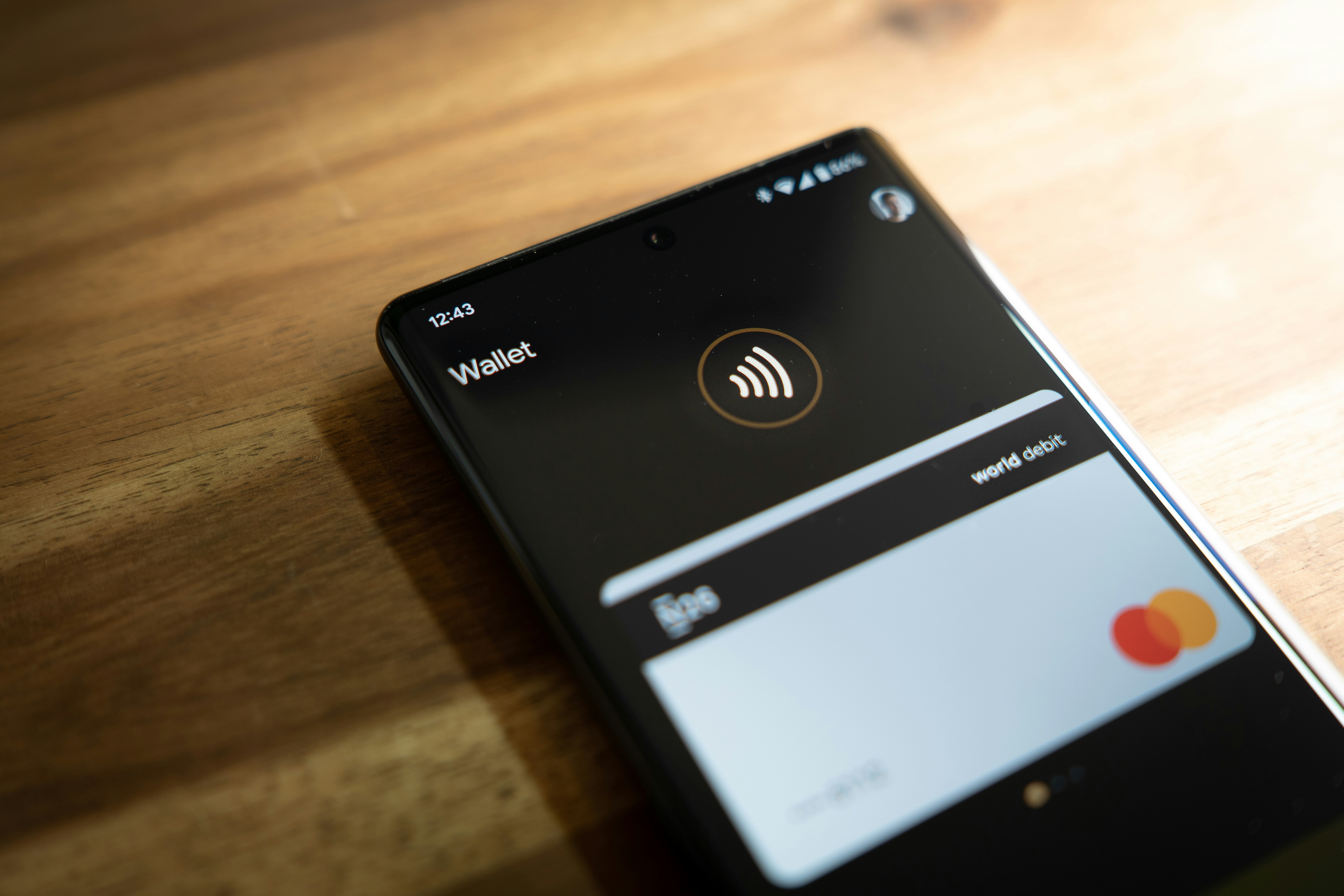
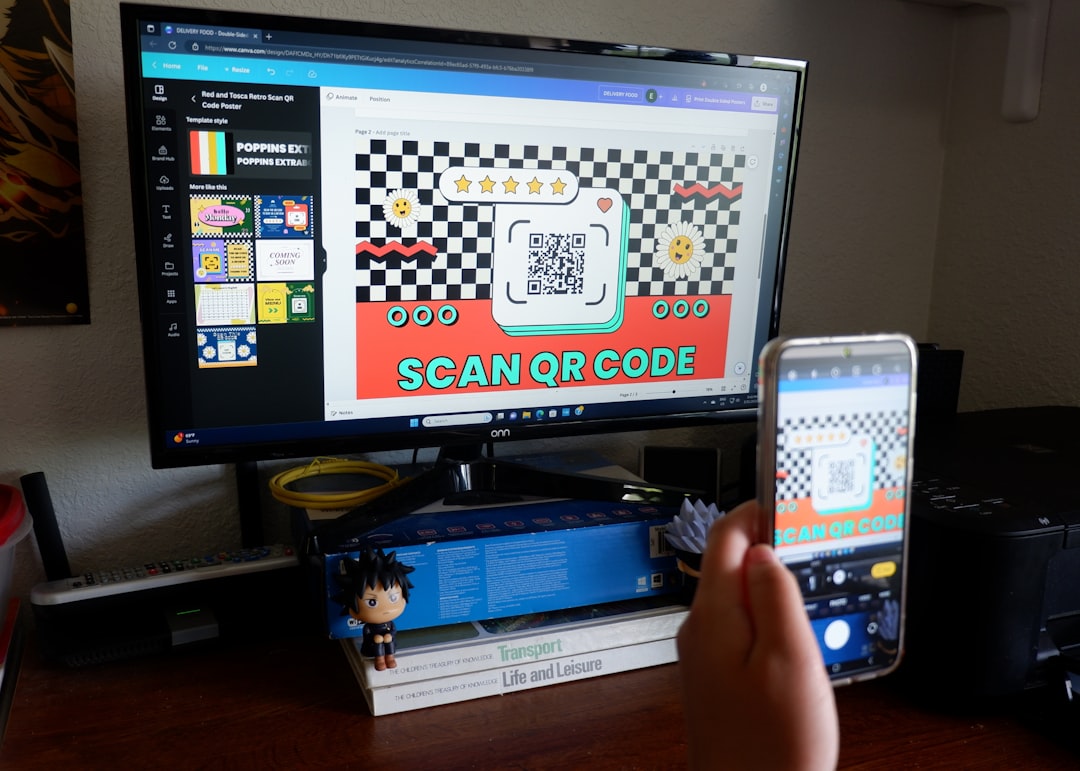
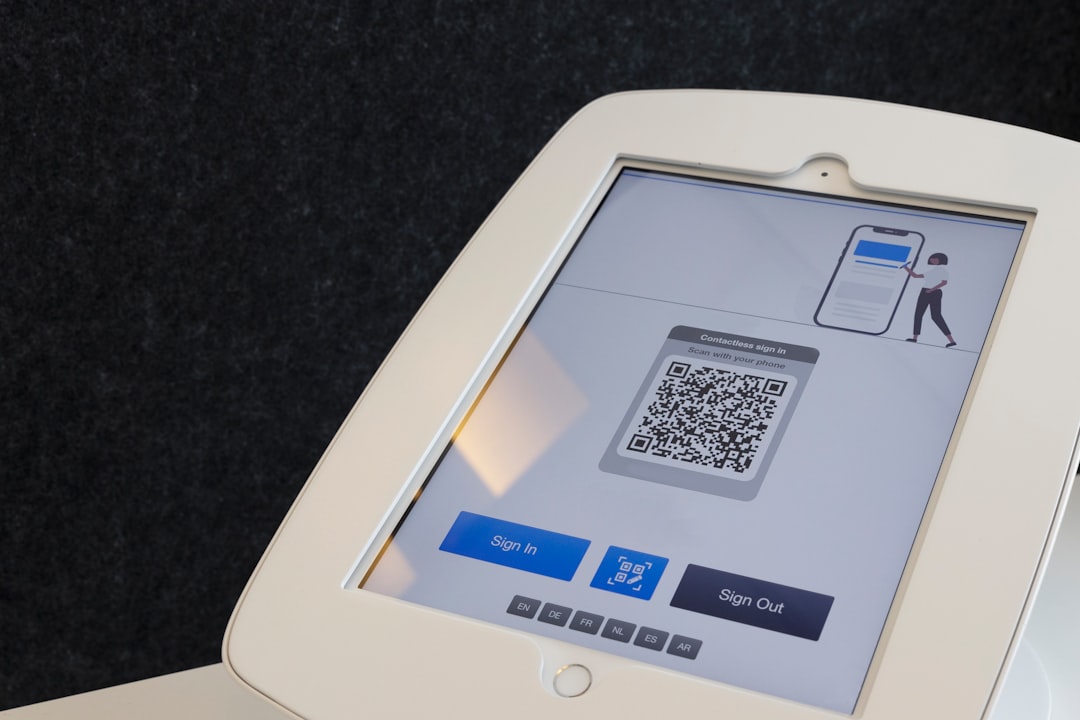
Clients add a loyalty card to their Apple Wallet or Google Wallet by scanning a QR code in the treatment room (during mask application or LED downtime — a natural moment), at reception, or on their aftercare card. No app download. Ten seconds.
For aesthetics services, the most effective approach layers multiple card types:
A points programme (1 point per pound spent) is the foundation. Points reward across treatments and retail products equally — so the client who buys a £65 facial and a £45 serum earns 110 points, not just 65. This structure actively incentivises homecare purchases because every product bought moves the client closer to their next reward. "My SPF is running out — I'll buy it from my aesthetician because I earn points" is the programme protecting your retail revenue from high-street alternatives.
A stamp card for treatment courses tracks progress through multi-session programmes. A client doing a six-session peel course sees "4 of 6 complete" on their phone — visual momentum that reduces mid-course drop-out and motivates completion. The reward for finishing (a complimentary skin assessment, a product mini, or bonus points) creates a natural transition point into ongoing maintenance.
A membership for your most committed clients generates predictable recurring revenue. Monthly subscription for one treatment, 15% off products, priority booking, and a seasonal skin review. This is the tool that converts a course-completing client into a lifetime client — and provides the recurring income that smooths out seasonal dips. Building these long-term relationships through effective cosmetic treatment loyalty programmes is essential for sustainable practice growth.
Digital gift cards work well for aesthetics — "give someone a facial" is a popular gift around birthdays, Christmas, Mother's Day, and self-care-themed occasions.
The marketing toolkit is where Perkstar addresses the aesthetics business's most distinctive need: seasonal communication.
Unlimited push notifications to lock screens let you build a seasonal outreach calendar:
September: "Summer's over — time to assess sun damage. Book your autumn skin consultation and earn double points"
November: "Winter skin prep — hydration treatments and barrier repair. Your skin will thank you in January"
February: "Spring renewal — brighten and resurface ahead of summer. Triple points on all peel treatments this month"
May: "Summer skin protection — book your pre-summer facial and stock up on SPF. Points on every product"
Automated notifications handle the ongoing relationship:
Post-treatment follow-up (7 days): "How's your skin feeling after your treatment? Your next session is recommended in [X] weeks"
Treatment course reminders: per-session interval based on protocol
Product replenishment (timed to estimated usage): "Running low on your serum? Restock and earn points — your skin knows the difference"
Lapsed client recovery (60 days): "It's been a while since we saw your skin — book a check-in and let's keep your results on track"
Geo-fenced notifications reach clients when they're near your practice. The referral programme captures the "your skin looks amazing — who do you see?" conversation. Google Review rewards build the clinical credibility that drives new enquiries. The CRM with advanced behavioural segmentation lets you separate consultation-stage prospects from active course clients, maintenance members, product-only purchasers, and lapsed clients — messaging each appropriately.
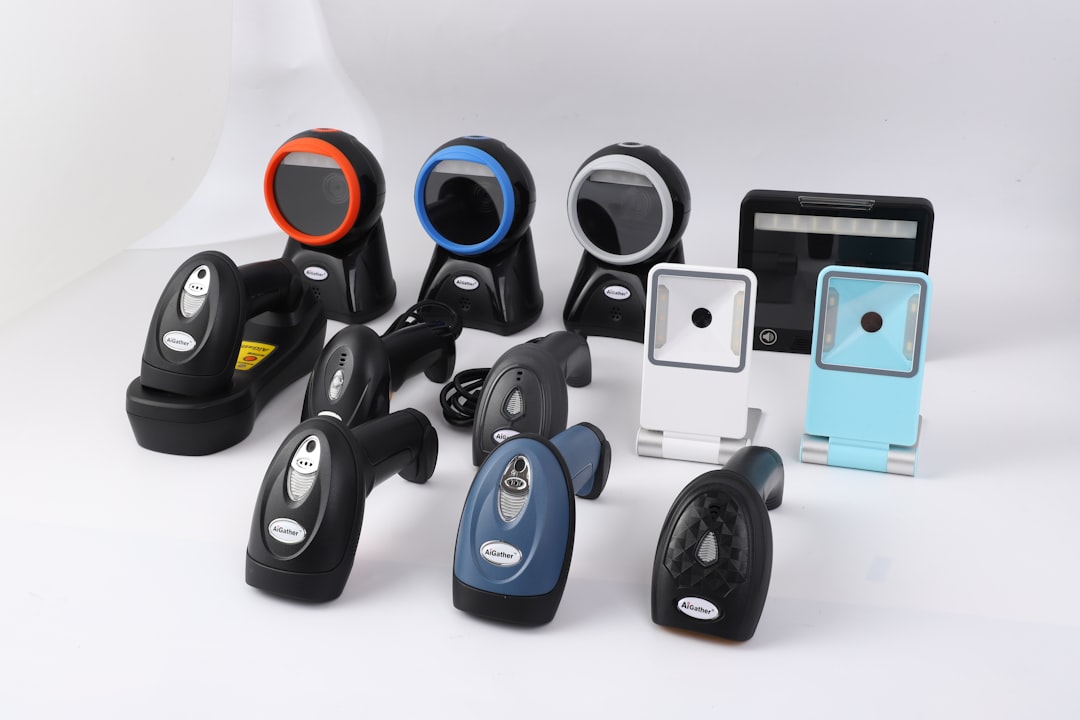
For busy practices, the Scanner App lets staff scan the client's wallet card at reception. Scanner App Pro connects a hardware barcode scanner for self-service — clients scan their own card as they check out. Auto-confirm, fully hands-free. Exclusive to Growth and Scale plans (beta).
Integrations with Mailgun and Twilio give you email and SMS. Pricing starts at £15 per month on a yearly plan, with a 7-day free trial requiring no credit card.
Start a free 7-day Perkstar trial
2. Fresha
Best for: Aestheticians already using Fresha for bookings and payments that want a basic loyalty add-on.
Fresha is widely used across the beauty industry for appointment scheduling and payments. Its loyalty feature awards points based on client spending. If your aesthetics practice runs bookings through Fresha, adding loyalty requires no additional tool.
Points accumulate automatically when clients pay. For an aesthetician who wants loyalty running silently inside an existing booking system, the convenience is real.
The limitations are consistent. No stamp cards for treatment course tracking. No memberships for ongoing maintenance clients. No Apple Wallet or Google Wallet integration — nothing on the client's phone between treatments. No push notifications for seasonal promotions or product reminders. No product replenishment automation. No referral programme. No Google Review rewards. Basic segmentation.
Fresha handles booking. For aesthetics practices that need loyalty to drive seasonal communication, product repurchases, course completion, and referrals, a dedicated platform alongside Fresha delivers significantly more. Course tracking is precisely the job a stamp does, and digital stamps versus paper punch cards is a comparison most treatment rooms end up making.
3. Vagaro
Best for: Aestheticians who want an all-in-one booking, payment, and marketing platform with basic loyalty features.
Vagaro combines booking, payments, client management, and marketing into one system. The platform includes a basic loyalty programme where clients earn points or rewards. It's used by many beauty professionals, including aestheticians.
The all-in-one approach reduces the number of tools you manage. Client records, appointment history, and retention tools all live in one place.
The loyalty feature is secondary to the booking system. There's no Apple Wallet or Google Wallet integration for loyalty cards. Push notifications to lock screens aren't available outside the Vagaro app. No treatment course stamp cards. No seasonal push notification campaigns. No product replenishment reminders. No referral programme. No Google Review rewards. No self-service scanning. Engagement depends on clients using the Vagaro app.
For aestheticians needing a complete business tool with basic loyalty, Vagaro works. For those who want loyalty to actively drive seasonal bookings, product sales, and referrals, a dedicated platform will outperform.
4. Square Loyalty
Best for: Aesthetics practices processing all payments through Square that want automatic loyalty tracking.
Square Loyalty integrates with Square POS. Clients earn points when they pay — no scanning, no extra step. Points accumulate based on spend, which works for practices with a range of treatment and product prices.
The trade-offs are significant for an aesthetics business. The wallet option is an Apple Wallet loyalty pass, added at the till with a phone number. No push notifications for seasonal treatments, product reminders, or course check-ins. No stamp cards for treatment progress. No memberships. No product replenishment automation. No referral programme. No Google Review rewards. No self-service scanning. For a business where the gaps between treatments can be weeks or months and the primary challenge is maintaining the client relationship across those gaps, the inability to communicate between visits is the critical limitation.
5. Loopy Loyalty
Best for: Aestheticians who want a simple mobile wallet stamp card without system dependencies.
Loopy Loyalty puts a digital stamp card in Apple Wallet and Google Wallet. No app download, real-time updates, branded card. For an aesthetician who wants a "complete 5 treatments, earn a complimentary skin assessment" programme with a persistent wallet presence, Loopy Loyalty works.
The wallet card's visibility between appointments is valuable — a gentle, ongoing reminder that professional skincare is part of the client's routine.
The limitations are substantial for aesthetics. Stamps are the only programme type. No points for rewarding product purchases proportionally alongside treatments. No memberships for maintenance clients. No seasonal push notifications. No product replenishment reminders. No digital gift cards. No referral programme. No CRM or behavioural segmentation. No Google Review rewards. No self-service scanning. For aesthetics — where seasonal communication, product retail, and long-term relationship management are the highest-value loyalty functions — a stamp-only approach covers only a fraction of the opportunity.
Quick Comparison: Loyalty Apps for Aesthetics Services
Feature | Perkstar | Fresha | Vagaro | Square Loyalty | Loopy Loyalty |
|---|---|---|---|---|---|
Apple Wallet & Google Wallet | ✅ | ❌ | ❌ | ❌ | ✅ |
Card Types | 8 (Stamp, Points, Membership, Multipass, Discount, Coupon, Cashback, Gift Cards) | Points only | Points/rewards | Points only | Stamps only |
Treatment Course Stamp Cards | ✅ | ❌ | ❌ | ❌ | ✅ (basic) |
Rewards Retail Product Purchases | ✅ (points on total spend) | ✅ | ✅ | ✅ | ➖ (stamp card — staff add stamps at the counter) |
Seasonal Treatment Promotions | ✅ (scheduled push to lock screen) | ❌ | Limited | ❌ | Limited |
Product Replenishment Reminders | ✅ (automated push) | ❌ | ❌ | ❌ | ❌ |
Maintenance Membership | ✅ | ❌ | ❌ | ❌ | ❌ |
Self-Service Kiosk Scanning | ✅ (Scanner App Pro) | ❌ | ❌ | ❌ | ❌ |
Push Notifications to Lock Screen | ✅ Unlimited & Geo-Fenced | ❌ | Within Vagaro app | Limited | ✅ |
Post-Treatment Follow-Up Automation | ✅ | Booking reminders | Basic | ❌ | Limited |
Referral Programme | ✅ | ❌ | ❌ | ❌ | ❌ |
Google Review Rewards | ✅ | ❌ | ❌ | ❌ | ❌ |
Digital Gift Cards | ✅ | ❌ | ❌ | Via Square ecosystem | ❌ |
Birthday Rewards | ✅ Automated | ❌ | ❌ | ❌ | ❌ |
Behavioural Segmentation | ✅ Advanced (consultation → course → maintenance → lapsed) | Basic | Basic | Basic | Basic |
Works for Solo Aestheticians | ✅ | ✅ | ✅ | Requires Square hardware | ✅ |
Email & SMS Integration | ✅ (Mailgun & Twilio) | Within Fresha | Within Vagaro | Limited | ❌ |
Requires App Download | ❌ | ❌ (web-based) | ✅ (Vagaro app) | ❌ (POS-based) | ❌ |
Free Trial | 7 days (no card required) | Free base plan | 30 days | 30 days | ✅ |
Starting Price | From £15/mo (yearly) | Commission-based | From $25/mo | From $13/mo (usage-based) | From $25/mo |
Real-World Scenario: How a Loyalty Programme Turns Seasonal Skin Needs Into Year-Round Revenue
Feature tables compare platforms. This section shows what loyalty looks like across four seasons of skincare — because an aesthetics business doesn't operate on a single rebooking cycle. It operates on a year-round relationship that shifts with the weather, the client's skin, and the calendar.
Maya is an aesthetician running a two-room treatment space in Brighton. She offers facials, chemical peels, microdermabrasion, dermaplaning, LED therapy, and a curated retail range of professional skincare. Her treatments are excellent — clients leave with visibly better skin. But two problems consume most of her business energy.
First, the seasonal pattern. September to November is busy (post-summer skin repair). January and February are dead. March picks up slightly. June and July are moderate. She's constantly riding a wave of demand she can't control. Retail beauty chains work the calendar the same way, which is the useful part of Sally Beauty's loyalty programme for a single-site salon.
Second, her retail products. Every client gets a personalised homecare recommendation — cleanser, serum, SPF, maybe a retinol or an exfoliant. About 30% buy something on the day. Almost none come back to repurchase when the product runs out. They buy a substitute from The Ordinary or Boots, and Maya loses that recurring revenue permanently.
Month one — building the year-round database. Maya places QR codes in each treatment room (during mask application — 10-15 minutes of downtime), at reception, and on the product bags. Within four weeks, 115 clients have enrolled. The treatment-room placement is the strongest performer — clients scan while lying still with a mask on, the perfect captive moment.
She sets up a points programme (1 point per pound spent across treatments and products) alongside stamp cards for her six-session peel and microneedling courses.
September — the autumn campaign turns a natural demand spike into a managed one. Normally, September is busy because clients return after summer without prompting. This year, Maya sends a push notification on 1 September to her entire loyalty base: "Summer's over — time to repair and renew. Book your autumn skin assessment and earn double points. Peel season starts now." The notification reaches 115+ phones. September bookings increase by roughly 25% compared to the previous year — not because more people wanted skin treatments, but because the direct notification converted intention into action faster.
Maya follows up with a mid-September notification targeting clients who haven't booked: "Post-summer skin check — your skin's been through a lot. Let's assess the damage and build your autumn plan. Triple points on all peel treatments this month."
October-November — treatment course tracking keeps clients committed. Maya's six-session peel course runs through autumn when UV exposure is lower. The stamp card showing "3 of 6 complete" on each client's phone creates the visible momentum that keeps them booking sessions fortnightly rather than letting the gaps stretch. Course completion rates improve noticeably compared to previous years when there was no visual tracking.
November — preparing for the winter gap. Maya sends a push notification in late November: "Winter skin prep — deep hydration and barrier repair treatments available now. Your skin needs different care when the heating goes on. Book your winter facial and earn double points." The notification catches clients before they mentally "close" their skincare spending for Christmas. December bookings increase. More importantly, clients who would normally disappear between November and February stay engaged.
January — the quietest month gets a lifeline. January has always been Maya's worst month. This year, she sends a push notification on 2 January: "New year, new skin goals. Book your January skin assessment — we'll build your 2026 plan together. Bonus points on all treatments this month." The notification reaches 140+ phones (the database has grown through autumn enrolments). January bookings increase by roughly 40% compared to the previous year — still not as busy as autumn, but meaningfully improved.
She follows up mid-January targeting clients who booked autumn treatments but haven't returned: "Your autumn peel results are worth maintaining. Book a winter follow-up and keep your skin on track." Twelve clients rebook who would otherwise have drifted.
Product replenishment — the game-changer for retail revenue. Maya configures automated product reminders timed to typical usage:
Cleanser: 56 days (8 weeks)
Serum: 56 days
SPF: 42 days (6 weeks)
Retinol: 70 days (10 weeks)
Each notification is specific: "Your serum's probably running low — restock with us and earn points. Professional-grade products make the difference." The reminder arrives at the moment the product is running out — before the client has time to browse The Ordinary online.
In the first quarter, product replenishment reminders generate 42 additional retail purchases. At an average product price of £35, that's £1,470 in additional retail revenue — purchases that would have gone to high-street or online alternatives without the reminder. Product attachment rates for initial appointments also increase from 30% to 48%, because points make buying from Maya feel like progress rather than just spending.
Over six months, Maya's total retail revenue increases by approximately 60%. The combination of points incentivising initial purchases and automated reminders driving repurchases transforms retail from an afterthought into her second-largest revenue stream.
Month three — referrals arrive when skin looks its best. Maya activates the referral programme, timed strategically. She sends a targeted push notification to clients who completed a treatment course two to four weeks ago — the window when their results are most visible: "Friends noticing your skin? Refer someone for a consultation — you'll both earn rewards."
In eight weeks, 18 new consultation bookings arrive through referrals. These are extraordinarily high-quality leads. Referred clients convert to treatment at 80% (compared to 55% for ad-acquired clients), and their average first-course value is higher because they arrive expecting the quality of results they've seen on their friend's face.
Month three — Google Reviews build clinical trust. Maya turns on Google Review rewards. Clients who leave a review earn 20 bonus points. She encourages detail: "Mention the specific treatment and your results — it helps other people find the right care." Over twelve weeks, her review count goes from 40 to 95, and her rating holds at 4.9. The reviews are detailed and treatment-specific ("I did a course of peels and my pigmentation has virtually disappeared"), which is exactly what cautious first-time searchers want to read.
New consultation enquiries increase by approximately 30%.
Month four — the maintenance membership prevents post-course disappearance. Maya launches a skincare membership: £69 per month for one maintenance facial, 15% off all products, priority booking, and a complimentary seasonal skin assessment every quarter. She sends a push notification to clients who've completed at least one treatment course: "Love your results? Lock them in with a membership — one facial per month, product discounts, and seasonal skin reviews."
Eight clients sign up in the first two months. That's £552 per month in guaranteed recurring revenue. Membership clients also purchase significantly more retail products (the 15% discount removes the price hesitation that sends them to The Ordinary), and their visit frequency is consistent month-to-month — including January and February, the months Maya previously dreaded.
Gift cards and birthday rewards. Maya enables digital gift cards: £50, £75, and £100. "Give the gift of great skin" sells around birthdays, Mother's Day, and Christmas. She activates automated birthday rewards: 15% off any treatment during the client's birthday month. Birthday notifications prompt bookings — and several birthday clients bring a friend, creating new enrolments.
Gift card sales in the first six months: £1,600.
After six months:
185+ loyalty members
September bookings up ~25% (autumn campaign accelerating natural demand)
January bookings up ~40% (winter campaign filling the quietest month)
Retail revenue up approximately 60% (points incentive + replenishment reminders)
42 additional retail purchases per quarter from automated reminders alone (£1,470/quarter)
Course completion rates up (stamp card momentum)
8 maintenance members generating £552/month recurring
18 referral consultations (80% conversion rate)
Google rating 4.9 (reviews 40 → 95)
£1,600 in gift card sales
Monthly cost: £15
Maya didn't add new treatments. Didn't hire