Loyalty Programs for Med Spas: Build Premium Relationships

Here's a scenario that costs med spas thousands of pounds every month:
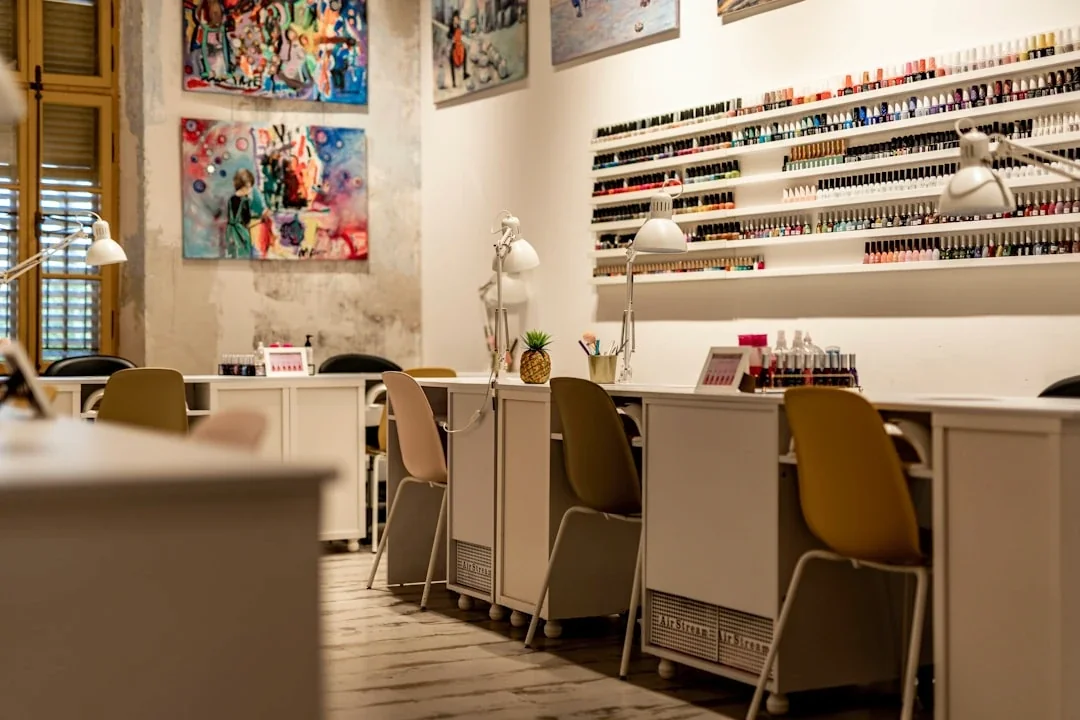
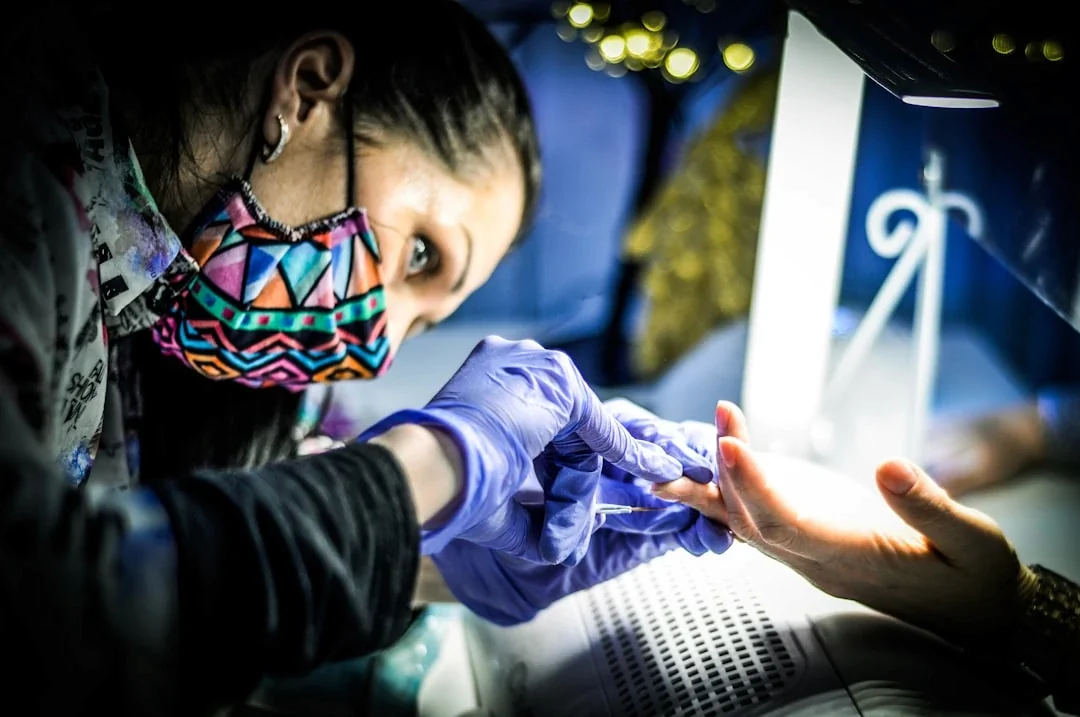
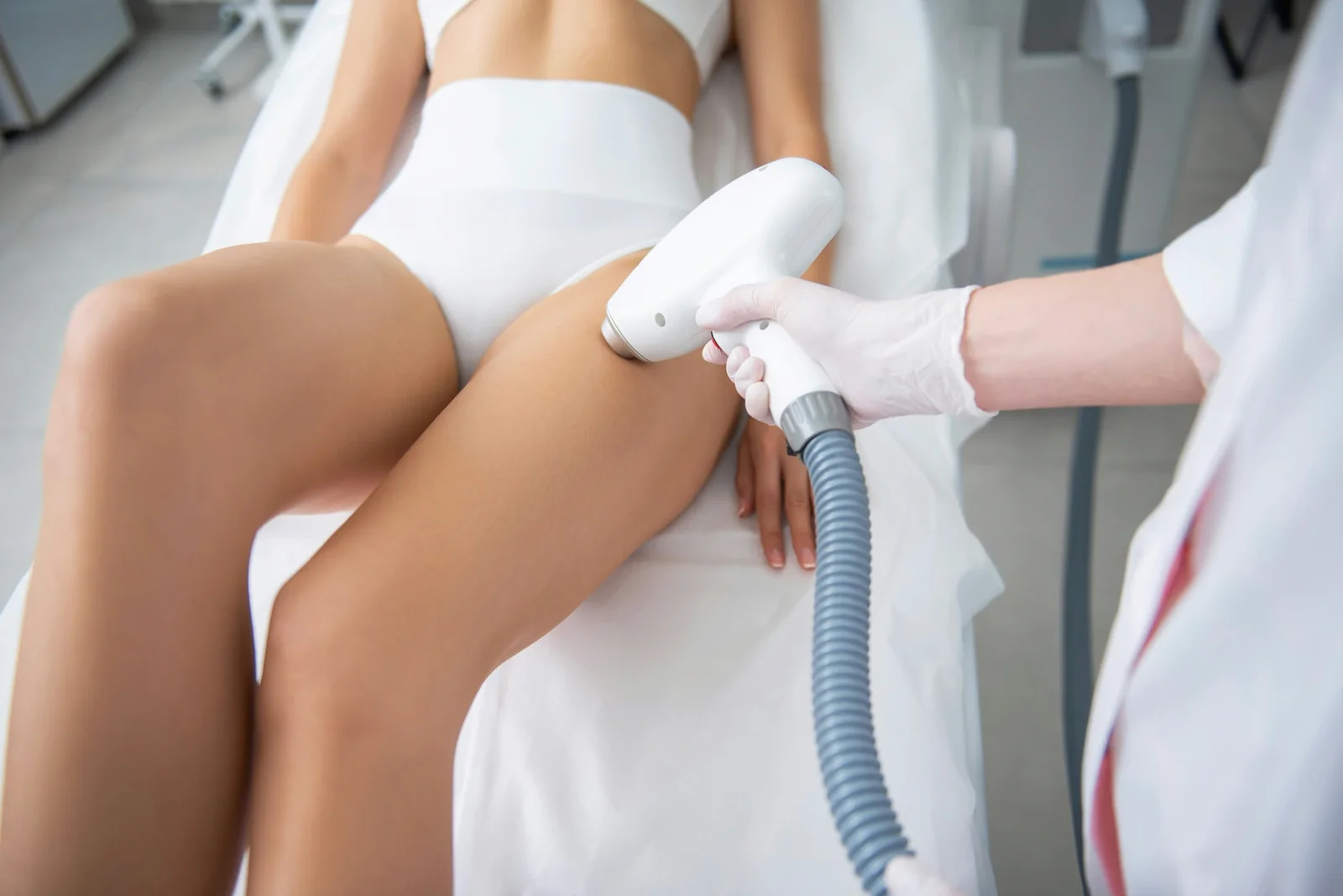
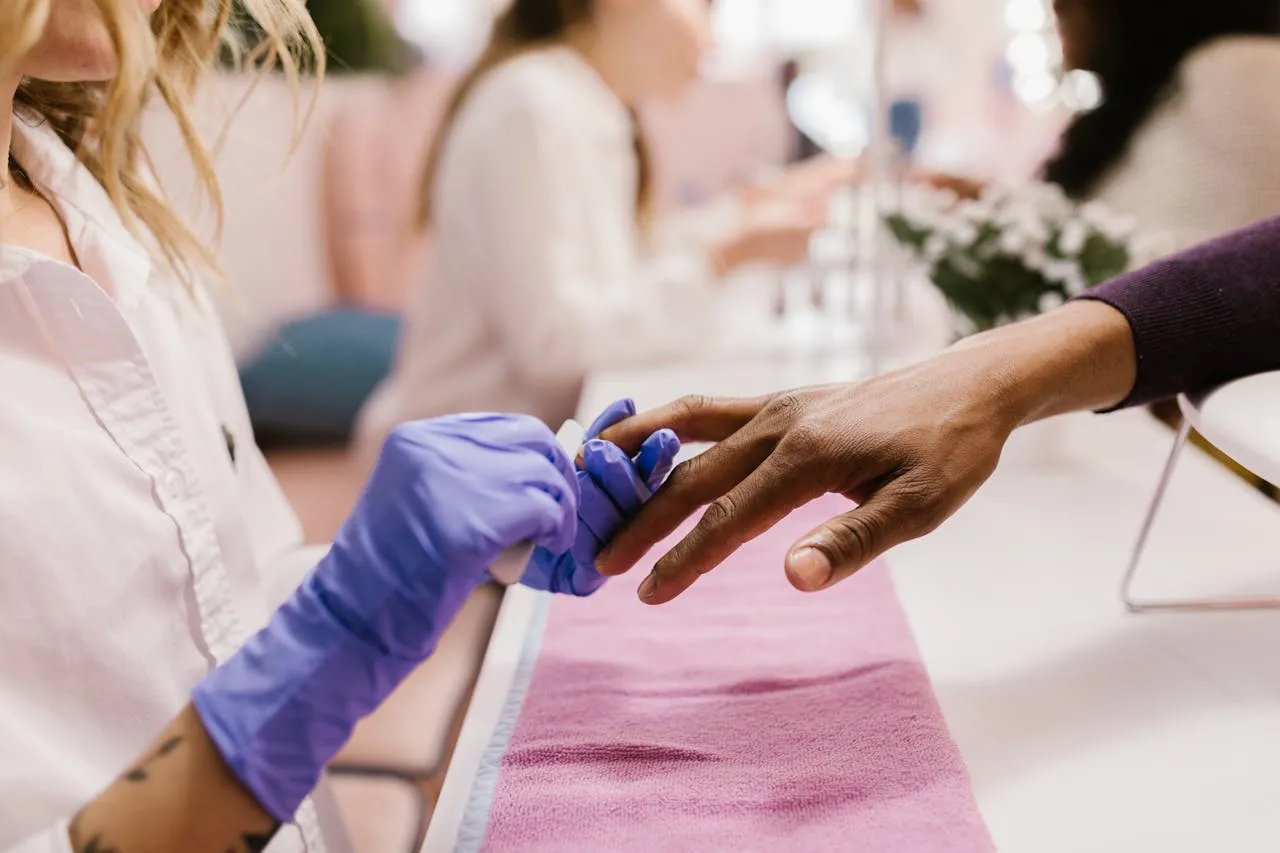
A client comes in for an initial consultation and books a package of 6 laser hair removal sessions. You develop a treatment plan, explain the science, set expectations for results. She completes sessions 1 and 2, sees initial progress, then life gets busy. She misses session 3. Reschedules. Cancels again. Six months later, the hair has regrown and she's back to square one—frustrated with the lack of results and less likely to continue. The same lapse happens on a shorter cycle in nail bars, where nail salon loyalty apps lean on reminders as much as rewards.
That incomplete package represents £800-1,200 in lost revenue from services already planned. But more importantly, it represents a lost relationship that could have generated £5,000-15,000+ in lifetime value across multiple treatments, maintenance sessions, and referrals.
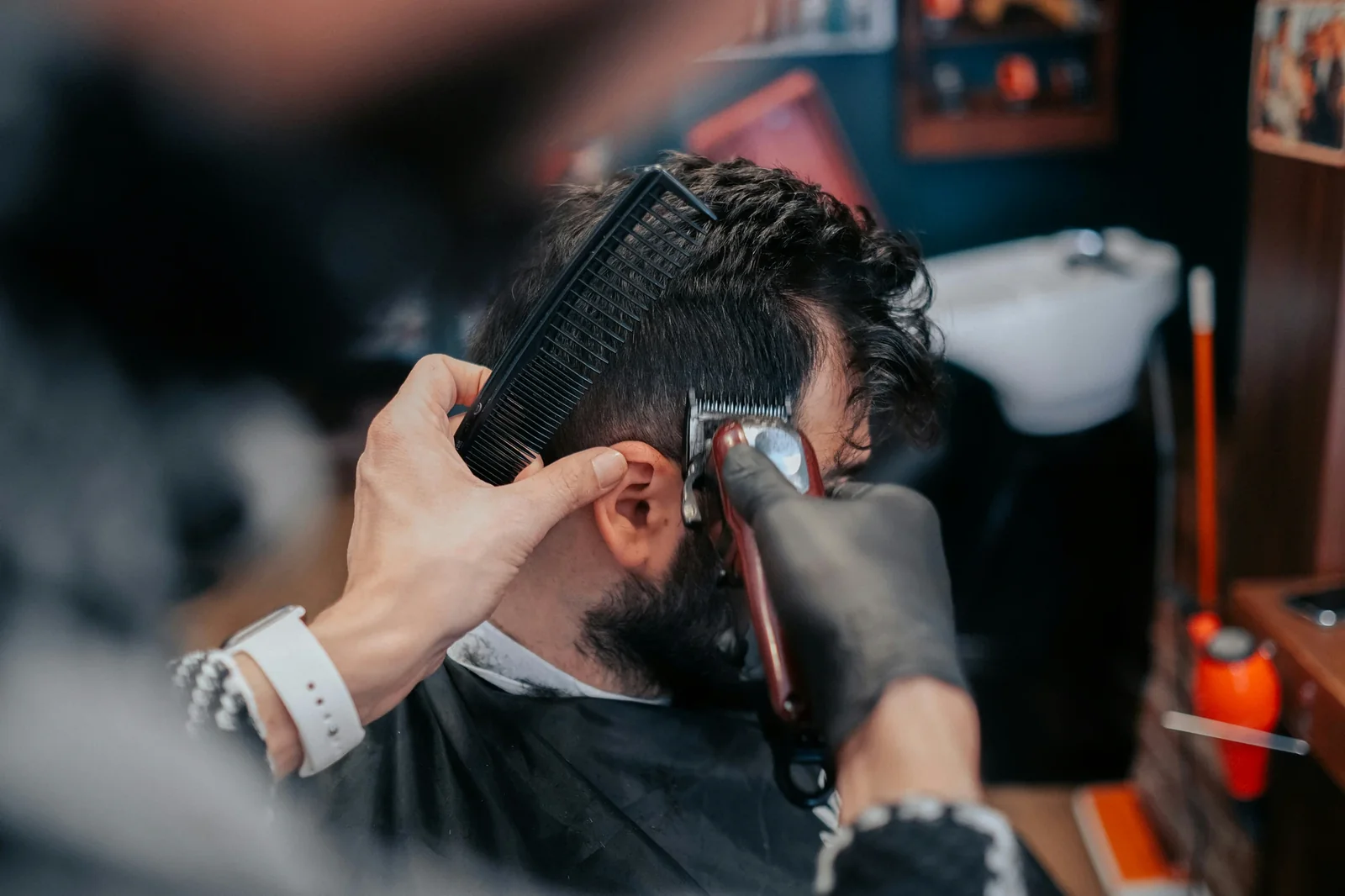
Or consider this pattern: you offer premium services—dermal fillers, advanced facials, body contouring. Your prices reflect your medical expertise, clinic standards, and product quality. But clients keep asking "do you have any deals?" or comparing your prices to a salon down the street offering "Botox for £99." You're competing on clinical outcomes and safety, but clients are shopping on price. Barbers hear that question at a tenth of the price, and loyalty apps for barber shops are largely a defence against the cheaper chair next door.
This is the unique challenge of running a medical spa: you're delivering medical-grade treatments in a competitive aesthetics market where trust and results matter more than price, but clients still respond to discount culture.
The economics are complex:
High client acquisition costs (£100-300 per client through ads, consultations)
Treatment plans require multiple sessions for optimal results
Only 40-50% of clients complete recommended treatment plans
Maintenance is critical for sustained results, but only 30-40% return for maintenance
Lifetime value of committed client is £3,000-20,000+ (multiple treatments, yearly maintenance, referrals)
Trust is non-negotiable – clients won't return if they don't feel safe and professionally cared for The same principle applies across the aesthetics industry—salon loyalty program design tips consistently show that branded, professionally designed cards increase perceived value and programme participation by 30-40% compared to generic templates.
Here's what makes this harder: you can't compete on price without undermining clinical credibility. Cheap Botox signals corner-cutting. Heavy discounting suggests desperation. But how do you build loyalty when visits are months apart and clients are price-sensitive?
This is where loyalty programs for med spas become essential—not as discount schemes that devalue medical expertise, but as premium client experience tools that support treatment completion, encourage maintenance, build VIP relationships, and create the kind of trust that makes clients choose you for every aesthetic need over their lifetime.
This guide is for med spa owners and clinic managers who want to maximise client lifetime value while maintaining premium positioning and clinical standards. We'll show you how digital loyalty systems strengthen treatment adherence, formalize memberships, create VIP experiences, and build relationships that span decades—all without compromising the professional integrity your practice depends on.
Why Med Spa Clients Don't Complete Treatment Plans (Even When They're Seeing Results)
Let's start by understanding why treatment completion rates are so low.
The most common reasons clients abandon treatment plans:
Results take time – Initial sessions show partial progress; clients don't realise consistency is required
Life gets busy – Appointments fall down priority list when there's no immediate consequence
Cost hesitation – Even committed clients question spending £200-500 every 4-6 weeks
Gap between sessions – 4-12 weeks between treatments means relationship momentum fades
No structured reminders – One text reminder isn't enough to overcome inertia This pattern isn't unique to aesthetics—loyalty programs for private clinics face identical completion challenges with physiotherapy plans, dental treatments, and other multi-session protocols where patients convince themselves partial progress is "good enough."
Trying cheaper alternatives – See social media ads for discounted treatments elsewhere
Intimidation – Nervous about clinical environment, uncertain about next steps
Maintenance confusion – Complete initial plan but unsure when/how to book maintenance
Notice what's missing: dissatisfaction with clinical outcomes or provider quality.
Most clients who lapse aren't unhappy with your med spa. They're not leaving bad reviews or going to competitors because of poor results. They're simply not maintaining the behavioral consistency required for optimal outcomes, and there's no system supporting them through the full treatment journey.
This is crucial because it means the solution isn't better clinical techniques (though those matter). The solution is building systems that support treatment adherence, maintain engagement between sessions, and create long-term relationships.
The Economics: What's a Med Spa Client Actually Worth Over a Lifetime?
Let's quantify lifetime value in the medical aesthetics industry.
One-Time Client (Single Treatment Session):
Single session (e.g., one syringe filler): £250
Acquisition cost: £120 (ads, consultation time, admin)
Lifetime value: £250
Net value: £130
Treatment Plan Completer (6-Session Package):
Initial package: £1,200
Follow-up maintenance over 2 years: £600
Lifetime value: £1,800
Net value: £1,680
Multi-Treatment Client (Multiple Service Categories Over 3 Years):
Laser treatments: £1,500
Injectable treatments: £2,400
Advanced facials/skincare: £900
Skincare products: £500
Lifetime value: £5,300
Net value: £5,180 These lifetime value calculations aren't unique to aesthetics—loyalty programs for personal trainers reveal strikingly similar economics, where a client who completes a 20-session package and renews generates 8-12x more revenue than someone who drops off after three sessions.
VIP Client (Comprehensive Aesthetics Over 10+ Years):
Regular anti-aging treatments: £2,500/year
Body contouring/advanced treatments: £3,000 over lifetime
Skincare products and homecare: £500/year
Refers 3-5 friends who become clients: £15,000+ value
Lifetime value over 10 years: £30,000 + referrals = £45,000+
Net value: £44,880+
The difference between a one-time client and a treatment plan completer is £1,550 in lifetime value. VIP clients who use multiple services and refer friends are worth £44,750 more than single-session clients.
Now ask yourself: what would you invest to convert a £250 one-time client into a £5,300 multi-treatment client? £200? £400?
If you spent £300 in client experience tools, membership benefits, and relationship management over 3 years to convert a one-time client into a multi-treatment client, that's a 1,567% ROI.
For med spas, lifetime client relationships aren't just profitable—they're essential for sustainable business models.
The Discount Trap (And Why £99 Botox Will Destroy Your Med Spa)
When med spas struggle to fill appointment books, some resort to aggressive pricing:
"£99 Botox special!"
"50% off laser hair removal packages"
"Groupon: £60 dermal filler session"
"New client discount: 40% off first treatment"
These tactics might generate short-term bookings, but they create catastrophic long-term problems:
Why heavy discounting destroys medical spas:
Undermines medical credibility – Cheap injectables signal corner-cutting on products, training, or safety The same dynamic plays out across the wider beauty industry, where loyalty programs for beauty businesses consistently outperform discount-driven acquisition by retaining clients who value quality over price and generate 3-5x more lifetime revenue.
Attracts wrong clients – Price-sensitive clients are more likely to question recommendations, complain, or have unrealistic expectations
Devalues medical expertise – Your qualifications, training, and clinical judgment reduced to commodity pricing
Creates safety perception issues – Clients wonder: "Why is this so cheap? Are they using legitimate products?"
Destroys premium positioning – Can't charge £350/syringe when competitors know you offered £99 specials
Trains price sensitivity – Regular clients start waiting for deals instead of booking at full price
Regulatory risks – Aggressive marketing can attract regulatory scrutiny in medical aesthetics
Staff demoralization – Clinicians feel devalued when their medical work is heavily discounted
Example of what goes wrong: A med spa in London ran persistent Groupon promotions (£99 for 1ml filler, normally £350). What happened:
Booking volume spiked with bargain-hunters
85% of Groupon clients never returned at full price
Complications increased (discount clients less likely to follow aftercare, more likely to have unrealistic expectations)
Regular clients felt cheated (they'd paid £350 while others paid £99)
Clinic reputation shifted from "premium medical aesthetics" to "discount injections"
Regulatory body (CQC) raised concerns about marketing practices
Premium clients left for clinics with better positioning
Clinic closed 20 months later (unsustainable economics and damaged reputation)
This is the discount death spiral in medical aesthetics. It creates activity but destroys brand equity, client quality, safety perception, and long-term viability.
Loyalty as Premium Client Experience (Not Desperate Discounting)
Let's reframe what loyalty means for medical spas.
In medical aesthetics, loyalty isn't about "buy 10 treatments, get 1 free." It's about:
Supporting treatment plan completion through structured reminders and progress tracking
Encouraging maintenance at clinically appropriate intervals
Creating VIP experiences that make clients feel valued and special
Building multi-treatment relationships (clients who start with laser add injectables, facials, etc.)
Recognizing long-term commitment to their aesthetic goals
Membership models that provide predictable revenue and client commitment
Premium positioning through exclusive access, priority booking, and personalised care
This is client relationship management for medical practices. It's professional, trust-based, and clinically sound.
The shift in thinking:
Discount mindset: "How do I fill this week's appointment slots?"
Loyalty mindset: "How do I support this client through their entire aesthetic journey—from first consultation to decade-long maintenance—while building a relationship worth £45,000+?"
The second approach builds sustainable practices, premium positioning, and clinical excellence.
Loyalty Structures That Work for Med Spas
Here's how loyalty programs work in medical spas while maintaining professional standards. The key distinction is that med spas, like other appointment-based businesses, need visit-based loyalty platforms that reward consistent attendance rather than transaction value—because a client who shows up every four weeks matters more than one who spends big once and disappears.
1. Treatment Plan Support: Completion Through Structure
The most clinically appropriate loyalty structure supports clients in completing prescribed treatment plans.
How it works:
Client books treatment package (e.g., 6 laser sessions)
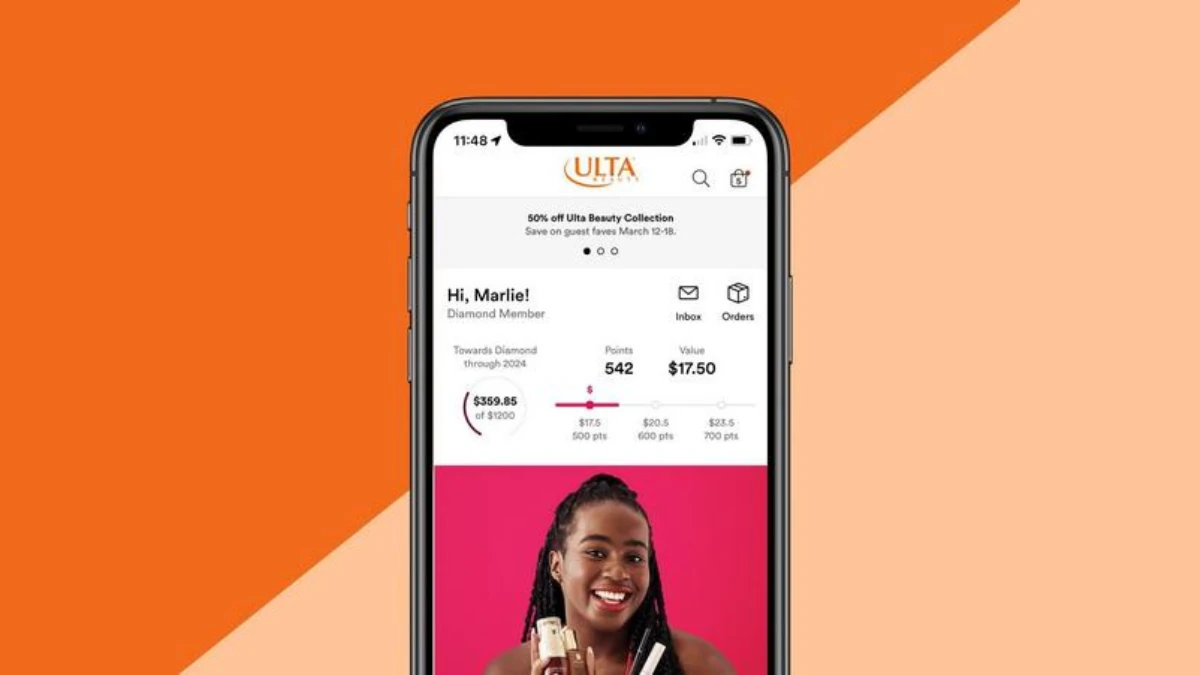
Digital card tracks sessions completed and remaining
Automated reminders sent at optimal booking intervals
Milestone recognition at 50% complete, completion
Completion reward: complimentary consultation for maintenance or new treatment area
Why it works:
Aligns with clinical best practice – Treatment plans work when completed as prescribed
Improves clinical outcomes – Better adherence = better results = happier clients
Increases completion rates – Structure and reminders overcome inertia
Not transactional – Supports clinical protocols, doesn't incentivize unnecessary treatment
Maintains professionalism – Framed as clinical support, not sales tactic
Example: A med spa in Manchester used Perkstar to track laser hair removal packages. Clients received push notifications before each session ("Session 4 of 6 scheduled for Tuesday—we're halfway there!") and at completion ("Congratulations on completing your treatment plan! Book a complimentary consultation to discuss maintenance"). Results:
Package completion rate increased from 52% to 84%
Client outcomes improved dramatically (complete treatment = full results)
Maintenance booking rate increased 45% (completion consultation prompted next step)
Client satisfaction scores increased (better results from completed plans)
2. Membership Programs: Predictable Revenue and Premium Positioning
Membership models are increasingly popular in medical spas, providing stability and exclusivity.
How it works:
Clients pay monthly fee (£150-400/month) for:
Set number of treatments per month (e.g., 1 syringe filler + 1 advanced facial)
Discounted rates on additional services (10-15% off)
Priority booking, exclusive access to new treatments
Complimentary products or add-ons
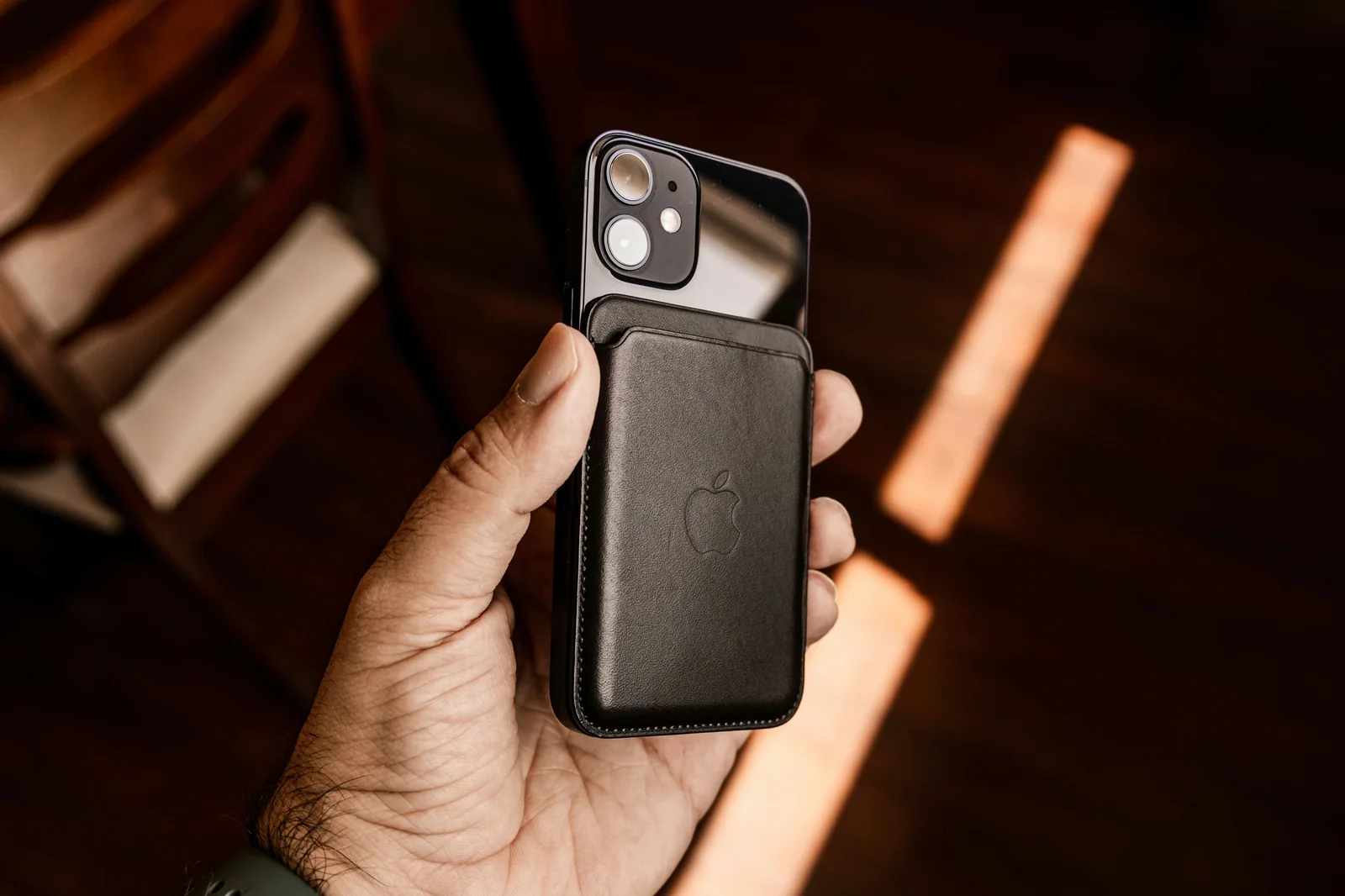
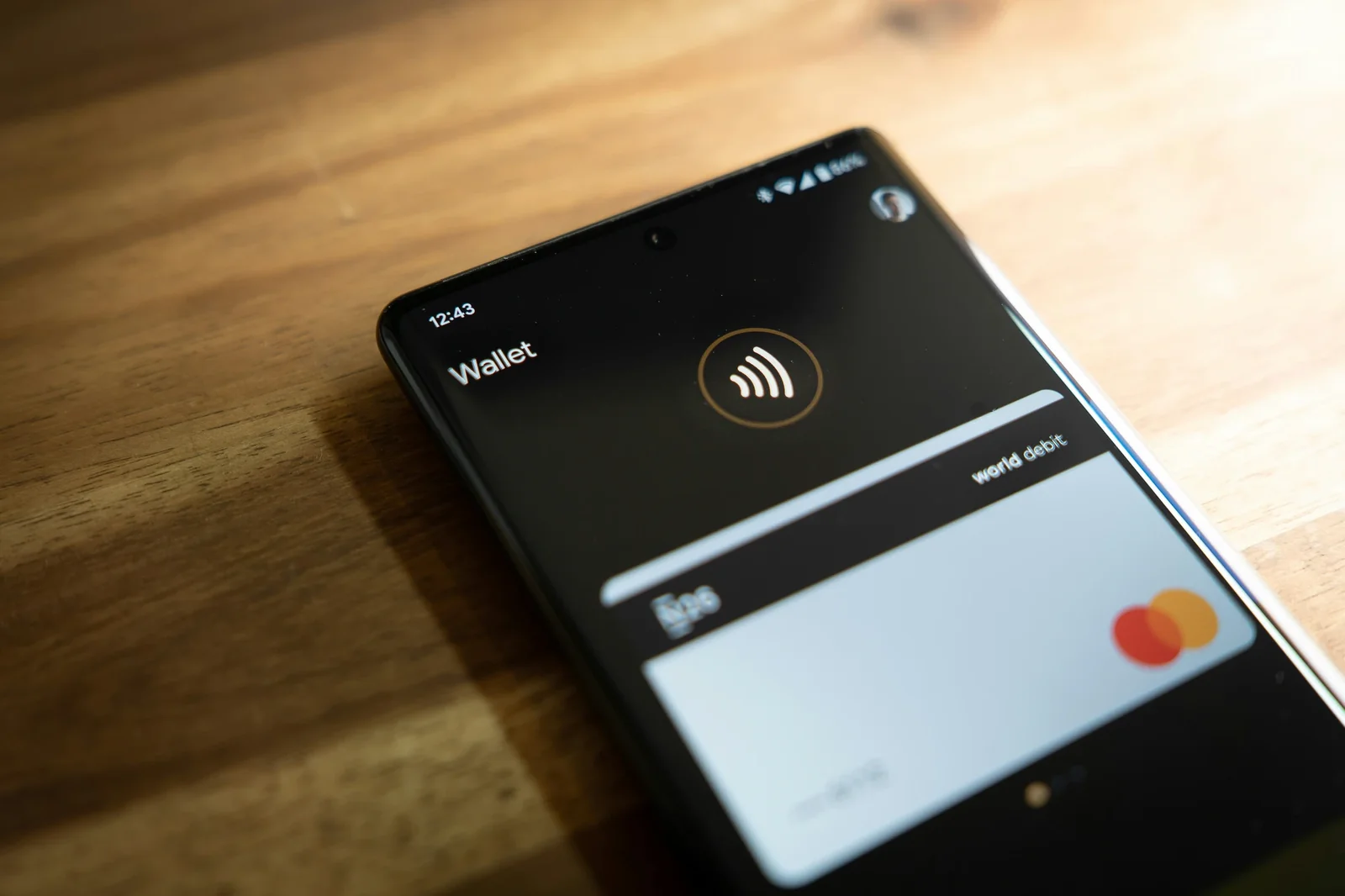
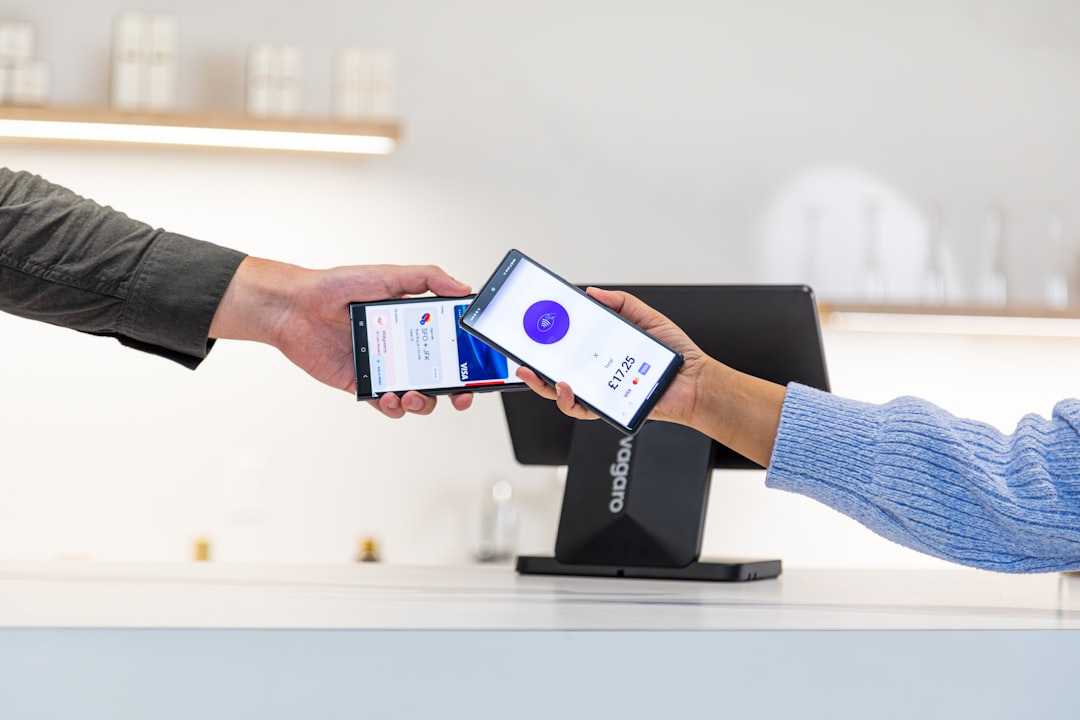
Membership tracked via digital card in Apple/Google Wallet
Why it works:
Predictable monthly revenue – Know your income before month starts
Higher client lifetime value – Members stay 3-5x longer than pay-per-visit clients
Consistent treatment frequency – Members book regularly for optimal results
Premium positioning – Membership feels exclusive, not discounted
Reduced price sensitivity – Members focus on value, not per-treatment cost
Community building – Members feel part of exclusive group
This membership model mirrors what's working across the broader wellness sector, where wellness loyalty programmes for spas and massage businesses have proven that monthly commitments reduce the emotional friction of rebooking and transform occasional indulgences into habitual self-care.
Example: A med spa in Edinburgh launched "Radiance Membership: £295/month" (includes monthly treatment valued at £350+, 15% off additional services, priority booking). After 12 months:
85 members (£25,075 guaranteed monthly revenue)
Member retention at 88% after first year
Members averaged £520/month total spend (membership + additional services)
Non-membership revenue continued alongside membership income
Could plan staffing, product orders, and clinic expansion with confidence
Perkstar's membership cards make this simple—digital membership card, usage tracking, automatic renewal reminders.
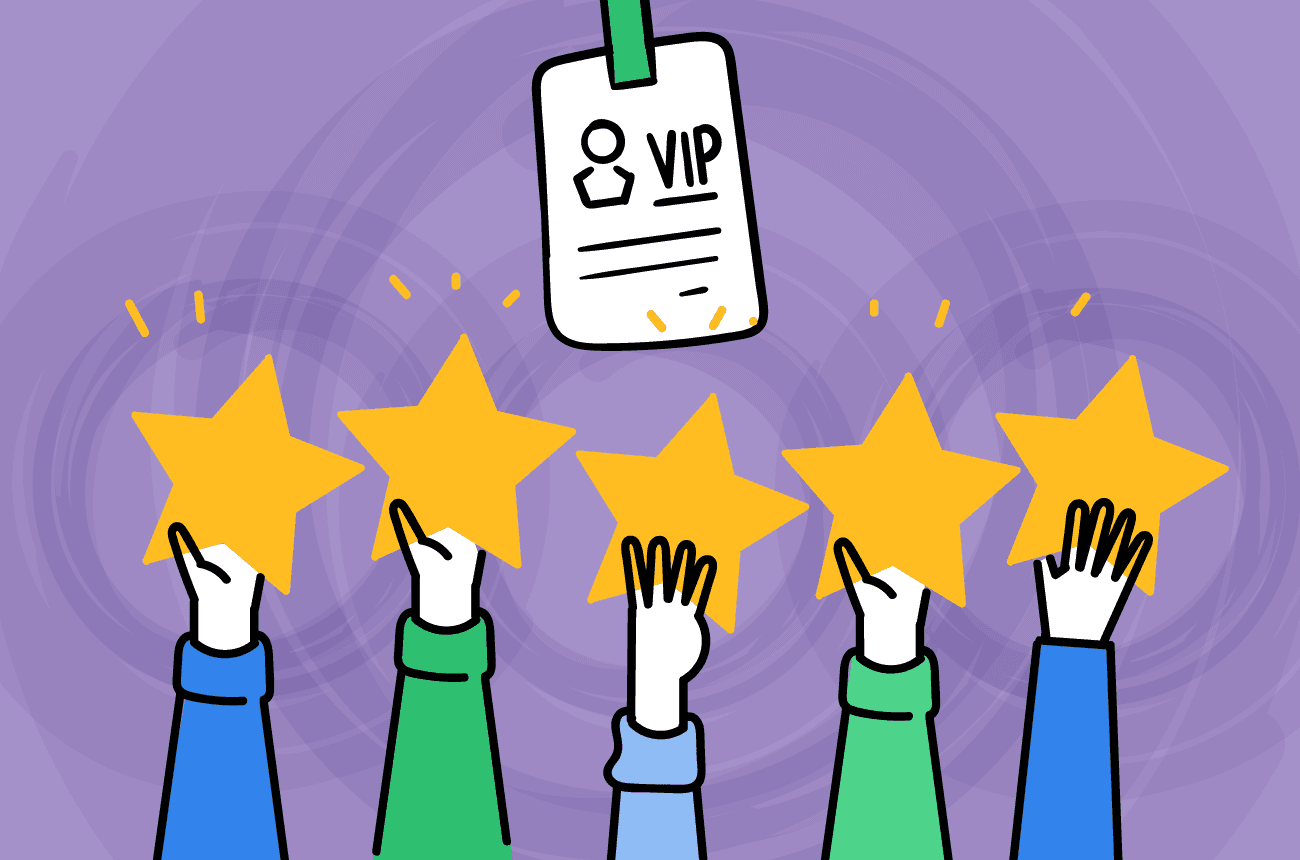
3. Tiered VIP Programs: Make Top Clients Feel Exceptional
Tiered programs create status and aspiration—perfect for premium med spas.
How it works:
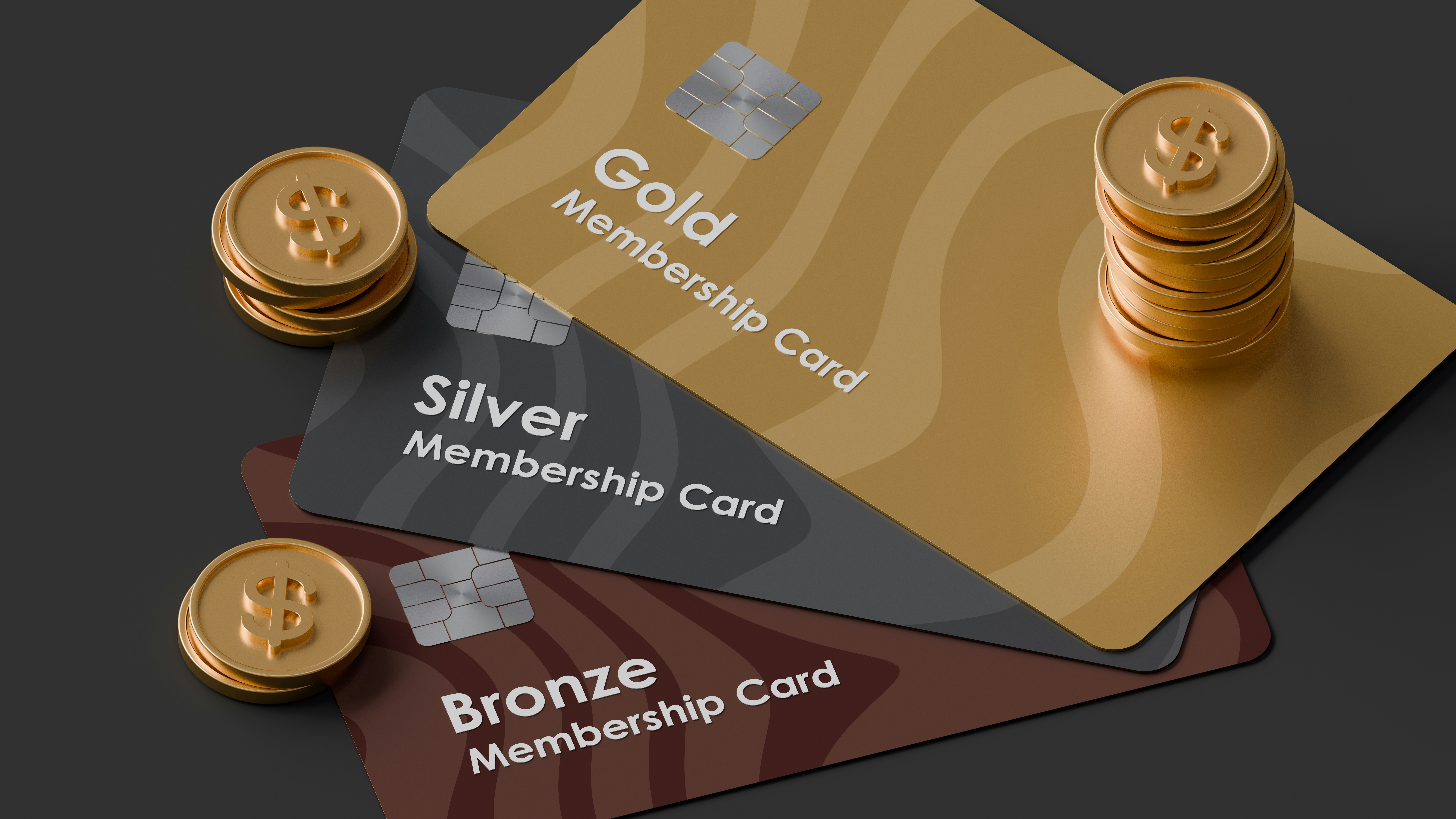
Bronze tier (0-1,000 points): Standard benefits
Silver tier (1,000-3,000 points): Priority booking, 10% off products, birthday gift
Gold tier (3,000+ points): VIP events, complimentary consultations, exclusive treatment access, 15% off services
Why it works:
Creates aspiration – Clients want to reach higher tiers
Top clients feel recognised – Gold VIPs receive treatment befitting their loyalty
Tiered structures work because they activate multiple pillars of customer loyalty simultaneously—recognition, status, personalisation, and reward—rather than relying on discounts alone to drive repeat behaviour.
Encourages multi-treatment spending – Reach Gold by trying multiple service categories
Reduces price sensitivity at higher tiers (status matters more than price)
Premium brand alignment – VIP tiers feel luxurious and medical-grade, not discounted
Example: A med spa in Bristol introduced three-tier VIP program. Gold tier clients (22% of base) represented 58% of revenue, booked premium aesthetic treatments at 4x the rate of Bronze clients, and referred friends at 5x the rate. The psychological value of "Gold VIP" status drove behavior and spending.
Perkstar makes tiered programs elegant—auto-upgrade at thresholds, tier-specific benefits, track distribution.
4. Service Discovery Incentives: Build Multi-Treatment Relationships
Med spas succeed when clients use multiple service categories, not just one.
How it works:
Client books laser treatment → earns bonus points for first facial
First injectable treatment → 2x points to encourage ongoing relationship
"Complete Experience" bonus: Use 3+ service categories in 12 months → special gift or complimentary advanced treatment
Why it works:
Introduces clients to full menu without pushy cross-selling Hair salons have perfected this cross-service approach—the best hair salon loyalty program examples show how clients who start with cuts and then discover colour, treatments, and retail products spend 2-3x more annually than single-service clients.
Increases lifetime value dramatically (multi-service clients worth 3-5x more)
Builds comprehensive aesthetic relationships (you become their go-to for all treatments)
Improves outcomes – Comprehensive approach (injectables + skincare + laser) delivers better results than isolated treatments
Example: A med spa in Glasgow offered "First Facial Bonus: 200 points" to clients who'd only used injectable services. Within 9 months:
45% of injectable-only clients tried facial treatments
Of those, 68% became regular facial clients
Average client spend increased from £1,200/year to £2,400/year
Facial service utilization improved from 65% to 92% capacity
5. Referral Recognition: Formalize Word-of-Mouth
Medical aesthetics relies heavily on referrals. Make them official.
How it works:
Client refers friend who completes consultation + treatment → both receive reward
Keep rewards premium and appropriate (£75-100 credit, complimentary add-on service, exclusive product)
Why it works:
Referred clients have 75-85% higher lifetime value – They come pre-sold with trust
Low cost – Only reward after new client commits and completes treatment For med spas operating as local businesses, formalising referrals is especially powerful because loyalty programs for local businesses leverage existing community trust—clients refer people they actually know, creating a network effect that paid advertising simply cannot replicate.
Builds community – Groups of friends become clients together
Premium positioning maintained – Modest credit feels like recognition, not commission
Example: A med spa in Birmingham introduced referral program: £100 credit for both parties when referred friend completes £300+ treatment. In 18 months:
110 new clients via referrals (55% of new acquisition)
Referred clients completed treatment plans at 82% rate (vs. 52% for ad-sourced clients)
Saved £18,000 in advertising costs
Built tight-knit community (friend groups booking together, attending events)
Perkstar's referral program tracks referrals elegantly and applies credits professionally.
Real-World Example: How One Med Spa Transformed Client Retention
Here's a case study from a medical spa in Liverpool that was losing clients after initial consultations.
The Problem:
60% of clients who completed consultations never booked treatments
Of those who booked packages, only 48% completed them
Clients booked one treatment type but never explored other services
Revenue unpredictable (£12,000 some months, £28,000 others)
High client acquisition costs (£180/client) with low lifetime value (£420 average)
Felt pressure to discount to compete with cheaper providers
The Root Cause: No structured system for supporting clients through treatment journeys. Clients had good intentions but lacked accountability, reminders, and incentives to maintain momentum.
The Solution: They implemented premium client experience program using Perkstar:
Treatment plan tracking: Visual progress cards showing sessions completed
Automated reminders: Sent at optimal intervals based on treatment type
Tiered VIP program: Bronze/Silver/Gold with escalating benefits
Membership option: £250/month (monthly treatment + benefits) for committed clients Their approach echoed a broader trend: med spas and day spas alike are discovering that digital loyalty cards for spas convert one-time visitors into recurring clients by making the next booking feel like a natural continuation rather than a fresh purchasing decision.
Service discovery bonuses: First facial, laser, or injectable in new category earned 2x points
Referral recognition: £100 credit for both parties
Milestone celebrations: 1-year anniversary, 5th treatment, Gold VIP achievement recognised personally
Exclusive events: Quarterly "VIP evenings" with product launches, expert talks, complimentary mini-treatments
The Results (after 18 months):
Consultation-to-booking conversion increased from 40% to 73%
Treatment package completion rate increased from 48% to 81%
Multi-service client percentage increased from 28% to 62%
Average client lifetime value increased from £420 to £2,850
70 clients joined membership program (£17,500 guaranteed monthly revenue)
140 clients reached Gold VIP status (representing 63% of revenue)
Referrals increased from 25% to 52% of new client acquisition
Revenue increased 68% year-over-year without price increases or heavy discounting
Client satisfaction scores increased (better outcomes from completed treatment plans)
Premium positioning strengthened (known as high-end clinic, not discount provider)
The clinic owner said: "We used to think loyalty programs would make us look desperate or cheap. But this is the opposite—it's about providing premium client experiences and clinical support. Our VIP clients feel like they're part of something exclusive, and we've built a community of people who trust us with their aesthetic goals for years. The membership model alone has transformed our cash flow and business planning."
Modern Take: Premium Wellness and Medical Aesthetics in 2026
Let's address the current medical aesthetics landscape.
What's changed:
Industry professionalization – Medical aesthetics becoming more regulated, professional, evidence-based
Client education rising – Clients research ingredients, techniques, safety standards before booking
Influencer and social media impact – Instagram/TikTok drive aesthetic trends and booking decisions Medical aesthetics has joined the ranks of industries where loyalty programs are most effective, alongside fitness, hospitality, and personal care—sectors where high repeat potential, emotional purchasing decisions, and strong provider-client relationships create ideal conditions for structured retention.
Competition intensifying – More med spas, clinics, and "beauty bars" than ever
Safety concerns growing – High-profile botched procedures increase client caution
Premium wellness culture – Clients willing to invest in quality but expect exceptional experiences
Membership models expanding – Subscription/membership gaining traction across wellness industries
The opportunity: Your competitive advantage isn't just clinical skill (though that's foundational)—it's trust, client experience, and relationship depth. Digital loyalty amplifies this.
How premium med spas differentiate in 2026:
Clinical Excellence + Premium Experience
Top med spas combine both:
Medical-grade products and techniques
Luxurious clinic environment and customer service
Personalised treatment plans and follow-up
Modern booking, payment, and loyalty systems
Educational content and transparency
Community and Belonging
Successful clinics create identity:
VIP client events (product launches, expert talks, seasonal celebrations)
Exclusive access for members (new treatments, priority booking)
Client stories and transformations (with permission)
Social media community building
Data-Driven Personalization
Use loyalty data thoughtfully:
Track treatment history, preferences, skin concerns
Send personalised maintenance reminders based on treatment type
Recommend complementary services based on client goals
Recognise milestones and celebrate progress
Example: A med spa in Cardiff used Perkstar to track client treatment history and send personalised recommendations: "Hi Sarah—your Botox treatment was 3. This data-driven approach to retention isn't limited to med spas—nail salons using digital loyalty for client retention have found that tracking visit frequency and service preferences allows them to send targeted rebooking prompts that recover 20-30% of lapsing clients before they drift to competitors.5 months ago. Based on your muscle activity, most clients book maintenance at 4 months. I have availability next week if you'd like to maintain your results." This drove 52% higher maintenance booking rates compared to generic reminders.
The insight: Premium med spas compete on trust, outcomes, and experience—not price. Digital tools make personalization and premium experiences scalable.
Implementation While Maintaining Medical Professionalism
Here's the practical roadmap for launching med spa loyalty systems professionally.
1. Frame It as Client Care, Not Marketing
Language shapes perception. Use:
"Client Care Program" or "[Clinic Name] VIP Circle"
"Treatment Journey Support" This framing matters more than most clinics realise—research into building loyalty for salons and clinics shows that programmes positioned as "client care" see 45% higher enrolment than those described as "rewards" or "loyalty schemes," because the language signals ongoing relationship rather than transactional exchange.
"Premium Membership"
Avoid:
"Rewards program" (too retail)
"Loyalty points" (too transactional)
"Earn discounts" (undermines premium)
2. Design with Clinical Aesthetic
Your loyalty system should reflect your clinic brand:
Custom-designed digital cards matching clinic aesthetic
Professional, medical-grade communication tone
Visual consistency with clinic environment and website
Perkstar allows full custom branding of digital cards—VIP credentials, not generic rewards cards.
3. Focus on Value-Adds, Not Discounts
Structure rewards around premium experiences:
Good: "Complimentary advanced facial add-on"
Bad: "30% off your next treatment"
Good: "Exclusive access to new treatment launch"
Bad: "Buy 5 syringes, get 1 free"
The first maintains clinical credibility; the second cheapens it.
4. Train Team on Professional Communication
Your clinicians and reception should mention loyalty naturally:
"We have a VIP program that tracks your treatment journey and sends helpful reminders—would you like to join?"
"As a Gold VIP, you have priority access to our new laser treatment"
Never:
"Want to save money with our rewards program?"
"Earn points to get discounts!"
5. Use Push Notifications Thoughtfully
Push notifications should feel like clinical reminders, not marketing:
"Your dermal filler treatment was 8 months ago—most clients maintain results with touch-ups at 9-12 months"
"Congratulations on completing your laser package—your results look incredible"
"Happy anniversary! It's been 2 years since your first treatment with us"
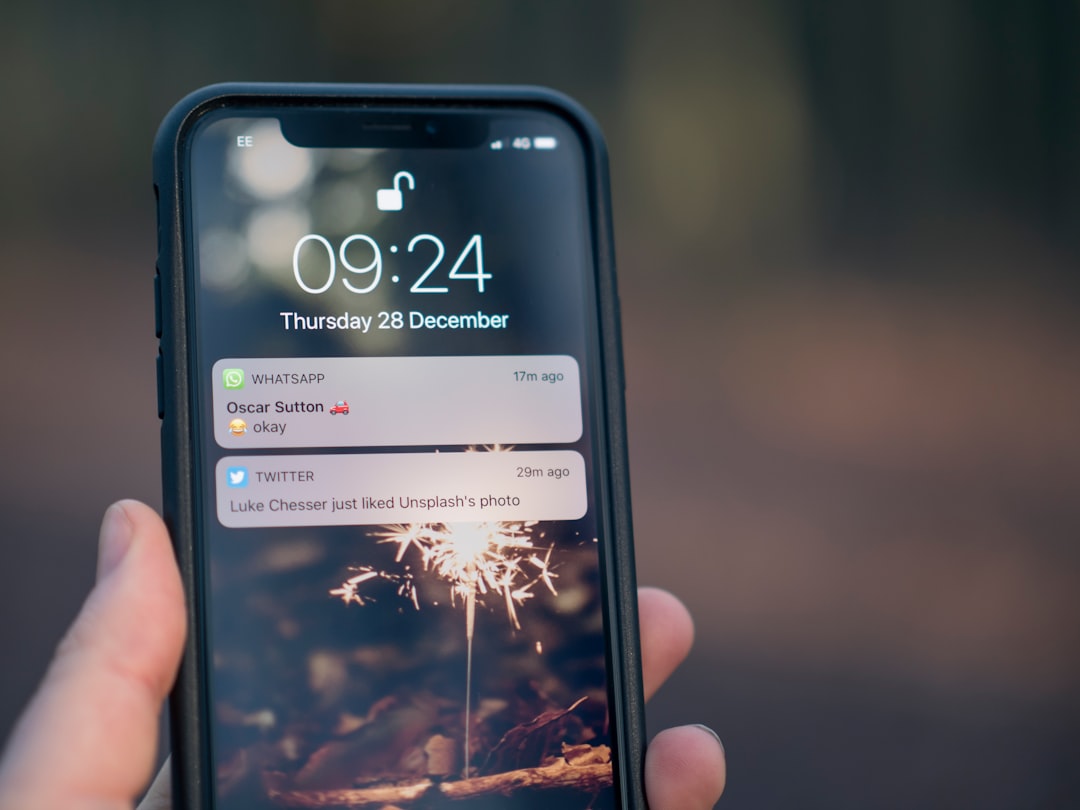
Perkstar allows personalised, clinical-tone push notifications.
Compliance and Professional Standards
Medical spas must navigate regulatory requirements. Loyalty programs must comply.
Data Protection (GDPR/UK Standards)
Explicit client consent for communications
Secure data storage with appropriate safeguards
Clear privacy policies
Easy opt-out mechanisms
Perkstar is GDPR-compliant with secure data handling.
Advertising Standards (ASA/CAP)
Medical aesthetics marketing must be truthful, not misleading
Can't make unrealistic claims about results
Must be socially responsible
Promotional content must comply with medical advertising rules
How loyalty complies:
Rewards support clinical protocols, don't incentivize unnecessary treatment
Communication focuses on treatment adherence and care, not sales
Professional tone throughout
CQC and Medical Regulations
Patient welfare must be prioritised
Clinical decisions must be independent of commercial incentives
Marketing must align with medical professional standards
Best practices:
Document that loyalty rewards support optimal treatment outcomes
Ensure clinical decisions remain independent of VIP status
Regular compliance reviews of loyalty program structure
Why Digital Platforms Work for Med Spas
You could try managing client relationships manually—spreadsheets, paper files, manual reminders. But here's what you'd miss:
Professional presentation – Branded digital cards signal premium, established clinic
Treatment-specific reminders – Automated at clinically optimal intervals
Lifetime relationship tracking – Maintain relationships across years
Multi-treatment management – Track clients across service categories
Compliance-friendly – GDPR-compliant data handling
Scalability – Works whether you have 100 clients or 1,000
Perkstar is designed for premium service businesses like med spas. You get custom-branded VIP cards, tiered programs, membership management, treatment plan tracking, personalised push notifications—all maintaining clinical professionalism.
Setup takes less than 30 minutes, and there's a 7-day free trial (no credit card required). Pricing starts at £15/month.
Start Building Premium Lifetime Relationships
Here's the reality: med spas can't build sustainable businesses on one-time clients and price competition with discount providers. You need clients who trust you enough to complete treatment plans, maintain results, explore multiple services, and refer their friends—all while paying premium prices that reflect your medical expertise.
A customer loyalty program for small business in medical aesthetics isn't about discounting—it's about creating premium client experiences that support clinical outcomes, build VIP relationships, and maximise lifetime value while maintaining the professional positioning your practice depends on. The same retention-first approach is transforming other appointment-based businesses—loyalty programs for nail salons have shown that structured reward systems reduce client churn by 25-35% without requiring a single discount, proving that recognition and convenience matter more than price cuts.
Whether you choose treatment plan tracking, membership programs, VIP tiers, or service discovery incentives, the key is maintaining the medical credibility and premium positioning that differentiate you from discount competitors.
Digital platforms like Perkstar make this manageable while preserving brand integrity and compliance. No cheap-feeling discount schemes, no undermining clinical credibility, no awkward sales tactics. Just elegant client relationship tools that build the kind of lifetime value that makes med spas thrive.
Ready to build premium lifetime client relationships? Start your free 7-day trial with Perkstar—no credit card required. Set up your VIP client program in minutes and start maximizing the lifetime value of every client who walks through your door.