5 Best Loyalty Apps for Food Trucks in 2026
5 Best Loyalty Apps for Food Trucks in 2026
Every food truck owner has heard the same question a thousand times: "Where are you tomorrow?"
It's the best compliment and the biggest business challenge wrapped into one sentence. Your customer loves your food. They want to find you again. But unlike a restaurant with a fixed address and a Google Maps pin, you might be in a different car park, a different market, a different town tomorrow. And if your only answer is "check my Instagram," you're relying on an algorithm to connect a hungry customer with your truck — and that algorithm gets it right about 5% of the time. Bars have the reverse problem, a fixed address but no reason to be tonight's choice, which is why loyalty apps for bars lean on notifications.
That's the fundamental paradox of the food truck business. You build a following through incredible food, but you have no permanent location to build loyalty around. Your regulars can't "pop in on the way home" because you might not be there. Your lunch crowd at Monday's business park pitch disappears when you move to the farmers' market on Saturday. The festival fans who queued for 40 minutes love you — but they have no idea where to find you next week.
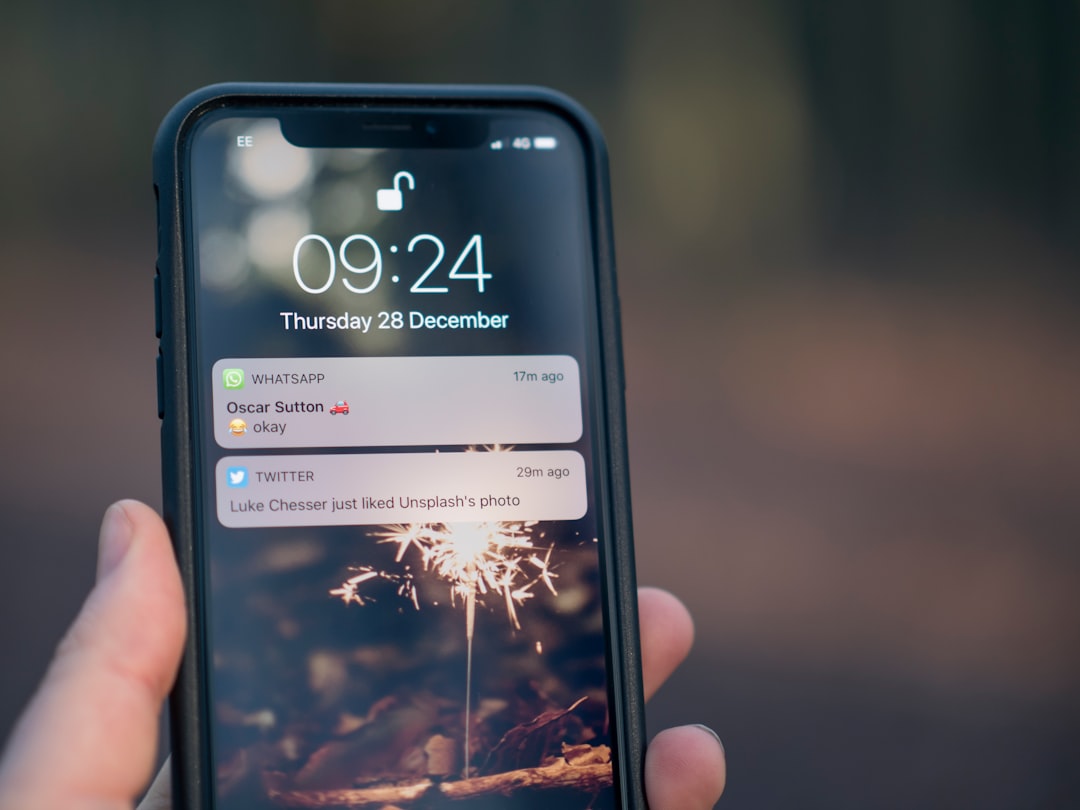
A digital loyalty programme solves the one problem that no amount of great food can fix: it tells your customers where you are. A push notification that says "We're at [location] today, 11am-3pm — your stamp is waiting" reaches every enrolled customer directly. No algorithm. No scrolling through Instagram stories hoping to find the update. No guessing. Direct to their lock screen, at the exact moment they're deciding what to eat.
That location notification — combined with stamps, points, referrals, and the ability to promote catering and event bookings — transforms a food truck from a business that depends on being found into one that brings its customers along wherever it goes.
At Perkstar, we work with food trucks, street food vendors, and mobile food businesses across the UK. We've seen which loyalty approaches build a following that transcends location. This guide covers the five loyalty apps that genuinely work for food trucks in 2026.
Why Food Trucks Have the Most Unique Loyalty Challenge in the Food Industry
No other food business shares the specific combination of challenges that define a food truck operation.
Your biggest problem isn't food quality — it's being found. A restaurant with bad food closes. A food truck with incredible food can still struggle, because half the battle is ensuring people know where you are on any given day. Every social media platform you use to share your location is subject to algorithm suppression, timing, and the hope that your followers happen to be scrolling at the right moment. A push notification bypasses all of that. It goes directly to the customer's phone and stays on their lock screen until they see it.
You build loyalty at one location and lose it when you move. The office workers who love your Tuesday lunch pitch don't follow you to Saturday's market. The festival crowd who discovered you in July have no idea you're at their local car park every Wednesday. A loyalty programme with a mobile wallet card creates a persistent connection that travels with the customer, not with the location. Your stamp card is on their phone regardless of which pitch you're at today.
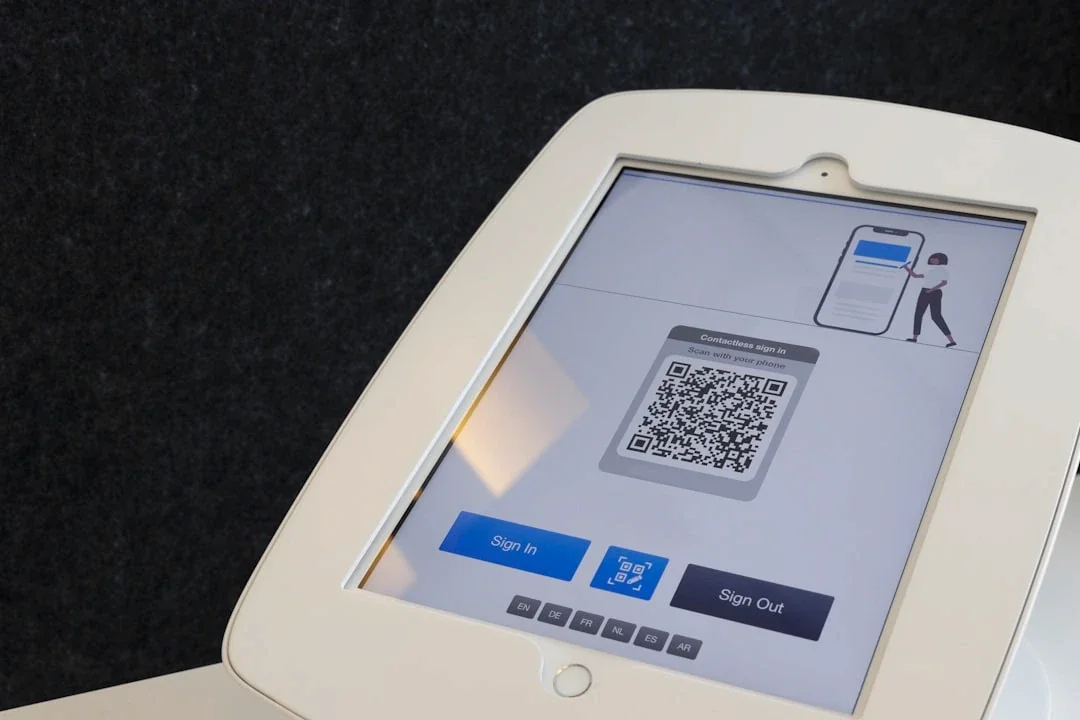
Festivals and events are your highest-revenue days — and your biggest enrolment opportunities. A busy festival can see 300-500+ transactions in a single day. Every one of those customers is a potential loyalty member who could visit your regular pitches for the rest of the year. Without a quick, frictionless enrolment method, those festival customers eat your food, love it, and disappear forever. A QR code on the serving counter or the napkin holder can capture hundreds of new members in a single event.
Catering is your highest-margin revenue stream — and it comes through word of mouth. Corporate lunches, office catering, private events, weddings, birthday parties — these are the bookings that can transform a food truck's annual revenue. But catering enquiries come almost exclusively through recommendations. A referral programme that rewards the "you should book this food truck for your office lunch" conversation turns organic advocacy into a structured growth channel.
Weather determines whether you trade. A rainy Tuesday means a dead pitch. A sunny Saturday means a queue around the block. You can't control the weather, but you can use a push notification to maximise the sunny days ("Perfect weather — we're at [location] today, come grab lunch") and communicate cancellations on bad ones ("Rain's winning today — we'll be back Thursday. Your stamps are safe"). If you operate from a fixed market stall as well as a mobile truck, our best loyalty apps for street food vendors covers additional considerations for static street food operations.
You're a one-person or two-person operation with zero capacity for admin. Most food truck owners are also the chef, the cashier, the driver, the social media manager, and the accountant. Any loyalty system that requires staff training, manual tracking, or more than a few seconds of attention per customer isn't going to survive the lunch rush. Self-service scanning — where the customer handles the entire loyalty interaction themselves — is the only realistic option.
The 5 Best Loyalty Apps for Food Trucks
1. Perkstar
Best for: Food trucks that want mobile wallet loyalty, location-announcement push notifications, festival mass-enrolment, and a self-service system that works when you're the only person on the truck.
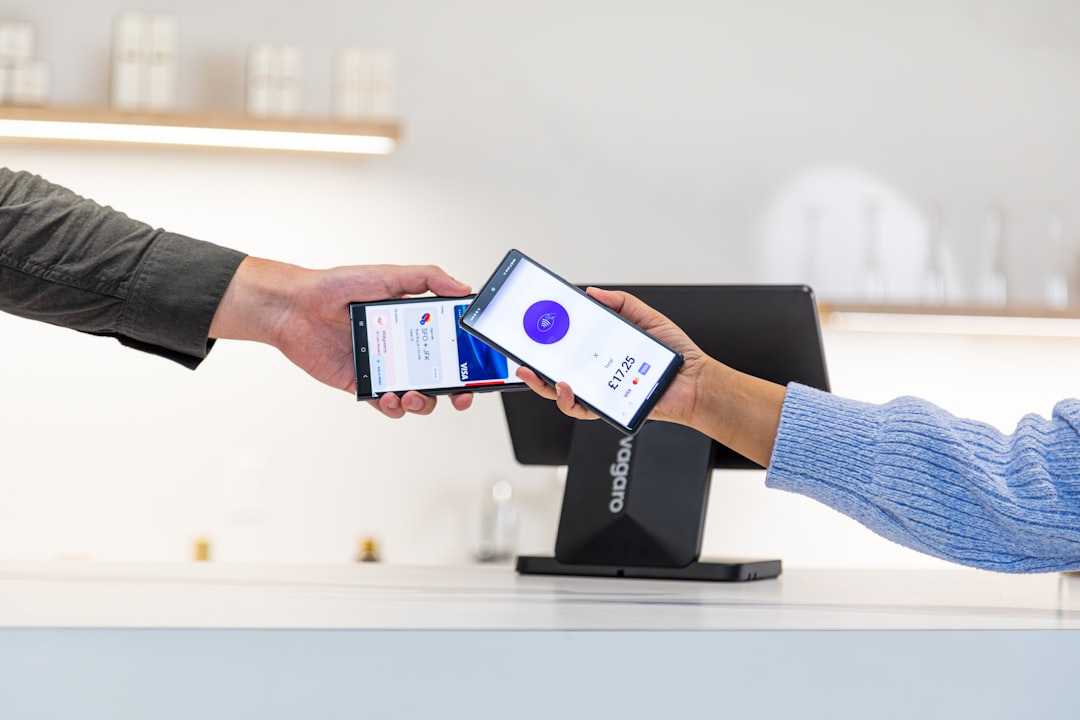
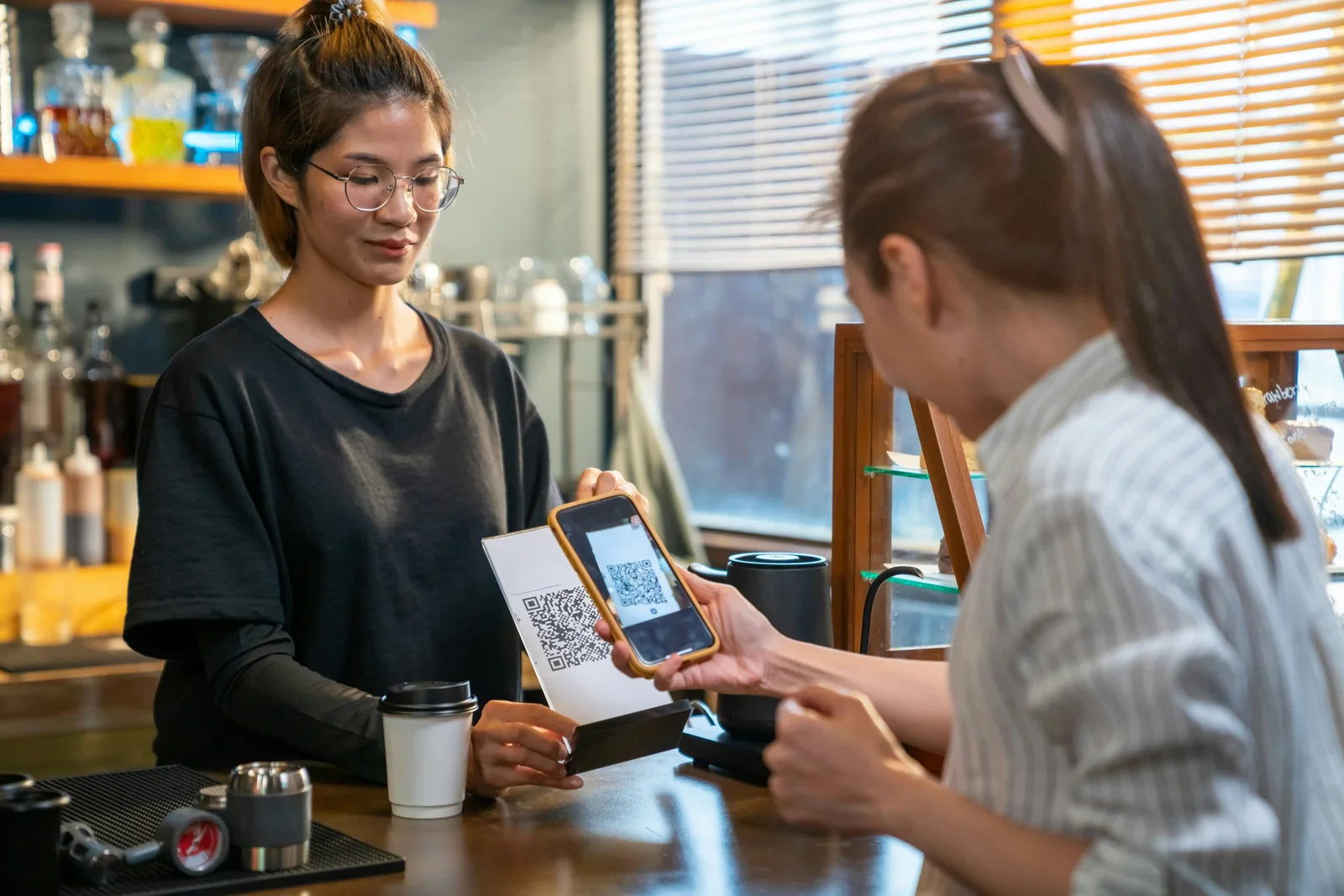
Perkstar solves the food truck's core problem: maintaining a direct connection to customers regardless of where you're parked. Every customer adds a loyalty card to their Apple Wallet or Google Wallet by scanning a QR code — stuck on the counter, printed on the menu board, attached to the napkin holder, or on a sticker on the serving hatch. No app download. Ten seconds. At a festival doing 400 transactions in a day, that QR code can capture 100+ new members without you saying a word. A fixed kitchen captures the same way at the table, where setting up a restaurant loyalty programme mostly comes down to where the QR code lives.
For food trucks, a stamp card is the strongest primary programme — "every 8th meal is free." The format is instant, visual, and perfectly suited to a high-volume, fast-transaction business. The stamp card also creates a reason to seek you out at your next pitch — "I'm five stamps in, I need to find this truck again."
A points programme layers on top for food trucks with a varied menu. Points based on total spend (1 point per pound) mean a customer ordering a £6 burrito earns 6 points, while one ordering a £10 loaded platter earns 10. The points system incentivises the larger order without any upselling conversation.
Perkstar supports eight card types. For food trucks, the additional high-value options include a multipass (10 meals prepaid at a discount — ideal for the office-park regulars who see you every week), digital gift cards ("buy someone street food" is a popular casual gift), and coupons for festival-specific promotions.
The marketing toolkit is where Perkstar becomes essential infrastructure for a food truck:
Location announcements — the most valuable notification a food truck can send:
"We're at [Business Park] today, 11am-2pm. Burritos, bowls, and your stamp is waiting"
"Saturday market pitch confirmed — [Market Name], 9am-3pm. Come find us"
"Festival alert: we're at [Festival Name] this weekend — Pitch 14, near the main stage"
Weather-responsive communications:
"Sunshine + street food = perfect combo. We're at [location] until 3pm"
"Rain's winning today — we'll be back Thursday at [location]. Your stamps aren't going anywhere"
Lapsed customer recovery:
"It's been two weeks since your last visit — check our location this week and come grab your stamp"
Catering promotion:
"Planning an office lunch? A team event? We cater! Message us to book — loyalty members get bonus points on all catering orders"
Each notification goes directly to the customer's lock screen. For a food truck, this channel replaces the unreliable Instagram-story location update that only 5% of followers see. Every enrolled customer knows where you are, every day, without having to search for the information.
Geo-fenced notifications are uniquely powerful for food trucks. Set a geo-fence around each of your regular pitch locations. When an enrolled customer walks near a pitch where you're trading that day, they receive an automatic notification: "We're right here — your lunch is waiting." At a business park where hundreds of office workers pass your pitch daily, this can drive 10-15 additional sales per day from people who didn't know you were there.
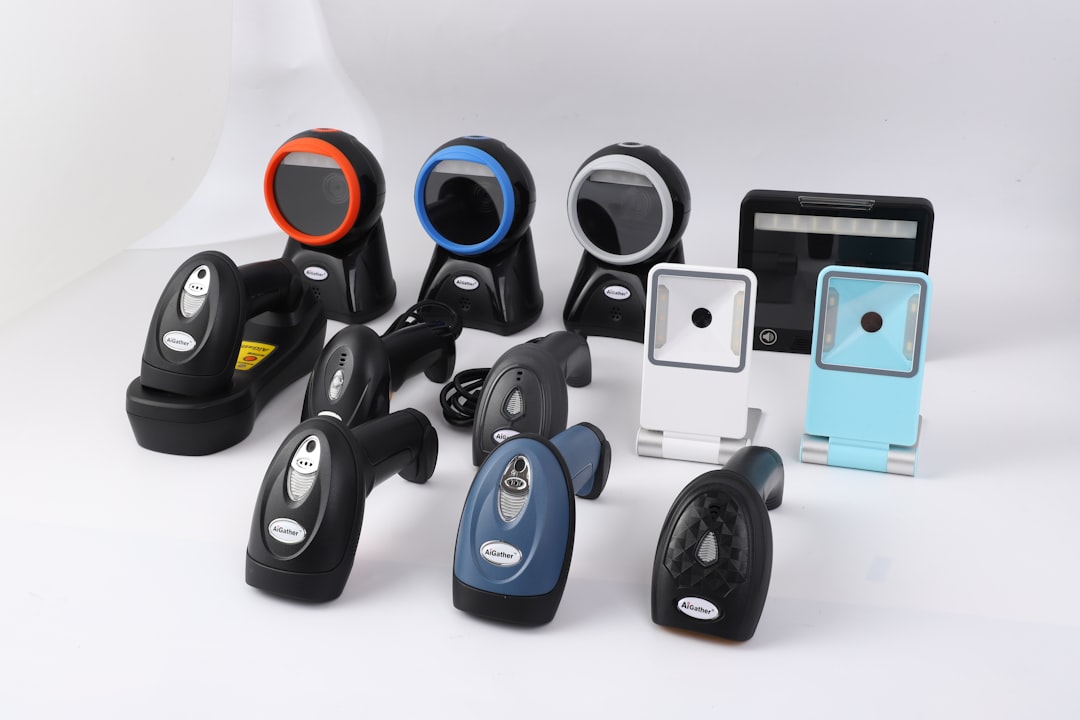
For a one-person truck operation, the Scanner App lets you scan the customer's wallet card using your phone between orders. But the real advantage is Scanner App Pro — a hardware barcode scanner connected to a tablet, mounted on the serving counter. Customers scan their own card as they collect their food. Auto-confirm means it's fully hands-free. You never need to touch it, look at it, or think about it. While you're grilling, assembling, and serving, the loyalty programme runs itself. Scanner App Pro is exclusive to Growth and Scale plans (beta) — most competitors don't offer self-service scanning. Food trucks that later expand into permanent locations can explore our comprehensive guide to best loyalty apps for fast food restaurants as their business evolves.
The referral programme turns festival fans into regular-pitch customers. Google Review rewards build the visibility that drives catering enquiries and new customers searching for "street food near me." The CRM with behavioural segmentation lets you separate your weekly office-park regulars from your festival-only fans and your catering enquiry contacts — messaging each with different content.
Integrations with Mailgun and Twilio give you email and SMS. Pricing starts at £15 per month on a yearly plan, with a 7-day free trial requiring no credit card.
Start a free 7-day trial at Perkstar
2. Square Loyalty
Best for: Food trucks processing all payments through Square that want automatic loyalty tracking with no additional steps.
Square Loyalty integrates with Square POS — the payment system many food trucks already use. Customers earn points when they pay. No scanning, no extra step. During a 300-transaction festival day, that zero-friction approach has genuine operational appeal.
Points accumulate based on spend, and the analytics show sales patterns by day and location. For a food truck on Square that wants the simplest setup, it delivers.
The trade-offs are critical for a mobile business. No Apple Wallet or Google Wallet integration — nothing on the customer's phone to connect them to you after the festival ends. No push notifications to announce your location (the most valuable feature a food truck can have). No stamp cards. No multipass for regular-pitch prepaid meals. No referral programme. No Google Review rewards. No self-service scanning. You're locked to Square.
For a food truck, the inability to send location announcements makes Square Loyalty fundamentally incomplete. The programme tracks purchases at the truck but has no way to bring customers to the truck in the first place.
3. Loopy Loyalty
Best for: Food trucks that want a simple mobile wallet stamp card without POS dependency.
Loopy Loyalty delivers a digital stamp card through Apple Wallet and Google Wallet. No app download, real-time updates, branded card. For a food truck that wants a "buy 8, get one free" stamp card with a persistent wallet presence, Loopy Loyalty works.
The wallet card keeps your truck in the customer's mind between visits — a passive reminder that exists regardless of location.
The limitations are significant for a mobile business. Push notification capability exists — Loopy Loyalty markets a messaging capability — though what sits behind it is a stamp card rather than a location-marketing tool. No points system for varied-menu upselling. No multipass for regular-pitch prepaid packages. No referral programme. No Google Review rewards. No self-service scanning. No CRM to separate festival fans from weekly regulars. For a food truck where location communication is the primary business challenge, Loopy Loyalty's stamp card provides the reward mechanic but not the communication infrastructure. The same segmentation problem sits behind loyalty apps for Indian restaurants, where weekly regulars and once-a-month celebration orders need entirely different prompts.
4. Stamp Me
Best for: Food trucks that want a familiar digital punch card with QR and NFC options.
Stamp Me digitises the paper punch card. Customers collect stamps via QR code or NFC tap through the Stamp Me app. For a "buy 8, get one free" programme, Stamp Me delivers.
The friction is severe for a food truck: customers must download the Stamp Me app. At a festival — where the customer has been queuing for 20 minutes, is holding food in one hand and a drink in the other, and wants to eat immediately — downloading an app for a stamp card is functionally impossible. The enrolment barrier is higher for food trucks than for any other business type because the customer interaction is shorter and more chaotic. Analytics are basic, though push notifications, SMS marketing and automated campaigns mean you can announce where you are.
5. LoyalZoo
Best for: Food trucks using a compatible POS that want loyalty running invisibly within the payment flow.
LoyalZoo integrates with several POS systems to add points-based loyalty at checkout. Points accumulate when customers pay. Zero extra steps during the transaction.
The downside for a food truck: no wallet card at all — customers are looked up by name or phone number — so although LoyalZoo does SMS, email and push, nothing of yours travels on the customer's phone. The programme only exists at the point of sale — it rewards customers who've already found your truck but does nothing to help them find it next time. For a mobile business where the fundamental challenge is "how do my customers know where I am today?", a POS-only system with no outbound communication is missing the most essential feature.
Quick Comparison: Loyalty Apps for Food Trucks
Feature | Perkstar | Square Loyalty | Loopy Loyalty | Stamp Me | LoyalZoo |
|---|---|---|---|---|---|
Apple Wallet & Google Wallet | ✅ | ❌ | ✅ | Limited | ❌ |
Card Types | 8 (Stamp, Points, Membership, Multipass, Discount, Coupon, Cashback, Gift Cards) | Points only | Stamps only | Stamps only | Points only |
Location Announcement Notifications | ✅ (push to lock screen) | ❌ | Limited | ❌ | ❌ |
Geo-Fenced Notifications (at pitch locations) | ✅ | ❌ | ❌ | ❌ | ❌ |
Festival Mass-Enrolment (QR code, no app) | ✅ | ❌ | ✅ | ❌ (app required) | ❌ |
Self-Service Kiosk Scanning | ✅ (Scanner App Pro — one-person operation) | ❌ | ❌ | ❌ | ❌ |
Prepaid Meal Multipass | ✅ | ❌ | ❌ | ❌ | ❌ |
Weather Communication | ✅ (on-demand push) | ❌ | Limited | ❌ | ❌ |
Catering Promotion | ✅ (targeted push to previous enquiries) | ❌ | ❌ | ❌ | ❌ |
Digital Gift Cards | ✅ | Via Square ecosystem | ❌ | ❌ | ❌ |
Referral Programme | ✅ | ❌ | ❌ | ❌ | ❌ |
Google Review Rewards | ✅ | ❌ | ❌ | ❌ | ❌ |
Lapsed Customer Automation | ✅ | ❌ | Limited | ❌ | ❌ |
Behavioural Segmentation | ✅ Advanced (weekly regular vs festival fan vs catering contact) | Basic | Basic | Basic | Basic |
Email & SMS Integration | ✅ (Mailgun & Twilio) | Limited | ❌ | ❌ | ❌ |
Requires App Download | ❌ | ❌ (POS-based) | ❌ | ✅ | ❌ (POS-based) |
POS Lock-In | ❌ | ✅ (Square only) | ❌ | ❌ | Partial |
Free Trial | 7 days (no card required) | 30 days | ✅ | Varies | ✅ |
Starting Price | From £15/mo (yearly) | From $13/mo (usage-based) | From $25/mo | From $35/mo | From $47/mo |
Real-World Scenario: How a Loyalty Programme Turns Festival Fans Into Year-Round Regulars
Feature tables compare platforms. This section shows what loyalty looks like from the serving hatch of a truck at a festival at noon, at a business park pitch at 12:30, and in the kitchen at 10pm when you're planning tomorrow's location.
Ravi runs a food truck specialising in loaded fries and gourmet hot dogs. He operates out of a converted van with one assistant. He has three regular weekly pitches (a business park on Tuesdays, a retail park on Thursdays, and a market on Saturdays) plus festivals and private events throughout the summer. His food is exceptional — he won Best Street Food at a regional food award last year.
His problems are universal to food truck owners. He has 3,200 Instagram followers, but his daily location post reaches about 150 people. His regular-pitch customers don't follow him to other pitches. His festival customers — who queue for 30 minutes and rave about his loaded fries — disappear into the crowd and he never sees them again. He does occasional catering, but it's reactive: someone calls, he quotes, sometimes it converts. He has no way to proactively generate catering enquiries.
And he's a one-person-plus-one operation. During the lunch rush, he's cooking, assembling, taking payments, and managing the queue. There is zero capacity for scanning loyalty cards, explaining reward programmes, or handling any additional task.
Festival one — the mass enrolment event. Ravi attends a three-day food festival expecting 8,000 visitors. He sticks a QR code on the counter, on the menu board, on a flag attached to the truck, and on every napkin holder. A sign reads: "Scan for free food — earn stamps every time you eat with us, wherever we are."
He also mounts Scanner App Pro — a hardware barcode scanner — on the serving counter. The scanner sits there permanently. Customers pick up their loaded fries, scan their phone against the counter scanner, and their stamp registers automatically. Ravi never touches the scanner, never explains it, never even mentions it. It just works.
Over three days: 420 transactions. Of those, 185 customers enrol in the loyalty programme (a 44% conversion rate). He also captures an additional 60 through the napkin-holder QR code (customers scanning while eating). Total new loyalty members from one festival: 245.
That's 245 people who ate his food, loved it, and are now on his phone. He can reach every one of them, directly, whenever he wants.
Week one — the first location announcement changes everything. The Tuesday after the festival, Ravi sends his first push notification at 10:30am: "We're at [Business Park Name] today, 11:30am-2pm. Loaded fries, gourmet dogs, your stamp is waiting." The notification reaches 245+ phones — including dozens of festival fans who had no idea he traded at a regular pitch five minutes from their office.
Seven festival customers show up at the business park for the first time. Several say: "I didn't know you were here! I've been craving those fries since the festival." Those seven customers — acquired for free at the festival, retained through a single push notification — become regular Tuesday visitors. At an average spend of £8.50, each one visiting weekly represents over £440 per year.
Ravi starts sending a location announcement every trading day. Tuesday morning: "Business park today." Thursday morning: "Retail park today." Saturday morning: "Market today." Each notification takes 15 seconds to write and reaches every enrolled member directly. Within a month, his per-pitch revenue increases by roughly 20% — driven by customers from other pitches and festival fans who now know where to find him.
The location notification replaces his Instagram location story. It reaches five times the audience, doesn't depend on an algorithm, and stays on the customer's lock screen until they see it.
Festival two (one month later) — the database compounds. Ravi attends another festival. Same QR code placement, same kiosk scanner. He adds 180 new members. His total database: 425+. The next Tuesday's location notification reaches 425 phones instead of 245. More customers. More revenue. Every festival becomes a database-building event as well as a revenue event.
Over the summer festival season, Ravi attends six events. His loyalty database grows to 780+ members by September. Every location announcement, every promotion, every catering offer now reaches 780 people directly.
Month two — the multipass locks in regular-pitch customers. Ravi launches a multipass for his business park Tuesday regulars: 10 meals prepaid for £70 (saving £15 versus buying individually at £8.50). He promotes it via push notification: "Tuesday regular? Save £15 with our meal pass. Pay once, scan each time."
Eight customers buy the multipass. That's £560 in upfront revenue — and eight customers who are now committed to visiting his Tuesday pitch for the next 10 weeks. The multipass removes the "will I bother today?" decision entirely: they've paid, so they come.
Month two — the catering push notification generates high-value bookings. Ravi sends a targeted push notification to his entire base: "Planning an office lunch? A birthday? A team event? We cater! Message us to book — loyalty members earn double points on all catering orders."
Within three weeks, he receives five catering enquiries. Three convert to bookings. Average catering booking value: £350. Total catering revenue from one push notification: £1,050. He repeats the catering notification quarterly and adds a "Christmas party catering" push in November.
Over six months, catering bookings — previously reactive and unpredictable — become a consistent revenue stream generating roughly £4,000, all initiated through push notifications to his loyalty base.
Month two — weather communication builds trust. A rainy Tuesday arrives. Ravi decides not to trade. Previously, the office workers who planned to visit would show up at the business park, find an empty pitch, and feel disappointed. Now Ravi sends a push notification at 9am: "Rain's winning today — we'll be back next Tuesday at [Business Park]. Your stamps are safe. Stay dry." The notification manages expectations, maintains the relationship, and builds trust.
When the sun returns the following Tuesday, he sends: "We're back! Sunshine + loaded fries. Double stamps today to make up for last week." The pitch does 25% more than a typical Tuesday. The rain cancellation notification — and the "we're back" follow-up — generates more goodwill and revenue than any marketing campaign.
Month three — referrals convert festival fans into regular customers. Ravi activates the referral programme. Food truck fans are natural referrers — "you have to try this truck, their loaded fries are insane" is a conversation that happens constantly at festivals, offices, and in group chats. The referral programme rewards that conversation.
In eight weeks, 35 new customers arrive through referrals. Many are colleagues of existing regulars at the business park pitch — one referral from the Tuesday crowd brings in three people from the same office. The actual additional footfall from 35 referrals is closer to 90 visits.
Month three — Google Reviews drive catering enquiries. Ravi turns on Google Review rewards. Customers who leave a review earn a bonus stamp. Over twelve weeks, his review count goes from 15 to 65, and his rating holds at 4.9. Detailed, food-specific reviews ("best loaded fries I've ever had — worth tracking down wherever they're parked") are exactly what potential catering clients and event organisers read when searching for street food vendors.
Two catering enquiries arrive directly from Google search. A wedding planner messages asking about availability for a summer event. A corporate event manager books a team lunch. These enquiries — worth £500-2,000 each — come from Google visibility that the review programme built.
Month four — the off-season survival plan. As festival season ends in September, Ravi's regular-pitch revenue needs to sustain the business through winter. He sends a push notification in early October: "Festival season's over — but we're not. Regular pitches every week: Tuesdays at [Business Park], Thursdays at [Retail Park], Saturdays at [Market]. Your stamps keep counting."
The notification keeps his summer festival fans engaged through the transition. Many continue visiting his regular pitches through autumn and winter. Without the loyalty database, those 500+ festival fans would have disappeared with the summer.
He also promotes a winter special via push notification: "Winter warmers — loaded chilli cheese fries and gourmet hot dogs. Hot food, cold days, double stamps all November." Winter pitch revenue stays approximately 30% higher than the previous year — sustained by a loyal database that didn't exist twelve months ago.
After one year:
920+ loyalty members (built primarily through festivals and regular pitches)
Per-pitch revenue up approximately 20% from location announcements
7 festival fans converted to regular Tuesday customers (£3,000+/year value)
8 multipass holders: £560 upfront + committed weekly visits
~£4,000 in catering revenue generated through push notifications
35 referrals generating ~90 additional visits
Google rating 4.9 (reviews 15 → 65), driving catering and event enquiries
Winter pitch revenue up ~30% (database sustains off-season trade)
Zero staff time spent on loyalty (kiosk scanner