5 Best Loyalty Apps for Run Clubs in 2026

5 Best Loyalty Apps for Run Clubs in 2026
Run clubs are having a moment. What started as a handful of friends jogging through parks has become one of the biggest social fitness movements in the UK. Every city has them. Every neighbourhood is getting one. Instagram accounts with matching vests and sunrise skyline photos are pulling 50, 100, 200+ runners to a midweek session in a car park.
The energy is extraordinary. The business model? That's where it gets complicated.
Most run clubs start free. That's the magic — no barrier to entry, anyone can show up, the community builds itself. But at some point, the organiser who's been planning routes, managing social media, liaising with venues, buying hi-vis vests, and showing up at 6:30am three times a week realises that a free community doesn't pay rent. It doesn't fund the event permits. It doesn't cover the insurance. It doesn't compensate the time that could be spent on a paid coaching career. Climbing gyms sit the other side of that line, community free and entry paid, which is the split loyalty apps for climbing gyms are built around.
The run clubs that are becoming sustainable businesses in 2026 are the ones that have found the bridge between free community and real revenue — without killing the open, welcoming culture that makes the club worth joining. That bridge is built from memberships, merchandise, events, partnerships, and the ability to communicate directly with every runner who's ever shown up.
A digital loyalty programme is the infrastructure that makes that bridge work. It captures every runner on their phone the first time they attend. It rewards consistent attendance. It promotes paid events, merchandise drops, and membership tiers to every enrolled runner directly. And it gives the run club something no Instagram account can provide: a direct communication channel to every single member, on their lock screen, without an algorithm deciding who sees it. Yoga studios use that channel the same way, since attracting yoga studio members is largely about converting drop-in visitors before the habit fades.
At Perkstar, we work with fitness communities, sports clubs, and activity businesses across the UK. We've seen which tools turn enthusiastic free communities into sustainable operations. This guide covers the five loyalty apps that genuinely work for run clubs in 2026.
Why Run Clubs Have the Most Unusual Loyalty Challenge in Fitness
Run clubs don't operate like gyms, PT businesses, or sports centres. The dynamics are fundamentally different — and the loyalty strategy needs to reflect that.
Your "product" is free — so loyalty isn't about purchases, it's about attendance. A gym charges a monthly membership. A PT charges per session. A run club's core offering — the group run — is typically free. Loyalty for a run club means showing up consistently, not spending money consistently. A stamp card that rewards attendance ("run with us 10 times, earn a free club t-shirt") creates a tangible reason to keep coming that complements the community motivation.
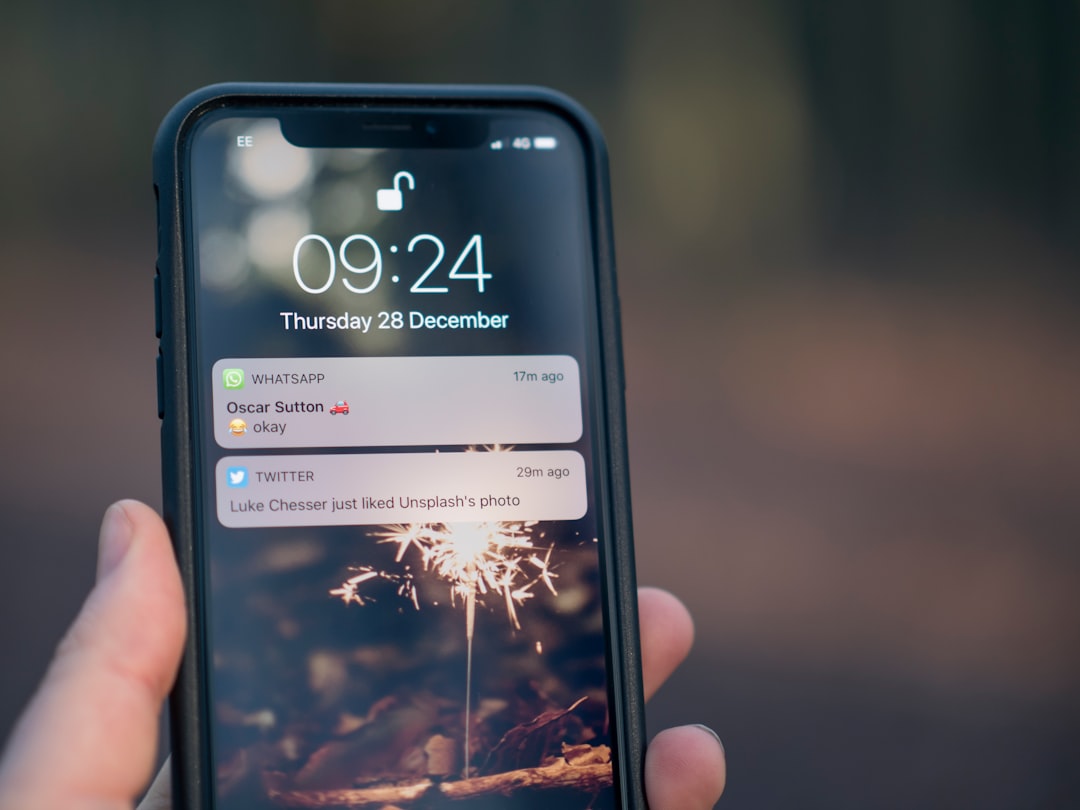
Attendance is your most important metric — and it's wildly inconsistent. A typical run club sees strong attendance at launch, a dip at week four to six, and a core of regulars emerging by month three. But even among regulars, attendance fluctuates with weather, work schedules, motivation, and competing social plans. A push notification at 4pm — "Tonight's run: 6:30pm, [location]. Your attendance stamp is waiting" — converts the "maybe I'll go" into "I'll definitely go" at the decision moment.
Revenue comes from everything around the run, not the run itself. Paid events (races, themed runs, destination runs, social runs with food/drink). Merchandise (branded vests, t-shirts, caps, water bottles). Memberships (premium tiers with coaching, pace groups, race entry, social events). Partnerships (local cafés, pubs, running shops offering discounts to members). Sponsor activations. A loyalty programme promotes all of these directly to every runner — not through an Instagram post that 5% of followers see.
The "I'll come next week" problem is your biggest retention leak. A runner who misses one session often misses the next. And the next. Within three weeks, they've silently left the club. They didn't quit — they just stopped showing up. An automated notification after a missed session — "Missed tonight? No worries. But we're running again Thursday — your streak is waiting" — catches the drift before it becomes permanent.
You're competing with the sofa, not with other run clubs. Your runner's alternative isn't another run club. It's not running at all. It's going home, ordering takeaway, and watching Netflix. The push notification at 5pm isn't competing with a rival club's Instagram. It's competing with inertia. And at the moment of decision — "should I go or should I stay in?" — a direct notification tips the balance more reliably than any social media post.
Community events are your highest-revenue moments — and they need direct promotion. A Christmas social run, a charity race, a summer pub crawl run, a destination weekend — these events generate the revenue that sustains the club. But promoting them through Instagram reaches a fraction of your community. A push notification to 300+ runners announcing "Summer Social Run — 5K, followed by BBQ and drinks. £15 entry, limited to 100 places. Book now" fills the event directly and immediately.
Merchandise drops can sell out — if people know about them. New club vest. Limited-edition anniversary t-shirt. Branded running cap. These items generate revenue and build club identity. A push notification to 300 runners announcing a merch drop creates the urgency and excitement that drives fast sell-outs. An Instagram post gets lost in the scroll.
The 5 Best Loyalty Apps for Run Clubs
1. Perkstar
Best for: Run clubs that want mobile wallet membership cards, attendance tracking, event promotion tools, and a direct communication channel to every runner — independent of social media algorithms.
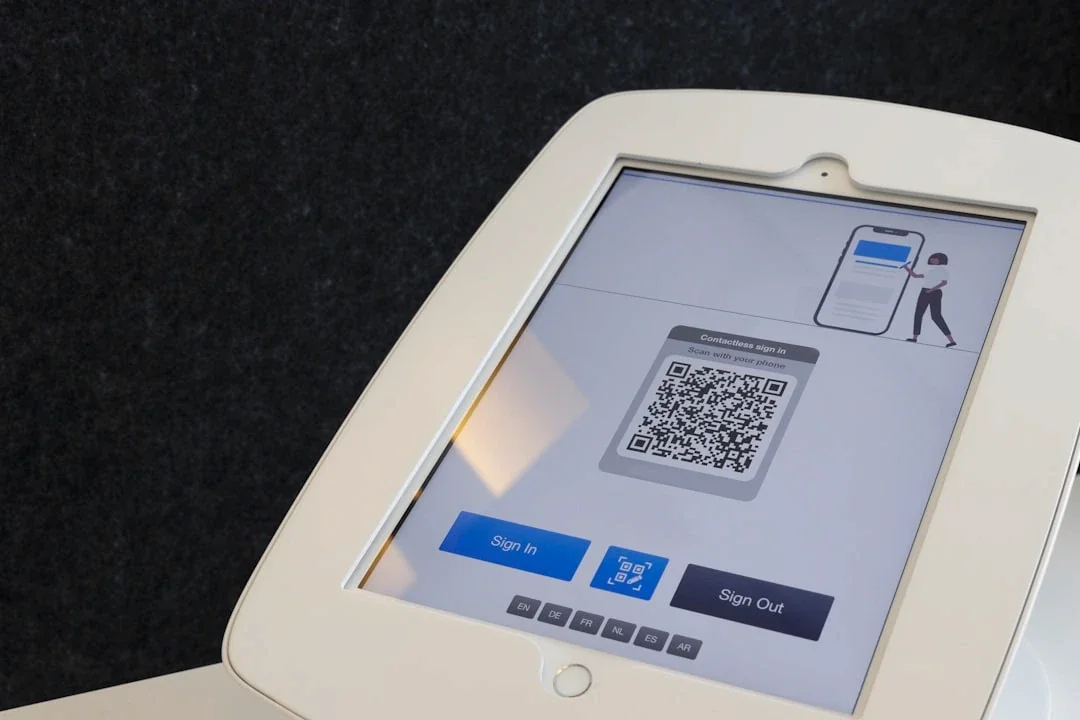
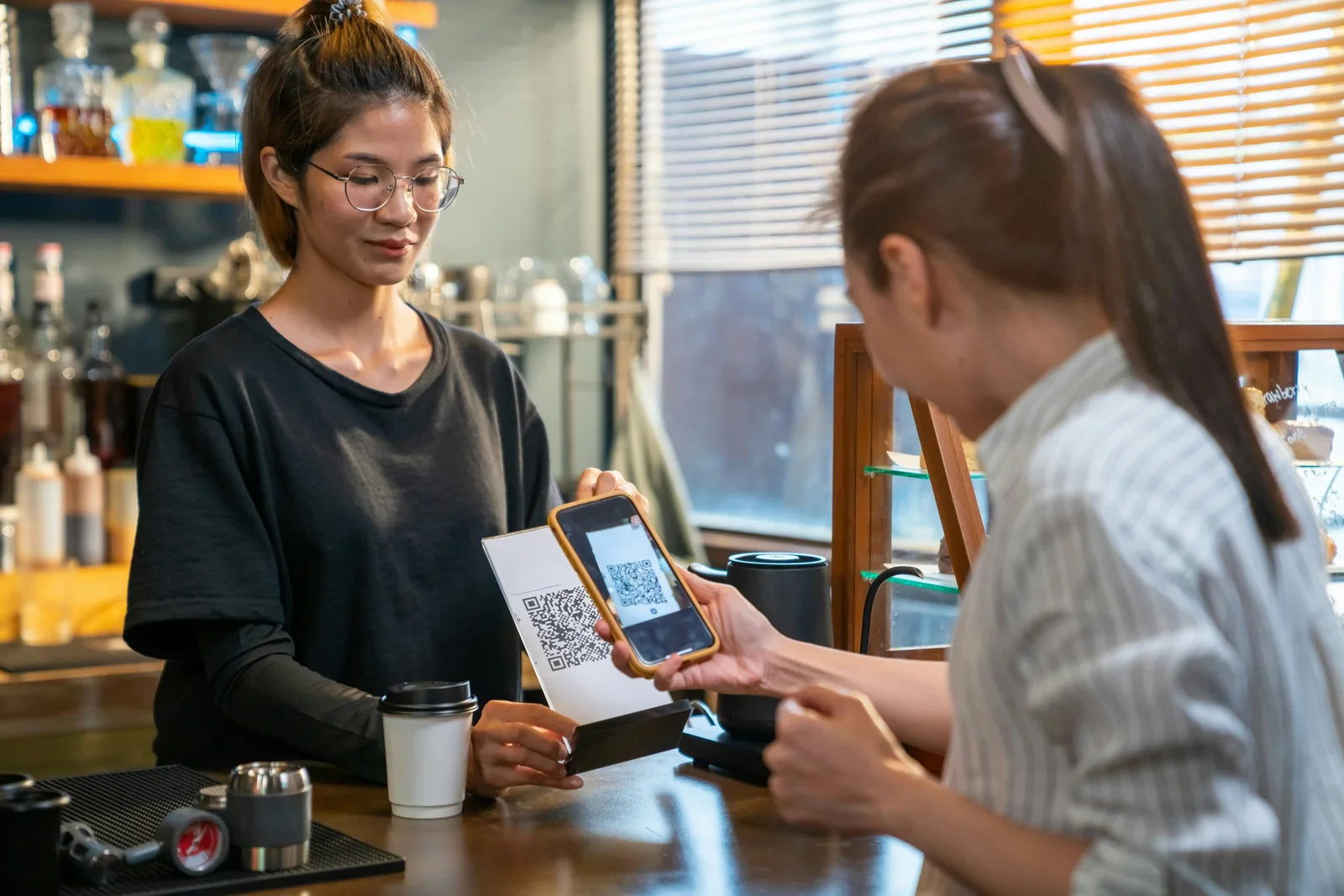
Perkstar gives run clubs the infrastructure to transition from a free Instagram community to a sustainable operation with membership revenue, event income, and merchandise sales — all communicated directly to every runner's phone. Runners add a loyalty card to their Apple Wallet or Google Wallet by scanning a QR code at the start line, at the post-run meet point, on the club's registration page, or on a sticker on the club's pop-up banner. No app download. Ten seconds. For a new runner showing up to their first session, the scan takes less time than stretching. Gyms enrol the same way at the front desk, though the best gym loyalty card in the UK tracks attendance rather than event entries.
For run clubs, the card types that matter are different from traditional retail or beauty:
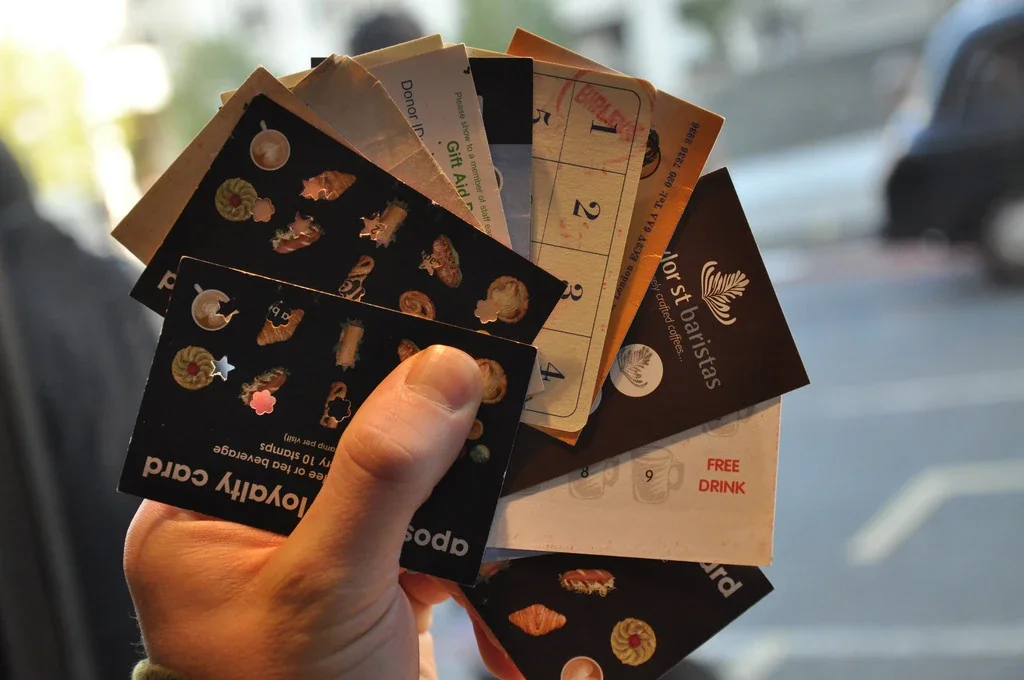
A stamp card for attendance tracking — "attend 10 runs, earn a free club t-shirt" or "complete 15 sessions, earn free entry to our next paid event." The stamp card gamifies consistency. A runner at 7 of 10 stamps has a concrete reason to show up tonight that goes beyond fitness motivation. The visual progress visible on their phone transforms sporadic attendance into a streak they don't want to break.
A membership card for premium tiers. Many run clubs are introducing paid membership levels — a free tier (open group runs) and a paid tier (structured coaching, pace groups, race entry, social events, merchandise discounts). Perkstar's membership card lives in the runner's wallet as their club credential — proof of membership that feels premium and tangible.
A points programme (1 point per pound spent) captures revenue across paid events, merchandise, and membership fees. The points incentivise spending within the club ecosystem — "I'll buy the vest from the club shop because I earn points" rather than buying generic running gear elsewhere.
Digital gift cards for event entries and memberships — "give someone a run club membership" or "gift someone entry to our summer race" work as birthday, Christmas, and wellness gifts.
The marketing toolkit is where Perkstar transforms a run club's communication:
Session reminders that beat the sofa:
4pm on run day: "Tonight's run: 6:30pm, [meeting point]. Route: 5K riverside loop. Your stamp is waiting"
"Rain? We run anyway. See you at 6:30. Double stamps for all rain runners tonight"
Event promotion that fills every place:
"Summer Social Run — 5K, BBQ, drinks. £15 entry, limited to 100. Book now before it sells out"
"Christmas Jingle Run — fancy dress, mince pies, mulled wine. December 20th. Triple stamps"
"Charity 10K — entries open. Loyalty members get early access"
Merchandise drops:
"New club vests just landed — limited stock. Order via the link, earn points"
"Anniversary edition t-shirt — only 50 made. First come, first served"
Lapsed runner recovery:
"We haven't seen you in two weeks — the crew misses you. Thursday's run is a good one to come back to"
Membership promotion:
"Ready to level up? Premium membership: coached pace groups, race entries, social events, merch discounts. £10/month"
Each notification reaches every enrolled runner's lock screen directly. For a run club where the entire battle is getting people off the sofa at 6pm, this channel is more valuable than any Instagram grid.
Geo-fenced notifications can reach runners when they're near the meeting point — a nudge at the exact moment they're walking past and might think "I should go tonight."
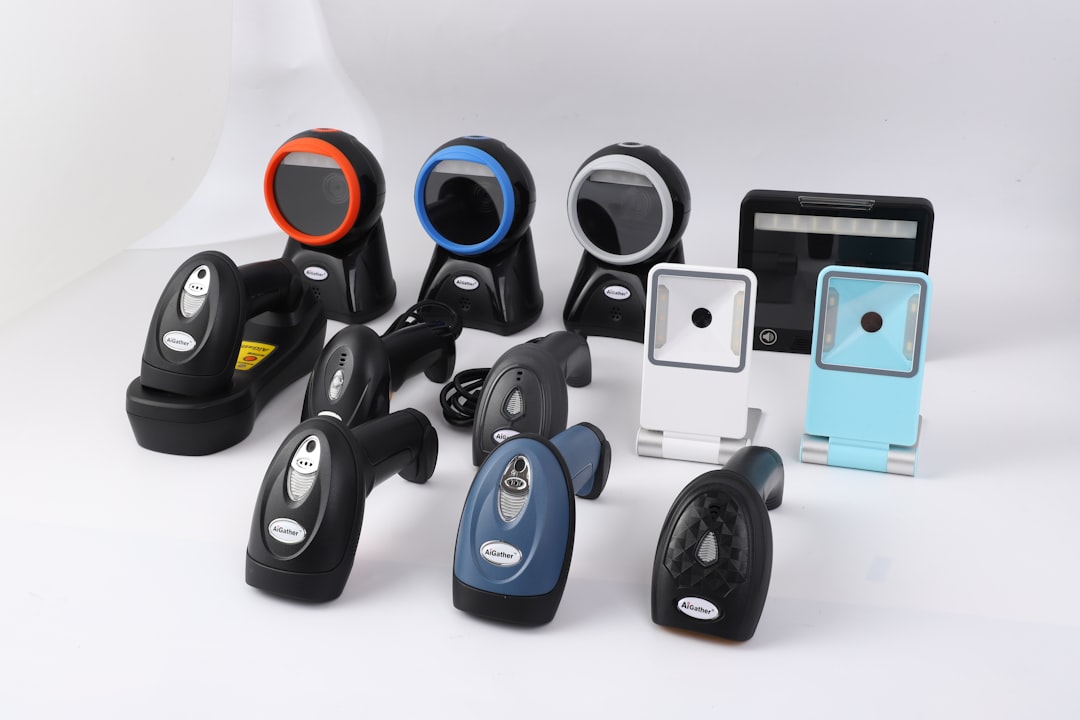
For session check-ins, the Scanner App lets the run leader scan each runner's wallet card at the start line — a few seconds per person as they arrive. Scanner App Pro connects a hardware barcode scanner for self-service — runners scan their own card against a scanner mounted on the registration table or attached to a clipboard. For a club with 80+ runners arriving in a 10-minute window, self-service is the only scalable approach. Exclusive to Growth and Scale plans (beta).
The referral programme is naturally powerful for run clubs. Running is inherently social — "you should come to our run club" is one of the most common fitness invitations. The referral link rewards both the existing runner and the friend, converting casual invitations into trackable growth.
Google Review rewards build visibility for "run club near me" and "running group [your area]" searches — increasingly competitive queries as more clubs launch. The CRM lets you separate your regular attendees from your occasional runners, your paid members from your free-tier participants, and your event buyers from your non-spenders.
Integrations with Mailgun and Twilio give you email and SMS. Pricing starts at £19 per month on the Starter plan, with a 7-day free trial requiring no credit card.
Start a free 7-day Perkstar trial
2. Square Loyalty
Best for: Run clubs processing event entries and merchandise sales through Square that want automatic points tracking.
Square Loyalty integrates with Square POS. If your run club uses Square to sell event entries, merchandise, or refreshments, runners earn points automatically when they pay.
The setup is simple for transactional interactions. Points accumulate based on spend.
The trade-offs are fundamental for a run club. Square Loyalty only tracks purchases — it can't track attendance at free runs, which is the primary engagement metric for any run club. Customers can add an Apple Wallet loyalty pass, but contact is limited to automatic texts on earning and rewards — no push notifications for session reminders ("tonight's run is at 6:30pm"). No attendance stamp cards. No membership card functionality. No referral programme. No event promotion tools. No merchandise-drop announcements. No self-service check-in scanning.
For a run club where attendance — not purchases — is the core loyalty behaviour, a POS-based system that only captures spending misses the fundamental engagement. Membership matters more than purchase tracking for a club, which is the same reason digital gym membership cards are built around attendance rather than spend.
3. Loopy Loyalty
Best for: Run clubs that want a simple mobile wallet stamp card for tracking attendance.
Loopy Loyalty delivers a digital stamp card through Apple Wallet and Google Wallet. No app download, branded card. For a run club that wants "attend 10 runs, earn a free club t-shirt" with a persistent wallet presence, Loopy Loyalty works.
The wallet card creates the visual attendance streak that motivates consistency. The stamp progress — "7 of 10" — is a genuine motivational tool.
The limitations are significant for a run club trying to generate revenue. Push messaging reaches the wallet card, but behind it sits a stamp card only — an attendance record rather than the membership and event tooling that drives event sales. No points system for merchandise and event purchases. No membership card functionality. No referral programme. Staff scan with the Stamper App rather than runners checking themselves in, and you get customer insights and reporting rather than a CRM. A stamp card gamifies attendance, but without the communication tools to remind runners to show up and promote paid events, it's a passive reward for people who were already coming — not a tool that generates attendance or revenue. The same gap shows in any membership trade, which is why loyalty apps for golf clubs are judged on messaging and membership cards before stamps.
4. Stamp Me
Best for: Run clubs that want a familiar digital punch card with NFC check-in capability.
Stamp Me provides a digital stamp card through its own app. Runners collect stamps via QR code or NFC tap. An NFC tag at the check-in point could provide a fast tap-to-stamp experience.
The friction: runners must download the Stamp Me app. For a runner arriving at 6:25pm, slightly out of breath, looking for their group, downloading an app for a stamp card is the last thing they'll do. The enrolment barrier is particularly harsh for a run club where the first-session experience needs to feel effortless and welcoming — not admin-heavy. Its push notifications for run-day reminders only reach the runners who installed the app, and the card itself stays a stamp card. Pricing runs £39, £49 or £129 a month across Lite, Pro and Elite, after a 30-day free trial.
5. LoyalZoo
Best for: Run clubs with a physical retail element (shop, café) using a compatible POS that want points on in-person purchases.
LoyalZoo integrates with several POS systems. If your run club has a physical retail presence — a pro shop, a café, a merchandise counter — LoyalZoo adds points at checkout.
The downside for most run clubs: the core activity (group runs) doesn't involve a POS transaction. LoyalZoo's earning runs through the till, so group runs go unrecorded; it can message runners by SMS, email and push, but customers carry no card of their own. For a run club where the primary loyalty behaviour is showing up to run — not buying something — a POS-dependent system misses the point entirely.
Quick Comparison: Loyalty Apps for Run Clubs
Feature | Perkstar | Square Loyalty | Loopy Loyalty | Stamp Me | LoyalZoo |
|---|---|---|---|---|---|
Apple Wallet & Google Wallet | ✅ | ❌ | ✅ | Limited | ❌ |
Card Types | 8 (Stamp, Points, Membership, Multipass, Discount, Coupon, Cashback, Gift Cards) | Points only | Stamps only | Stamps only | Points or stamps |
Attendance Stamp Tracking | ✅ | ❌ (purchases only) | ✅ | ✅ | ❌ (purchases only) |
Run-Day Session Reminders | ✅ (scheduled push to lock screen) | ❌ | ❌ | ❌ | ❌ |
Event Promotion (races, socials) | ✅ (push notification) | ❌ | ❌ | ❌ | ❌ |
Merchandise Drop Announcements | ✅ (instant push) | ❌ | ❌ | ❌ | ❌ |
Membership Card (premium tier) | ✅ | ❌ | ❌ | ❌ | ❌ |
Self-Service Check-In Scanning | ✅ (Scanner App Pro) | ❌ | ❌ | NFC tag | ❌ |
Lapsed Runner Recovery | ✅ (automated push) | ❌ | Limited | ❌ | ❌ |
Geo-Fenced Notifications | ✅ | ❌ | ❌ | ❌ | ❌ |
Digital Gift Cards (event entries, memberships) | ✅ | Via Square ecosystem | ❌ | ❌ | ❌ |
Referral Programme | ✅ | ❌ | ❌ | ❌ | ❌ |
Google Review Rewards | ✅ | ❌ | ❌ | ❌ | ❌ |
Behavioural Segmentation | ✅ Advanced (regular vs occasional vs paid member vs event-only) | Basic | Basic | Basic | Basic |
Email & SMS Integration | ✅ (Mailgun & Twilio) | Limited | ❌ | ❌ | ❌ |
Requires App Download | ❌ | ❌ (POS-based) | ❌ | ✅ | ❌ (POS-based) |
Free Trial | 7 days (no card required) | 30 days | ✅ | Varies | ✅ |
Starting Price | From £15/mo (yearly) | From $13/mo (usage-based) | From $25/mo | From $35/mo | From $47/mo |
Real-World Scenario: How a Loyalty Programme Turns a Free Run Club Into a Sustainable Business
Feature tables compare platforms. This section shows what loyalty looks like at 6:25pm on a Tuesday when 80 runners are milling around a car park, half of them holding their phones, and the other half wondering if they should have stayed home.
Zara started her run club eighteen months ago. Tuesday and Thursday evenings, 6:30pm, from a park in South London. It grew organically — 8 runners became 20, then 50, then a regular 70-90 per session. The Instagram account has 4,200 followers. The community is genuine, diverse, and enthusiastic. Runners stay for drinks afterwards. They've become friends. Some have met partners through the club.
The problem: Zara hasn't earned a penny from any of it. She spends roughly 15 hours per week on the club — planning routes, managing social media, organising events, communicating with venues, ordering merchandise (which she pays for upfront). She's applied for a part-time coaching qualification. She wants this to be her career. But right now, it's a very expensive hobby.
Her specific challenges:
First, attendance is inconsistent despite the large community. Of the 4,200 Instagram followers, about 250 have actually attended a run. Of those, about 90 come regularly. The rest showed up once or twice and drifted. Zara has no way to reach former attendees who stopped coming — they're somewhere in her Instagram followers, but the algorithm reaches about 200 of them on any given post.
Second, she has no direct communication channel. Session announcements go on Instagram Stories (seen by about 180 people for 30 minutes). Event promotions go on the grid (seen by about 250 people over 24 hours). Neither channel provides guaranteed reach, and neither can send a targeted message to people who've actually attended a run. Many sports and fitness clubs face similar attendance challenges regardless of their venue — the same engagement strategies that work for run clubs can also be applied to loyalty programmes for padel clubs, where members often need reminders to book courts and attend events.
Third, she's tried selling merchandise (branded vests) and hosting paid events (a summer 10K with post-run brunch), but promoting them through Instagram generates modest results. The summer event sold 45 of 80 available places. She knows more runners would have signed up if they'd seen the promotion.
Month one — capturing every runner at the start line. Zara places QR codes on her club pop-up banner (visible to everyone arriving at the meeting point), on a laminated card she holds up before each run ("scan this if you haven't already"), and on the Instagram bio link page. She also sets up Scanner App Pro — a hardware barcode scanner attached to a clipboard at the sign-in table. Runners scan their phone as they check in. Stamp registers. Takes two seconds per person.
The first-session enrolment is strong. Within four weeks, 160 runners have added the loyalty card — including 40 who'd attended previously but had never been captured digitally. By week eight: 230.
Zara sets up an attendance stamp card ("attend 10 runs, earn a free club vest"), a points programme for paid events and merchandise, and a membership card for her planned premium tier.
Month one — the 4pm notification changes everything. Zara schedules a push notification every Tuesday and Thursday at 4pm: "Tonight's run: 6:30pm, [park name]. Route: 5K along the river. Your attendance stamp is waiting. See you there."
The notification reaches 230+ phones at the exact moment runners are finishing work and deciding whether to go. Previously, that decision was influenced by whatever they happened to see on Instagram — if they saw it at all. Now, the decision is prompted directly.
Tuesday attendance increases by approximately 20% within three weeks. The "maybe I'll go" runners — the ones who love the club but skip whenever motivation dips — are the ones most responsive to the notification. Several tell Zara: "I was going to skip tonight, then I saw your message and thought sod it, I'll go."
Thursday attendance sees a similar lift. Over a month, the average session attendance increases from about 75 to approximately 90. Those additional 15 runners per session — across eight sessions per month — represent 120 additional attendance instances per month. For a club transitioning towards paid memberships and event revenue, higher consistent attendance is the foundation everything else builds on.
Month one — the rain notification turns bad weather into a badge of honour. A rainy Tuesday arrives. Previously, Zara would post an Instagram Story: "We're still running tonight!" Seen by about 60 people. Attendance would halve. Now she sends a push notification at 3pm: "Rain? We run anyway. Double stamps for all rain runners tonight. Waterproofs on, excuses off. 6:30pm."
The double-stamp incentive turns bad weather from a deterrent into a challenge. Rain-night attendance drops less than usual — about 55 runners instead of the typical rainy-night 40. Several new runners come specifically for the double stamp. The rain run becomes a point of pride: "I got my double stamp" becomes social media content that the runners themselves create.
Month two — the paid event sells out. Zara organises an autumn trail run and social — a 10K through local woodland followed by food, drinks, and a DJ at a nearby pub. Entry: £20 per person, limited to 100 places. She sends a push notification: "Autumn Trail Social — 10K through the woods, food, drinks, and music after. £20 entry, 100 places only. Book now before it sells out."
The notification reaches 250+ phones. The event sells out in 72 hours. Previously, the summer event (promoted only through Instagram) sold 45 of 80 places over three weeks. The push notification drives four times faster uptake at a larger capacity.
Revenue from the event: £2,000. After costs (venue, food, DJ, permits): approximately £1,100 profit. From a single push notification.
Zara starts planning events quarterly — a winter social run, a spring charity 10K, a summer destination run, and the autumn trail social. Each promoted via push notification. Each consistently sells out or near-sells out.
Projected annual event revenue: £4,000-5,000 in profit — from a club that was generating zero revenue a year ago.
Month two — the merchandise drop creates urgency. Zara orders 80 new club vests — branded, limited run. She sends a push notification: "New club vests — limited to 80. £22 each. Link to order. Once they're gone, they're gone." The notification creates the urgency and exclusivity that Instagram posts can't. All 80 sell within five days. Revenue: £1,760. After production costs: approximately £960 profit.
She follows up with a winter accessory drop (beanies and buffs) promoted via push notification. Both sell out within a week.
Annual merchandise revenue: approximately £3,000-4,000 in profit.
Month two — the premium membership launches. Zara introduces a two-tier system:
Free tier: Open group runs (Tuesday and Thursday, always free, always welcoming)
Premium membership (£10/month): Coached pace groups on Saturdays, monthly social events, 15% off all merchandise, early access to event tickets, and a premium membership card in Apple Wallet
She promotes the premium tier via push notification to her most active runners (15+ attendance stamps): "Ready to level up? Premium membership: coached Saturdays, social events, merch discounts, and early event access. £10/month."
Fourteen runners sign up in the first month. That's £140 per month in recurring revenue. By month four: 25 members at £250 per month — £3,000 per year in guaranteed, predictable membership income.
The premium membership doesn't replace the free runs. It enhances them. The free tier stays open, welcoming, and community-driven. The premium tier offers structure, coaching, and exclusivity for runners who want more. The loyalty programme manages both tiers through a single dashboard.
Month two — referrals bring the friend group. Zara activates the referral programme. Running is inherently social — "you should come to our run club" is said constantly, at work, at the pub, in group chats. The referral link rewards both the existing runner and the friend.
In eight weeks, 35 new runners attend their first session through referrals. Many come in pairs or groups — one referral often brings two or three friends. The actual additional attendance from 35 referrals is closer to 90 session-visits in the first month. The referral programme generates more new attendees in two months than Zara's Instagram promotion produced in the previous six.
Month three — Google Reviews build search visibility. Zara turns on Google Review rewards. Runners who leave a review earn bonus points. Over twelve weeks, the review count goes from 5 to 45, and the rating holds at 4.9. For "run club near me" and "running group South London" searches, Zara's club now appears prominently — attracting runners who've never seen the Instagram account.
Month three — lapsed runner recovery. Zara configures an automated notification for any runner who hasn't scanned in for three consecutive sessions: "We've missed you on the runs — everything OK? Thursday's route is a good one to come back to. Your stamps are waiting." Of 22 lapsed runners who receive the notification, 11 return within two