Loyalty Programs for Tattoo Studios: Build Lifetime Collectors
Here's a scenario every tattoo artist knows:
You spend 6 hours inking an incredible custom sleeve session for a new client. They love it, heal perfectly, and promise they'll come back to continue the piece. Then six months pass. A year. You never hear from them again. They didn't go to a competitor because they were unhappy—life just got in the way, or they got nervous about committing to the next session, or they simply forgot to reach out.
That incomplete sleeve represents £800-1,500 in lost revenue from work you'd already designed and planned. But more importantly, it represents a lost relationship that could have spanned decades and generated £5,000-15,000+ in lifetime value.
Or consider this: you build an incredible reputation, and satisfied clients regularly tell their friends about you. But there's no system to capture those referrals. Potential clients mention a friend sent them, but you have no way to thank that friend or encourage more referrals. You're benefiting from word-of-mouth, but you're not actively nurturing it. It's the same pattern that plagues hair salons struggling with client retention—a thrilled customer walks out the door, fully intending to return, and simply never does.
This is the unique challenge of running a tattoo studio: your business is built on long-term relationships and trust, not frequent transactions.
The economics are unusual:
Average client visits 1-4 times per year (or less) depending on project scope
Client relationships can span 20-40 years if nurtured properly
Lifetime value of a committed client is £3,000-20,000+ (multiple tattoos, referrals, touch-ups)
Referrals are everything – 60-80% of new clients come from word-of-mouth
Trust is non-negotiable – Clients won't return if they don't feel safe and respected
Here's what makes this different from other businesses: you can't compete on price (cheap tattoos signal low quality), you can't rely on frequent visits (tattoos aren't a weekly service), and you can't use aggressive marketing (tattoos require deep personal trust).
So how do you build sustainable client relationships when visits are infrequent and discounting undermines your credibility?
This is where loyalty programs for tattoo studios become valuable—not as discount schemes that devalue your art, but as relationship management tools that support multi-session projects, formalize referrals, maintain contact between sessions, and celebrate long-term client relationships.
This guide is for tattoo artists and studio owners who want to maximize client lifetime value while maintaining premium positioning. We'll show you how digital loyalty systems can strengthen relationships, support aftercare, encourage referrals, and keep clients engaged between sessions—all without undermining the artistic integrity and trust that your business depends on. Barbers face the reverse problem, with visits weeks apart rather than months, so loyalty apps for barber shops count frequency where studios count value.
Why Tattoo Clients Don't Return (Even When They Love Your Work)
Let's start by understanding why client relationships fade in the tattoo industry.
The most common reasons clients don't return for planned future work:
Life interrupts – Financial changes, moving cities, personal circumstances delay next session
Intimidation or anxiety – Nervous about committing to next session, especially for large projects
Forget to reach out – Months or years pass, they lose your contact info or feel awkward reconnecting
No structured follow-up – You don't have a system for staying in touch between sessions
Aftercare questions – Had healing questions but didn't know how to reach you easily
Completed piece feels "done" – They don't think about new tattoos until inspiration strikes (could be years)
Touch-up confusion – Unsure when/how to book touch-ups, so they never do
Notice what's missing: dissatisfaction with your tattooing.
Most clients who don't return aren't unhappy with your work. They're not leaving bad reviews or going to competitors. They're just not actively maintaining the relationship, and there's no system pulling them back into your orbit.
This is crucial because it means the solution isn't better tattooing (you're already delivering that). The solution is building systems that maintain relationships across months or years between sessions.
The Economics: What's a Tattoo Client Actually Worth Over a Lifetime?
Let's quantify lifetime value in the tattoo industry.
One-Time Client (Single Small Tattoo):
Single session: £150
Acquisition cost: £20 (social media, time, consultation)
Lifetime value: £150
Net value: £130
Multi-Session Client (Completes Planned Project):
Initial session: £200
3 additional sessions: £600
Touch-ups over years: £100
Lifetime value: £900
Net value: £880
Returning Client (Multiple Separate Tattoos Over 5 Years):
5 tattoos at avg £250: £1,250
Touch-ups and aftercare products: £150
Refers 1 friend who becomes client: £800+ value
Lifetime value: £1,400 + referral = £2,200
Net value: £2,180
Lifelong Collector (Committed Client Over 20+ Years):
15-20 tattoos over lifetime: £4,000-8,000
Multiple large projects (sleeves, back pieces): +£3,000-6,000
Regular touch-ups and additions: +£500-1,000
Refers 5-10 friends who become clients: +£4,000-8,000
Lifetime value: £11,500-23,000+
Net value: £11,480-22,980+
The difference between a one-time client and a returning client is £2,050 in lifetime value. Lifelong collectors who become advocates are worth £11,350-22,850 more than single-session clients.
Now ask yourself: what would you invest to convert a £150 one-time client into a £2,200 returning client? £50? £100?
If you spent £80 in relationship-building tools, referral rewards, and follow-up systems over 5 years to convert a one-time client into a returning client, that's a 2,625% ROI.
For tattoo studios, lifetime relationships aren't just valuable—they're the entire business model.
The Discount Trap (And Why £50 Flash Tattoos Will Destroy Your Reputation)
When tattoo studios struggle to fill their books, some default to aggressive pricing tactics:
"Friday the 13th flash deals: £50 tattoos!"
"Walk-in Wednesday: 50% off small tattoos"
"Groupon: £60 custom tattoo session"
"Student discount, first tattoo discount, birthday discount..."
These tactics might generate short-term bookings, but they create catastrophic long-term problems:
Why heavy discounting destroys tattoo studios:
Attracts bargain-hunters, not collectors – Clients who come for £50 deals aren't building lifelong relationships
Undermines artistic credibility – Cheap tattoos signal low-quality work, amateur artists, or desperate business
Devalues years of training – Your apprenticeship, skill development, and expertise reduced to commodity pricing
Destroys perceived value – If tattoos are £50 sometimes, what are they really worth?
Attracts problem clients – Discount-driven clients are often more demanding, less respectful, more likely to cause issues
Creates wrong expectations – Regular clients start expecting deals instead of paying full rate
Can't build premium reputation – Premium artists command £100-150/hour; discount artists cap at £40-60/hour
Example of what goes wrong: A tattoo studio in Birmingham ran persistent "£40 walk-in deals" to fill gaps in the schedule. What happened:
Booking volume increased with price-sensitive clients
85% of discount clients never returned at full price
Regular clients felt devalued (why pay £200 when others pay £40?)
Artists' Instagram portfolios filled with rushed, low-quality discount work
Reputation shifted from "custom artistry" to "cheap tattoos"
Premium clients stopped booking (didn't want to be associated with discount shop)
Studio closed 18 months later (couldn't sustain economics or reputation)
This is the discount death spiral. It creates activity but destroys brand equity, client quality, and long-term viability.
Loyalty as Lifetime Relationship Management (Not Transactional Discounting)
Let's reframe what loyalty means in the tattoo industry.
For tattoo studios, loyalty isn't about "buy 10 tattoos, get 1 free" (which makes no sense). It's about:
Maintaining relationships between sessions – Staying connected across months or years
Supporting multi-session projects – Tracking progress on sleeves, back pieces, large works
Formalizing referrals – Recognizing clients who send friends
Aftercare and follow-up – Checking in during healing, offering guidance
Celebrating milestones – Recognizing anniversaries This approach taps into emotional loyalty rather than transactional habits—clients return because they feel genuinely connected to you as their artist, not because they're chasing a discount. It's the same philosophy that drives loyalty programs in med spa environments—where clients invest in multi-session treatment plans and the relationship between provider and client is too valuable to reduce to a punch card., completed projects, long-term relationships
Future session reminders – Gentle prompts about planned touch-ups or new pieces
Building collector identity – Making clients feel part of an exclusive community
This is relationship management for creative businesses. It's personal, long-term, and built on mutual respect.
The shift in thinking:
Discount mindset: "How do I get more walk-ins this week?"
Loyalty mindset: "How do I nurture this client relationship across their entire tattoo journey, from their first piece to their 20th, and turn them into an advocate who sends their friends?"
The second approach builds sustainable businesses, premium positioning, and artistic legacy.
Loyalty Structures That Work for Tattoo Studios
Here's how loyalty programs work in tattoo studios while maintaining artistic integrity.
1. Referral Recognition: Formalize Your Most Important Marketing Channel
Word-of-mouth is how tattoo studios grow. Make it official.
How it works:
Client refers friend who completes a tattoo → both receive reward
Keep rewards appropriate to tattoo pricing (£50-80 credit, not 50% off)
Track referrals via unique codes or digital loyalty cards
Why it works:
Referred clients have 70-85% higher lifetime value – They come with built-in trust from friend's endorsement
Low cost – You only reward after new client has committed and completed work
Formalizes existing behavior – Clients already refer friends; this recognizes and encourages it
Builds community – Groups of friends become collectors together When those referred clients share their own tattoo photos on Instagram and tag your studio, you're benefiting from the same dynamic driving social media influence on customer loyalty—authentic endorsements from real people that no paid ad can replicate.
Premium positioning maintained – Modest credit feels like thank-you, not discount
Example: A custom tattoo studio in Bristol introduced referral recognition: when client refers friend who completes tattoo £200+, both receive £60 credit toward future work. In 24 months:
85 new clients via referrals (52% of new client acquisition)
Referred clients booked follow-up sessions at 78% rate (vs. 45% for other acquisition channels)
Referrers used credits to add to existing projects, deepening their own investment
Saved £9,000+ in advertising (referrals replaced paid acquisition entirely)
Built tight-knit community (friend groups booking together, attending events)
Perkstar's referral program tracks referrals appropriately and applies credits discreetly.
2. Multi-Session Project Tracking: Support Large Works
Large tattoo projects (sleeves, back pieces, leg pieces) require multiple sessions. Use loyalty to track progress and maintain momentum.
How it works:
Client books multi-session project
Digital card tracks sessions completed and remaining
Milestone recognition at key points (sleeve 50% complete, back piece finished)
Small reward upon project completion (free touch-up session, aftercare package, framed photo of finished work)
Why it works:
Maintains momentum across months-long projects
Clients see visual progress – "3 of 6 sessions complete"
Reduces project abandonment – Financial and psychological investment keeps them committed
Celebrates completion – Recognition makes finishing feel special
Not transactional – Rewards completion of artistic vision, not just spending
Example: A tattoo artist in Manchester used Perkstar to track multi-session projects. Clients received digital cards showing progress (e.g., "Sleeve Progress: 4 of 7 sessions complete"). Upon completion, they received complimentary professional photography session of finished work. Results:
Multi-session completion rate increased from 62% to 91%
Average time between sessions decreased from 9 weeks to 6 weeks (clients maintained momentum)
Clients loved seeing progress visually tracked
Professional photos became portfolio pieces and client proudly shared on social media (free marketing)
3. Anniversary and Milestone Recognition: Celebrate Long-Term Relationships
Tattoo client relationships can span decades. Recognize this.
How it works:
1-year anniversary of first tattoo → personalized message, small gift
5-year client relationship → significant recognition (custom flash design, exclusive event invitation)
Major milestone (10th tattoo, completed sleeve, 10-year relationship) → special celebration
Why it works:
Acknowledges loyalty in deeply personal way
Strengthens emotional bond to artist and studio
Creates "collector identity" – Clients see themselves as part of your artistic community
Differentiates from competitors – Personal recognition is rare and memorable
Example: A tattoo studio in Edinburgh celebrated client anniversaries with personalized messages and small gifts (custom stickers, aftercare products). For 5-year clients, they offered exclusive annual flash event access and a complimentary consultation for the next piece. Clients felt deeply valued, posted about recognitions on social media, and several had emotional responses to being remembered.
4. Aftercare Support and Follow-Up: Build Trust Through Care
Aftercare is critical for healing and client confidence. Use digital tools to stay connected.
How it works:
After each session, client receives digital aftercare guide via push notification
Check-in reminders at key healing stages (3 days, 1 week, 2 weeks post-session)
Easy way to send healing photos or ask questions
Touch-up booking reminders at 6-12 months
Why it works:
Shows you care beyond the transaction – Aftercare support builds trust
Reduces anxiety – First-time clients especially need reassurance during healing
Improves outcomes – Better healing = better-looking tattoos
Maintains connection – Touchpoints between sessions keep relationship alive
Encourages touch-ups – Reminders prompt clients to book maintenance
Example: A tattoo artist in Glasgow sent aftercare guides and healing check-in messages via Perkstar's push notifications. Clients reported feeling supported and cared for, healing outcomes improved (better adherence to aftercare instructions), and touch-up booking rate increased 45% (reminders prompted action).
5. Future Session Reminders: Gentle Prompts for Planned Work
Clients often plan future tattoos but forget to book them. Gentle reminders maintain momentum.
How it works:
If client mentioned wanting specific piece in future, note it
Send gentle reminder 3-6 months later: "Hi Sarah—you mentioned wanting a floral piece on your shoulder. I have availability in February if you want to start planning it"
For touch-ups: "It's been 12 months since your forearm piece—if you'd like a These reminders work best when you've built a proper email marketing list through your loyalty program, giving you a direct channel to clients who've opted in—rather than relying on social media algorithms to surface your posts in their feed. touch-up session, I have slots in March"
Why it works:
Permission-based outreach – They already expressed interest
Maintains relationship across long gaps
Fills calendar with committed clients
Feels personal and thoughtful, not salesy
Example: Tattoo artist tracked client-expressed interest in future pieces and sent personalized reminders via push notification. 40% of recipients booked consultations or sessions based on reminders. Clients appreciated being remembered and not having to initiate awkward "are you still tattooing?" conversations.
Real-World Example: How One Tattoo Artist Built a Waitlist Through Relationships
Here's a case study from a custom tattoo artist in Liverpool who was struggling with inconsistent bookings.
The Problem:
Calendar had gaps despite good reputation
55% of clients who started multi-session projects never completed them
Referrals happened organically but weren't tracked or encouraged
No system for staying in touch between sessions
Lost contact with past clients who might want more work
Felt awkward reaching out to past clients cold
The Root Cause: No structured way to maintain relationships between sessions. Clients genuinely intended to return but life got busy, and there was no gentle system nudging them back.
The Solution: The artist implemented relationship management system using Perkstar:
Referral program: Friend referrals earned both parties £70 credit (meaningful for £200+ work)
Multi-session tracking: Large projects tracked visually, celebrated at completion
Aftercare support: Check-in messages at 3 days, 1 week, 2 weeks post-session
Anniversary messages: Personalized notes on 1-year anniversary of first tattoo
Future work reminders: Gentle prompts for discussed future pieces or touch-ups
Milestone celebrations: Special recognition for 5th tattoo, completed sleeve, 5-year relationship
Exclusive client events: Annual flash event for existing clients only
The Results (after 18 months):
Multi-session project completion rate increased from 45% to 86%
95 new clients via referrals (63% of new client acquisition)
Referral-sourced clients had 82% return rate for future work
Touch-up booking rate increased from 30% to 71%
Calendar filled 8-12 weeks in advance consistently (previously had same-week gaps)
Built waitlist of 40+ clients for new projects
Average client lifetime value increased from £380 to £1,850
Advertising costs dropped to near-zero (referrals replaced paid acquisition)
Artist reputation grew (premium positioning, selective client base, no discounting)
The artist said: "I used to think 'loyalty programs' were for coffee shops, not tattoo artists. But this isn't about discounts—it's about staying connected with people across their tattoo journey. I have clients I've been working with for 5+ years now, building their collections piece by piece. That's what makes this job meaningful, and the digital tools help me maintain those relationships without it feeling forced or salesy."
Modern Take: Building Community, Not Just Client Lists
Let's talk about the shift happening in the tattoo industry.
What's changing:
Professionalization accelerating – Tattoo industry becoming more business-savvy, less "underground"
Client expectations rising – People expect professional communication, booking systems, aftercare support
Social media dominance – Instagram is the primary portfolio and marketing channel
Collector culture growing – More Studios that lean into this shift are discovering the benefits of community-focused loyalty programs—turning their client base into a genuine subculture where collectors identify with the studio's aesthetic and introduce friends organically. clients building cohesive collections, not just getting random tattoos
Competition intensifying – More artists than ever, harder to stand out on skill alone
Trust and safety emphasis – Clients research artists extensively, prioritize clean studios and professional practices
The opportunity: Your competitive advantage isn't just technical skill (though that's foundational)—it's client experience, relationship depth, and community building. Digital tools amplify this.
How premium tattoo artists differentiate in 2026:
Building Collector Communities
Successful studios create identity and belonging:
Exclusive client-only events (flash days, studio parties, art shows)
VIP status for long-term clients
Private social media groups for collectors
Collaborative projects (multiple clients contributing to themed collection)
Storytelling and Documentation
Artists who thrive document journeys:
Professional photography of completed work
Time-lapse videos of sessions
Client stories and testimonials (with permission)
Multi-session project progress shared on social media
Personal Connection at Scale
Use digital tools to maintain personal touch:
Personalized aftercare messages
Milestone recognition automated but thoughtful
Future work reminders based on client-expressed interest
Anniversary celebrations
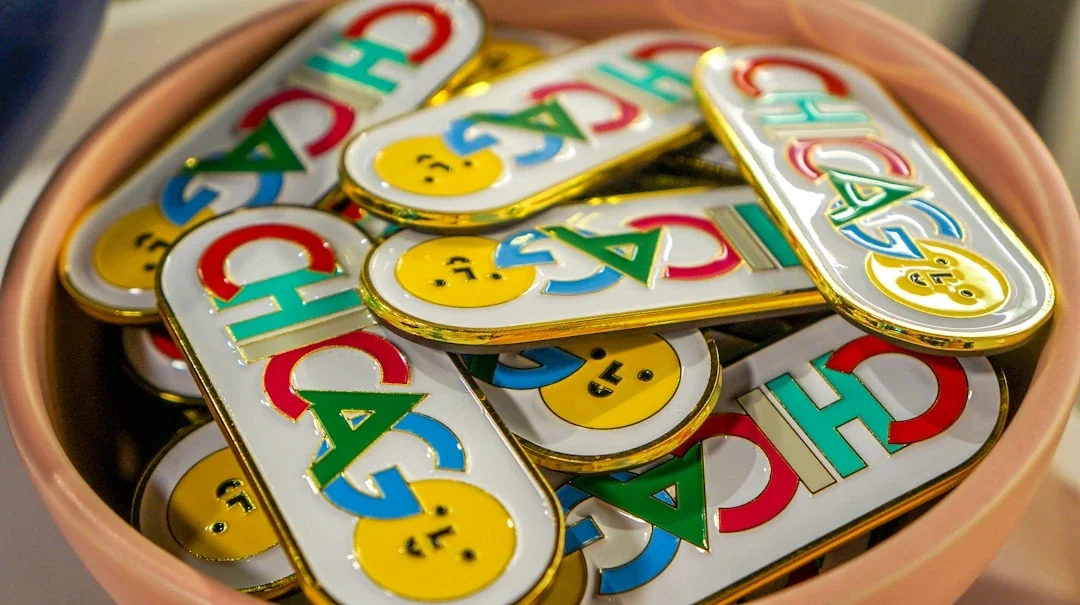
Example: A tattoo collective in Cardiff built community through Perkstar-managed client relationships: exclusive quarterly flash events for existing clients, anniversary recognitions, multi-session project celebrations. This balance between automation and authenticity is what separates studios that scale successfully from those that lose their personal touch—a challenge that beauty businesses building lifetime value face in exactly the same way, since their clients also expect both professional systems and genuine human connection. They created "Collector's Circle" identity—long-term clients received custom pins, priority booking, exclusive designs. This generated waitlist demand, premium pricing power, and near-zero client churn.
The insight: Premium tattoo businesses compete on community and relationship depth, not price. Digital tools make personal connection scalable.
Implementation Without Compromising Artistic Integrity
Here's the practical roadmap for launching tattoo studio loyalty systems that maintain premium positioning.
1. Frame It as Client Relationship Management, Not Rewards
Language shapes perception. Use:
"Collector's Circle" or "[Your Studio] Family"
"Client Relationship Program"
"Lifetime Tattoo Journey Support"
Avoid:
"Rewards program" (sounds transactional)
"Loyalty points" (sounds like retail)
"Earn discounts" (undermines premium positioning)
2. Design with Your Aesthetic
Your digital presence should reflect your artistic brand:
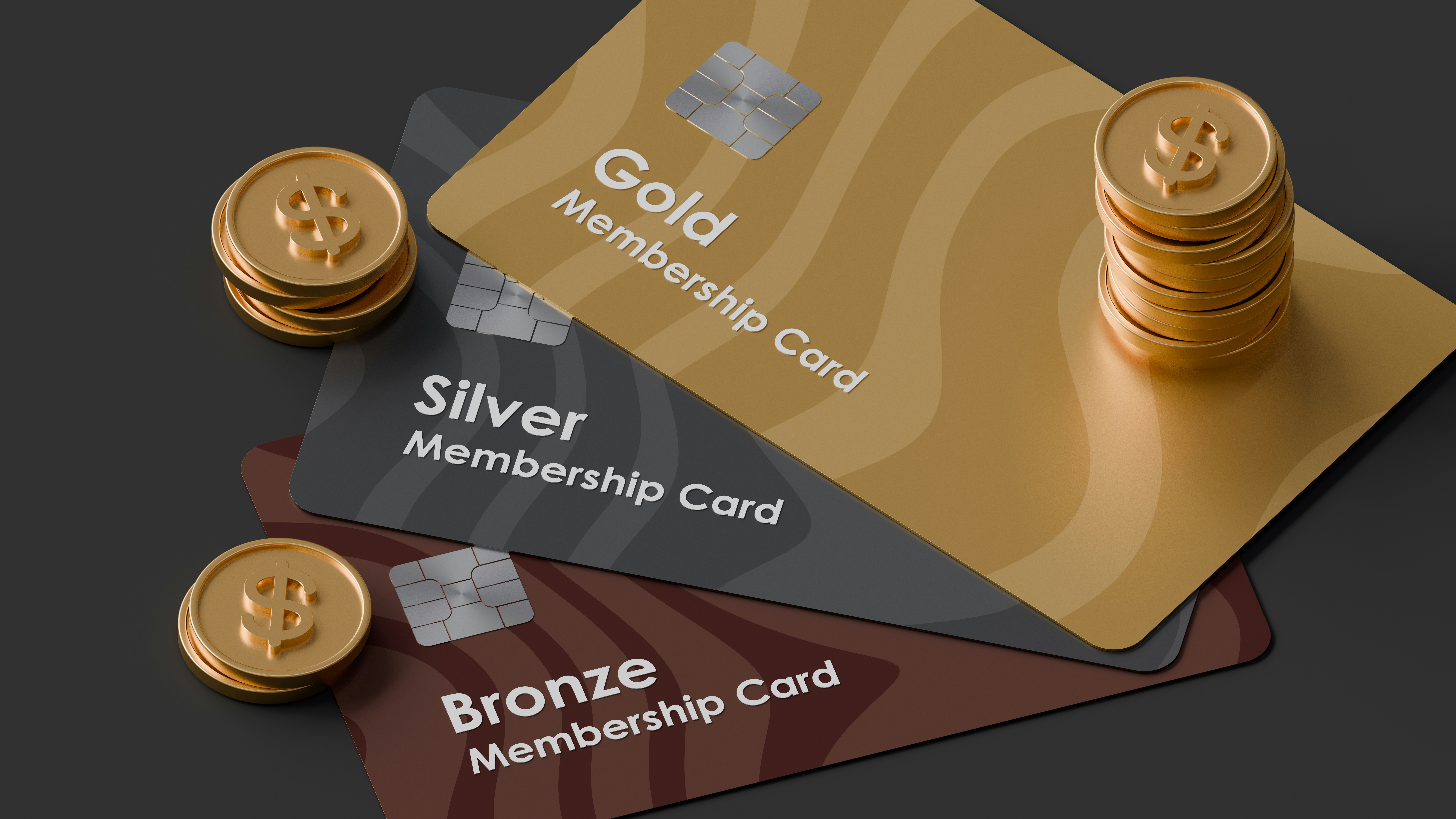
Custom-designed loyalty cards matching studio aesthetic
Branded communication that feels like your voice
Visual consistency with your portfolio and space
Perkstar allows full custom branding of digital cards, so they feel like exclusive membership credentials, not generic rewards cards.
3. Focus on Recognition, Not Discounts
Structure around celebrating relationships:
Good: "Complimentary touch-up session after completing your sleeve"
Bad: "20% off your next tattoo"
Good: "Exclusive access to custom flash designs for 5-year clients"
Bad: "Buy 5 tattoos, get 1 free"
The first maintains artistic integrity; the second cheapens it.
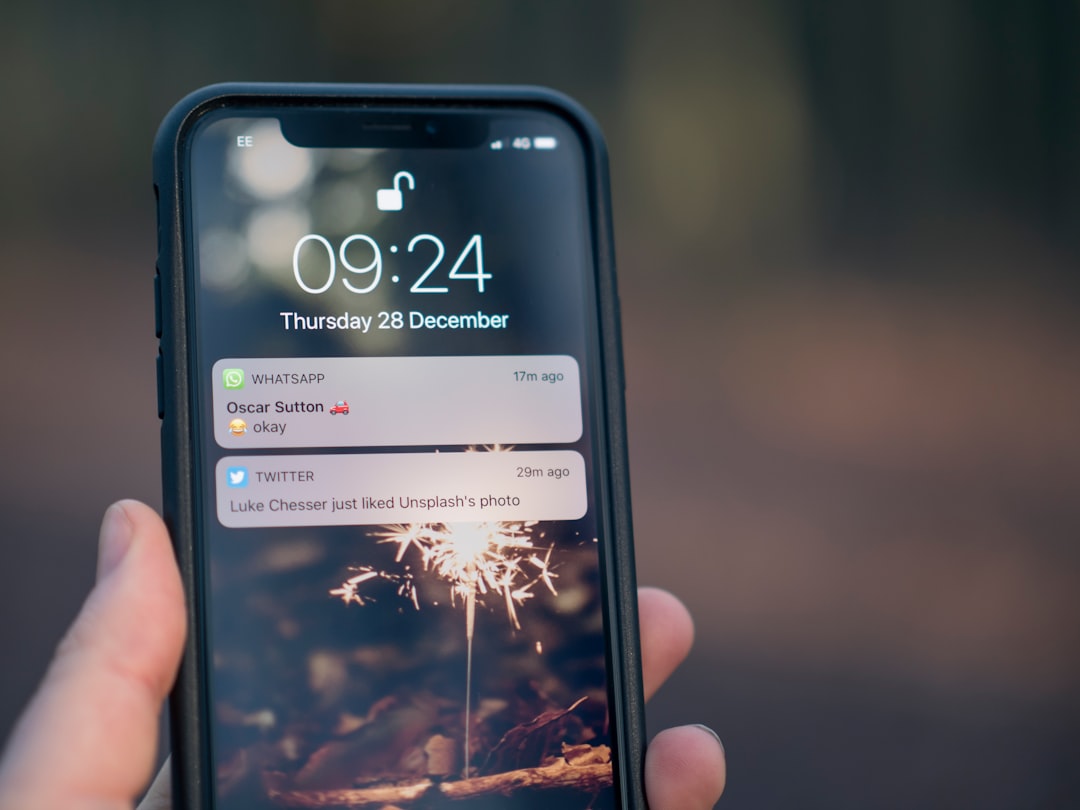
4. Use Push Notifications Thoughtfully
Push notifications should feel personal, never spammy:
"Hey Sarah—it's been a year since your first tattoo with me. Hope it's still looking great!"
"Your sleeve is healing beautifully—here's a reminder about the moisturizer routine for week 2"
"You mentioned wanting a floral piece someday—I have availability in March if you want to start planning"
Never:
"Book now! 20% off this week!"
"Earn rewards for your next tattoo!"
Perkstar allows personalized, timed push notifications that feel like messages from the artist, not automated marketing.
5. Integrate with Consultation and Aftercare
Build loyalty into your existing client touchpoints:
During consultation: "I'll send you a digital card that tracks our sessions and sends aftercare reminders"
After session: "Check your phone—I sent healing guidelines and will check in with you in a few days"
Between sessions: "I tracked that we're 3 sessions into your back piece—looking amazing so far"
Why Digital Platforms Work for Tattoo Studios
You could try managing relationships manually—notebooks, text reminders, spreadsheets. But here's what you'd miss:
Relationship continuity across years – Digital systems track clients who get work done every 1-2 years
Automated but personal communication – Aftercare messages, anniversary notes, future work prompts sent at right times
Referral tracking – Know who sent which client, recognize advocates appropriately
Multi-session project management – Track progress on large works across months
Professional image – Digital systems signal established, professional operation
Scalability – Works whether you have 50 clients or 500 over your career
The core benefits of running a loyalty program—from smoothing out quiet periods to generating trackable referrals—apply with particular force in tattoo studios, where the gaps between client visits can stretch across years rather than weeks.
Perkstar is designed for relationship-based service businesses like tattoo studios. You get custom-branded digital cards, personalized push notifications, referral tracking, milestone recognition, and multi-session project tools—all managed from your phone.
Setup takes less than 30 minutes, and there's a 7-day free trial (no credit card required). Pricing starts at £15/month.
Start Building Lifetime Collector Relationships
Here's the reality: tattoo studios can't build sustainable businesses on one-off walk-ins and price competition. You need clients who trust you enough to let you create permanent art on their bodies repeatedly over decades.
A loyalty app for small business in the tattoo industry isn't about discounting—it's about maintaining relationships across the long gaps between sessions, recognizing clients who advocate for you, supporting aftercare and healing, and building a community of collectors who see you as their artist for life.
Whether you focus on referral recognition, multi-session tracking, aftercare support, or milestone celebrations, the key is maintaining the personal connection and premium positioning that tattoo artistry demands.
Digital platforms like Perkstar make this manageable without feeling corporate or transactional. No cheap-feeling discount schemes, no undermining your artistic credibility, no awkward sales tactics. Just tools that help you maintain the relationships that make tattooing meaningful.
Ready to build lifetime collector relationships? Start your free 7-day trial with Perkstar—no credit card required. Set up your custom client relationship system in minutes and start nurturing the kind of long-term relationships that build legendary tattoo careers.