5 Best Loyalty Apps for Florists in 2026
5 Best Loyalty Apps for Florists in 2026
Every florist knows the calendar by heart. Valentine's Day. Mother's Day. Easter. Wedding season. Funeral work. Christmas. These dates are circled months in advance, and when they arrive, you're flat out — arranging until midnight, driving deliveries at dawn, running on adrenaline and floral wire.
Then the dates pass, and the shop goes quiet.
That feast-or-famine rhythm is the defining financial challenge of running a florist. The big occasions deliver your revenue peaks. The weeks in between — the ordinary Tuesdays and Thursdays when nobody's getting married, nobody's dying, and nobody remembered it's their anniversary — are where your profitability is determined. Those quiet weeks are when rent, wages, stock waste, and utilities eat into the margins you built up during the peaks. Aquatics shops sit at the other extreme, with steady consumable buying and no peaks, so loyalty apps for aquatics shops reward spend rather than occasions.
The florists that are growing in 2026 aren't just riding the occasions. They're creating demand between them. They're the ones who send a push notification on a random Wednesday that says "Treat yourself — fresh peonies just arrived" and sell twenty bunches by lunchtime. They're the ones who remind a customer it's their partner's birthday next week before Interflora does. They're the ones who've built a direct line to their customers' phones that works on ordinary days, not just extraordinary ones.
That's what a digital loyalty programme does for a florist. It captures every customer who walks in during the peaks and keeps them buying during the troughs. It rewards the regulars who buy flowers every week and re-engages the ones who only remember you exist on Valentine's Day. And it gives you a marketing channel that competes with the online-only flower delivery services that are eating into your business from every direction. Bike shops face the same seasonal swing, which is why loyalty apps for bike shops lean on servicing reminders through the quiet winter months.
At Perkstar, we work with florists, flower shops, and floral businesses across the UK. We've seen which loyalty approaches generate midweek sales and which ones only activate when the occasion calendar does the work for you. This guide covers the five loyalty apps that genuinely work for florists in 2026.
Why Florists Face a Loyalty Challenge Unlike Any Other Retail Business
Florists operate under a combination of pressures that no other retail category shares. The loyalty strategy needs to account for all of them.
Occasions drive the vast majority of purchases — and you're competing for them before the customer even thinks of you. When someone needs Valentine's flowers, Mother's Day flowers, or a sympathy arrangement, they have three options: walk to your shop, order from Interflora, or tap an ad from Bloom & Wild. The online florists are spending millions to intercept that decision with targeted email, SMS, and paid ads. A push notification from your loyalty programme that says "Mother's Day is in two weeks — order early for the best selection" reaches your customer before the online competition does. That timing advantage is the difference between keeping the order and losing it to a website.
The "just because" purchase is your biggest untapped revenue stream. Flowers aren't just for occasions. A bunch of tulips because the house needs brightening. A bouquet for a friend who's having a tough week. Peonies because they're in season and irresistible. These spontaneous, non-occasion purchases represent the growth opportunity most florists miss entirely — because nobody prompts them. A push notification on a Thursday afternoon — "Fresh peonies in today, stunning and won't last — pop in before they're gone" — creates the moment that turns a browser into a buyer.
Online-only florists are your most dangerous competitors. Bloom & Wild, Arena Flowers, Moonpig Flowers, and Interflora have trained consumers to order flowers from their phones. The convenience is hard to beat. Your advantage is quality — hand-tied arrangements, locally sourced stems, the artistry that a letterbox delivery can never replicate. A loyalty programme reinforces that quality advantage by adding reward value on top: "order from me and earn towards your next free bouquet" versus "order from a website and get nothing except flowers in a box."
Perishable inventory means waste is your constant enemy. Flowers don't wait. Unsold stems go in the bin. A push notification on a slow day — "Flash sale: gorgeous lilies, 50% more stems than usual for the same price" — can move stock that would otherwise be waste. A loyalty programme gives you the channel to communicate these time-sensitive offers directly and immediately.
Subscriptions and regular orders are a growing revenue stream. Weekly flowers for the kitchen table. Fortnightly arrangements for a reception desk. Monthly bouquets as a gift subscription. These recurring orders provide the predictable revenue that smooths out seasonal volatility. A loyalty programme with a membership or multipass card type lets you offer and manage these subscriptions digitally — and the push notification system lets you promote them to customers who might not have considered regular flowers before.
Weddings and events are your highest-value transactions — and they start with a Google search. When a bride-to-be searches "wedding florist near me," reviews and ratings determine who gets the enquiry. A loyalty programme that rewards Google reviews builds the online credibility that wins these high-value bookings.
Gift purchases mean you're reaching two customers with every sale. When someone buys flowers for another person, the recipient is a potential future customer. A QR code on the gift card or the wrapping — "Love your flowers? Scan to earn rewards on your own bouquets" — captures the recipient into your loyalty programme, turning one sale into two customer relationships.
The 5 Best Loyalty Apps for Florists
1. Perkstar
Best for: Florists that want mobile wallet loyalty, occasion-based promotional tools, "just because" purchase triggers, and subscription management for regular flower orders.
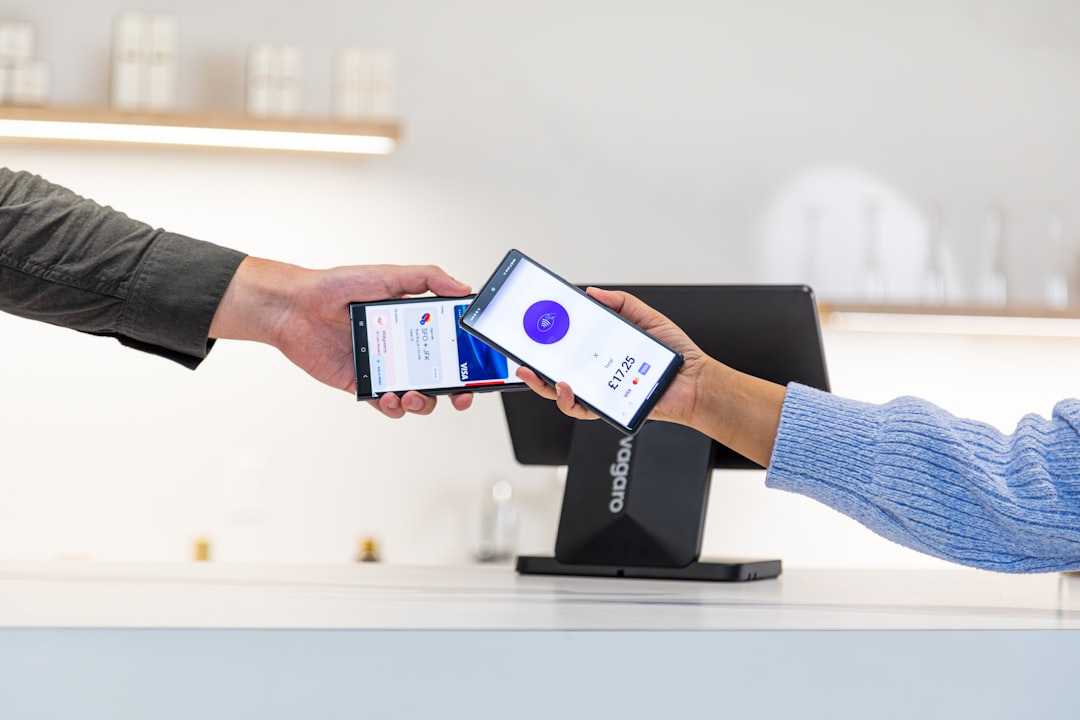
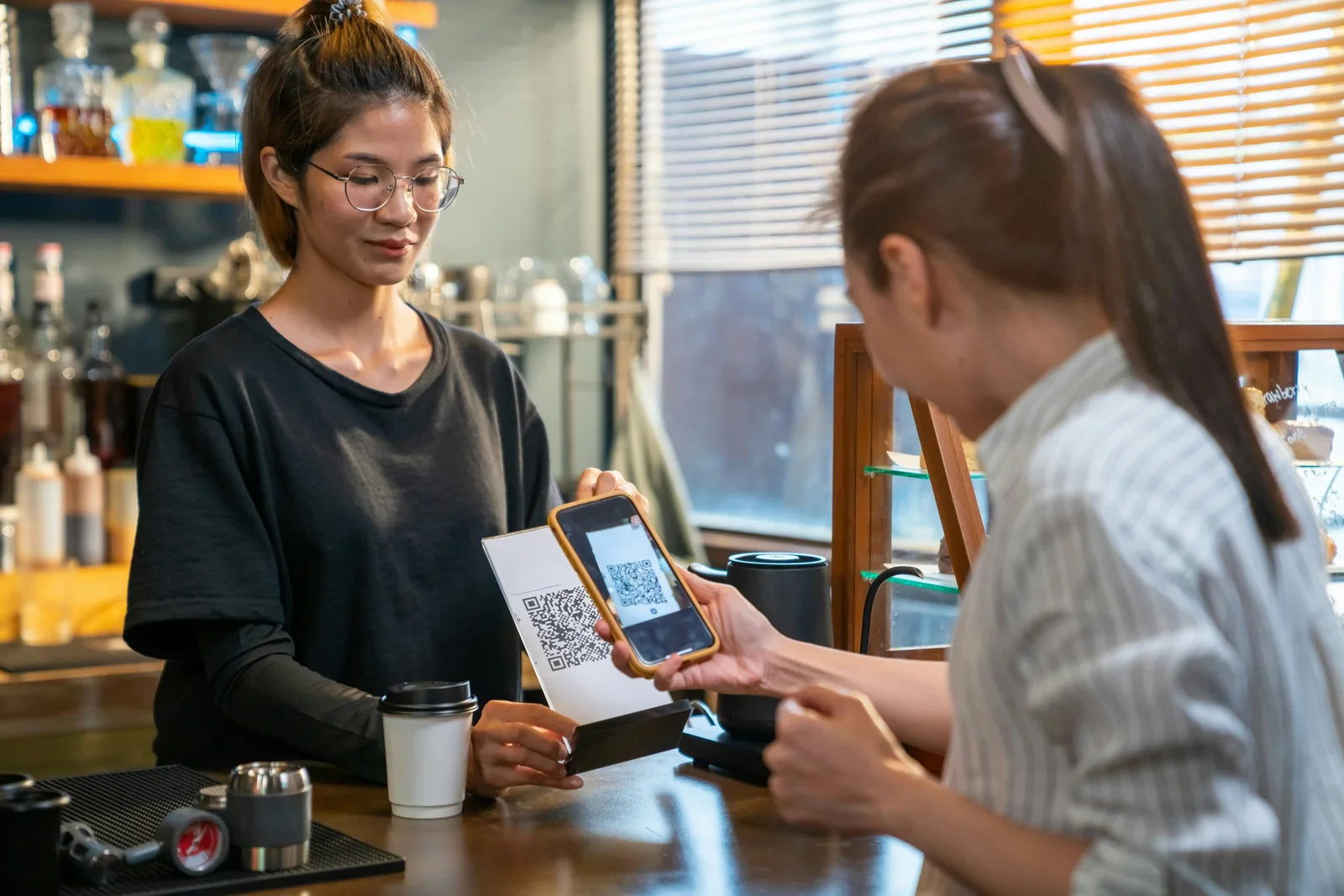
Perkstar gives independent florists the marketing infrastructure to compete with online flower delivery services — at £19 per month. Customers add a loyalty card to their Apple Wallet or Google Wallet by scanning a QR code at the counter, on the wrapping, or on a card tucked into the bouquet. No app download. Ten seconds. Crucially, you can also include the QR code on gift cards and bouquet tags — reaching the recipient of a gift purchase, not just the buyer. Jewellers face the same split between buyer and wearer, which is why loyalty apps for jewellers concentrate on capturing the recipient at handover.
For florists, a points programme is the strongest primary mechanism. Points based on total spend (1 point per pound spent) reward across everything: bouquets, arrangements, plants, vases, gift cards, subscriptions, and event consultations. A customer buying a £35 bouquet earns 35 points. A wedding consultation deposit of £200 earns 200 points. The proportionality rewards your highest-value customers most and captures the full breadth of your revenue streams.
A stamp card overlays for regular buyers: "every 6th bouquet earns a free bunch." For the customer who buys flowers weekly or fortnightly — the kitchen-table buyer, the "I always have fresh flowers in the house" person — the stamp card creates a rewarding rhythm that keeps them buying from you rather than switching to a supermarket bunch.
Perkstar supports eight card types. For florists, the most powerful additions include a membership for flower subscriptions (weekly or fortnightly bouquets at a fixed monthly price, managed through a wallet card), a multipass (prepaid bouquets — 6 for the price of 5 — ideal for regular buyers), and digital gift cards ("buy someone flowers" is one of the simplest and most popular gift card concepts in the UK, year-round).
The marketing toolkit is where Perkstar transforms a florist's revenue pattern: Which mechanic sits on that card is a separate decision, and the trade-offs between points, stamps and cashback hold whatever you sell.
Occasion reminders — push notifications sent to your entire loyalty base before major flower-buying dates:
"Valentine's Day is in 10 days — order now for the best selection. Earn double points on all V-Day orders"
"Mother's Day is two weeks away — hand-tied bouquets, delivered or collected. Book early"
"Wedding season is here — consultations available. Earn points on your deposit"
"Just because" prompts — the notifications that create demand on ordinary days:
"Fresh peonies landed this morning — absolutely stunning. Won't last the weekend"
"Thursday treat: buy a bouquet today and earn triple points. Your house deserves flowers"
"Sunflower season — the most cheerful stem of the year is in. Pop in before they sell out"
Stock-clearance alerts — turning potential waste into revenue:
"End of week — gorgeous roses need a home. Buy one, get one free on all rose bunches today"
Lapsed customer recovery — automated:
"It's been a month since your last bouquet — we've missed you. Double points this week"
Geo-fenced notifications reach customers when they walk near your shop — powerful for high-street florists where impulse purchases drive a significant portion of sales.
For busy shops, the Scanner App lets staff scan the customer's wallet card at the counter. Scanner App Pro connects a hardware barcode scanner for self-service — customers scan their own card. Auto-confirm, hands-free. Exclusive to Growth and Scale plans (beta).
The referral programme rewards customers who send friends to your shop. Google Review rewards build the credibility that drives wedding and event enquiries. The CRM with behavioural segmentation lets you separate your weekly regulars from your occasion-only buyers, your wedding clients from your sympathy-arrangement customers, and your gift-card purchasers from your personal buyers — messaging each appropriately.
Integrations with Mailgun and Twilio give you email and SMS. Pricing starts at £15 per month on a yearly plan, with a 7-day free trial requiring no credit card.
Start a free 7-day Perkstar trial
2. Square Loyalty
Best for: Florists processing all payments through Square that want automatic loyalty tracking at the till.
Square Loyalty integrates with Square POS. Customers earn points when they pay — no scanning, no extra step. Points accumulate based on spend. For a florist on Square that wants the simplest loyalty, it works.
The trade-offs are significant for an occasion-driven, perishable-inventory business. No Google Wallet card, and only a plain Square loyalty pass in Apple Wallet — nothing on the customer's phone to prompt a "just because" purchase on a Wednesday or remind them of an upcoming occasion. No push notifications for Valentine's Day reminders, stock-clearance alerts, or "fresh peonies just arrived" prompts — the notifications that most directly drive florist revenue. No stamp cards for weekly buyers. No subscriptions or multipasses. No referral programme. No Google Review rewards (critical for winning wedding enquiries). No self-service scanning. Pricing is £25, £45 or £65 per location per calendar month, banded by monthly loyalty visits.
3. Loopy Loyalty
Best for: Florists that want a simple mobile wallet stamp card without POS dependency.
Loopy Loyalty delivers a digital stamp card through Apple Wallet and Google Wallet. No app download, real-time updates, branded card. For a florist that wants a "buy 6 bouquets, get the 7th free" programme with a persistent wallet presence, Loopy Loyalty works.
The wallet card keeps your shop visible between purchases — a reminder every time the customer opens their wallet that fresh flowers (and a free bouquet) are waiting.
The limitations are significant. Loopy Loyalty does market a messaging capability, but it is a stamp-card tool rather than an occasion-driven marketing system — so the occasion reminders, "just because" prompts and stock-clearance alerts that most directly drive florist revenue are not what it is built around. No points for rewarding higher-value purchases (wedding deposits, event work) proportionally. No subscriptions or multipasses for regular orders. No digital gift cards. No referral programme. No Google Review rewards. No CRM. A stamp card rewards frequency but can't generate the spontaneous purchases or occasion reminders that represent a florist's biggest growth opportunities.
4. Stamp Me
Best for: Florists that want a familiar digital punch card with NFC and QR options.
Stamp Me digitises the paper stamp card. Customers collect stamps via QR code or NFC tap through the Stamp Me app. For a "buy 6, get one free" programme, Stamp Me delivers. Multi-location support works for florists with multiple shops. Pet shops predict replenishment far better, which is why pet shop loyalty schemes that work lean so heavily on timed reminders.
The friction: customers must download the Stamp Me app. For a florist's customer — often buying in a rush on the way somewhere, or popping in spontaneously — downloading an app for a stamp card on a flower purchase feels disproportionate. Analytics are basic, though push notifications, SMS marketing, birthday rewards, automated campaigns and lapsed-customer messaging are all part of the platform.
5. LoyalZoo
Best for: Florists using a compatible POS that want loyalty running invisibly at the till.
LoyalZoo integrates with several POS systems to add points-based loyalty at checkout. Points accumulate automatically. Zero extra steps.
The downside: complete invisibility between visits. No wallet card. LoyalZoo does send SMS, email and push notifications, but with no wallet card there is nothing of yours on the phone to carry a Valentine's Day, Mother's Day or "peonies just arrived" prompt. For a florist where the primary challenge is creating demand between occasions — and where perishable inventory means every unsold stem is waste — a system that leaves nothing on the customer's phone misses the most valuable functions a loyalty programme can serve.
Quick Comparison: Loyalty Apps for Florists
Feature | Perkstar | Square Loyalty | Loopy Loyalty | Stamp Me | LoyalZoo |
|---|---|---|---|---|---|
Apple Wallet & Google Wallet | ✅ | ❌ | ✅ | Limited | ❌ |
Card Types | 8 (Stamp, Points, Membership, Multipass, Discount, Coupon, Cashback, Gift Cards) | Points only | Stamps only | Stamps only | Points only |
Occasion Reminders (Valentine's, Mother's Day) | ✅ (scheduled push to lock screen) | ❌ | ❌ | ❌ | ❌ |
"Just Because" Purchase Prompts | ✅ (on-demand push) | ❌ | ❌ | ❌ | ❌ |
Stock-Clearance Alerts | ✅ (instant push) | ❌ | ❌ | ❌ | ❌ |
Flower Subscription / Membership | ✅ | ❌ | ❌ | ❌ | ❌ |
Prepaid Bouquet Multipass | ✅ | ❌ | ❌ | ❌ | ❌ |
Digital Gift Cards | ✅ | Via Square ecosystem | ❌ | ❌ | ❌ |
Captures Gift Recipients | ✅ (QR on bouquet tag/wrapping) | ❌ | ✅ (QR on tag) | ✅ (via app) | ❌ |
Self-Service Kiosk Scanning | ✅ (Scanner App Pro) | ❌ | ❌ | ❌ | ❌ |
Geo-Fenced Notifications | ✅ | ❌ | ❌ | ❌ | ❌ |
Referral Programme | ✅ | ❌ | ❌ | ❌ | ❌ |
Google Review Rewards | ✅ | ❌ | ❌ | ❌ | ❌ |
Lapsed Customer Automation | ✅ | ❌ | Limited | ❌ | ❌ |
Behavioural Segmentation | ✅ Advanced (weekly buyer vs occasion-only vs wedding vs gift-card purchaser) | Basic | Basic | Basic | Basic |
Email & SMS Integration | ✅ (Mailgun & Twilio) | Limited | ❌ | ❌ | ❌ |
Requires App Download | ❌ | ❌ (POS-based) | ❌ | ✅ | ❌ (POS-based) |
POS Lock-In | ❌ | ✅ (Square only) | ❌ | ❌ | Partial |
Free Trial | 7 days (no card required) | 30 days | ✅ | Varies | ✅ |
Starting Price | From £15/mo (yearly) | From $13/mo (usage-based) | From $25/mo | From $35/mo | From $47/mo |
Real-World Scenario: How a Loyalty Programme Turns a Florist's Quiet Weeks Into Steady Revenue
Feature tables compare platforms. This section shows what loyalty looks like on a slow Wednesday in February — three weeks after Valentine's Day, two weeks before Mother's Day — when the shop is quiet, the buckets are full, and the margins are thinning.
Grace runs an independent florist in a market town in Surrey. She's been open six years. Valentine's Day is enormous. Mother's Day is enormous. Wedding season is strong. Christmas is busy. The problem is that those occasions account for roughly 55% of her annual revenue, compressed into about 12 weeks of the year. The other 40 weeks — the ordinary Tuesdays and Thursdays — are where she struggles.
She's also losing occasion orders to online florists. Two years ago, most Valentine's Day orders came through her shop. Last year, she noticed several regulars had shifted to Bloom & Wild — not because the flowers were better (they weren't), but because the website sent them a reminder email ten days before Valentine's Day and made ordering effortless. Grace didn't send anything. By the time those customers thought about ordering, they'd already clicked "buy" on a website.
She also throws away approximately £150-200 per week in unsold stock. Stems that didn't sell, arrangements that nobody collected, seasonal flowers that peaked on Thursday and wilted by Monday. Every discarded bunch is money in the bin.
Week one — enrolling across every touchpoint. Grace places QR codes at the counter, on a card tucked into every bouquet (reaching the buyer), and on a small tag attached to the wrapping of every gift arrangement (reaching the recipient). The buyer-facing message: "Scan to earn rewards on every bouquet." The recipient-facing message: "Love your flowers? Scan to earn rewards on your own bouquets." This dual-enrolment strategy captures both sides of every gift transaction.
Within four weeks, 140 customers have enrolled — including 35 gift recipients who were captured through the bouquet tag. For the first time, Grace has a direct line to people who received flowers from her shop but had never bought flowers themselves. Several of those recipients start purchasing within weeks of enrolling.
She sets up a points programme (1 point per pound spent) alongside a stamp card for regular buyers ("every 6th bouquet earns a free bunch").
Week two — the "just because" notification creates midweek sales. Grace sends her first non-occasion push notification on a Wednesday at 11am: "Fresh peonies arrived this morning — absolutely gorgeous. They won't last the weekend. Pop in and earn your stamp." The notification reaches 140+ phones.
By 3pm, she's sold 18 bunches of peonies — more than she'd normally sell all week outside of occasions. Several customers mention the notification by name: "I saw the message and couldn't resist."
Grace starts sending "just because" notifications two to three times per week — always tied to what's genuinely fresh, beautiful, and worth buying. Thursday: "Sunflower season is here." Tuesday: "Ranunculus just in — if you know, you know." Friday: "Weekend flowers? Treat your house — triple points today."
Within a month, midweek non-occasion sales increase by approximately 40%. That represents roughly £300-400 per week in additional revenue that didn't exist before — sales created entirely by a notification that took 30 seconds to write.
Month one — stock clearance notifications eliminate waste. Grace has a new tool for her end-of-week stock situation. On Friday afternoons, she assesses what won't last until Monday and sends a push notification: "Friday flower flash — gorgeous roses need a home before the weekend. Buy one bunch, get one free. Today only."
The clearance notification consistently moves 60-70% of what would have been waste. At £150-200 per week in typical waste, recovering even half of that represents £4,000-5,000 per year in revenue that was previously going in the bin. The customer perceives a deal. Grace perceives saved margin. Both win.
Month one — Valentine's Day reminder beats Bloom & Wild to the inbox. Valentine's Day is ten days away. Grace sends a push notification: "Valentine's Day is coming — hand-tied roses, personally arranged, ready for collection or delivery. Order now for the best stems. Earn double points on all V-Day orders."
The notification reaches 160+ phones (the database has grown through January enrolments). It arrives before Bloom & Wild's email campaign, before Interflora's SMS blast, and before the customer has started thinking about where to order. Several customers who shifted to online last year order from Grace this year — the notification reminded them she exists before the internet got to them first.
Valentine's Day revenue increases by roughly 15% compared to the previous year. More importantly, the proportion of orders placed directly with Grace (rather than through online alternatives) increases from about 60% to 78%.
Month two — Mother's Day drives the biggest notification of the year. Grace sends three push notifications for Mother's Day:
21 days before: "Mother's Day is three weeks away — our hand-tied bouquets sell out every year. Pre-order now for the freshest stems"
10 days before: "Mother's Day orders filling up — last chance for delivery slots. Order today and earn double points"
2 days before: "Last-minute? Walk-in bouquets available Saturday morning. Triple points on all Mother's Day purchases"
Each notification fills pre-orders and drives last-minute walk-ins. Mother's Day becomes Grace's second-highest single-day revenue of the year — surpassing the previous year by roughly 20%.
Month two — the flower subscription. Grace launches a membership: "The Grace Bouquet Club — £30 per month for a seasonal bouquet every fortnight, collected from the shop." The membership card lives in Apple Wallet. She promotes it via push notification: "Want fresh flowers every two weeks without thinking about it? Join the Bouquet Club — £30/month, curated by us."
Seven customers sign up in the first month. That's £210 per month in guaranteed recurring revenue. Subscription customers also tend to make additional purchases during collection visits — a plant, a vase, a candle, an impulse second bunch for a friend. The subscription becomes the anchor that generates consistent midweek footfall regardless of the occasion calendar.
Month two — referrals from the "who did your flowers?" conversation. Grace activates the referral programme. Flowers naturally generate referrals — "these are beautiful, where did you get them?" is one of the most common compliments in any household. The referral programme rewards that conversation: the person who bought the flowers earns points, and the friend who comes to buy their own earns a welcome bonus.
In eight weeks, 22 new customers arrive through referrals. Several are gift recipients who saw the bouquet tag, enrolled, and then started buying for themselves — the dual-enrolment strategy paying off.
Month three — Google Reviews win wedding enquiries. Grace turns on Google Review rewards. Customers who leave a review earn 20 bonus points. She encourages specifics: "If you could mention what you ordered and the occasion, it really helps brides and event planners find us."
Over twelve weeks, her review count goes from 40 to 95, and her rating holds at 4.9. The reviews are detailed and occasion-specific: "Grace did our wedding flowers and they were absolutely perfect" and "I get my weekly bouquet from here and the quality is consistently beautiful."
Wedding consultation enquiries increase noticeably. For a florist where a single wedding can be worth £1,000-5,000+, each additional enquiry driven by reviews represents significant potential revenue. Three wedding bookings in the first quarter are directly attributed to Google search visibility that the reviews improved.
Gift cards year-round. Grace enables digital gift cards: £25, £40, and £60. "Buy someone flowers" is one of the simplest, most universally appealing gift cards in retail. She promotes them via push notification ahead of Valentine's Day, Mother's Day, Father's Day, birthdays, and Christmas — and year-round with a permanent link on her website and Instagram bio.
Gift card sales in the first six months: £2,600. Every redeemed gift card brings someone into the shop — and many spend above the card value, adding stems, a vase, or upgrading to a larger arrangement.
After six months:
220+ loyalty members (including 50+ gift recipients captured through bouquet tags)
Midweek non-occasion sales up approximately 40% (~£300-400/week additional)
Stock waste reduced by 50-70% through Friday clearance notifications (~£4,000-5,000/year saved)
Valentine's Day revenue up ~15%, with direct orders increasing from 60% to 78%
Mother's Day revenue up ~20%
7 subscription members: £210/month recurring
22 new customers via referrals
Google rating 4.9 (reviews 40 → 95), 3 wedding bookings attributed to improved search visibility
£2,600 in gift card sales
Monthly cost: £15
Grace didn't change her flowers. Didn't lower her prices. Didn't open a website with delivery. She built a system that creates demand on ordinary days, wins occasion orders back from online competitors, rescues stock that would otherwise go in the bin, and captures the recipient of every gift bouquet as a potential future customer. The florist that used to wait for the calendar now shapes its own demand — and the quiet weeks aren't so quiet anymore.
Three Mistakes Florists Make With Loyalty Programmes
1. Only activating loyalty around major occasions. If your loyalty programme only sends Valentine's Day and Mother's Day reminders, you're using 5% of its potential. The real value for a florist is the "just because" notification — the Wednesday message about fresh peonies, the Friday stock clearance, the Thursday "treat yourself" prompt. These midweek, non-occasion sales represent the growth opportunity most florists miss entirely. The occasions will happen regardless. The ordinary days are where loyalty creates new revenue.
2. Not capturing gift recipients into the loyalty programme. Every bouquet you deliver or hand over as a gift reaches a person who loves receiving flowers but might never have bought from you. A QR code on the bouquet tag or wrapping — "Love your flowers? Scan to earn rewards on your own" — captures that recipient into your database. Over time, gift recipients who start buying for themselves become some of your most loyal customers — because they were introduced to your quality through someone else's generosity.
3. Accepting stock waste as inevitable. Flowers are perishable, and some waste is unavoidable. But a push notification on a slow day — "gorgeous lilies need a home, buy one get one free today" — can move 60-70% of what would otherwise go in the bin. A loyalty programme gives you the channel to communicate these time-sensitive offers instantly. Without it, you're throwing flowers away because you have no way to tell the 200 people who'd buy them at a discount that they're available.
Ready to Try It at Your Flower Shop?
If you want a loyalty programme that creates midweek flower sales, wins occasion orders back from online florists, rescues stock before it wilts, and captures every gift recipient as a future customer — start a free 7-day Perkstar trial. No credit card required. Your personal account manager can set everything up, or you can do it yourself in an afternoon.
Most florists are live within a day.