5 Best Loyalty Apps for Indian Restaurants & Takeaways in 2026
5 Best Loyalty Apps for Indian Restaurants in 2026
The Friday night curry is one of the most deeply ingrained food habits in the UK. It's not just a meal — it's a ritual. The group chat starts around 4pm. Someone suggests "the usual place." The order is half-memorised before anyone looks at the menu. Poppadoms, a couple of starters to share, everyone's regular main, pilau rice, garlic naan, maybe a side of saag aloo. The same restaurant, the same order, most Fridays.
That habit is the foundation of every Indian restaurant's business. And right now, it's under more pressure than at any point in the last thirty years.
Delivery apps have inserted themselves between you and your customer, taking 25-35% of every order and owning the relationship. Supermarket curry ranges — Waitrose, M&S, Cook — have improved dramatically, giving people a "good enough" alternative at a fraction of the price. The cost of living squeeze means some families have cut their Friday curry from every week to every fortnight. And the sheer number of Indian restaurants in most UK towns means your customer has five other options within a mile.
More Indian restaurants have closed in the past decade than at any point since the cuisine became a British staple. The ones that survive and grow aren't necessarily the ones with the best biryani — they're the ones that protect and nurture the Friday night habit with the same dedication they bring to their kitchen.
A digital loyalty programme is the most effective tool for doing exactly that. It gives every customer a reason to keep ordering from you. It provides a direct communication channel that delivery apps can't intercept. It rewards the regulars who choose you week after week. And it turns your satisfied customers into a referral engine that brings new families through the door.
At Perkstar, we work with Indian restaurants, curry houses, and takeaways across the UK. We've seen which loyalty approaches protect the weekly order and which ones get lost in the poppadom basket. This guide covers the five loyalty apps that genuinely work for Indian restaurants in 2026.
Why Indian Restaurants Face a Uniquely British Loyalty Challenge
Indian restaurants occupy a specific place in UK culture — and that cultural position shapes exactly what a loyalty programme needs to do.
Takeaway and delivery dominate — and the commissions are crippling. Indian food is the UK's most popular takeaway cuisine. For many Indian restaurants, 50-70% of total revenue comes from collection and delivery. Every order through Just Eat, Deliveroo, or Uber Eats costs 25-35% in commission. On a £45 family order, that's £11-16 going to the platform. At that volume, delivery app commissions can be your single largest expense after staff. A loyalty programme that incentivises direct ordering — phone, website, walk-in, collection — is the highest-ROI investment an Indian restaurant can make.
The weekly order is a habit worth thousands per year. A family ordering a Friday night curry every week at £45 is worth over £2,300 per year. Even a fortnightly order is worth £1,170. Losing that habit — to a competitor, to a supermarket meal, to a "let's just stay in and cook" evening — doesn't just cost you one order. It costs you 26-52 orders. A loyalty programme that keeps the habit consistent is protecting thousands in annual revenue from a single household.
Family and group orders mean high average transaction values. Indian restaurant orders are rarely for one person. A typical family order for four is £40-60. A group order for a dinner party or celebration can exceed £100. A loyalty programme that rewards total spend captures the full value of these large orders — giving your highest-spending customers proportionally the most reward.
Competition from supermarkets and meal kits is real. Waitrose, M&S, Dishoom's meal kits, and brands like The Spice Tailor offer increasingly good at-home alternatives. Your customer can make a decent curry at home for a third of the price. A loyalty programme doesn't compete on price — it competes on convenience, quality, and the reward value that tips the decision from "maybe I'll cook tonight" to "let's just order from our place."
Your Google listing is your shopfront. Many Indian restaurant customers order without ever visiting the premises. They search "Indian takeaway near me," check the reviews, and call or order online. Your Google rating and review count directly determine how many orders you receive. A loyalty programme that systematically generates Google reviews builds the online visibility that drives new business — particularly from the younger demographics who won't order from a restaurant with fewer than 4.5 stars.
Celebration and occasion ordering is a major revenue category. Diwali, Eid, birthdays, dinner parties, office events, Christmas (when Indian restaurants see a significant spike) — these occasions generate your largest single orders. A push notification ahead of each occasion drives pre-orders and fills the kitchen with high-value tickets.
The 5 Best Loyalty Apps for Indian Restaurants
1. Perkstar
Best for: Indian restaurants and takeaways that want mobile wallet loyalty, direct-ordering incentives to combat delivery app commissions, and push notifications that protect the weekly curry habit.
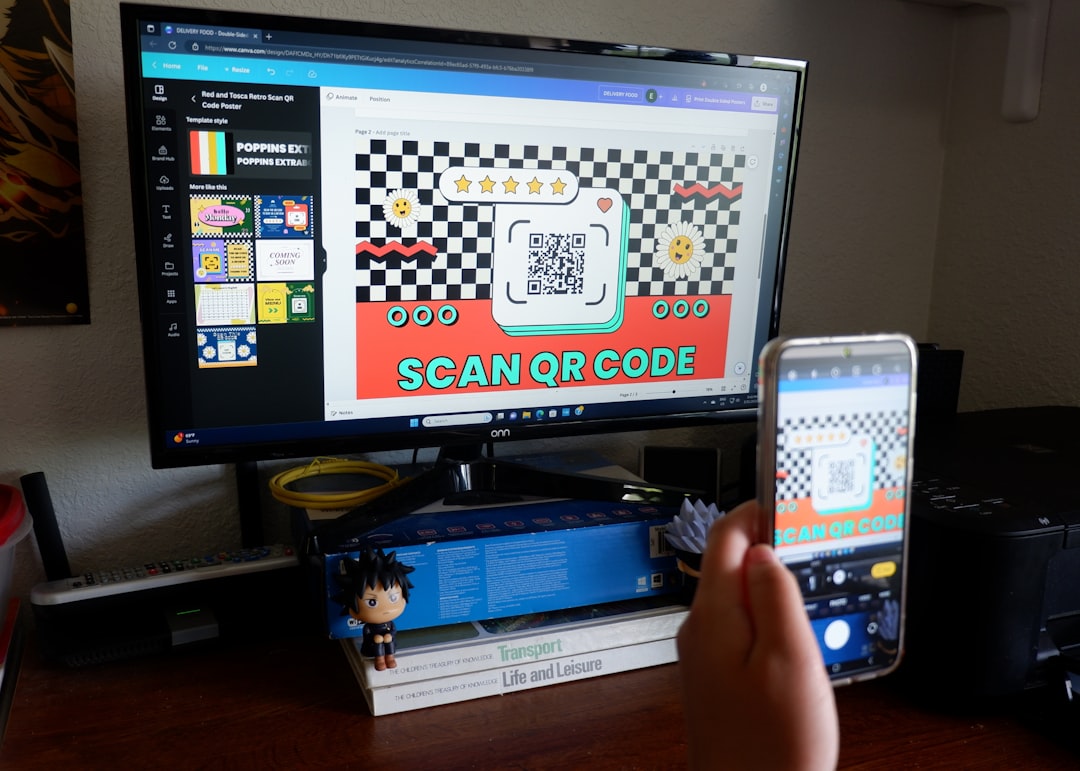
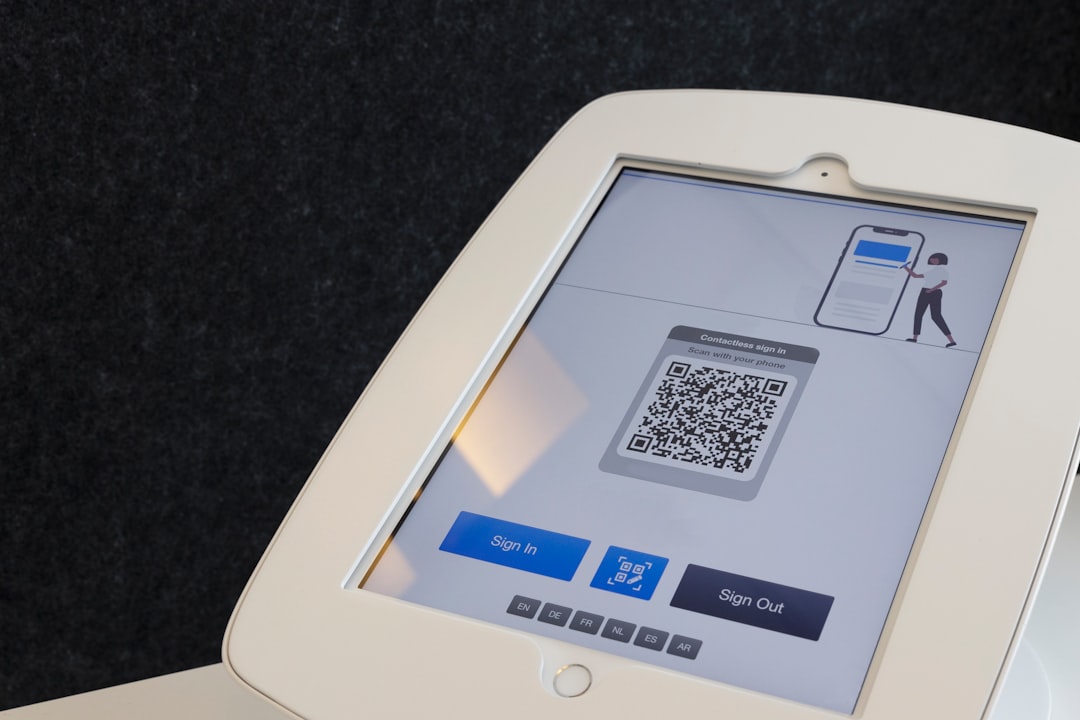
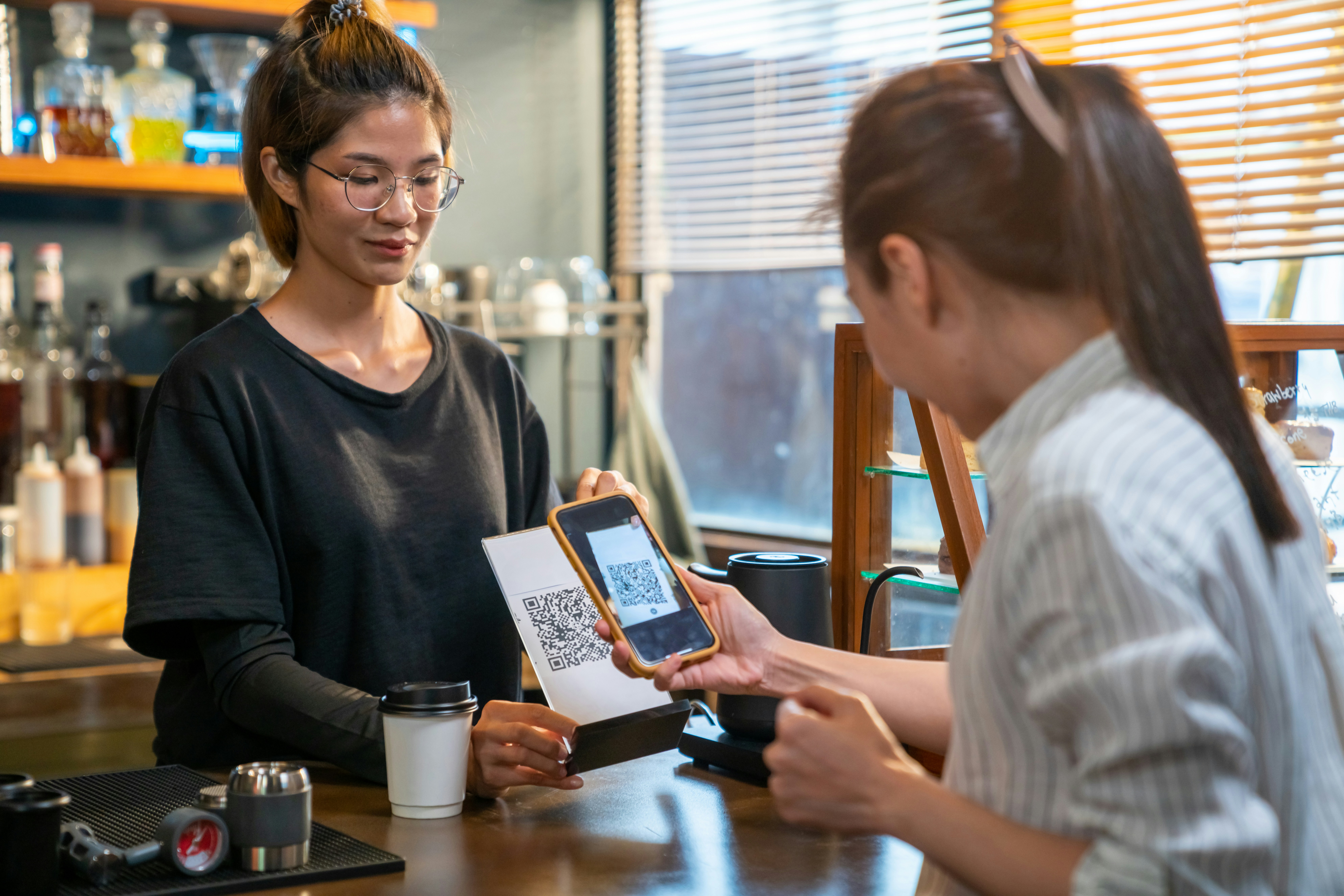
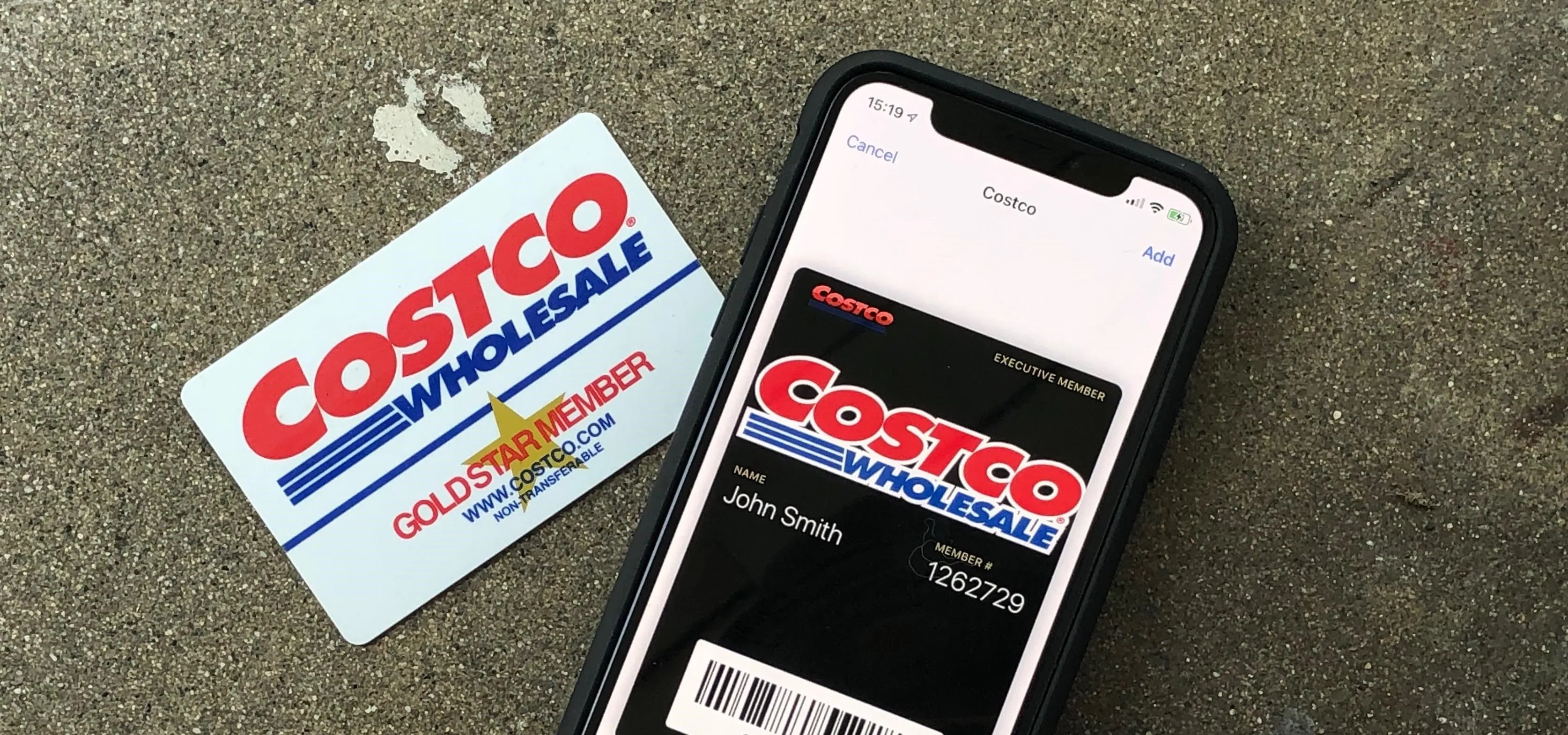
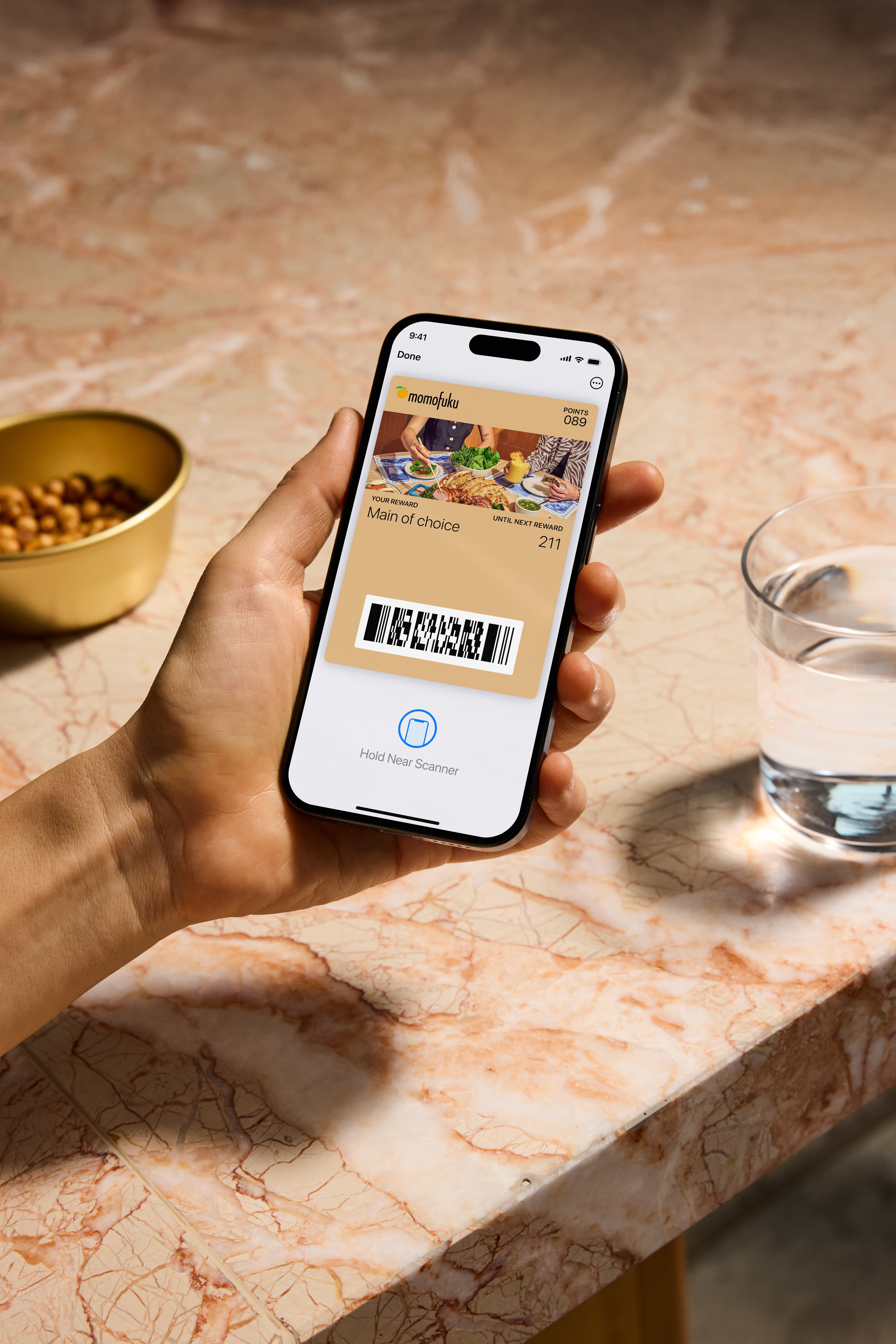
Perkstar gives independent Indian restaurants a direct marketing channel to every customer's phone — bypassing delivery apps entirely. Customers add a loyalty card to their Apple Wallet or Google Wallet by scanning a QR code at the counter, on the menu, on the takeaway bag, or on a flyer tucked into every delivery and collection order. No app download. Ten seconds.
For Indian restaurants, a points programme is the strongest primary mechanism. Points based on total order value (1 point per pound spent) ensure that a family ordering £55 of food earns proportionally more than a solo customer ordering £12. This rewards your highest-value customers most and subtly encourages larger orders — "let's add the lamb chops to start, it'll push us over the points threshold."
Critically, you can configure points to apply only to direct orders — dine-in, phone, website, and collection — and not to delivery app orders. This creates a tangible financial incentive for customers to order direct. The message is simple: "Order from us directly and earn rewards. Order through Just Eat and you don't." For a restaurant losing thousands per year in delivery commissions, this single mechanic can be transformative.
Perkstar supports eight card types. For Indian restaurants, the most powerful combinations include points for everyday orders alongside digital gift cards ("treat someone to a curry night" is one of the most natural gift card concepts in the UK — birthdays, housewarming, thank-yous, office gifts), a stamp card for a specific product ("every 8th order of our special biryani is free"), and coupons for targeted occasion-based promotions.
The marketing toolkit protects the weekly habit and drives it during quiet periods. Unlimited push notifications go to lock screens. Schedule a Thursday at 4pm notification: "Friday curry sorted? Order direct and earn double points this weekend." That message reaches every enrolled customer at the exact moment the "what shall we do for dinner tomorrow?" conversation begins. For an Indian restaurant, a weekly Thursday notification is arguably the single most valuable marketing action the entire business can take.
Automated notifications catch drifting regulars: "It's been three weeks since your last order — we've missed you. Your rewards are waiting." Geo-fenced notifications reach customers when they're near your restaurant — useful for high-street locations and areas with multiple Indian restaurants competing for the same postcode.
Occasion-based promotions reach your entire base directly: "Diwali feast boxes — order now for collection. Limited availability." Christmas party catering, Eid celebrations, and New Year orders can all be promoted through push notifications that reach every enrolled customer.
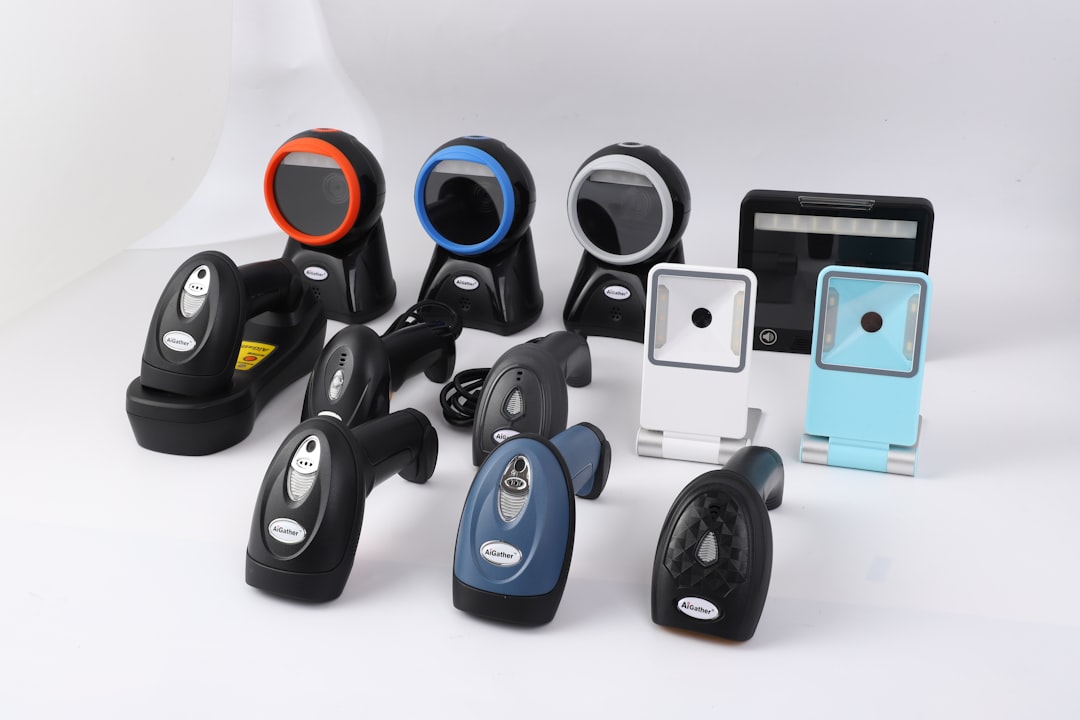
For busy takeaway counters, the Scanner App lets staff scan the customer's wallet card at collection. Scanner App Pro connects a hardware barcode scanner for self-service — customers scan their own card as they pick up their order. Auto-confirm makes it fully hands-free. Exclusive to Growth and Scale plans (beta). Most competitors don't offer self-service scanning.
The referral programme rewards customers who recommend you — and Indian restaurant recommendations ("you have to order from this place") are one of the most powerful word-of-mouth dynamics in food. Google Review rewards build the online presence that drives new orders. The CRM with behavioural segmentation lets you separate your weekly regulars from your occasional customers, your dine-in crowd from your takeaway-only base, and your celebration orderers from your Friday-night families.
Integrations with Mailgun and Twilio give you email and SMS from the same dashboard. While these customer retention strategies work brilliantly for Indian restaurants, similar approaches have proven equally effective for other cuisines — including our detailed guide on loyalty apps for sushi restaurants which face comparable challenges with delivery commissions and customer retention. Many of these same loyalty principles apply to American restaurants tackling loyalty challenges around customer frequency and delivery app dependency. Pricing starts at £19 per month, with a 7-day free trial requiring no credit card.
Start a free 7-day Perkstar trial
2. Square Loyalty
Best for: Indian restaurants processing all payments through Square that want automatic loyalty tracking at the till.
Square Loyalty integrates with Square POS. Customers earn points when they pay — no scanning, no extra step. Points accumulate based on spend, which works for Indian restaurants with wide-ranging order values.
For an Indian restaurant running everything through Square that wants the simplest possible loyalty setup, it works.
The trade-offs are significant for a takeaway-heavy business. Square Loyalty only captures transactions processed through Square — it can't capture phone orders paid on delivery or online orders through third-party platforms. There's no Apple Wallet or Google Wallet integration — nothing on the customer's phone between orders. No push notifications for the Thursday evening curry prompt. No mechanism to incentivise direct ordering over delivery apps. No stamp cards. No referral programme. No Google Review rewards. No self-service scanning. No gift cards within the loyalty system. Usage-based pricing scales with volume.
3. Toast Loyalty
Best for: Indian restaurants using Toast POS that want loyalty integrated into their restaurant management system.
Toast is a restaurant-specific POS with a loyalty feature that integrates directly. Customers enrol via phone number at checkout, earn points based on spending, and redeem automatically. Toast's online ordering integration connects loyalty to direct web orders, which is useful for Indian restaurants trying to capture direct ordering alongside dine-in.
For an Indian restaurant on Toast, adding loyalty is seamless. The platform understands restaurant workflows including takeaway and collection.
The limitations are consistent. Ecosystem lock-in, no mobile wallet integration, limited push notifications (no weekly Thursday prompts to your entire customer base), no referral programme, no Google Review rewards, no self-service scanning. Toast's pricing reflects the full platform.
4. Loopy Loyalty
Best for: Indian restaurants that want a simple mobile wallet stamp card without POS dependency.
Loopy Loyalty delivers a digital stamp card through Apple Wallet and Google Wallet. No app download, real-time updates, branded card. For an Indian restaurant that wants a "order 8 times, get a free main course" stamp card with a persistent wallet presence, Loopy Loyalty works.
The wallet card keeps your restaurant visible on the customer's phone — including on a Thursday evening when they're deciding where to order.
The limitations are substantial for an Indian restaurant. Stamps are the only programme type. It is a stamp-card tool where staff add stamps at the counter, rather than a points engine driven by a spend rule. No points system. No gift cards. Push messaging is included, but there is no points or spend data behind it to shape the weekly curry prompt. No ability to incentivise direct ordering over delivery apps. No referral programme. No occasion-based promotional notifications. No CRM.
5. Stamp Me
Best for: Indian takeaways that want a familiar digital punch card with QR and NFC options.
Stamp Me digitises the paper punch card. Customers collect stamps via QR code or NFC tap through the Stamp Me app. The concept is universally understood and setup is quick. Multi-location support works for small Indian restaurant chains.
For a simple "order 8 times, earn a free starter platter" programme, Stamp Me delivers the basic mechanic.
The friction is the app requirement — customers must download the Stamp Me app. For a takeaway customer who's collecting a bag of food and wants to get home before it goes cold, downloading an app for a stamp is a tough ask. Stamp Me does have push notifications, SMS marketing and automated campaigns, but there's no ability to differentiate between direct orders and delivery app orders in the reward structure.
Quick Comparison: Loyalty Apps for Indian Restaurants
Feature | Perkstar | Square Loyalty | Toast Loyalty | Loopy Loyalty | Stamp Me |
|---|---|---|---|---|---|
Apple Wallet & Google Wallet | ✅ | ❌ | ❌ | ✅ | Limited |
Card Types | 8 (Stamp, Points, Membership, Multipass, Discount, Coupon, Cashback, Gift Cards) | Points only | Points only | Stamps only | Stamps only |
Rewards Direct Orders Only (excludes delivery apps) | ✅ (configurable) | N/A | Online orders via Toast | ❌ | ❌ |
Rewards Total Order Value | ✅ (points system) | ✅ | ✅ | ❌ (stamps per order) | ❌ (stamps per order) |
Weekly Ordering Prompt (Thursday notification) | ✅ (scheduled push) | ❌ | ❌ | ❌ | ❌ |
Occasion-Based Promotions (Diwali, Eid, Christmas) | ✅ (push notifications) | ❌ | Limited | Limited | ❌ |
Self-Service Kiosk Scanning | ✅ (Scanner App Pro) | ❌ | ❌ | ❌ | ❌ |
Geo-Fenced Notifications | ✅ | ❌ | ❌ | ❌ | ❌ |
Digital Gift Cards | ✅ | Via Square ecosystem | Via Toast ecosystem | ❌ | ❌ |
Referral Programme | ✅ | ❌ | ❌ | ❌ | ❌ |
Google Review Rewards | ✅ | ❌ | ❌ | ❌ | ❌ |
Behavioural Segmentation | ✅ Advanced (weekly vs occasional, dine-in vs takeaway) | Basic | Basic | Basic | Basic |
Captures Takeaway/Collection Customers | ✅ (QR on bags/menus) | Only if paying via Square | Via Toast ordering | ✅ (QR on bags) | ✅ (QR on bags) |
Email & SMS Integration | ✅ (Mailgun & Twilio) | Limited | Within Toast | ❌ | ❌ |
Requires App Download | ❌ | ❌ (POS-based) | ❌ (POS-based) | ❌ | ✅ |
POS Lock-In | ❌ | ✅ (Square only) | ✅ (Toast only) | ❌ | ❌ |
Free Trial | 7 days (no card required) | 30 days | Varies | ✅ | Varies |
Starting Price | From £15/mo (yearly) | From $13/mo (usage-based) | Part of Toast pricing | From $25/mo | From $35/mo |
Real-World Scenario: How a Loyalty Programme Protects the Friday Night Curry and Recovers Thousands in Delivery Commissions
Feature tables compare platforms. This section shows what loyalty looks like in the kitchen at 6pm on a Friday when the phone's ringing and the bag orders are stacking up. For a broader look at how these platforms perform across the industry as a whole, see our comparison of the best loyalty apps for restaurants.
Raj runs an Indian restaurant and takeaway in a suburb of Birmingham — 35 dine-in covers, a busy collection counter, and a Deliveroo listing that accounts for about 40% of his total orders. He's been open twelve years. The food is outstanding — his lamb rogan josh has a borderline cult following. But he's facing three problems he can't solve with a better recipe.
First, 40% of his revenue goes through Deliveroo at 30% commission. On his takeaway turnover of roughly £4,000 per week, that's £480 per week — nearly £25,000 per year — going to a platform that would happily redirect his customers to the Indian restaurant down the road for a £2 lower delivery fee.
Second, his Friday night regulars are becoming fortnightly instead of weekly. The cost-of-living squeeze means families who ordered every Friday are now alternating between his restaurant and a Tesco meal deal. He can feel the habit weakening but has no tool to reinforce it.
Third, two new Indian restaurants have opened within a mile in the past year. His Google rating (4.3 with 85 reviews) is being outcompeted by a newer place with 4.7 and 200 reviews — even though his food is better.
Week one — enrolling across every channel. Raj prints QR codes on every takeaway bag (collection and delivery), on every menu, on table cards for dine-in, and on a large sign at the collection counter. A flyer goes into every Deliveroo bag: "Skip the app next time — order direct, earn rewards, help us keep making great food." Within three weeks, 230 customers have added a loyalty card to their phone. Crucially, 65 of those are Deliveroo customers who scanned the QR code from their delivery bag.
Raj sets up a points programme: 1 point per pound spent. Points apply only to direct orders — dine-in, phone, website, and walk-in collection. Deliveroo orders don't earn points. The message is explicit: "Order direct to earn rewards."
Week two — the Thursday notification protects Friday night. Raj schedules a push notification every Thursday at 4:30pm: "Friday curry sorted? Order direct and earn double points this weekend. Call us or order on our website." The notification hits 230+ phones at the exact moment the Friday dinner conversation is starting in households across Birmingham.
The impact is immediate. Friday direct orders increase by roughly 18% within three weeks. Several customers who'd been ordering through Deliveroo switch to phone collection specifically because the Thursday notification reminded them — and the double-points incentive made collection feel more rewarding than delivery.
Over six months, Raj's Thursday notification becomes as much a part of his customers' week as the curry itself. Multiple families tell him they now look forward to the notification — "it's our reminder to order."
Month one — migrating customers off Deliveroo. The QR code in every Deliveroo bag keeps working. Over eight weeks, 45 Deliveroo customers join the loyalty programme and start ordering direct. At an average order value of £42, each customer shifted saves Raj roughly £12.60 per order in commission. If those 45 customers order direct just twice per month, the annual commission saving is approximately £13,600.
That single mechanic — a QR code in a bag and a points programme that excludes delivery apps — recovers more than half of Raj's annual Deliveroo commission bill.
Month two — reinforcing the weekly habit. Raj sets up an automated push notification that fires when any customer hasn't ordered in 7 days: "It's been a couple of weeks — we've missed your order. Your points are waiting." For families who've started alternating weeks, the 7-day notification arrives precisely when they're deciding whether this week is a curry week. The nudge is often enough to tip the decision.
In the first three months, 28 customers return to weekly or near-weekly ordering after receiving the notification. At an average order of £45, each customer returning to weekly frequency is worth roughly £1,170 per year in additional revenue. Twenty-eight customers: over £32,000 per year in protected revenue.
Month two — occasion promotions drive peak orders. Diwali approaches. Raj sends a push notification two weeks in advance: "Diwali feast boxes — feeds 4-6, £65. Order now for collection. Limited availability." The notification reaches his entire loyalty base. He sells 38 Diwali boxes — more than double the previous year, when he relied on social media and a poster in the window.
He repeats this for Christmas ("Christmas curry party platters — pre-order now"), New Year's Eve, Eid, and bank holiday weekends. Each occasion is promoted via push notification to 300+ phones (the database keeps growing). Each one outperforms his previous social-media-only approach significantly.
Month three — referrals bring the neighbours. Raj activates the referral programme. Existing customers earn 30 bonus points for every friend who places a direct order. He adds a line to the takeaway bag card: "Love our food? Tell a friend — you'll both earn rewards." In Indian restaurant culture, where recommendations carry enormous weight ("you have to try this place's biryani"), the referral programme converts organic word-of-mouth into a trackable system.
In eight weeks, 34 new customers arrive through referrals. Many are from the same neighbourhood — one referral from a satisfied customer can cascade through a street or a WhatsApp group. Referred customers also tend to place larger first orders than average, because they've been told specifically what to order by someone who knows the menu.
Month three — Google Reviews change the competitive landscape. Raj turns on Google Review rewards. Customers who leave a review earn 20 bonus points. Over twelve weeks, his review count goes from 85 to 190, and his rating moves from 4.3 to 4.7. He now matches the newer competitor on rating and significantly exceeds them on review volume. For "Indian restaurant near me" and "Indian takeaway [his area]" searches, Raj starts appearing at the top. New order enquiries increase noticeably.
Gift cards for the festive season. Raj enables digital gift cards: £25, £50, and £75. "Treat someone to a curry night" is an effortless gift — birthdays, thank-yous, housewarming, office Secret Santa. He promotes them via push notification ahead of Christmas. Gift card sales in November and December: £1,400. Every redeemed gift card brings in a new customer (or a returning one) who typically orders above the card value.
After six months:
380+ loyalty members
Friday direct orders up roughly 18% (from Thursday notifications)
~£13,600/year in recovered Deliveroo commissions (45 customers migrated to direct)
28 customers returned to weekly ordering frequency (~£32,000/year in protected revenue)
38 Diwali feast boxes sold (more than double previous year)
34 new customers via referrals
Google rating 4.3 → 4.7 (reviews 85 → 190)
£1,400 in festive gift card sales
Monthly cost: £15
Raj didn't change his menu. Didn't lower his prices. Didn't hire a marketing agency. He built a system that sends one notification every Thursday, puts a QR code in every bag, and rewards customers for ordering directly instead of through a delivery app. The £19 monthly cost generated a return that no other marketing investment in his twelve-year history has come close to matching.
Three Mistakes Indian Restaurants Make With Loyalty Programmes
1. Not distinguishing between direct orders and delivery app orders in the reward structure. If your loyalty programme rewards all orders equally — including ones that come through Deliveroo at 30% commission — you're subsidising the very platform that's eating your margins. Configure your points to apply only to direct orders (dine-in, phone, website, collection). The message to customers is clear: order from us directly and earn rewards. Order through the app and you don't. This single distinction can shift thousands in annual revenue from high-commission to zero-commission channels.
2. Not sending a weekly Thursday notification. The Friday night curry decision starts on Thursday. By Friday evening, it's too late — your customer has already decided. A push notification at 4-5pm on Thursday — promoting the weekend menu, offering double points, or simply reminding them you exist — is the single most valuable marketing action an Indian restaurant can take. It costs nothing, reaches every enrolled customer, and directly protects the weekly ordering habit that your entire business depends on.
3. Ignoring occasion-based pre-order promotions. Diwali, Eid, Christmas, New Year, bank holidays — these are your highest-revenue opportunities. If you're promoting them only through social media and window posters, you're reaching a fraction of the people who'd order. A push notification two weeks before each occasion, with a specific product (feast box, party platter, celebration menu), pre-order deadline, and a clear call to action, consistently outperforms every other promotional channel for Indian restaurants.
Ready to Try It at Your Indian Restaurant?
If you want a loyalty programme that protects your Friday night regulars, shifts orders from delivery apps to direct, promotes Diwali and Christmas feasts to every customer's phone, and builds the Google reviews that bring in new orders — start a free 7-day Perkstar trial. No credit card required. Your personal account manager can set everything up, or you can do it yourself in an afternoon.
Most Indian restaurants are live within a day.